


Cedar shingles are uniform, machine-sawn panels of cedar wood used for roofing and siding, known for their smooth, clean finish that creates a classic, tailored aesthetic. They differ from cedar shakes, which are hand-split and have a more rustic, textured appearance.
What is a cedar shingle roof?
A cedar shingle roof is a roofing system made from thin, machine-sawn cedar panels. These shingles are laid in overlapping rows to create a weather-resistant barrier while offering a smooth, uniform appearance. They are lighter than many roofing materials, naturally resistant to decay, and provide a classic wood aesthetic that complements both traditional and modern homes.
What are the three types of shingles used when roofing?
The three main types of shingles for roofing are asphalt shingles, wood shingles, and metal shingles. Asphalt shingles are the most common due to their affordability and ease of installation. Wood shingles, including cedar shingles, offer natural beauty and durability. Metal shingles are long-lasting and often provide energy-efficient performance.
What type of cedar is used for shingles?
Western Red Cedar is the most commonly used cedar species for shingles. Its natural oils make it highly resistant to decay, insects, and moisture, while its lightweight and stable grain make it ideal for precise, machine-sawn shingles. Eastern White Cedar is also used in certain regions for roofing and siding applications.
What are the five main types of roof styles?
The five main roof styles are gable, hip, flat, shed, and mansard. Gable roofs are simple and popular for their drainage efficiency. Hip roofs slope on all sides and are stable in high winds. Flat roofs are common on modern or commercial buildings. Shed roofs have a single sloping plane. Mansard roofs are steeply pitched with a flat top, often used to maximize attic space.
Cedar shingles are prized for their smooth surface, consistent thickness, and uniform look. Unlike cedar shakes, which are hand-split and have irregular edges, cedar shingles provide a clean, finished appearance that adds elegance to both roofs and walls. Homeowners often choose cedar shingles for their natural beauty, insulation properties, and the unique way the wood weathers over time, developing a silver-gray patina.
Expert research from the USDA Forest Service notes that Western Red Cedar shingles are highly durable, resistant to decay, and suitable for a wide range of climates, making them a reliable choice for long-term roofing projects.
Cedar shingles can be installed on a variety of roof styles, including gable, hip, and shed roofs. Their uniform dimensions allow for easy installation and create a tailored, professional look that enhances curb appeal.
Differences Between Cedar Shingles and Cedar Shakes
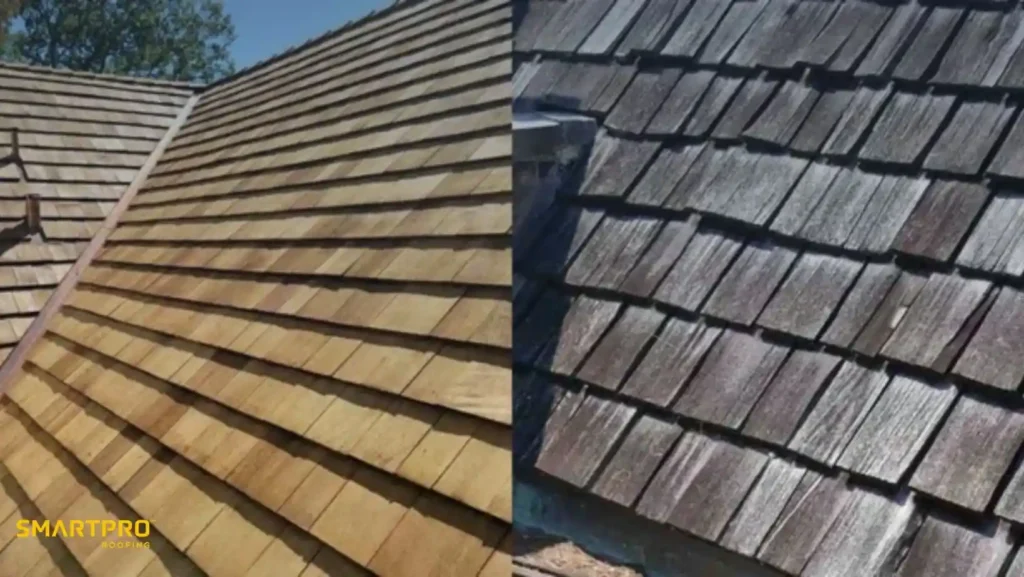
Cedar shingles and cedar shakes are often confused, but they serve different aesthetic and functional purposes.
- Cedar Shingles: Machine-sawn, smooth, thin panels that provide a uniform look. Ideal for modern and traditional homes seeking a clean finish.
- Cedar Shakes: Hand-split, thicker panels with a textured surface and rustic appearance. Commonly used for cabins or historic-style homes.
Cedar shingles are easier to install in precise, uniform courses, while shakes require more spacing adjustments and may be better suited for rustic or irregular roof lines. Shingles are also lighter and less prone to warping due to their thinner profile.
Benefits of Using Cedar Shingles
Cedar shingles offer multiple advantages over other roofing materials.
- Durability: Natural oils in cedar resist rot, insects, and moisture, giving shingles a lifespan of 30–50 years with proper maintenance.
- Energy Efficiency: Cedar has insulating properties that help regulate indoor temperatures. Homes with cedar shingle roofs can experience lower energy costs during summer and winter.
- Aesthetic Appeal: The smooth, consistent surface provides a refined, tailored look that can elevate the appearance of any home. Over time, cedar shingles develop a silver-gray patina that adds character.
- Eco-Friendly: Cedar is a renewable resource, and shingles can be recycled at the end of their lifespan. Choosing sustainably sourced cedar contributes to environmentally responsible construction practices.
Types of Cedar Shingles
Cedar shingles are available in several types depending on thickness, grade, and finish:
- Premium Grade: Clear, free of knots, ideal for high-visibility areas.
- Select Grade: Minimal knots, good balance of aesthetics and durability.
- Standard Grade: More knots and minor imperfections, suitable for less visible areas or budget-conscious projects.
Additionally, shingles may vary in length and thickness, allowing homeowners to select options that best fit the slope and style of their roof.
Installation Considerations for Cedar Shingles
Installing cedar shingles requires careful planning to maximize performance and lifespan.
- Underlayment: A quality roofing underlayment protects against moisture penetration.
- Fasteners: Stainless steel or corrosion-resistant nails prevent rusting over time.
- Ventilation: Proper roof ventilation prevents heat and moisture buildup, reducing the risk of warping or decay.
- Slope Requirements: Cedar shingles perform best on roofs with a slope of at least 4:12 to ensure effective water shedding.
Proper installation ensures that cedar shingles provide both aesthetic appeal and functional protection for decades.
Maintenance and Longevity of Cedar Shingles
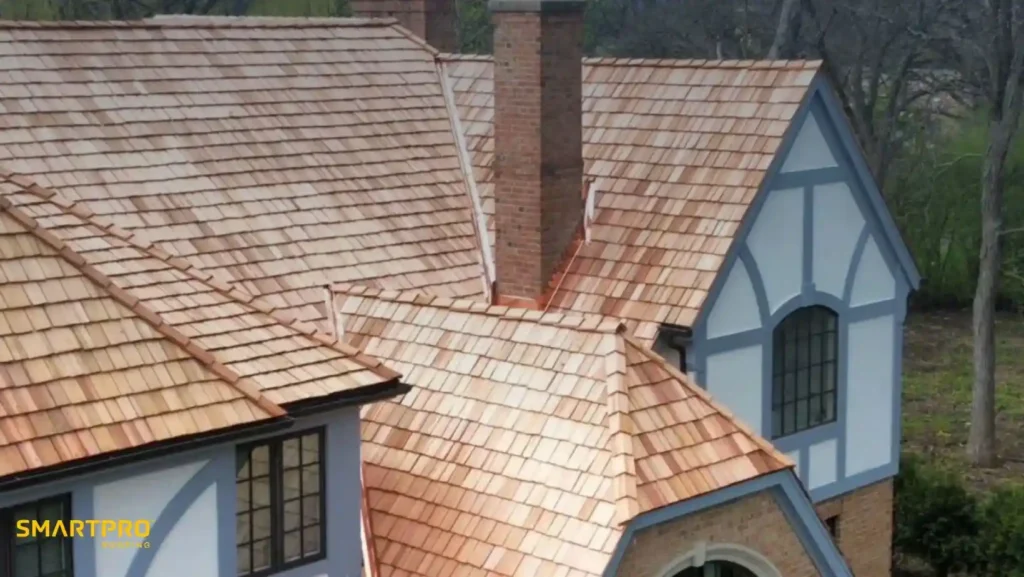
Maintaining a cedar shingle roof extends its lifespan and preserves its appearance.
- Cleaning: Remove debris, moss, and leaves to prevent moisture retention.
- Inspections: Check for loose or damaged shingles annually, especially after storms.
- Treatments: Apply cedar preservatives or water repellents if needed, particularly in humid climates.
- Repairs: Promptly replace any cracked or damaged shingles to prevent leaks and structural issues.
With regular maintenance, cedar shingles can last 30–50 years, making them a long-term investment for homeowners seeking durability and natural beauty.
How Cedar Shingles Affect Energy Efficiency
Cedar shingles contribute to energy savings by providing natural insulation. The wood’s cellular structure traps air, helping to keep homes cooler in summer and warmer in winter. This reduces the load on HVAC systems, resulting in lower energy bills over time. In combination with proper ventilation and roof underlayment, cedar shingles are an energy-smart roofing option.
Cedar Shingle Roof Styles
Cedar shingles are versatile and can be used with several roof styles:
- Gable Roofs: Classic pitched design that works well with uniform shingles.
- Hip Roofs: Sloped on all sides; shingles create a clean, tailored look.
- Shed Roofs: Single sloping plane; shingles allow for a modern finish.
- Mansard Roofs: Steep edges with a flat top; cedar shingles add texture and elegance.
- Gambrel Roofs: Barn-style roofs; cedar shingles enhance the traditional aesthetic.
Selecting the right style ensures the shingles perform effectively while maintaining the desired aesthetic.
Environmental Advantages of Cedar Shingles
Cedar shingles are a sustainable roofing material when sourced responsibly. They are biodegradable, renewable, and often harvested from managed forests. Choosing cedar shingles supports green building practices while reducing the environmental impact compared to asphalt or synthetic alternatives.
Cost Considerations for Cedar Shingles
The cost of a cedar shingle roof varies depending on quality, roof size, and installation complexity. Premium-grade shingles are more expensive due to their clear wood and uniform appearance. Standard-grade shingles offer a cost-effective alternative without sacrificing durability. Installation costs may be higher than asphalt shingles, but the extended lifespan and energy efficiency of cedar often offset the upfront expense.
SmartQuote can provide homeowners with instant, transparent pricing for cedar shingle roofing projects, making it easier to budget for materials and installation without in-person consultations.
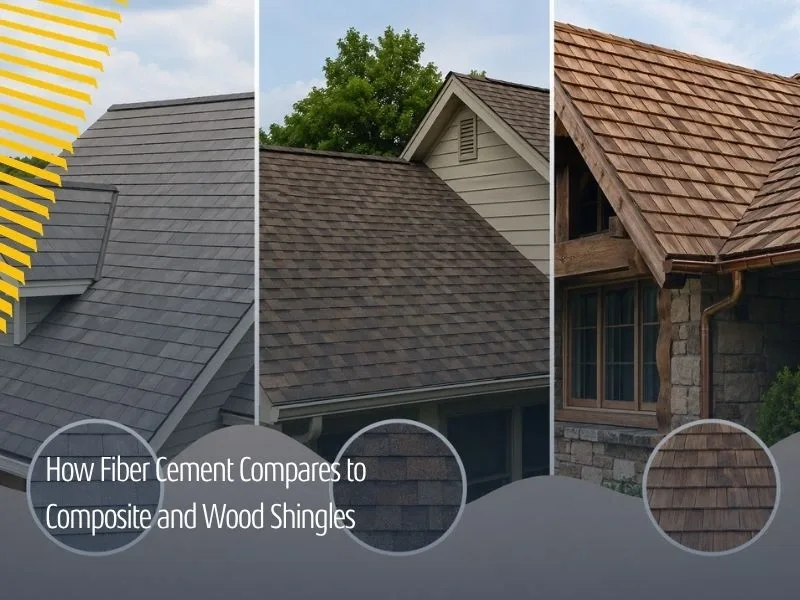
Comparing Cedar Shingles to Other Wood Roofing
When compared to cedar shakes or other wood roofing materials:
- Cedar Shakes: Hand-split, rustic, heavier, less uniform.
- Cedar Shingles: Machine-sawn, smooth, lighter, precise.
- Redwood Shingles: Durable but less naturally resistant to insects than cedar.
Cedar shingles combine aesthetic appeal with performance and longevity, making them an excellent choice for homeowners seeking a classic look with lower maintenance.
Choosing the Right Cedar Shingle for Your Home
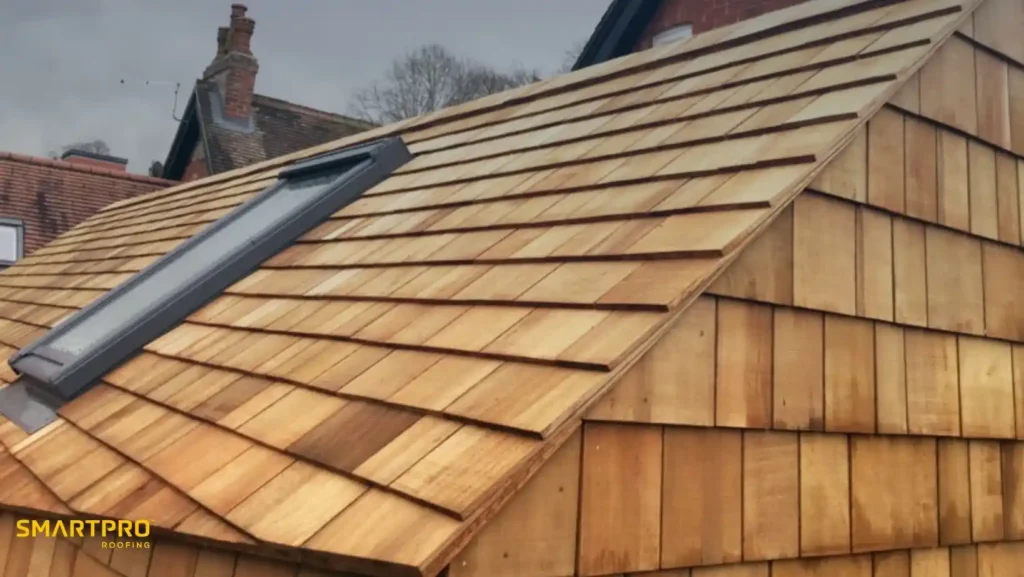
Selecting the ideal cedar shingle involves considering:
- Grade and Quality: Premium vs. standard.
- Climate: Humidity and sun exposure affect performance and maintenance needs.
- Roof Pitch: Steeper slopes allow better water shedding.
- Aesthetic Goals: Smooth shingles create a tailored appearance; shakes create a rustic style.
Homeowners can also use SmartQuote to compare different cedar shingle types, grades, and pricing for their specific home and roof size.
According to the USDA Forest Service, “Western Red Cedar is highly durable, naturally resistant to decay, and well-suited for roofing applications in diverse climates, including areas with high humidity and frequent rainfall.” This makes cedar shingles a reliable choice for homeowners looking for both longevity and aesthetic appeal.
Key Takeaways
- Cedar shingles are machine-sawn, smooth cedar panels that offer a classic, clean look.
- They differ from cedar shakes, which are hand-split and textured.
- Premium cedar shingles provide long-lasting durability, while standard grades are cost-effective alternatives.
- Proper installation, ventilation, and maintenance extend roof life to 30–50 years.
- Cedar shingles contribute to energy efficiency and sustainable building practices.
- Use SmartQuote to get instant, accurate estimates for cedar shingle roofing projects.
Get Started with Your Cedar Shingle Roof
Ready to see exactly what your cedar shingle roof will cost and plan your project entirely online? Get your free SmartQuote today in just minutes: Get Your SmartQuote.
Related Reading: