



Cracked tile roofs in Florida are primarily caused by severe weather, impact from falling debris, and the natural aging process. Homeowners can prevent them by performing regular inspections, keeping gutters clean, trimming overhanging branches, and using low-pressure cleaning methods to wash off moss and dirt. Professional maintenance and prompt repairs are crucial for a long-lasting roof.
Why would roof tiles crack?
Roof tiles commonly crack because of impact from falling branches, foot traffic, extreme temperature shifts, or manufacturing defects. In Florida, hurricane-force winds and airborne debris make breakage more frequent.
Why do Florida homes have tile roofs?

Tile roofs are popular in Florida because they handle humidity, salt air, heavy rain, and heat better than many other roofing materials. They also offer long life expectancy and strong resistance to fire and insects.
How often do tile roofs need to be replaced in Florida?
Concrete and clay tile roofs in Florida typically last between 30 and 50 years when properly maintained. Severe storms can shorten their lifespan, which is why regular inspections and early repairs are essential.
Can a homeowner repair their own roof in Florida?
Homeowners can replace a single cracked tile if they know how, but many repairs require certified professionals due to Florida’s strict building codes and safety requirements. Improper repairs may void insurance or cause further roof damage.
According to the Federal Emergency Management Agency, roof tile systems in hurricane-prone regions face increased uplift forces and require proper fastening and maintenance to reduce breakage during wind events. Their mitigation guidelines emphasize that minor tile damage can escalate if not addressed early.
Source: FEMA Hurricane Mitigation Handbook
Understanding Why Cracked Tile Roofs Are So Common in Florida
Cracked tile roofs are a familiar problem for many Florida homeowners. The state’s unique combination of harsh sun, tropical storms, strong winds, airborne debris, and constant humidity creates an environment where roof tiles experience more stress than in many other regions. While tile roofing provides excellent longevity, durability, and weather resistance, it is not immune to damage. To protect your home effectively, it is important to understand why tiles crack, how to identify vulnerabilities early, and what preventive strategies can extend the life of your roof.
Tile roofs are built to endure decades of exposure, but all roofing materials eventually show signs of wear. In places like Florida, where daily temperature swings and seasonal storms place repeated strain on building materials, cracked tiles become increasingly common as the roof ages. SmartQuote allows homeowners to quickly estimate repair or replacement costs by evaluating tile conditions and roof size online, which helps guide budgeting for maintenance.
Understanding the causes of tile cracks is the first step toward reducing long-term roofing expenses. Whether your roof is concrete, clay, or a specialty tile, knowing how environmental stressors affect the material will help you make better decisions about cleaning, inspections, and professional maintenance.
Florida Weather and Its Impact on Tile Roof Durability

Florida’s climate is both beautiful and demanding. The same sunny skies and ocean breezes that draw millions of people to the state also contribute to roof damage. High ultraviolet levels weaken surface coatings on tiles, making them more brittle over time. When temperatures fluctuate between afternoon highs and evening lows, roofing materials expand and contract. This ongoing movement creates tension that can eventually result in fractures.
Storm conditions often accelerate the damage. Hurricanes and tropical storms bring not only forceful winds but airborne debris that can strike tiles. Even small objects can chip or crack a tile when thrown at high speed. Heavy rainfall can erode protective layers on tiles, especially older ones. Over many years, the roof becomes more susceptible to surface wear and breakage.
While homeowners cannot control the weather, they can control how well their roofs are maintained. Scheduling periodic evaluations and checking for early signs of damage is essential. Tools like SmartQuote help you determine whether minor cracks can be repaired affordably or if larger restoration work is needed.
Common Causes of Cracked Tile Roofs
Understanding the primary reasons tiles crack can help homeowners prevent costly issues. Florida roofs typically suffer from one or more of the following:
Impact From Falling Branches and Debris
Florida’s frequent storms bring wind that can break branches or lift debris. When these objects land on a tile roof, they often cause chips or full cracks. Even small branches can create hairline fractures that worsen with time. Homes with large shade trees are at higher risk, making trimming essential.
Foot Traffic on the Roof
Walking on tile roofs is particularly hazardous. Even though concrete and clay tiles are durable, they are not designed to support regular foot traffic. Repairs, gutter cleaning, and holiday decorations are common reasons people climb onto their roofs. However, stepping in the wrong place can easily break a tile and allow water intrusion to begin.
Natural Expansion and Contraction
Florida’s warm days and cooler nights cause thermal expansion. Materials swell with heat and contract when temperatures drop. This continuous movement gradually weakens tile integrity. Older tiles become brittle, making cracks more likely.
Age and Wear
Every roofing material has a life expectancy. As tiles age, they lose moisture resistance and structural strength. Even without external impact, old tiles can fracture from internal stress or minor pressure.
Installation Errors
Improper fastening or poor alignment during installation can make tiles more prone to cracking. In Florida, following code-compliant installation methods is essential for long-term performance.
How to Spot Early Warning Signs Before Cracks Spread
Homeowners can prevent major roofing issues by identifying warning signs early. Visual inspections performed every few months can significantly reduce long-term damage.
Look for any of the following indicators:
- small chips or fractures along tile edges
- loose or misaligned tiles
- dark streaks that may indicate water intrusion beneath tiles
- soft spots near cracked areas
- damaged flashing that may have caused moisture to seep below the tile layer
Catching these issues early helps avoid the need for full roof replacements. Homeowners can use SmartQuote to gauge the cost of tile replacement, repair work, or inspection services.
Preventing Cracked Tiles Through Regular Home Maintenance
Preventive care offers the best protection against cracked tiles. Florida homeowners can improve roof lifespan through consistent, simple routines.
Trim Overhanging Branches
Branches that hang over your roof pose a risk of impact damage. Trimming them reduces the chance of falling debris during storms. It also minimizes leaf accumulation which retains moisture around tiles.
Clean Gutters and Downspouts
Blocked gutters allow water to back up beneath tiles, weakening underlayment and increasing the chance of cracking. Clean gutters help ensure water flows freely and drains away from the roofline.
Inspect After Major Storms
High winds, hail, and airborne debris can cause unseen damage. After any significant storm, visually inspect the roof from the ground. If you suspect damage, use SmartQuote to explore the costs for professional diagnostics.
Avoid Pressure Washing
Tile roofs should never be cleaned with high-pressure washing tools. The force of the water can strip protective coatings and crack tiles. Low-pressure cleaning or soft wash procedures are the safest methods.
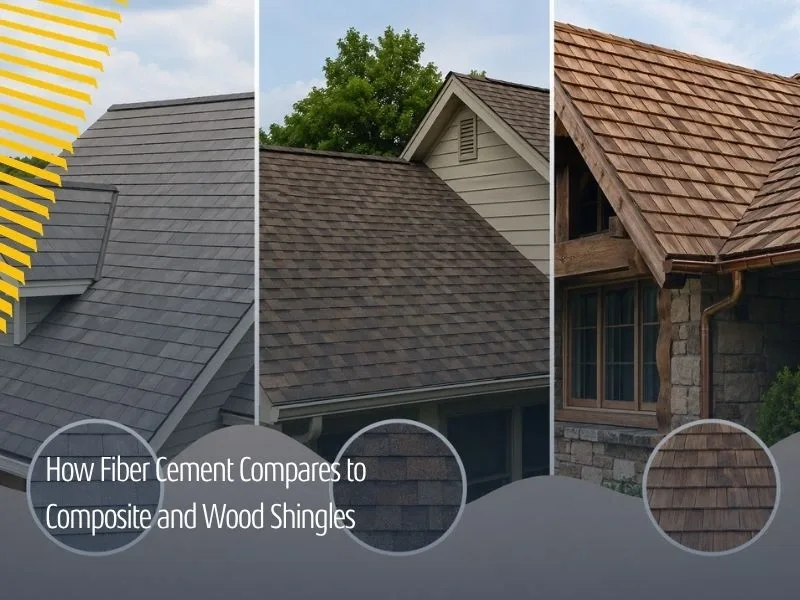
Understanding the Different Types of Tile Roof Materials
Florida roofs are built with a variety of tile materials. Each responds differently to weather and maintenance routines.
Concrete Tile
Concrete tiles are durable, affordable, and heavy. They resist fire and insects well but can become porous over time, increasing the risk of moisture-related cracks.
Clay Tile
Clay tiles often last longer than concrete and maintain color more effectively. However, they are more brittle, making them susceptible to impact damage.
Composite Tile
Engineered tiles combine durability with lighter weight. These are less prone to cracking but may fade under strong UV exposure.
Understanding what type of tile is installed on your roof helps determine the best maintenance strategy and expected lifespan. SmartQuote offers cost comparisons for each roof material.
How Poor Installation Contributes to Tile Cracking

Tile roofing systems must be installed correctly to withstand Florida’s climate. Poor workmanship often leads to problems years later. Common installation errors include:
- improper fastening or inadequate adhesive
- incorrect alignment of tiles
- lack of proper underlayment
- insufficient ventilation
- tiles placed on uneven roof surfaces
Any of these issues can shift stress onto individual tiles, making them prone to breakage. Even new tile roofs can show signs of cracking if installed without strict adherence to Florida building codes.
The Role of Underlayment in Preventing Roof Damage
One of the often overlooked components of a tile roof is the underlayment. This moisture barrier protects the structure beneath the tiles and acts as a second line of defense. When tiles crack, a quality underlayment prevents water from entering the home.
In Florida’s wet climate, high-quality synthetic underlayment is preferred because it handles humidity better than felt. When underlayment deteriorates, cracked tiles become more than a cosmetic issue, leading to leaks and interior damage.
Repairing Cracked Roof Tiles
When tiles crack, repairing them quickly prevents further deterioration. There are three common repair options:
Replace a Single Tile
This is the most effective method and ensures the roof retains its durability. A matching tile is inserted after removing the damaged one.
Seal the Crack
A roofing-grade sealant can be used for small cracks, although this is usually temporary.
Reattach Loose Tiles
Sometimes what appears to be a crack is actually separation from adhesive or nails. Reattaching tiles prevents movement that can cause cracking.
Homeowners can use SmartQuote to compare the cost differences between sealing, reattaching, and full replacement.
Should You Repair or Replace Your Tile Roof?
The answer depends on several factors:
- the age of the roof
- the number of cracks
- whether underlayment is compromised
- the cost of ongoing repairs
A tile roof with widespread cracking may be due for replacement. However, spot repairs are often sufficient for younger roofs. SmartQuote provides instant online pricing for both repair work and full roof replacement.
Florida Regulations That Affect Tile Roof Repairs
Florida’s building codes are among the most stringent in the country. These codes protect homeowners from the state’s severe weather conditions. Any roofing work must comply with local regulations, including:
- fastening systems
- wind uplift requirements
- tile underlayment standards
Because of these rules, many repairs are not DIY friendly. Unauthorized work may lead to insurance issues or code violations.
Key Things Homeowners Can Do to Prevent Cracked Tiles
- trim nearby trees and remove overhanging branches
- avoid walking on tile roofs
- clean gutters regularly
- use only low-pressure cleaning methods
- inspect tiles after storms
- schedule periodic professional roofing evaluations
Proactive care always costs less than major repair projects. Tools like SmartQuote help homeowners understand budget expectations ahead of time.
Conclusion
Cracked tile roofs are a common issue in Florida due to the state’s powerful storms, heat, humidity, and falling debris. While tile is durable, it is not unbreakable. The best approach is prevention through regular maintenance, careful cleaning, and timely repairs. Understanding why tile roofs crack helps homeowners take the right steps to protect their homes and reduce long-term roofing costs.
Using SmartQuote can help homeowners evaluate repair needs and get real-time pricing for inspections, tile replacement, or a full roof upgrade. The online tool makes it easy to compare options and plan ahead without pressure or appointments.
Get Started with Your Roof Today
Ready to see exactly what your roofing project will cost and buy it entirely online without the sales pitch? Get your free SmartQuote today in just minutes
Related Reading: