


Fiber cement and wood shingles both offer timeless curb appeal, but they differ significantly in maintenance, durability, and weather resistance. Fiber cement shingles are a low-maintenance roofing option that resist fire, insects, moisture, and rot while delivering the appearance of traditional wood. Wood shingles provide natural beauty and classic warmth but require regular upkeep to prevent mold, warping, and decay. Composite shingles fall in between, offering a balance of affordability, appearance, and durability. Choosing the right roofing material depends on your climate, budget, and long-term maintenance expectations.
What are cement fiber shingles?
Cement fiber shingles are roofing shingles made from a combination of cement, sand, and cellulose fibers. They are designed to mimic the appearance of wood or slate while offering greater durability and weather resistance.
What is a fiber cement roof?
A fiber cement roof is a roofing system made using fiber cement shingles or panels. These roofs are known for their resistance to fire, moisture, insects, and extreme weather conditions.
How long does a fiber cement roof last?
A properly installed fiber cement roof can last between 30 and 50 years or more with minimal maintenance. Longevity depends on climate, installation quality, and upkeep.
What are the disadvantages of fiber cement?
Fiber cement roofing can be heavier than some alternatives, which may require additional structural support. Installation costs are also higher than asphalt shingles, and repairs may require specialized labor.
Choosing the right roofing material is one of the most important decisions homeowners make when replacing or upgrading a roof. Appearance matters, but so do durability, maintenance requirements, weather resistance, and long-term value.
The debate around Fiber Cement vs wood shingles has become increasingly relevant as homeowners look for roofing options that combine beauty with performance. Traditional wood shingles deliver unmatched natural charm, while fiber cement products offer a more durable and low-maintenance alternative. Composite shingles have also entered the conversation, giving homeowners another option that blends aesthetics with modern engineering.
This guide compares fiber cement, composite, and wood shingles across every major category, including lifespan, maintenance, weather resistance, energy efficiency, and cost. By the end, you’ll have a clear understanding of which roofing material is best suited for your home and climate.
According to the U.S. Department of Energy, durable roofing materials with high resistance to moisture and weather exposure can significantly improve building longevity and reduce maintenance demands in harsh climates.
What Is Fiber Cement Roofing?
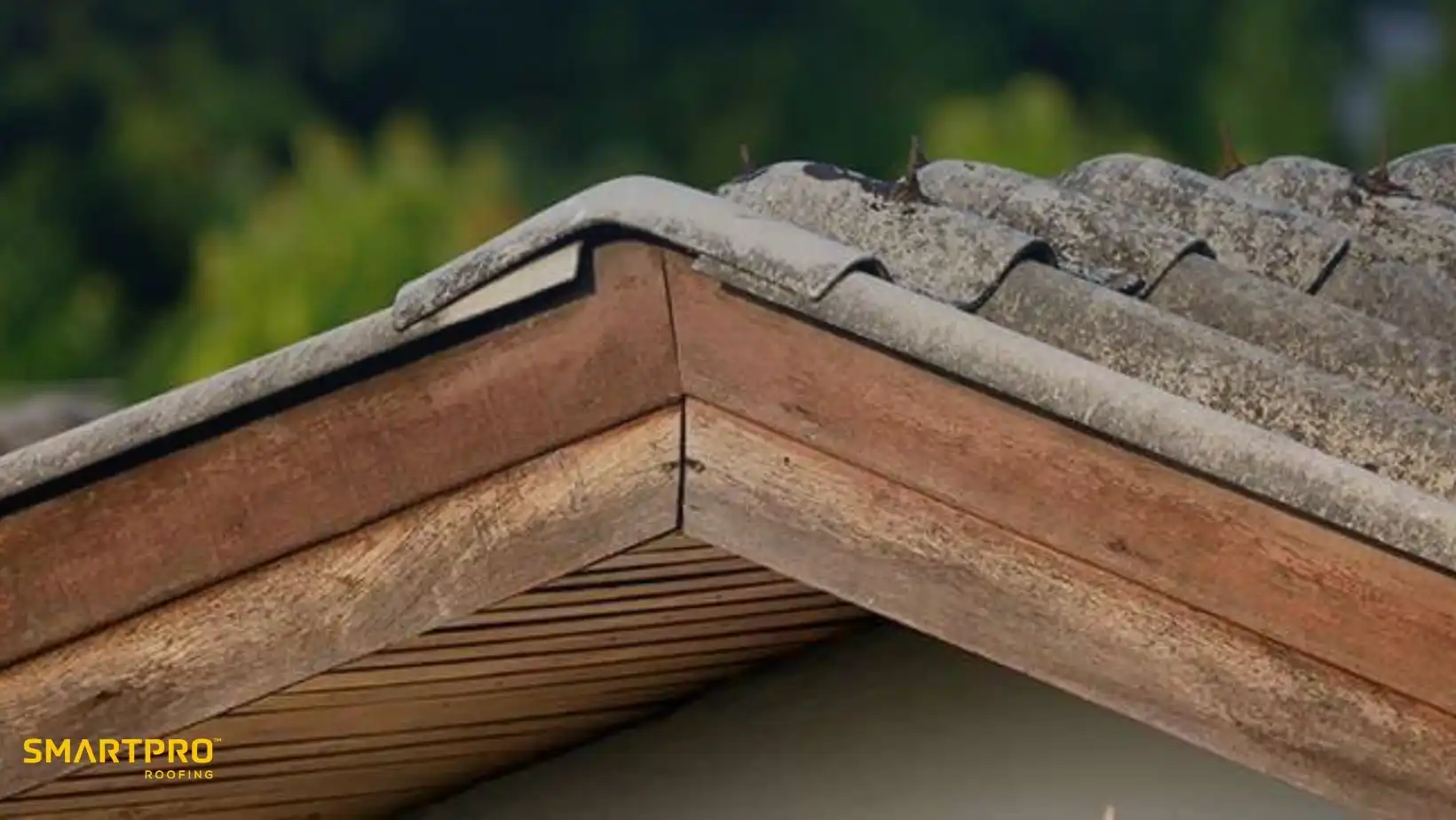
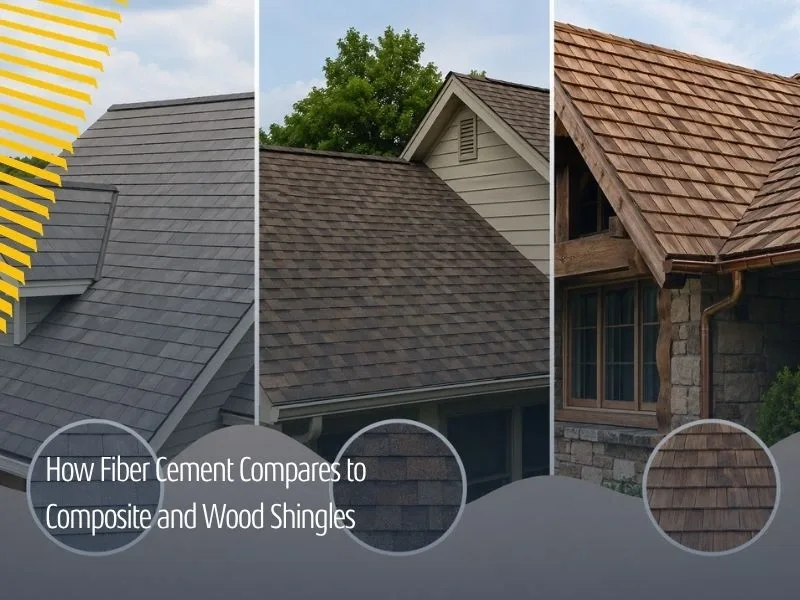
Fiber cement roofing is made from a blend of cement, sand, and cellulose fibers. This mixture creates an extremely durable roofing product that can mimic the appearance of wood shingles, slate, or traditional shake roofing.
Unlike natural wood, fiber cement resists moisture damage, insect activity, and fire exposure. These shingles are engineered to handle severe weather conditions while maintaining their appearance for decades.
One reason homeowners choose fiber cement roofing is its ability to deliver the aesthetic appeal of cedar or wood shingles without the intensive maintenance requirements. Modern manufacturing techniques also allow for realistic textures and colors that closely resemble natural materials.
Homeowners exploring premium roofing options can compare pricing instantly through SmartQuote, which simplifies roof planning with transparent online estimates.
Understanding Composite Shingles
Composite shingles are manufactured using synthetic materials such as recycled plastics, polymers, fiberglass, and asphalt blends. They are designed to imitate wood, slate, or tile while offering enhanced durability and lower maintenance.
Compared to natural wood shingles, composite roofing is lighter and easier to install. It also resists moisture, insects, and UV damage more effectively than untreated wood.
Composite shingles are popular among homeowners seeking affordability combined with improved longevity. While they may not provide the exact texture of real wood, modern composite products have become increasingly realistic in appearance.
Many homeowners use SmartQuote to compare composite roofing costs against fiber cement and wood options before starting a roof replacement project.
Why Wood Shingles Remain Popular
Despite requiring more upkeep, wood shingles continue to attract homeowners because of their natural warmth and traditional appearance. Cedar shingles in particular are known for their rich texture and rustic charm.
Wood shingles age naturally over time, developing a weathered appearance that many homeowners appreciate. This authentic look is difficult for synthetic products to replicate perfectly.
However, wood shingles require regular maintenance to prevent moisture buildup, mold growth, rot, and insect infestation. In humid climates, maintenance becomes especially important.
Wood roofing can also be more vulnerable to fire unless specially treated with fire-resistant coatings.
Comparing Durability and Lifespan
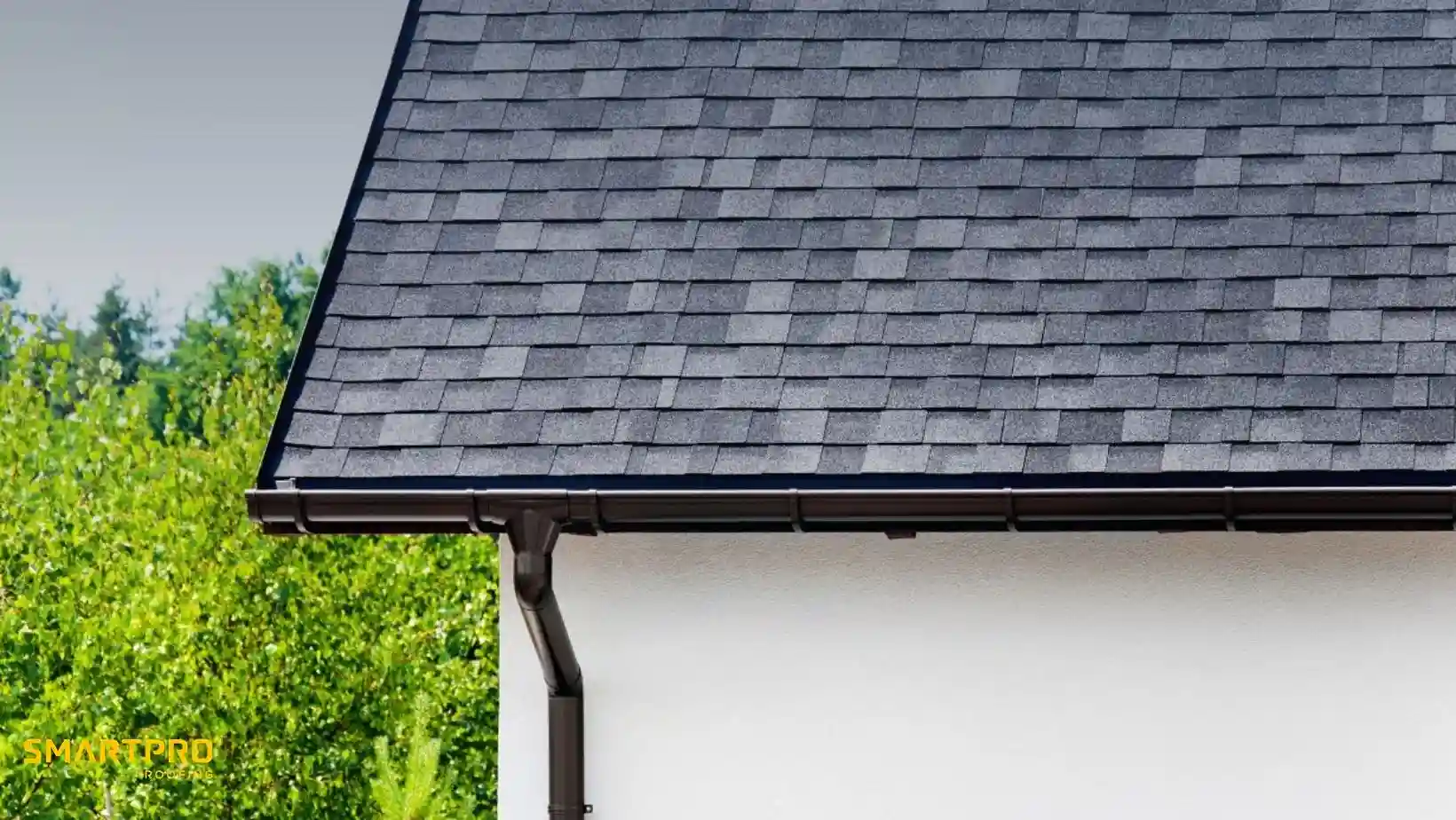
Durability is one of the biggest differences in the Fiber Cement vs wood shingles discussion.
Fiber cement shingles typically last between 30 and 50 years with minimal maintenance. They resist cracking, moisture, pests, and UV exposure far better than wood.
Composite shingles generally last between 25 and 40 years depending on the manufacturer and climate conditions. They are highly resistant to moisture and weather damage but may fade over time.
Wood shingles can last 20 to 30 years with proper care, though humid environments may shorten their lifespan if maintenance is neglected.
For homeowners focused on longevity and low maintenance, fiber cement roofing often provides the strongest long-term value.
Maintenance Requirements for Each Roofing Type
Maintenance is another major factor when comparing roofing materials.
Fiber cement roofing requires minimal upkeep. Occasional inspections and cleaning are usually enough to maintain performance and appearance.
Composite shingles also require relatively little maintenance. They resist mold and insects better than wood and generally maintain their integrity in harsh weather.
Wood shingles demand ongoing maintenance. Homeowners must regularly clean debris, treat the wood against mold and insects, and replace damaged shingles when necessary.
In areas with high humidity or frequent storms, maintenance costs for wood roofing can increase significantly over time.
If you’re considering a long-term roofing investment, SmartQuote can help compare pricing across low-maintenance and premium roofing systems.
Fire Resistance and Weather Protection
Fiber cement shingles are highly resistant to fire and often achieve Class A fire ratings. This makes them an excellent option for homeowners prioritizing safety.
Composite shingles also offer strong fire resistance depending on the material composition and manufacturer specifications.
Wood shingles are naturally more vulnerable to fire unless treated with special coatings.
Weather performance is another area where fiber cement stands out. Fiber cement roofing handles moisture, hail, strong winds, and temperature fluctuations exceptionally well.
Composite shingles also perform well in storms, though quality can vary significantly between products.
Wood shingles may warp, split, or absorb moisture during severe weather if not maintained properly.
Energy Efficiency and Insulation
Each roofing material impacts energy efficiency differently.
Fiber cement roofing provides solid thermal performance because of its density and durability. It helps stabilize indoor temperatures and resists heat damage.
Composite shingles can also contribute to energy efficiency depending on color and reflective coatings.
Wood shingles naturally provide insulation due to the structure of the wood itself. This can help regulate indoor temperatures, especially in moderate climates.
However, moisture absorption can reduce wood’s insulating effectiveness over time if maintenance is neglected.
Homeowners planning energy-efficient roof upgrades can explore exact roofing costs using SmartQuote.
Installation Complexity and Structural Considerations
Fiber cement shingles are heavier than composite or wood products. Because of this, installation may require additional structural support depending on the home’s framing.
Installation is also more labor-intensive because fiber cement products must be cut and handled carefully.
Composite shingles are generally lighter and easier to install, reducing labor costs and installation time.
Wood shingles require skilled craftsmanship to ensure proper spacing, ventilation, and water shedding.
No matter the material, proper installation is critical to maximizing roof lifespan and performance.
Cost Comparison Between Fiber Cement, Composite, and Wood
Cost is often one of the deciding factors for homeowners.
Fiber cement roofing usually has a higher upfront installation cost because of material weight and labor requirements. However, lower maintenance costs can offset the initial investment over time.
Composite shingles tend to fall in the mid-range price category. They balance affordability and durability, making them attractive to many homeowners.
Wood shingles vary widely in price depending on the wood species used. Cedar roofing is generally one of the more expensive natural roofing materials.
Long-term ownership costs should also include maintenance, repairs, and lifespan expectations.
Using SmartQuote allows homeowners to compare roofing costs instantly and plan projects more confidently.
Which Roofing Material Is Best for Different Climates?
Climate plays a major role in roofing performance.
Fiber cement roofing performs exceptionally well in humid, coastal, and storm-prone regions because it resists moisture, insects, and fire.
Composite shingles work well in a wide range of climates and offer strong resistance to UV exposure and moisture.
Wood shingles perform best in drier climates where moisture buildup is less likely to cause rot or mold issues.
For homeowners in areas with frequent rain, humidity, or hurricanes, fiber cement often provides superior long-term reliability.
Aesthetic Differences and Curb Appeal
All three roofing materials offer strong curb appeal but with distinct visual characteristics.
Wood shingles provide the most authentic natural appearance and create a warm, traditional aesthetic.
Fiber cement shingles closely mimic wood while offering more consistent color and texture over time.
Composite shingles offer versatility with a wide range of colors and styles designed to imitate premium materials.
The right choice depends on the architectural style of the home and the homeowner’s design preferences.
Final Thoughts on Fiber Cement vs Wood Shingles
The decision between fiber cement, composite, and wood shingles ultimately depends on your priorities.
If you want the natural beauty of wood without intensive maintenance, fiber cement roofing offers an excellent balance of aesthetics and durability.
If affordability and low maintenance are your primary concerns, composite shingles may provide the best value.
If authentic appearance matters most and you are willing to maintain the roof regularly, wood shingles remain a timeless option.
Each roofing material has strengths and trade-offs, but understanding these differences helps homeowners make smarter long-term decisions.
Key Takeaways
- Fiber cement shingles resist fire, moisture, insects, and rot
- Wood shingles offer unmatched natural beauty but require ongoing maintenance
- Composite shingles provide a balance between durability and affordability
- Fiber cement roofing can last 30 to 50 years or more
- Climate conditions should heavily influence roofing decisions
- Proper installation is essential for long-term roof performance
- Maintenance costs vary significantly between roofing materials
- Fiber cement often provides the best combination of durability and low upkeep
Get Started with Your Roof Today
Ready to see exactly what your new roof will cost and buy it entirely online without the sales pitch? Get your free SmartQuote today in just minutes through SmartPRO Roofing’s online platform.
Related Reading: Concrete Shingles 101: Benefits, Costs, and Installation Guide