


Concrete shingles, also called concrete tiles, are durable and long-lasting roofing materials made from sand, cement, and water. They offer a 50 to 100 year lifespan, carry a Class A fire rating, and can resist winds up to 180 mph when properly installed. Thanks to their high thermal mass, concrete shingles improve energy efficiency by reducing heat transfer. While they are heavy and require adequate structural support, they perform exceptionally well in hot climates and severe weather conditions.
What are concrete shingles?
Concrete shingles are roofing materials made from a mixture of cement, sand, and water that are molded under high pressure. They are designed to mimic the appearance of slate, clay, or traditional shingles while offering enhanced durability and weather resistance.
What are the benefits of a concrete roof?
A concrete roof offers excellent fire resistance, wind protection, and long lifespan. It also improves energy efficiency due to its thermal mass and requires relatively low maintenance compared to other roofing materials.
What is the meaning of shingles in concrete?
In concrete roofing, shingles refer to individual overlapping units made of concrete that are installed in rows to create a protective barrier against weather elements.
How long do concrete shingles last?
Concrete shingles typically last between 50 and 100 years when properly installed and maintained. Their durability makes them one of the longest-lasting residential roofing options available.
Choosing the right roofing material is one of the most important decisions a homeowner can make. A concrete shingle roof combines strength, longevity, and energy performance in a way that few materials can match. Whether you are planning a roof replacement or building a new home, understanding the benefits, costs, and installation process of concrete shingles can help you make an informed decision.
Concrete shingles are especially popular in hot climates and areas prone to severe weather. Their weight and density make them highly resistant to wind uplift, fire, and temperature fluctuations. In this guide, we will break down everything you need to know about concrete shingles, including performance, cost considerations, and how installation works.
What Are Concrete Shingles Made Of
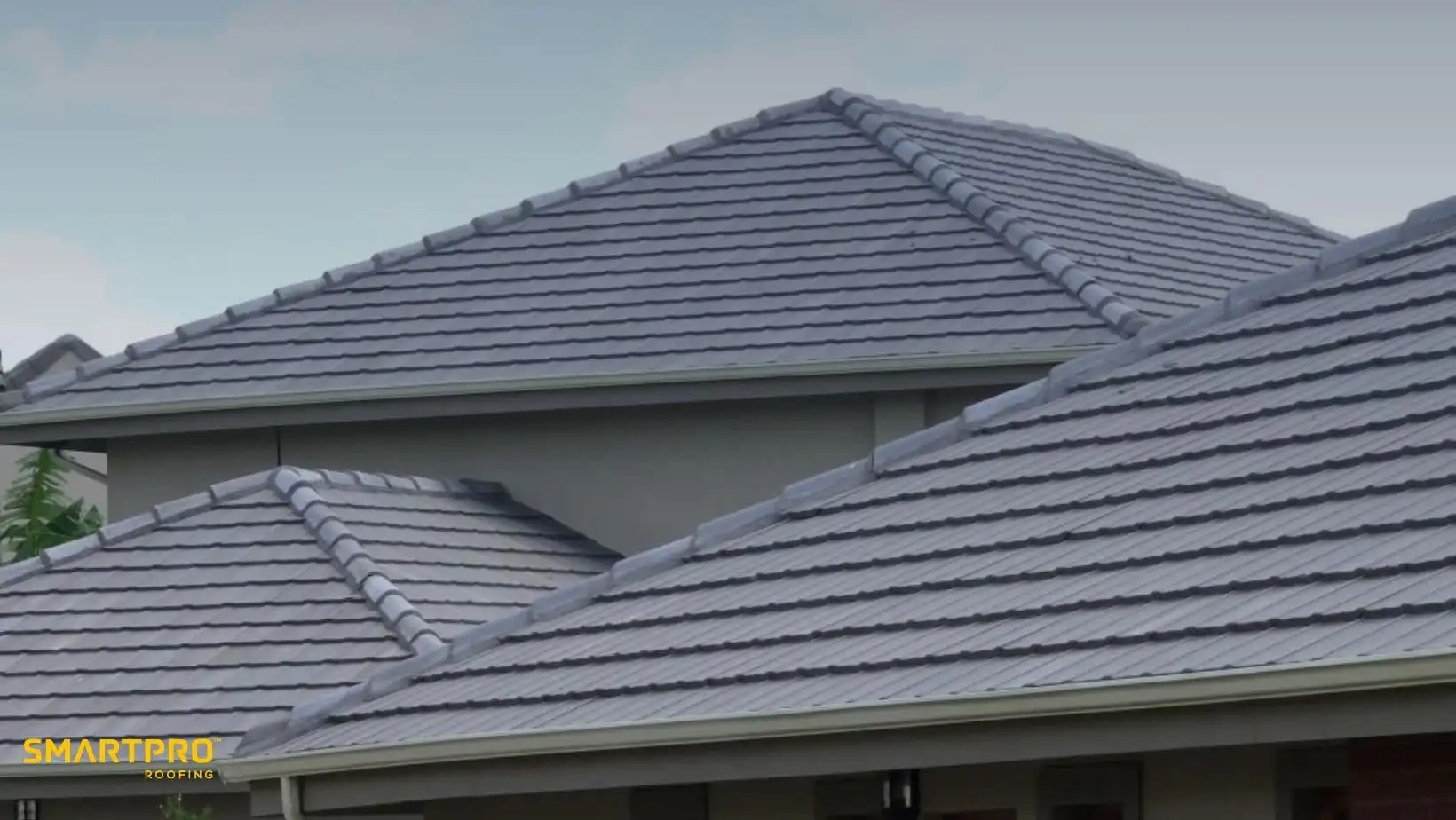
A concrete shingle is manufactured using a mixture of Portland cement, sand, water, and pigments. This mixture is molded into shapes under high pressure and cured to create a dense, durable roofing product. The finished shingles are coated for added weather resistance and color retention.
The composition gives concrete shingles their impressive durability. Unlike lightweight roofing materials, concrete shingles do not easily warp, crack, or deteriorate under prolonged sun exposure. Their dense structure helps them withstand freeze-thaw cycles and heavy rainfall.
Because they are molded, concrete shingles can replicate the look of clay tiles, slate, or even wood shake. This versatility allows homeowners to achieve a premium appearance without sacrificing structural integrity.
Expert Insight on Concrete Shingle Performance
According to the Federal Emergency Management Agency, properly installed concrete tile roofing systems perform exceptionally well in high-wind regions and offer strong resistance against fire and impact. FEMA notes that concrete and clay tiles are highly durable when attached correctly and can withstand extreme weather conditions common in hurricane-prone areas.
Read more in FEMA Building Science resources: FEMA Building Science
Key Benefits of Concrete Shingle Roofing
Concrete shingles provide a wide range of benefits that make them a smart long-term investment.
First, they offer outstanding durability. A properly installed concrete shingle roof can last up to a century. This longevity reduces the need for frequent roof replacement, saving homeowners money over time.
Second, they are Class A fire-rated, the highest fire resistance rating available. This makes concrete shingles particularly attractive in wildfire-prone regions.
Third, they resist high winds. Many concrete shingle systems are rated for winds up to 180 mph when installed according to manufacturer guidelines. This makes them ideal for hurricane-prone areas.
Finally, their high thermal mass improves energy efficiency. Concrete shingles absorb heat during the day and release it slowly, helping regulate indoor temperatures and reducing cooling costs.
Energy Efficiency and Thermal Performance
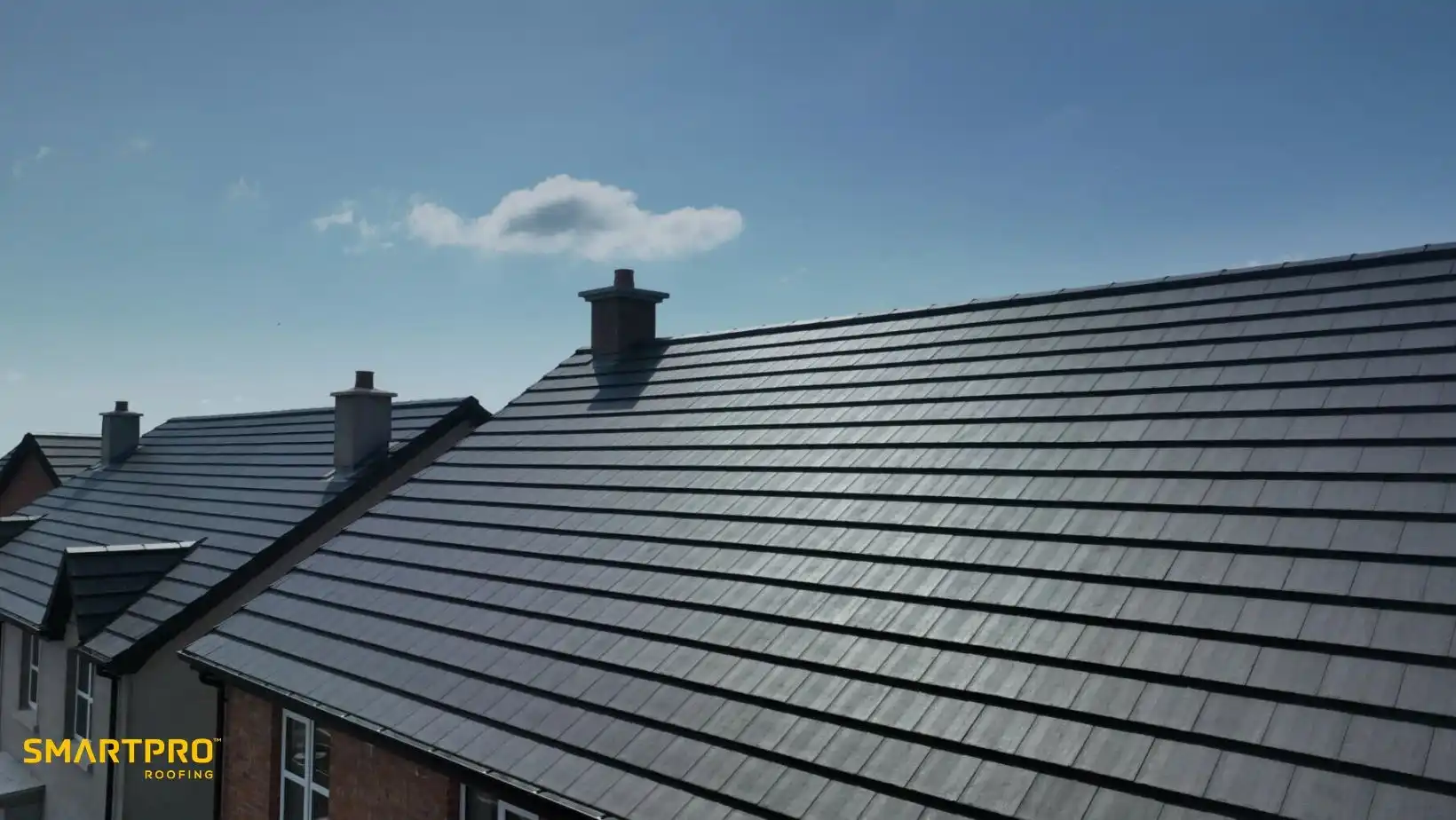
One of the standout features of a concrete shingle roof is its energy performance. The density of concrete creates thermal mass, which slows heat transfer into the home. In hot climates, this can significantly reduce cooling loads.
Concrete shingles also allow airflow beneath the tiles when installed properly. This natural ventilation effect helps dissipate heat before it enters the attic space.
The result is improved indoor comfort and lower energy consumption. Over time, this can translate into noticeable savings on utility bills.
How Much Do Concrete Shingles Cost
Concrete shingles typically cost more upfront than asphalt shingles but less than natural slate or clay tiles. On average, homeowners can expect installation costs to range between $10 and $20 per square foot depending on region, complexity, and structural requirements.
The overall cost depends on factors such as roof size, roof pitch, accessibility, and whether structural reinforcement is needed. Because concrete shingles are heavy, some homes may require additional framing support.
To get an exact, personalized estimate, homeowners can use SmartQuote to receive transparent pricing online in minutes. Instead of waiting for in-person inspections, you can see the full breakdown of your concrete shingle roof cost instantly.
Structural Requirements and Weight Considerations
Concrete shingles are significantly heavier than asphalt shingles. A square of concrete shingles can weigh between 900 and 1,200 pounds.
Before installation, a structural assessment is required to ensure the home can support the additional weight. In some cases, reinforcement may be necessary. This adds to initial costs but ensures long-term stability.
Despite their weight, this density is one of the reasons concrete shingles perform so well in high winds and storms.
Installation Process for Concrete Shingles
The installation of concrete shingles is more complex than lightweight materials. First, the existing roof must be removed. Next, underlayment is installed to provide a waterproof barrier.
Concrete shingles are then secured in overlapping rows using mechanical fasteners or clips. Proper spacing and alignment are critical to performance.
Because installation precision affects wind resistance and water shedding, it is important to work with experienced professionals. SmartQuote can help you compare pricing for installation quickly so you can plan with confidence.
Maintenance and Longevity
Concrete shingles require relatively low maintenance compared to other roofing materials. Periodic inspections are recommended to check for cracked tiles, debris buildup, or underlayment wear.
Cleaning moss or algae growth may be necessary in humid climates. Individual shingles can be replaced without removing large roof sections, which simplifies repairs.
With proper maintenance, a concrete shingle roof can easily last 50 to 100 years.
Comparing Concrete Shingles to Other Roofing Materials
Compared to asphalt shingles, concrete shingles last significantly longer and offer superior wind and fire resistance. Asphalt roofs typically last 20 to 30 years.
Compared to clay tiles, concrete shingles are more affordable while providing similar durability. Clay may offer slightly better color longevity but often comes at a higher price point.
Compared to metal roofing, concrete shingles offer superior sound insulation and thermal mass but are heavier.
Each roofing material has strengths, but concrete shingles strike a balance between performance, longevity, and cost.
Are Concrete Shingles Right for Your Climate

Concrete shingles perform exceptionally well in hot, sunny climates. Their thermal mass reduces heat transfer and enhances energy efficiency.
They are also ideal for coastal regions prone to hurricanes because of their wind resistance.
However, in regions with weak structural framing or where weight restrictions apply, additional engineering may be required.
If you are unsure whether concrete shingles are right for your home, SmartQuote makes it easy to compare options and plan your next steps with exact online pricing.
Sustainability and Environmental Impact
Concrete shingles are made from abundant natural materials. Many manufacturers incorporate recycled content into production.
Their long lifespan reduces landfill waste compared to shorter-lived roofing materials.
Additionally, their energy efficiency contributes to reduced household energy consumption over decades.
Final Thoughts
Concrete shingles offer durability, fire resistance, wind performance, and energy efficiency in one roofing system. While the upfront investment may be higher than asphalt, the long-term savings and lifespan make them a strong contender for homeowners seeking resilience and performance.
With a lifespan of up to 100 years and superior weather resistance, concrete shingles are one of the most dependable roofing solutions available today.
Key Takeaways
- Concrete shingles last 50 to 100 years
- They are Class A fire-rated and wind resistant up to 180 mph
- High thermal mass improves energy efficiency
- Structural assessment is required due to weight
- Installation must be precise for maximum performance
- Maintenance needs are minimal over the lifespan
- They are ideal for hot and hurricane-prone climates
Get Started with Your Roof Today
Ready to see exactly what your new roof will cost and buy it entirely online without the sales pitch? Get your free SmartQuote today in just minutes through SmartPRO Roofing’s online platform.
Related Reading: