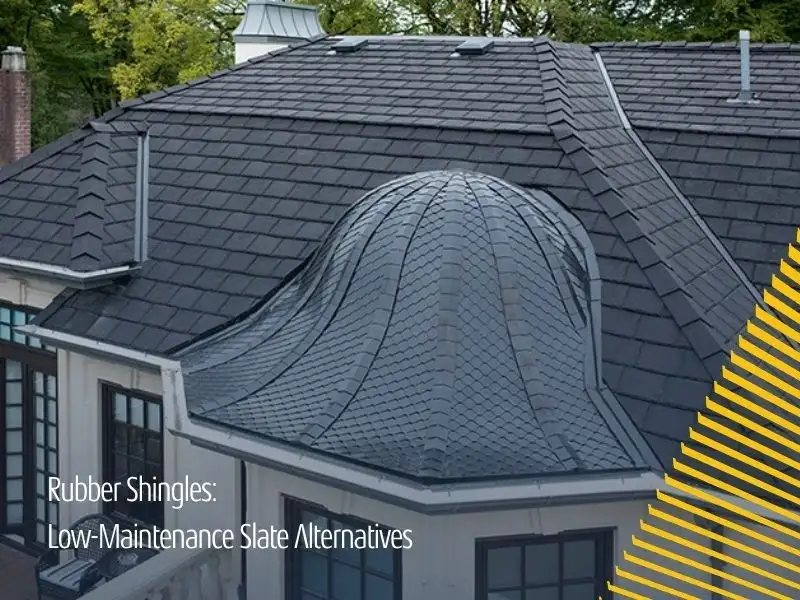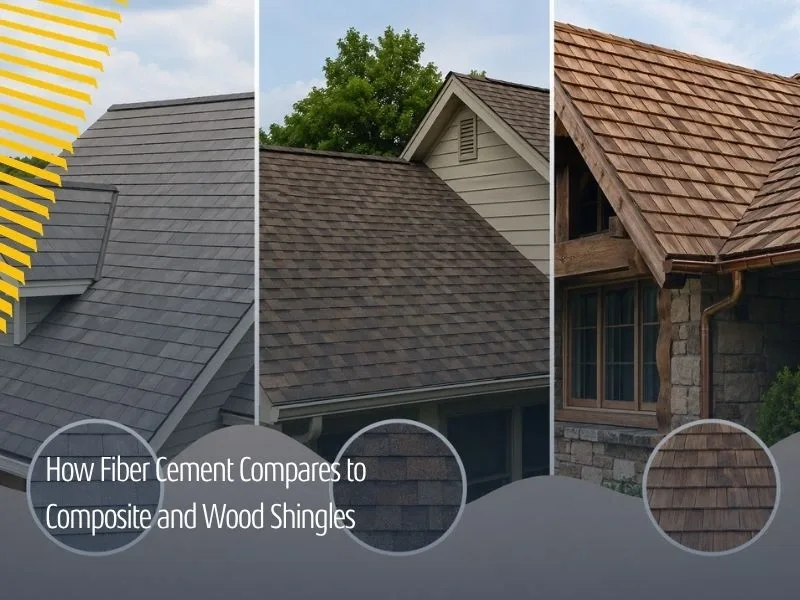



Rubber shingles are durable, eco-friendly roofing materials commonly made from recycled tires and industrial rubber. They replicate the appearance of slate or cedar while offering superior impact resistance and lower maintenance requirements. Most rubber shingles last between 30 and 50 years, making them a long-lasting and cost-effective roofing solution for homeowners who want premium style without the upkeep of natural materials.
Are rubberized shingles worth it?
Yes. Rubber shingles are worth considering for homeowners who want durability, weather resistance, and low maintenance. They are especially valuable in areas with severe storms because they resist cracking, hail damage, and moisture better than many traditional roofing materials.
What is a rubber shingle?
A rubber shingle is a roofing product made from recycled rubber materials, often including recycled tires. These shingles are manufactured to mimic slate, cedar shake, or traditional roofing styles while offering enhanced flexibility and impact resistance.
What are the disadvantages of rubber roofing?
Rubber roofing can have a higher upfront cost than asphalt shingles. Some lower-quality products may fade over time, and improper installation can lead to moisture issues. Rubber shingles may also not appeal to homeowners seeking authentic natural slate.
How long do rubber shingles last?
Most rubber shingles last between 30 and 50 years with proper installation and maintenance. High-quality systems installed correctly can sometimes exceed that lifespan in moderate climates.
Homeowners searching for a roof that combines durability, appearance, and low maintenance are increasingly turning to rubber shingles. These innovative roofing materials offer the elegant appearance of natural slate or cedar shake without many of the common drawbacks associated with those materials.
Rubber shingles are designed to withstand harsh weather conditions, resist impact damage, and maintain their appearance for decades. Because they are often manufactured using recycled materials, they also appeal to environmentally conscious homeowners who want a more sustainable roofing option.
In this guide, we will explore how rubber shingles work, their advantages and disadvantages, installation considerations, cost expectations, and why they are becoming a popular alternative to traditional slate roofing.
What Are Rubber Shingles Made Of
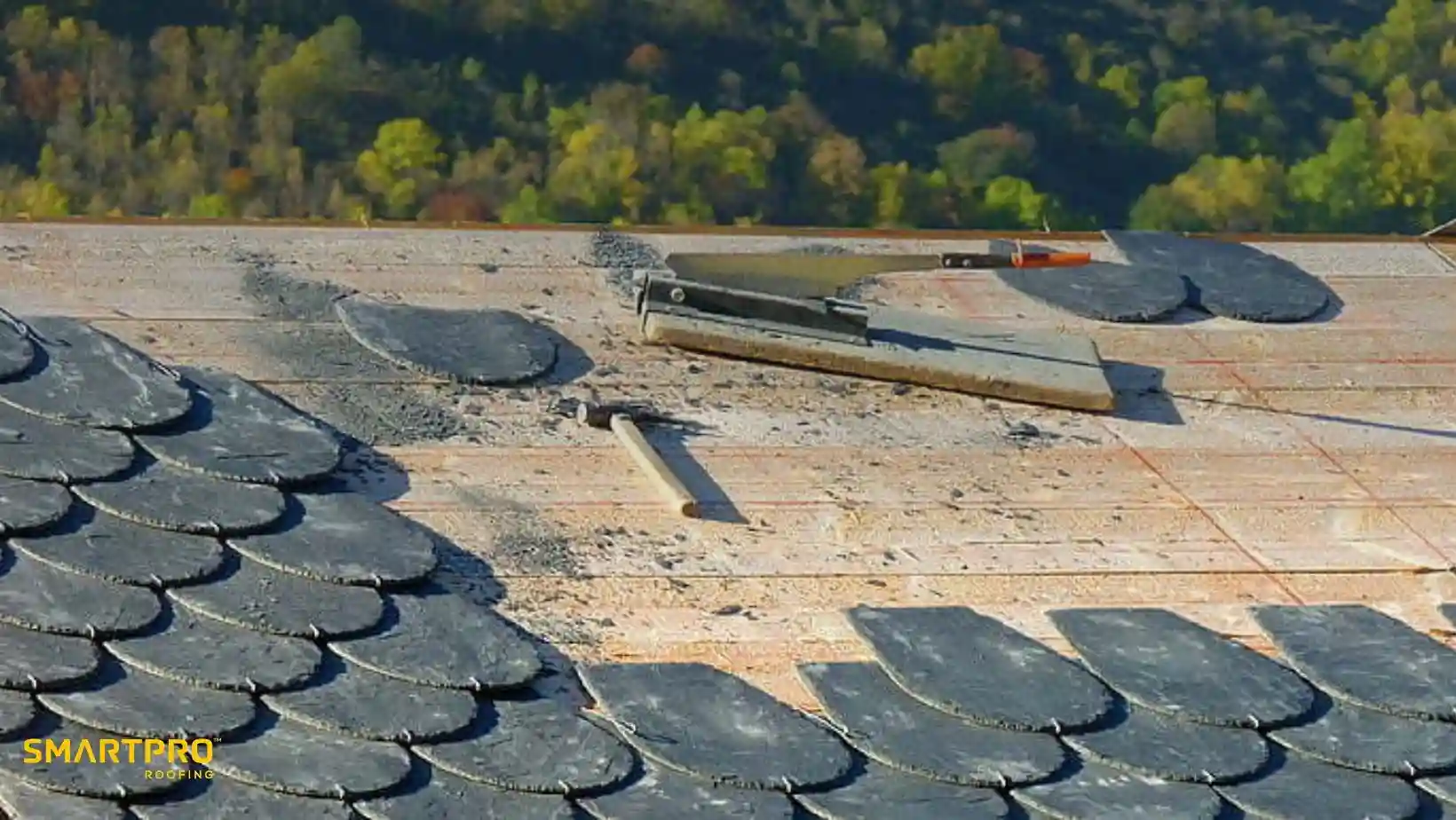
Rubber shingles are primarily manufactured from recycled rubber materials, including old tires and industrial rubber waste. Manufacturers process these materials into durable roofing products that mimic the texture and appearance of slate, cedar shake, or wood shingles.
The recycling process keeps large amounts of waste out of landfills while creating a roofing material with exceptional flexibility and impact resistance. Unlike brittle roofing products, rubber shingles can absorb impacts without cracking.
Many modern rubber shingles are engineered with UV stabilizers and protective coatings to improve color retention and weather resistance. This helps the roof maintain its appearance for decades even in areas with strong sunlight and severe weather.
Expert Insight on Rubber Roofing Durability
According to the U.S. Department of Energy, cool roofing materials that reflect more sunlight and absorb less heat can improve building energy efficiency and reduce cooling demands. Many rubber roofing products are designed with reflective properties that help lower roof surface temperatures and improve indoor comfort.
Why Homeowners Choose Rubber Shingles
One of the biggest reasons homeowners choose rubber shingles is their appearance. Rubber roofing products closely resemble natural slate or cedar shake while avoiding the heavy weight and fragility associated with those materials.
Rubber shingles also offer excellent durability. They resist cracking, splitting, and impact damage caused by hail or falling debris. In areas prone to severe storms, this can significantly reduce long-term repair costs.
Another major advantage is maintenance. Unlike wood shingles that may rot or slate that can crack, rubber shingles require minimal upkeep. This makes them an appealing option for homeowners seeking long-term convenience.
Homeowners comparing roof options can quickly estimate pricing and material choices using SmartQuote, which provides transparent online roofing estimates in minutes.
How Rubber Shingles Compare to Slate Roofing
Natural slate is widely known for its beauty and longevity, but it also comes with significant weight and cost. Installing slate often requires structural reinforcement because the material is extremely heavy.
Rubber shingles provide a similar appearance at a lower cost and with less structural stress. Because rubber products are lighter, installation is typically easier and faster.
Rubber shingles are also less likely to crack during severe weather or foot traffic. Slate can break when walked on improperly, making maintenance and inspections more difficult.
For homeowners who love the slate look but want a lower-maintenance solution, rubber shingles provide a practical alternative.
The Environmental Benefits of Rubber Shingles
Sustainability is another reason rubber shingles continue to grow in popularity. Many products are manufactured using recycled tires and reclaimed rubber materials that would otherwise contribute to landfill waste.
Because rubber shingles last for decades, they reduce the frequency of roof replacement projects. Fewer replacements mean less material waste and reduced environmental impact over time.
Additionally, some rubber roofing systems improve energy efficiency by reflecting sunlight and reducing heat absorption. This can help lower cooling costs during hot weather.
Homeowners interested in environmentally responsible roofing options can compare products and costs through SmartQuote before committing to a full roof replacement.
How Durable Are Rubber Shingles
Rubber shingles are designed for durability in challenging climates. Many products carry Class 4 impact resistance ratings, which represent the highest impact rating available for roofing materials.
This means rubber shingles can withstand hail, flying debris, and severe weather conditions better than many traditional shingles. Their flexibility allows them to absorb impacts instead of cracking under pressure.
Rubber shingles also resist moisture damage, mold growth, and insect activity. Unlike wood roofing products, they do not rot or warp over time.
Most systems are rated to withstand high winds, making them suitable for hurricane-prone regions and storm-heavy climates.
Installation Process for Rubber Shingles
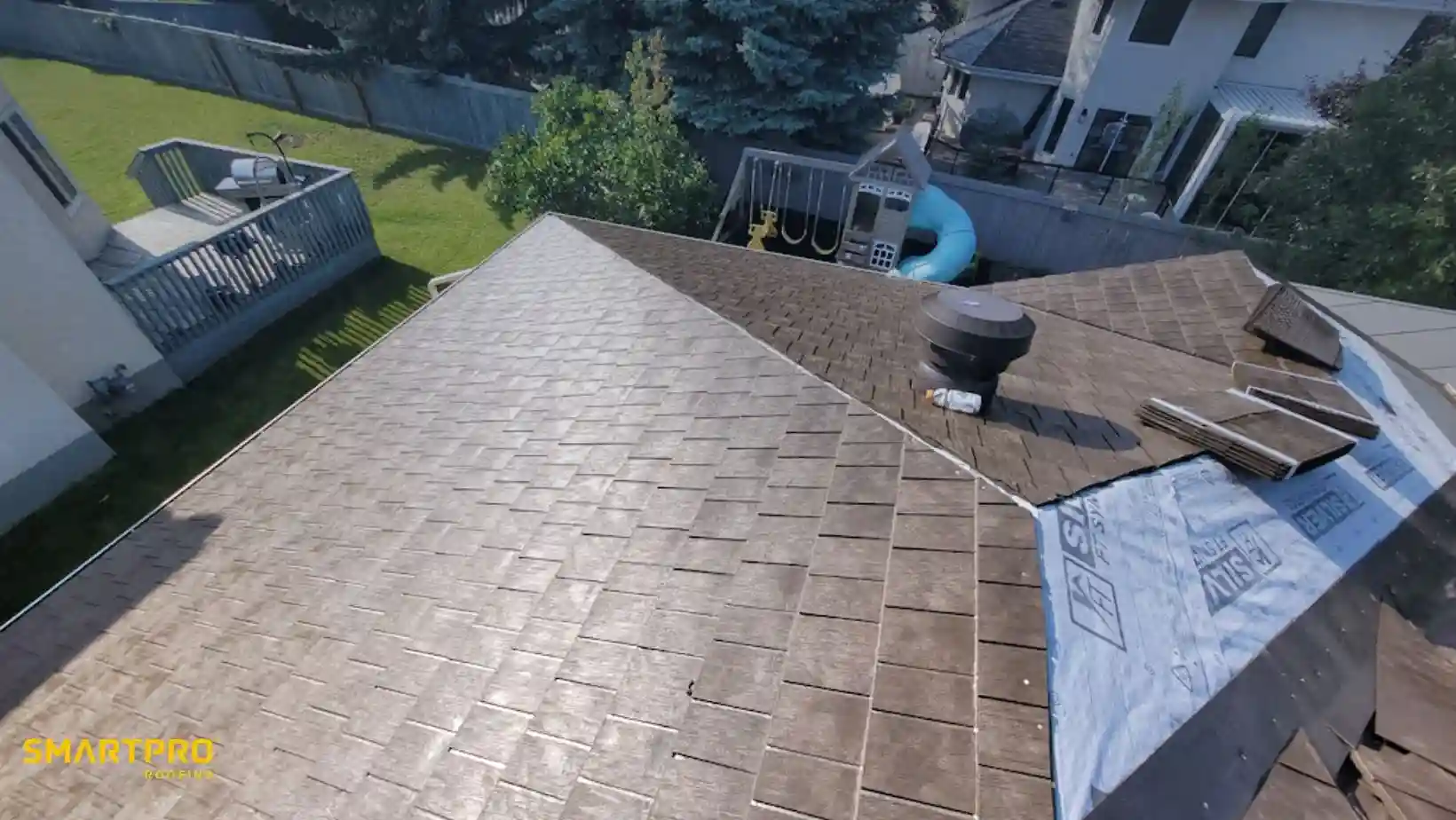
Installing rubber shingles requires proper preparation and attention to detail. First, the existing roof material is removed and the roof deck is inspected for damage or structural issues.
Next, underlayment is installed to provide waterproof protection beneath the shingles. Rubber shingles are then secured using specialized fasteners according to manufacturer specifications.
Proper alignment and spacing are critical to ensure water sheds effectively from the roof. Flashing is installed around penetrations, valleys, and edges to prevent leaks.
Because installation quality directly affects performance and longevity, homeowners should carefully evaluate roofing professionals before starting the project.
Using SmartQuote allows homeowners to review transparent pricing and roofing options entirely online before scheduling installation.
Cost of Rubber Shingle Roofing
Rubber shingles generally cost more upfront than asphalt shingles but less than premium natural slate roofing systems. Average installation costs typically range between $8 and $15 per square foot depending on roof complexity, location, and product quality.
Several factors influence total cost, including roof size, pitch, labor rates, and the type of rubber shingles selected. Complex roof designs with multiple valleys or steep slopes may increase installation expenses.
While the upfront investment may be higher than traditional asphalt, the long lifespan and low maintenance requirements often provide better long-term value.
Homeowners can get exact online pricing for rubber roofing systems through SmartQuote without needing in-home sales appointments.
Maintenance Requirements for Rubber Shingles
One of the strongest advantages of rubber shingles is their low maintenance profile. Routine inspections and occasional cleaning are usually enough to keep the roof performing properly.
Leaves, branches, and debris should be removed periodically to maintain proper drainage. Gutters should also be cleaned regularly to prevent water backup.
If individual shingles become damaged, repairs are often straightforward because sections can be replaced without disturbing large portions of the roof.
Compared to slate or cedar roofing systems, rubber shingles generally require far fewer repairs over their lifespan.
Potential Drawbacks of Rubber Shingles
Although rubber shingles offer many advantages, homeowners should also understand potential drawbacks before making a decision.
The upfront cost can be higher than basic asphalt shingles, which may affect budget-conscious buyers. However, the reduced maintenance and extended lifespan often offset this initial expense.
Some lower-quality rubber products may fade over time if they lack adequate UV protection. Choosing reputable manufacturers and proper installation helps minimize this issue.
Additionally, rubber shingles may not fully replicate the authentic texture and appearance of real slate for homeowners seeking a completely natural look.
Are Rubber Shingles Good for Extreme Weather
Rubber shingles perform particularly well in regions with severe weather. Their flexibility and impact resistance help them withstand hailstorms and high winds without cracking.
Unlike brittle materials, rubber can expand and contract with temperature changes. This reduces stress on the roofing system and helps prevent premature deterioration.
Because they resist moisture penetration effectively, rubber shingles are also less vulnerable to freeze-thaw cycles and water damage.
These qualities make rubber shingles an excellent roofing solution for homeowners in areas with unpredictable climates.
Energy Efficiency and Indoor Comfort
Some rubber shingles are manufactured with reflective surfaces that help reduce heat absorption. This can improve indoor comfort and lower cooling costs during hot weather.
The insulating properties of rubber materials may also contribute to better temperature regulation compared to certain traditional roofing systems.
When paired with proper attic ventilation and insulation, rubber shingles can support improved overall energy efficiency.
Homeowners planning energy-efficient upgrades can use SmartQuote to compare roofing systems and installation costs online.
How Long Do Rubber Shingles Really Last
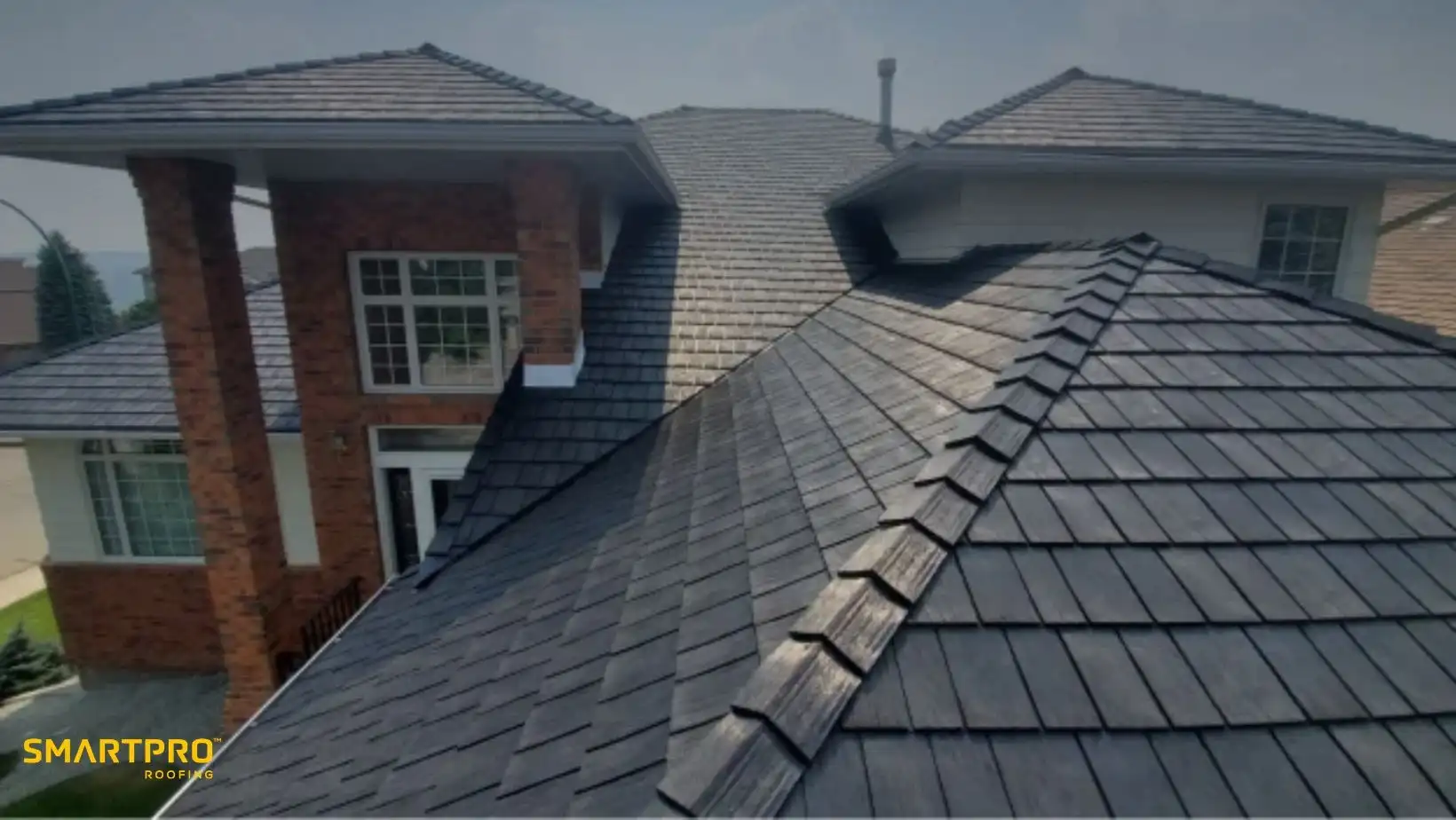
Most rubber shingle systems are designed to last between 30 and 50 years. High-quality products installed correctly may last even longer in moderate climates.
Their resistance to impact damage, moisture, UV exposure, and temperature fluctuations contributes to their long service life.
Routine inspections and basic maintenance help maximize longevity and maintain appearance over time.
Compared to asphalt shingles, which often require replacement within 20 to 30 years, rubber shingles offer significantly longer performance.
Final Thoughts
Rubber shingles provide a compelling combination of durability, appearance, and sustainability. They offer the upscale look of slate or cedar while delivering superior impact resistance and lower maintenance needs.
Although the initial investment may exceed the cost of standard asphalt roofing, the long lifespan and reduced repair requirements make rubber shingles a strong long-term value.
For homeowners seeking a reliable, weather-resistant roofing solution with premium curb appeal, rubber shingles are worth serious consideration.
Key Takeaways
- Rubber shingles are commonly made from recycled rubber materials
- They mimic the appearance of slate and cedar roofing
- Most rubber shingles last between 30 and 50 years
- Rubber roofing offers excellent impact and weather resistance
- Maintenance requirements are lower than many traditional roofing materials
- Rubber shingles are environmentally friendly and energy efficient
- Proper installation is essential for long-term performance
Get Started with Your Roof Today
Ready to see exactly what your new roof will cost and buy it entirely online without the sales pitch? Get your free SmartQuote today in just minutes through SmartPRO Roofing’s online platform.
For a comparison of other roofing materials, see this guide: Steel vs. Aluminum Shingles: Which Material Performs Better?