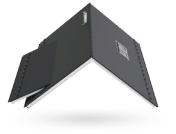



Fiber Cement Shingles are a durable, fire-resistant, and low-maintenance roofing and exterior cladding material made from Portland cement, sand, and cellulose fibers. Designed to replicate the appearance of natural wood or slate, they offer excellent resistance to moisture, pests, rot, and harsh weather conditions. Fiber cement products are widely used by homeowners looking for long-lasting protection with the classic look of wood without the constant upkeep.
What are cement fiber shingles?
Cement fiber shingles are roofing or siding materials made from a combination of cement, sand, and cellulose fibers. They are engineered to imitate the appearance of natural wood shingles or slate while offering greater durability and weather resistance.
What is a fiber cement roof?
A fiber cement roof uses shingles or panels made from fiber cement materials to protect a home from weather damage. These roofing systems are valued for their strength, fire resistance, and ability to withstand moisture and pests.
How long does a fiber cement roof last?
A properly installed fiber cement roof can last between 30 and 50 years or longer with routine maintenance. Lifespan depends on climate, installation quality, and maintenance practices.
What are the disadvantages of fiber cement?
Fiber cement shingles are heavier than some other materials and may require additional structural support. Installation costs can also be higher because cutting and handling the material requires specialized tools and labor.
Homeowners looking for a durable roofing option often want the timeless appearance of wood without the maintenance challenges that come with natural materials. Fiber Cement Shingles provide a strong alternative that combines the beauty of traditional wood shingles with modern durability and weather resistance.
Over the last decade, fiber cement products have become increasingly popular for homes in regions exposed to humidity, storms, fire risk, and temperature fluctuations. Unlike wood, fiber cement does not easily rot, warp, or attract pests. It also delivers a much longer lifespan with less maintenance.
In this guide, we will explore how Fiber Cement Shingles are made, their advantages and disadvantages, installation requirements, maintenance expectations, and long-term costs. Whether you are considering a roof replacement or comparing roofing materials for a new construction project, this article will help you understand if fiber cement is the right choice for your home.
Fiber Cement Durability
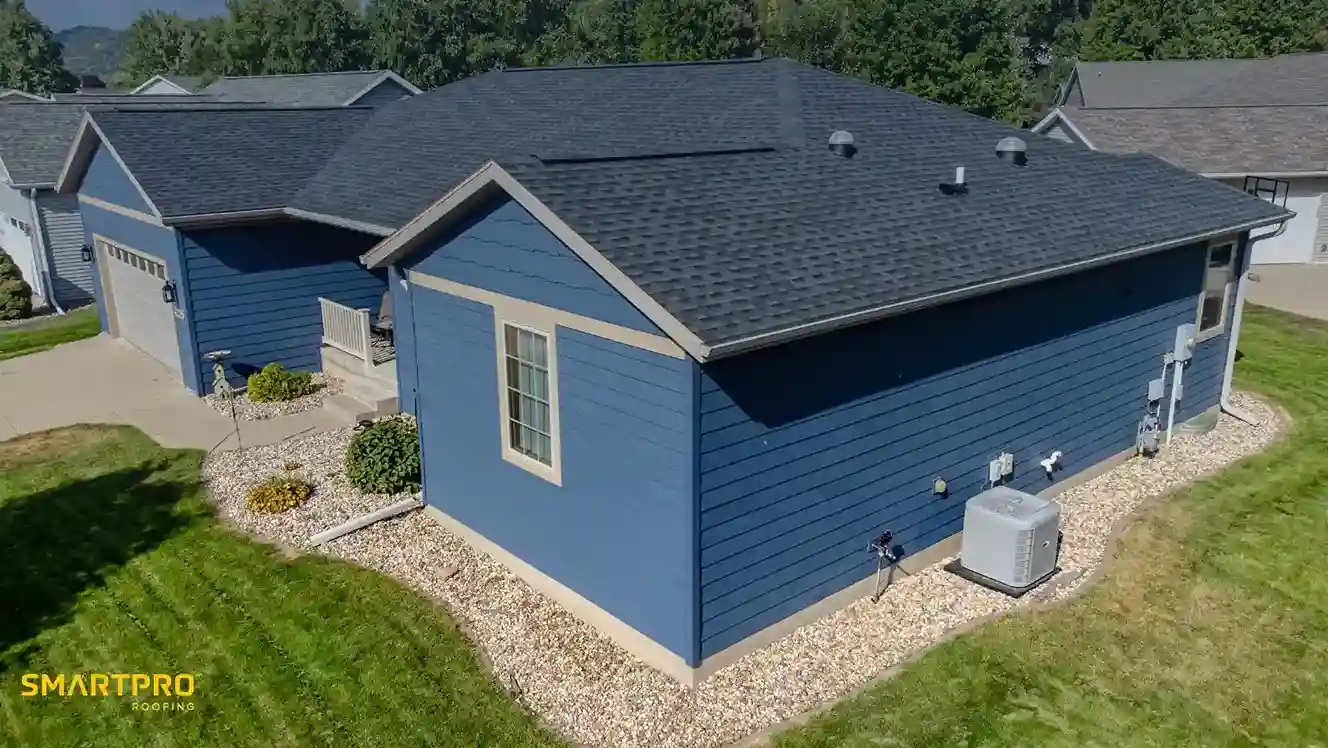
According to the U.S. Department of Energy, durable exterior building materials such as fiber cement can improve long-term building resilience and reduce maintenance demands in harsh climates. Fiber cement products are also recognized for their resistance to moisture and fire exposure.
Learn more from the U.S. Department of Energy here: Energy Saver Building Envelope Guide
What Are Fiber Cement Shingles Made Of?
Fiber Cement Shingles are manufactured using a mixture of Portland cement, sand, water, and cellulose fibers. The cellulose fibers reinforce the material, increasing flexibility and helping prevent cracking during installation and long-term weather exposure.
The production process compresses these ingredients into dense shingles that can imitate wood shake, slate, or traditional shingle textures. Pigments and protective coatings are often added to improve color retention and weather resistance.
Because of their composition, Fiber Cement Shingles resist many of the common problems associated with wood roofing. They do not absorb moisture easily, are less vulnerable to mold growth, and are highly resistant to insects like termites.
Many homeowners exploring roofing options through SmartQuote compare fiber cement products with asphalt, metal, and natural wood to understand long-term value and durability.
Why Homeowners Choose Fiber Cement Shingles
One of the biggest reasons homeowners choose Fiber Cement Shingles is durability. Unlike traditional wood shingles that may crack or rot over time, fiber cement maintains structural integrity for decades.
Another advantage is fire resistance. Many Fiber Cement Shingles carry a Class A fire rating, providing excellent protection in wildfire-prone areas or regions with strict fire safety requirements.
Weather resistance is also a major benefit. Fiber cement products hold up well against rain, humidity, and strong winds. This makes them especially useful in coastal climates and storm-prone regions.
Homeowners who use SmartQuote often discover that while Fiber Cement Shingles may have higher upfront costs than asphalt shingles, their lower maintenance requirements and longer lifespan can provide better long-term value.
How Fiber Cement Shingles Compare to Wood
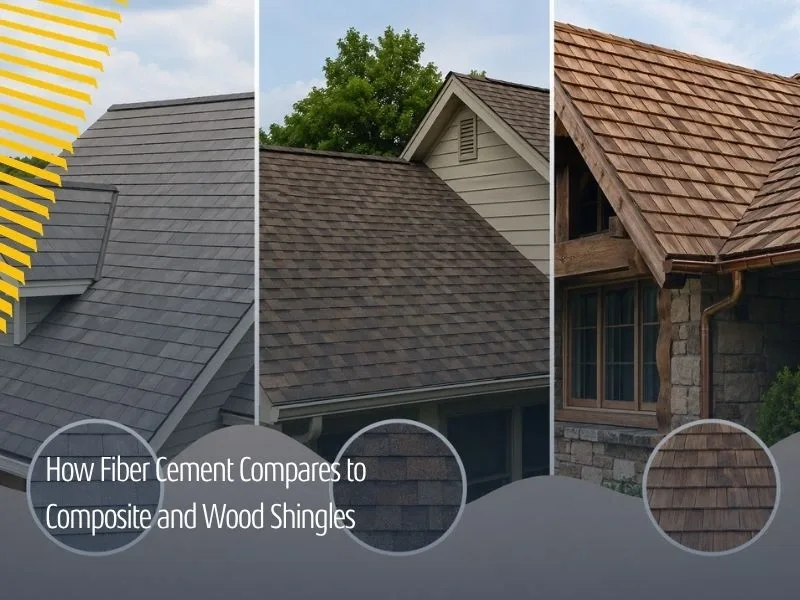
Traditional wood shingles are admired for their natural beauty, but they require frequent maintenance and are vulnerable to moisture, insects, and fire. Fiber Cement Shingles are specifically designed to replicate the look of wood while eliminating many of these weaknesses.
Unlike natural wood, fiber cement does not warp or split as easily during extreme temperature changes. It also resists rot caused by prolonged moisture exposure.
Wood roofs often need sealing, staining, or replacement sections over time. Fiber cement requires far less upkeep, making it appealing for homeowners who want a classic appearance without constant maintenance.
The durability advantage also means fewer repairs over the life of the roof. Homeowners planning a long-term investment often compare costs instantly using SmartQuote before deciding on the best roofing material.
Lifespan and Long-Term Performance
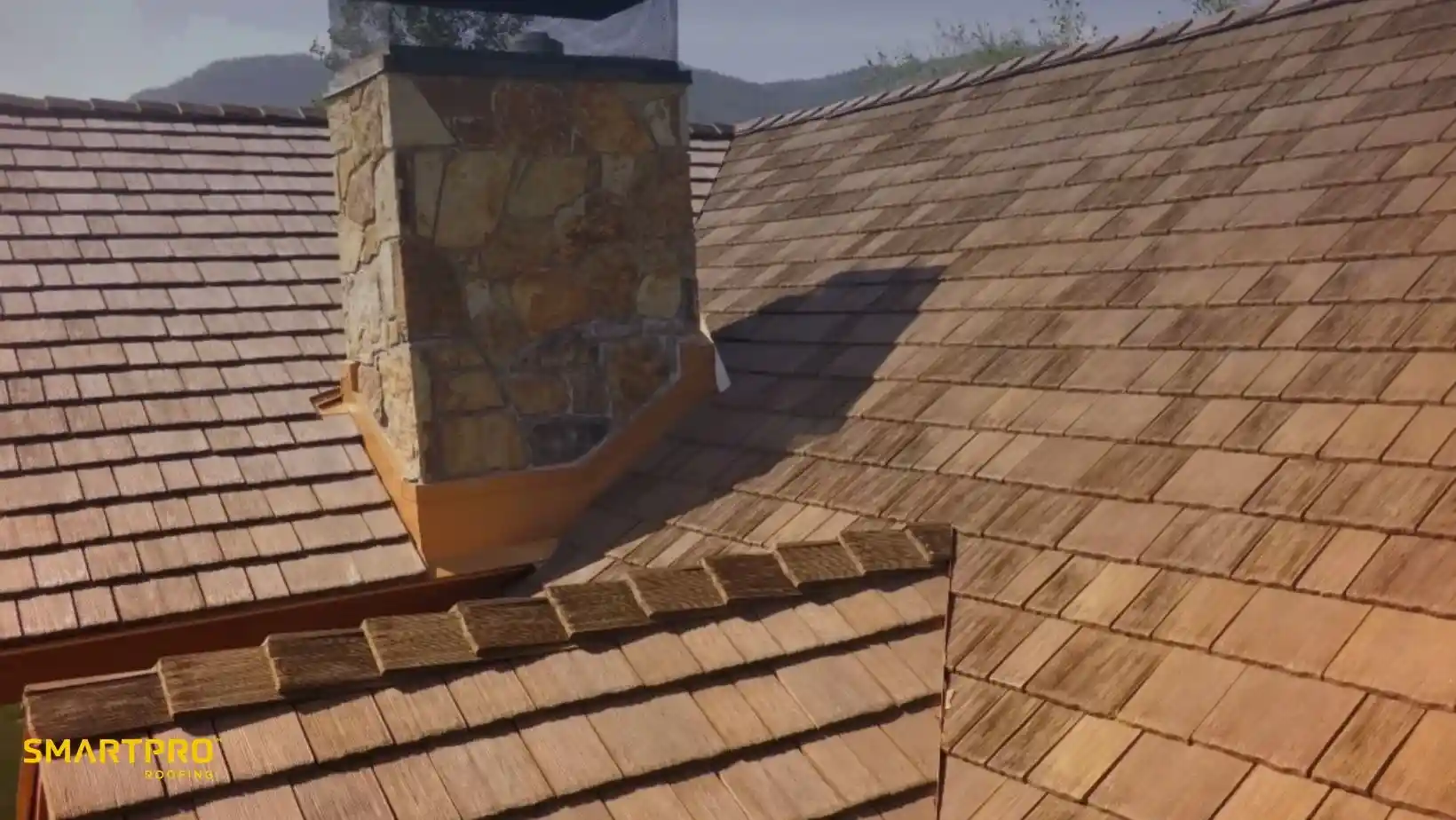
A properly installed Fiber Cement Shingle roof can last 30 to 50 years or more. Lifespan depends on installation quality, local climate conditions, ventilation, and regular maintenance.
Fiber cement performs particularly well in humid climates because it resists moisture damage better than wood. It also handles freeze-thaw cycles more effectively than some traditional roofing materials.
The material’s density contributes to its longevity. It can withstand strong winds, hail, and temperature fluctuations without deteriorating quickly.
Compared to asphalt shingles, which often last 20 to 30 years, Fiber Cement Shingles provide significantly longer service life.
Fire Resistance and Safety Benefits
One of the strongest advantages of Fiber Cement Shingles is fire resistance. Because the material contains cement and sand, it is naturally non-combustible.
Many products carry a Class A fire rating, the highest available for roofing materials. This level of protection can improve home safety and may even contribute to lower insurance premiums in some regions.
Unlike untreated wood shingles, fiber cement does not ignite easily from embers or external flames. This makes it particularly valuable in wildfire-prone areas.
For homeowners prioritizing both appearance and safety, Fiber Cement Shingles offer a strong balance of aesthetics and protection.
Energy Efficiency and Weather Protection
Fiber cement materials provide excellent weather protection due to their density and resistance to moisture infiltration. Properly installed shingles help shield homes from heavy rain, wind-driven storms, and humidity.
Some Fiber Cement Shingles also improve energy efficiency by reducing heat transfer into the home. Their thermal stability helps maintain indoor comfort during temperature fluctuations.
When combined with proper insulation and ventilation, fiber cement roofing systems can contribute to lower heating and cooling demands over time.
Homeowners considering energy-efficient roof upgrades can explore pricing and product comparisons directly through SmartQuote without scheduling in-person consultations.
Installation Process for Fiber Cement Shingles
Installing Fiber Cement Shingles requires precision and specialized tools. Because the material is heavier and denser than asphalt shingles, proper handling is essential.
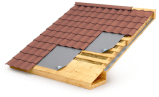
The installation process typically begins with removing the old roofing material and inspecting the roof deck. Underlayment is then applied to create a moisture barrier before the shingles are installed.
Contractors use specialized cutting tools designed for fiber cement materials. Proper fastening techniques are critical to prevent cracking or movement over time.
Due to the weight of Fiber Cement Shingles, some homes may require structural evaluation before installation. This ensures the framing can support the additional load safely.
Homeowners using SmartQuote can compare roofing project estimates instantly and understand how installation complexity affects overall pricing.
Maintenance Requirements
Fiber Cement Shingles require far less maintenance than natural wood roofing, but periodic inspections are still important.
Homeowners should check for cracked shingles, flashing damage, or debris accumulation after severe weather events. Cleaning moss or algae growth may also be necessary in humid regions.
Unlike wood roofs, Fiber Cement Shingles do not require regular sealing or staining. Their coatings are designed to resist fading and moisture penetration over long periods.
Routine maintenance helps maximize lifespan and maintain the roof’s appearance for decades.
Cost of Fiber Cement Shingles
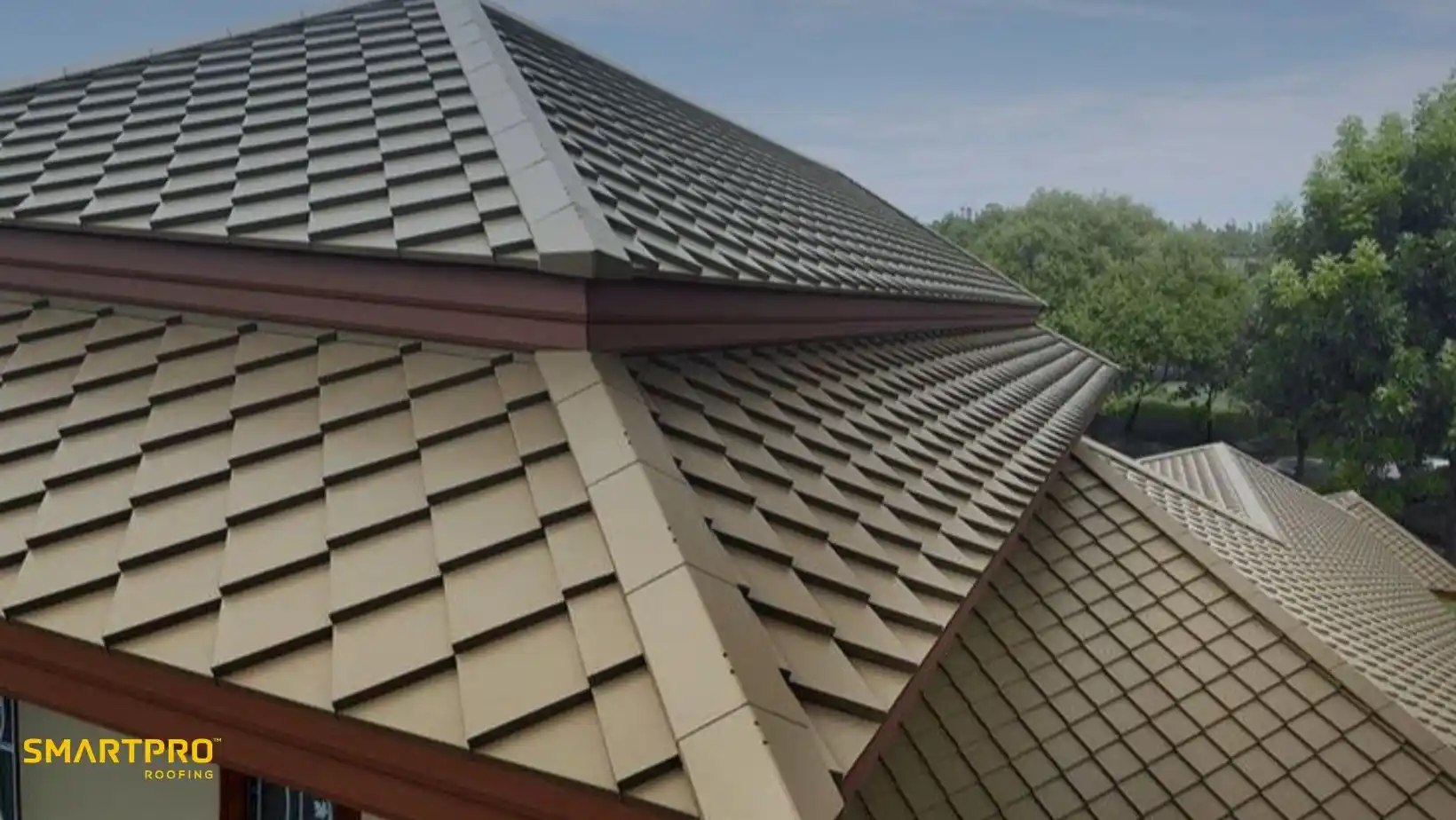
Fiber Cement Shingles typically cost more than asphalt shingles but less than premium materials like natural slate. Average installed costs often range between $8 and $15 per square foot depending on roof complexity and local labor rates.
Factors influencing cost include roof size, roof pitch, structural reinforcement requirements, and the style of shingles selected.
While the upfront investment may be higher, many homeowners find that reduced maintenance costs and longer lifespan offset the initial expense.
Getting accurate pricing can be difficult through rough estimates alone. Using SmartQuote allows homeowners to receive exact online pricing for Fiber Cement Shingles in minutes.
Potential Drawbacks of Fiber Cement Shingles
Although Fiber Cement Shingles provide many benefits, there are a few limitations to consider.
The material is heavier than asphalt shingles, which may require additional structural support for some homes. Installation is also more labor-intensive, increasing upfront costs.
Cutting fiber cement products creates dust that requires proper safety precautions during installation. Professional installation is highly recommended to ensure proper handling and long-term performance.
Despite these drawbacks, many homeowners still choose Fiber Cement Shingles because of their durability and reduced maintenance requirements.
Fiber Cement Shingles vs Other Roofing Materials
Compared to asphalt shingles, Fiber Cement Shingles offer greater durability, fire resistance, and lifespan. Asphalt roofs are generally cheaper upfront but require replacement sooner.
Compared to natural wood, fiber cement provides a similar appearance with far better resistance to moisture, pests, and fire.
Compared to metal roofing, Fiber Cement Shingles offer a more traditional architectural appearance while still delivering excellent weather resistance.
Every roofing material has trade-offs, but Fiber Cement Shingles stand out for homeowners seeking durability and aesthetics together.
Are Fiber Cement Shingles Right for Your Home?
Fiber Cement Shingles are an excellent choice for homeowners who want a long-lasting roof with the appearance of natural wood or slate. They perform especially well in humid climates, coastal areas, and regions exposed to storms or wildfire risk.
They are also ideal for homeowners who prefer low maintenance roofing materials that can withstand decades of weather exposure.
Before making a final decision, it is important to compare structural requirements, installation costs, and long-term value. Homeowners can use SmartQuote to compare roofing options instantly and plan projects with transparent online pricing.
Final Thoughts
Fiber Cement Shingles provide a durable and attractive alternative to traditional wood roofing. Their combination of weather resistance, fire protection, and low maintenance makes them one of the most practical long-term roofing investments available today.
Although installation costs may be higher than asphalt shingles, the extended lifespan and reduced maintenance needs often justify the investment. For homeowners seeking durability with classic curb appeal, Fiber Cement Shingles offer a strong balance of performance and aesthetics.
Key Takeaways
- Fiber Cement Shingles are made from cement, sand, and cellulose fibers
- They replicate the appearance of wood or slate with greater durability
- Lifespan typically ranges from 30 to 50 years or longer
- Fiber cement products resist moisture, fire, pests, and rot
- Installation requires specialized tools and experienced professionals
- Maintenance needs are lower than natural wood roofing
- Fiber Cement Shingles perform well in humid and storm-prone climates
Get Started with Your Roof Today
Ready to see exactly what your new roof will cost and buy it entirely online without the sales pitch? Get your free SmartQuote today in just minutes through SmartPRO Roofing’s online platform.
Related Reading: Concrete Shingles 101: Benefits, Costs, and Installation Guide