


Both steel and aluminum are excellent, long-lasting roofing materials, but neither is universally better. The right choice depends on your environment and priorities. Aluminum performs better in coastal, high-humidity, or rainy regions because it naturally resists corrosion. Steel performs better in inland or hail-prone areas because it offers higher impact resistance at a lower upfront cost.
Is an aluminum roof better than steel?
An aluminum roof is better in environments where moisture and salt exposure are constant. It resists corrosion without relying on protective coatings, making it ideal for coastal regions. Steel can be just as durable in dry or inland areas when properly coated.
Which one is better, steel or aluminium?
Neither material is objectively better in all situations. Steel is stronger and typically more affordable, while aluminum is lighter and corrosion-resistant. Climate and long-term performance expectations matter more than the material alone.
Is aluminum better than shingles?
Aluminum roofing outperforms traditional asphalt shingles in lifespan, weather resistance, and maintenance. It lasts significantly longer and performs better in extreme conditions, but it costs more upfront.
What are the disadvantages of aluminum roofing?
Aluminum is more expensive than steel, dents more easily from hail or foot traffic, and may require thicker panels to improve impact resistance. These factors can increase overall project cost.
Choosing between steel vs. aluminum shingles is one of the most common decisions homeowners face when considering a metal roof. Both materials offer long lifespans, strong weather resistance, and modern aesthetics, yet they behave very differently depending on climate, installation, and long-term exposure.
This guide breaks down how steel and aluminum shingles compare across performance, durability, cost, climate suitability, and maintenance. By the end, you will understand which roofing material is better suited for your home, your environment, and your budget, and how tools like SmartQuote can help you compare options with transparent pricing.
Expert Insight on Metal Roofing Performance
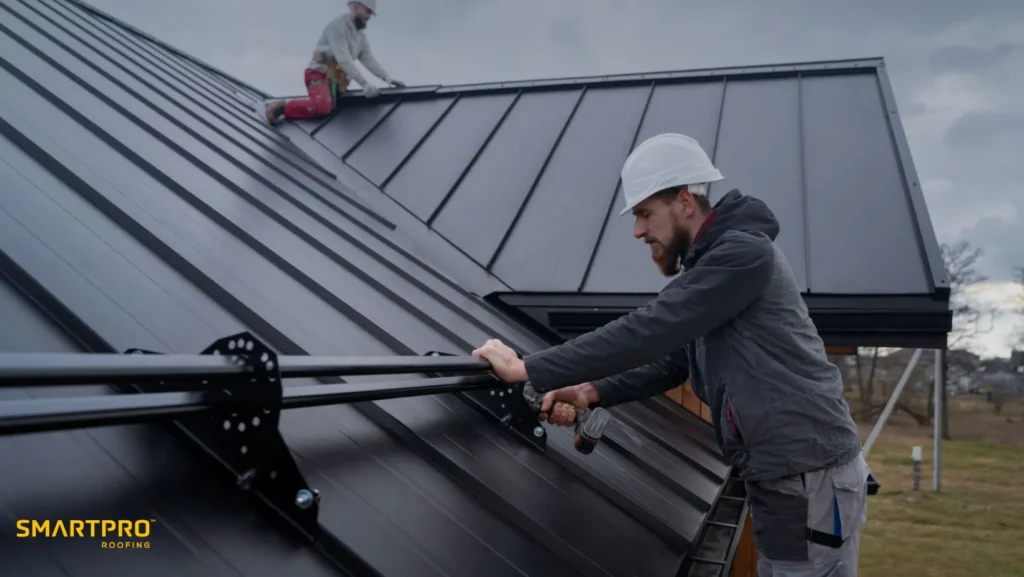
According to the U.S. Department of Energy, metal roofing materials such as steel and aluminum can last 40 to 70 years and significantly reduce heat gain when properly installed, improving overall building performance and energy efficiency.
Understanding Steel and Aluminum Roofing Shingles
Steel and aluminum shingles are engineered metal roofing products designed to mimic the appearance of traditional shingles while delivering superior performance. Both are installed as overlapping panels and are compatible with standard residential roof systems.
Steel shingles are typically made from galvanized or galvalume steel, which relies on protective coatings to prevent corrosion. Aluminum shingles are made from non-ferrous metal that does not rust, even when exposed to moisture or salt air.
Although they look similar once installed, the underlying material properties create meaningful differences in how each roof performs over decades.
Steel vs. Aluminum Shingles Performance Overview
When comparing steel vs. aluminum shingles, performance depends on how each material responds to impact, moisture, and temperature changes.
Steel is stronger and harder, making it more resistant to hail and debris impacts. Aluminum is softer but naturally corrosion-resistant, which allows it to perform exceptionally well in wet environments.
Both materials handle wind, fire, and UV exposure far better than traditional asphalt shingles, but their strengths shine in different conditions.
Durability and Lifespan Comparison
Steel shingles are known for structural strength and long-term durability when coatings remain intact. In inland or dry climates, steel roofs often last 40 to 60 years with minimal issues.
Aluminum shingles also last 40 to 60 years, but their durability advantage comes from corrosion resistance rather than hardness. Even if surface coatings wear down, aluminum will not rust, which gives it a significant advantage in coastal and humid regions.
In short, steel lasts longer where corrosion is minimal, while aluminum lasts longer where moisture is unavoidable.
Corrosion Resistance and Coastal Performance
Corrosion is the single biggest factor separating steel vs. aluminum shingles.
Aluminum naturally forms an oxide layer that protects it from rust, making it the preferred choice for coastal homes, barrier islands, and regions with heavy rainfall or salt exposure.
Steel relies on zinc or aluminum-zinc coatings to prevent corrosion. Once those coatings are damaged or wear down, steel can rust, especially in humid or salty air.
For homeowners near oceans, bays, or lakes, aluminum almost always outperforms steel over time.
Impact Resistance and Hail Performance
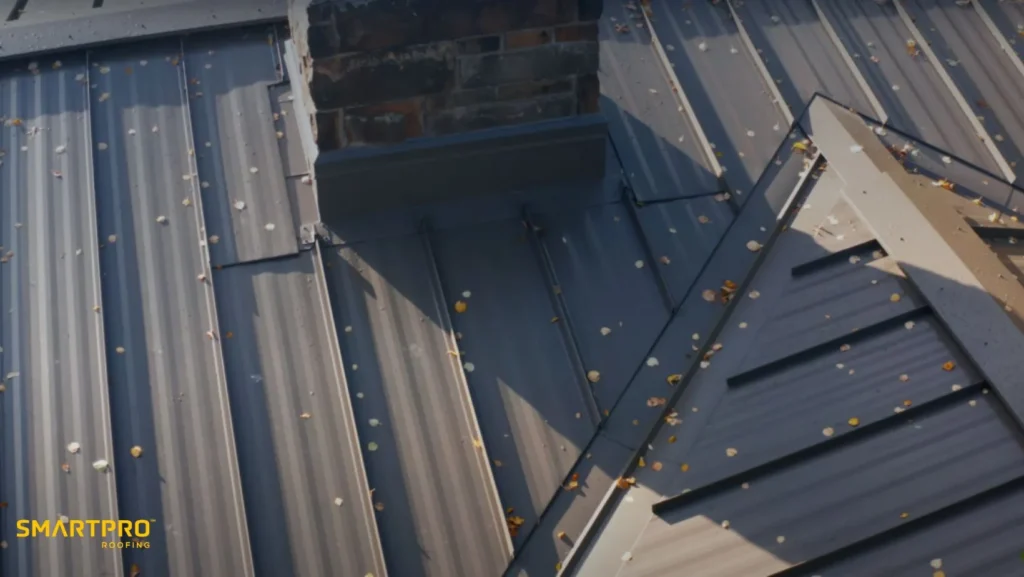
Steel shingles outperform aluminum when it comes to impact resistance. Their hardness allows them to withstand hail, falling branches, and foot traffic with less visible damage.
Aluminum shingles are more prone to denting, particularly during severe hailstorms. While dents do not typically compromise waterproofing, they can affect appearance.
In hail-prone inland regions, steel is often the more practical and resilient choice.
Weight and Structural Considerations
Aluminum shingles are significantly lighter than steel shingles. This makes them easier to handle during installation and ideal for homes with older roof structures or weight limitations.
Steel shingles are heavier but still much lighter than concrete or tile roofing. Most homes can support steel without reinforcement, but aluminum offers added flexibility for retrofits.
Weight differences rarely affect performance, but they can influence installation complexity and labor costs.
Cost Differences Between Steel and Aluminum Shingles
Cost is one of the most noticeable differences when comparing steel vs. aluminum shingles.
Steel shingles generally cost less upfront due to lower raw material prices and widespread availability. Aluminum shingles cost more per square but may reduce long-term maintenance expenses in corrosive environments.
Using SmartQuote allows homeowners to compare steel and aluminum roofing prices instantly and see how material choice affects the total project cost.
Maintenance Requirements Over Time
Steel shingles require periodic inspection to ensure protective coatings remain intact. Any exposed areas should be addressed promptly to prevent rust.
Aluminum shingles require less maintenance because they do not rust. Routine inspections and debris removal are typically sufficient to maintain performance.
Over decades, aluminum often requires fewer repairs, especially in humid climates.
Energy Efficiency and Reflectivity
Both steel and aluminum shingles can be highly energy-efficient when finished with reflective coatings. These coatings reduce heat absorption and help stabilize indoor temperatures.
Aluminum naturally reflects radiant heat slightly better than steel, but the difference is minimal when both materials use modern finishes.
Energy efficiency depends more on coating quality, color, insulation, and ventilation than on whether the roof is steel or aluminum.
Noise and Comfort Considerations
Properly installed steel and aluminum shingles are quiet. When installed over solid decking with underlayment, they produce no more noise than asphalt shingles during rain.
Noise concerns are often linked to exposed fastener metal roofs, not shingle-style systems.
Comfort levels between steel and aluminum are effectively identical when installation is done correctly.
Environmental Impact and Sustainability
Both steel and aluminum shingles are environmentally responsible roofing choices.
Steel is one of the most recycled materials in the world, and aluminum is infinitely recyclable without degrading quality. Both materials reduce landfill waste when replacing asphalt shingles.
Aluminum requires more energy to produce initially, but its corrosion resistance can offset environmental impact through longer service life in harsh climates.
Appearance and Design Options
Steel and aluminum shingles are available in a wide range of colors, textures, and profiles. Both can replicate the look of slate, wood shake, or architectural shingles.
Finish longevity depends more on coating quality than base material. High-quality finishes perform equally well on steel and aluminum.
From the curb, most homeowners cannot visually distinguish between the two.
Installation Differences and Labor Factors
Installation methods for steel and aluminum shingles are similar, but aluminum’s lighter weight can make handling easier and slightly reduce labor strain.
Steel’s rigidity can make alignment easier during installation, especially on complex roof shapes.
Installation quality matters more than material choice, which is why accurate planning tools like SmartQuote are valuable early in the process.
Which Material Is Best for Your Climate?
Climate is the most important factor when deciding between steel vs. aluminum shingles.
Aluminum is best for coastal, high-humidity, and rainy regions where corrosion risk is high.
Steel is best for inland, dry, or hail-prone areas where impact resistance and affordability matter more.
Matching material to environment ensures maximum lifespan and value.
Steel vs. Aluminum Shingles for Long-Term Value
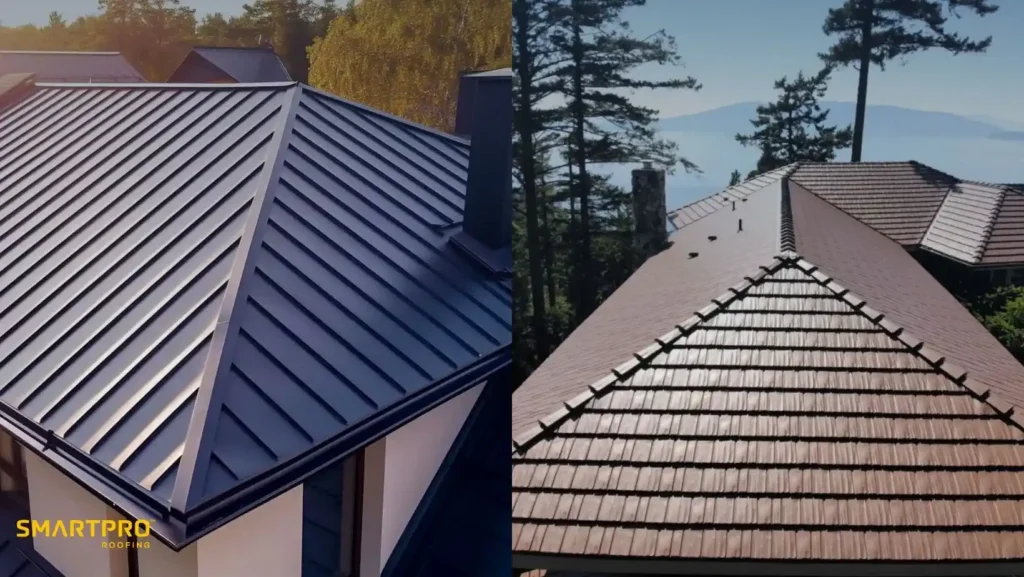
Long-term value is not just about upfront cost. It includes maintenance, repairs, lifespan, and performance under stress.
Steel offers strong value where corrosion risk is low and hail resistance is important.
Aluminum offers superior value where moisture would shorten the life of steel.
Making the Right Decision for Your Home
The best roofing choice is the one that aligns with your climate, budget, and long-term goals.
Steel and aluminum shingles both outperform traditional roofing materials, but they excel in different environments.
Understanding those differences empowers homeowners to make confident, informed decisions without relying on guesswork.
Key Takeaways
- Steel and aluminum shingles are both durable, long-lasting roofing materials
- Aluminum performs best in coastal and humid environments due to corrosion resistance
- Steel performs best in inland and hail-prone areas due to strength and affordability
- Aluminum costs more upfront but may reduce long-term maintenance
- Steel offers excellent impact resistance and wide availability
- Climate should guide material choice more than appearance
Get Started with Your Roof Today
Ready to see exactly what your new roof will cost and compare steel vs. aluminum shingles without the sales pitch? Get your free SmartQuote today!
Related Reading: