




Before choosing a tile roof, Florida homeowners should understand that warranties may have shorter non-prorated periods, stricter installation requirements to meet local codes, and typically exclude storm-related damage, which is usually handled by insurance. It is crucial to read the fine print, confirm the warranty covers both materials and workmanship, and ensure installation follows all Florida building codes to avoid voiding the warranty.
What is the warranty on a roof in Florida?
Warranties for roofs in Florida vary depending on materials and who issues them. For tile roofs, the manufacturer may offer material warranties (often 30 to 50 years), but coverage for underlayment or labor may be separate or limited. Workmanship warranties from the installer may only cover installation defects for a few years. Insurance for storm damage is handled separately.
What to consider before getting a new roof?
Before installing a new roof, you should check if the warranty covers both tiles and underlayment, verify that installation meets Florida building codes, confirm whether workmanship is warranty-backed, and consider whether your home is in a coastal or hurricane-prone zone, where storm and wind damage exclusions are common.
What is the 25% Reroofing rule in Florida?
Under Florida’s building code, not more than 25 percent of a roof’s total area (or a roof section) can be repaired, replaced, or recovered in any 12-month period, unless the entire roofing system or section is replaced.
How often do tile roofs need to be replaced in Florida?
With proper installation and maintenance, tile roofs in Florida can last between 50 and 100 years. However, underlayment and other components under the tiles may require repair or replacement every 20-30 years depending on wear and exposure.
According to research from the Florida Building Code commission and oversights under F.S. 553.844, strict compliance with code and proper permitting are essential to maintain valid warranty coverage, especially when repairs or partial replacements are involved.
One roofing industry consultant summarizes:
“If more than 25 percent of the roof area needs replacement and the structure was built before the 2007 code, the entire roof section must be redone under current code, failure to do so can void warranties.”
This underlines why it is critical for homeowners to ensure installation and any repairs follow Florida’s building code requirements.
Why Tile Roof Warranties Are Different for Florida Homes
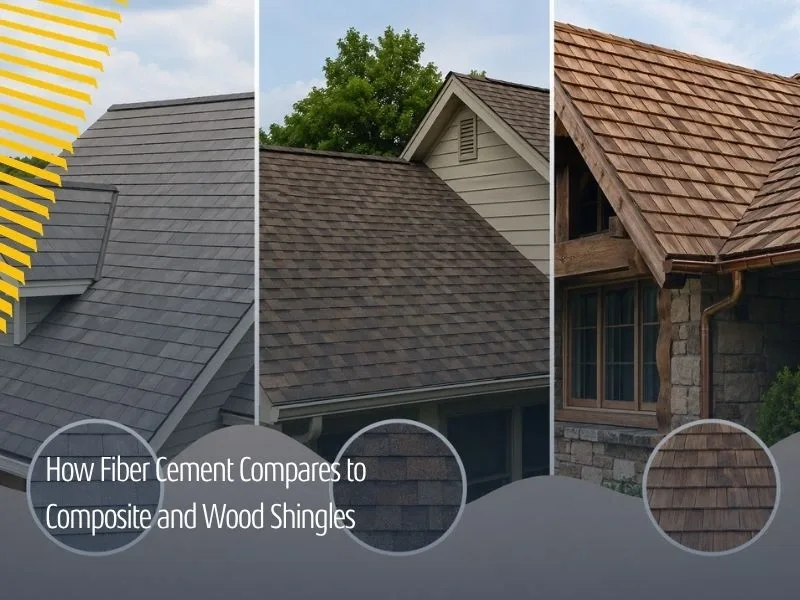
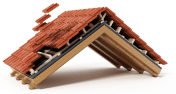
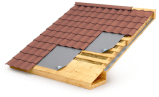
Tile roofs are popular in Florida thanks to their ability to resist heat, UV exposure, and salt air. But even high-quality tile roofs rely on underlayment, flashing, and proper installation to perform well. Because these systems are more complex than a simple shingle roof, warranties often separate coverage between tiles, underlayment, and workmanship.
In many cases, the tile manufacturer warranty (for example concrete or clay tile) may guarantee the tiles against manufacturing defects for 30-50 years. But components under the tile, like waterproof underlayment or flashing, may only have 10-30 years of coverage.
If installation is not done correctly, or if local building code requirements are not followed, the warranty may be voided. That’s why for Florida homeowners, a tile roof warranty should be evaluated carefully, considering all parts of the roofing system and how it’s installed.
What Does a Typical Tile Roof Warranty Cover, and What It Often Excludes
What a tile warranty usually covers:
- Manufacturing defects in tiles (e.g. cracking, color fade, structural issues)
- Defects under controlled conditions (e.g. wind-rated tiles may have limited wind/hail protection)
- Sometimes workmanship or installation issues, but only if installed by certified contractors and registered properly
What warranties typically exclude:
- Damage from storms, hurricanes, or high winds (these are handled by homeowner insurance)
- Issues caused by improper installation, incorrect flashing, or unauthorized repairs/walking on tiles
- Water intrusion caused by underlayment failure (since underlayment warranty is often separate)
Because many of these excluded events (like wind or hail damage) are likely in Florida’s climate, homeowners need to rely on insurance for storm-related issues, not the roof warranty.
How Florida’s 25% Reroofing Rule Affects Warranty Compliance

Under the Florida Building Code, there is a “25% rule”, meaning you cannot repair or replace more than 25 percent of your roof’s total area within a 12-month period unless you fully reroof the roof section.
If your home was built or reroofed under a permit after March 1, 2009 (following the 2007 code), partial repairs may be allowed under certain conditions.
For warranties, this code requirement matters: failing to follow the rule may void not just permits but also affect warranty validity. Homeowners should confirm any repair or partial replacement is properly permitted and code-compliant before trusting warranty coverage.
How Longevity and Maintenance Affect Tile Roof Warranty Value
Tile roofs are prized for their long lifespan, many lasting 50 to 100 years with proper maintenance. High-quality concrete or clay tiles resist Florida’s sun, humidity, and salt air better than asphalt shingles, which deteriorate quickly under these conditions.
However, longevity depends heavily on underlayment maintenance. The underlayment is often the first part of a tile roof to degrade, often needing replacement after 20-30 years.
Regular inspections are essential. Homeowners should check for cracked tiles, damaged flashing, algae or moss, and ensure proper drainage. Timely maintenance can help avoid leaks and preserve the warranty’s validity.
What to Ask Before Accepting a Tile Roof Warranty
Before you commit to a tile roof, make sure to ask your contractor and supplier about:
- The length of the tile manufacturer’s warranty (typically 30-50 years) and what exactly it covers.
- Whether underlayment, flashing, and workmanship are covered, and for how long.
- Whether installation will comply with Florida Building Code, including permit and inspection requirements (especially if partial roof replacement is planned).
- What events are excluded from the warranty (storm damage, wind, hail, negligence).
- Maintenance requirements (cleaning, inspections, algae removal) needed to keep the warranty valid.
Being clear on these points before installing helps avoid unexpected costs and protects your investment.
When Warranty Meets Reality, What Happens After a Storm
Because warranties rarely cover storm damage, homeowners rely on insurance for repair or replacement after hurricanes, hail, or wind storms. Even with a valid tile roof warranty, storm damage often isn’t covered under materials warranty.
If you live in a hurricane-prone area in Florida, expect that warranty won’t help after a major event. Instead, inspect your roof carefully after storms, document damage (photos, date, extent), and file a homeowner’s insurance claim promptly.
Partial repairs after storm damage must follow the 25 % rule (or full reroofing may be required), so professional contractors familiar with Florida code are essential for compliance.
How Tile Roof Warranties Compare to Other Roofing Materials
Tile roofs often come with longer material warranties than asphalt shingles. While high-quality shingles may promise 25-40 years, many tile systems offer warranties up to 50 years.
But unlike a metal or shingle roof, tile warranties are more complex: they involve multiple layers (tiles, underlayment, flashing, workmanship), each with potentially different coverage. This added complexity makes it more important for homeowners to read all warranty documents carefully before installing.
Tips to Maximize Your Tile Roof Warranty Value
- Use licensed and certified roofing contractors who follow Florida Building Code.
- Register your roof with the tile manufacturer and keep warranty documentation.
- Maintain your roof regularly: inspect tiles, clean debris, replace broken tiles promptly, and keep gutters clear.
- After major storms, have a professional inspection to document damage.
- If doing repairs or reroofing, ensure compliance with the 25 % rule or complete reroofing as required.
Key Takeaways
- Tile roof warranties in Florida typically cover tile defects but often exclude storm-related damage.
- Warranties may offer long coverage for tiles (30-50 years) but shorter for underlayment and workmanship.
- Florida law’s 25 % reroofing rule affects repairs, partial roof repairs can void permits and impact warranty coverage.
- Proper installation, maintenance, and adherence to building codes are essential for warranty validity.
- Even tile roofs need inspections, upkeep, and occasional underlayment replacement to achieve full lifespan.
- Warranty alone doesn’t protect against hurricanes or wind damage, homeowner insurance remains critical.
Get Your SmartQuote for a Tile Roof Today
If you’re ready to explore tile roof options for your Florida home and want transparent pricing, including materials, underlayment, and installation, get a free SmartQuote now. SmartQuote helps you compare roof costs online instantly and shows the full breakdown so you can make an informed decision before signing a contract. Get your SmartQuote
Related Reading: