



Clay shingles, often called clay roof tiles, are a durable and environmentally friendly roofing material made from natural clay that is molded and baked in a kiln. They are a popular high end choice known for their longevity, frequently lasting 50 to 100 years, and their ability to provide superior heat insulation and weather resistance. Clay shingles are especially well suited for Mediterranean, Spanish, and Southwestern architectural styles and are valued for their timeless appearance and long roof life.
What are clay shingles?
Clay shingles are roofing tiles made from natural clay that is shaped and fired at high temperatures in a kiln. This process creates a hard, dense material that resists heat, moisture, and weather damage. Clay shingles are commonly used on sloped roofs and are known for their curved or flat tile shapes.
Are clay shingles expensive?
Clay shingles are generally more expensive than asphalt shingles. The upfront material and installation costs are higher. However, they often last much longer, which can reduce long term roof replacement expenses.
What are the benefits of a clay roof?
A clay roof offers exceptional durability, fire resistance, and energy efficiency. Clay shingles help regulate indoor temperatures and can last 50 to 100 years with proper installation and maintenance.
Can shingles be made of clay?
Yes. Shingles can be made of clay, concrete, asphalt, wood, and other materials. Clay shingles are formed from natural clay and baked to create strong, long lasting roof tiles suitable for various climates.
If you are researching premium roofing materials, clay shingle systems are likely on your shortlist. Known for their distinctive appearance and impressive lifespan, clay shingles are one of the most durable roofing options available. From coastal homes to desert climates, this roof material has proven itself over centuries.
In this guide, we will explore the benefits, costs, installation process, and long term value of a clay shingle roof. Whether you are planning a full roof replacement or comparing roof material options, understanding clay shingles will help you make a confident decision.
What Is a Clay Shingle Roof?
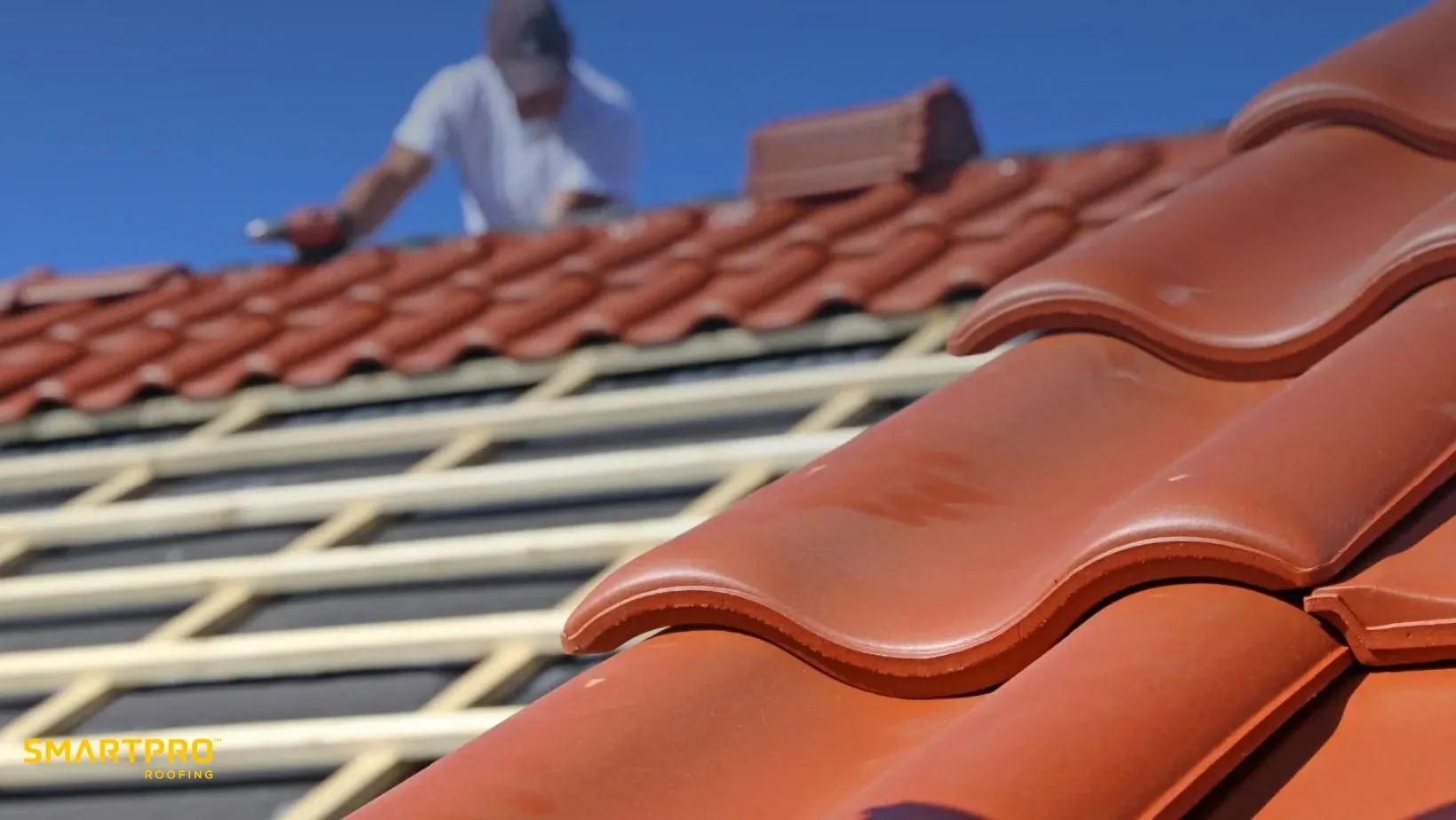
A clay shingle roof is built using tiles made from natural clay that is molded and fired in a kiln. Once baked, the clay becomes extremely hard and resistant to the elements. The roof tiles are then installed in overlapping rows to create a protective roof surface.
Clay shingles are often associated with Mediterranean, Spanish, and Southwestern architecture. Their curved profiles and earthy tones give a distinctive look that enhances curb appeal.
Because clay is a natural material, it is also environmentally friendly. Many homeowners choose clay shingles not only for their appearance but also for their sustainable qualities and long roof life.
According to the U.S. Department of Energy, tile roofs including clay tiles can significantly reduce heat transfer into homes and improve overall energy performance in hot climates. The Department notes that reflective and thermal mass properties of tile roofing help lower cooling loads.
Source: U.S. Department of Energy Energy Saver Guide
Key Benefits of Clay Shingles
One of the primary benefits of clay shingles is durability. A properly installed clay shingle roof can last 50 to 100 years. This far exceeds the lifespan of many other roofing materials.
Clay shingles are naturally resistant to fire, rot, and insect damage. They perform exceptionally well in areas prone to high heat, heavy sun exposure, and even salt air.
Another benefit is energy efficiency. Clay shingles provide natural insulation. Their thermal mass helps regulate temperature, keeping homes cooler in the summer and warmer in the winter. This can help reduce energy costs over time.
How Long Do Clay Shingles Last?
Longevity is one of the strongest selling points of clay shingles. Many clay shingle roofs remain functional for decades with minimal roof repair.
While asphalt shingles may require replacement every 20 to 30 years, clay shingles often outlast multiple roof cycles. This makes them an appealing choice for homeowners planning to stay long term.
Proper installation and occasional roof maintenance are essential. Broken tiles should be replaced promptly to protect the underlying roof structure.
Are Clay Shingles Worth the Cost?
Clay shingles are typically more expensive than asphalt roof options. The initial cost includes both premium materials and specialized installation.
However, when evaluating total lifetime value, clay shingles often prove cost effective. The long lifespan reduces the need for frequent roof replacement. Energy savings and lower maintenance costs also contribute to long term value.
Homeowners can use SmartQuote to compare roof replacement options and see exactly what a clay shingle roof will cost based on roof size and material selection.
Clay Shingle Installation Guide
Installing clay shingles requires experience and proper structural preparation. Because clay roof tiles are heavier than asphalt shingles, the roof structure must be evaluated to ensure it can support the added weight.
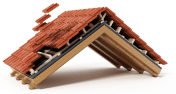
The installation process begins with a waterproof underlayment. Battens or direct fastening systems are used to secure each clay shingle in place. Tiles are carefully aligned to maintain proper drainage and roof performance.
Hiring a skilled roofing contractor is essential. Improper installation can lead to cracked tiles or water intrusion. With professional installation, a clay shingle roof can provide decades of reliable protection.
Climate Performance and Weather Resistance
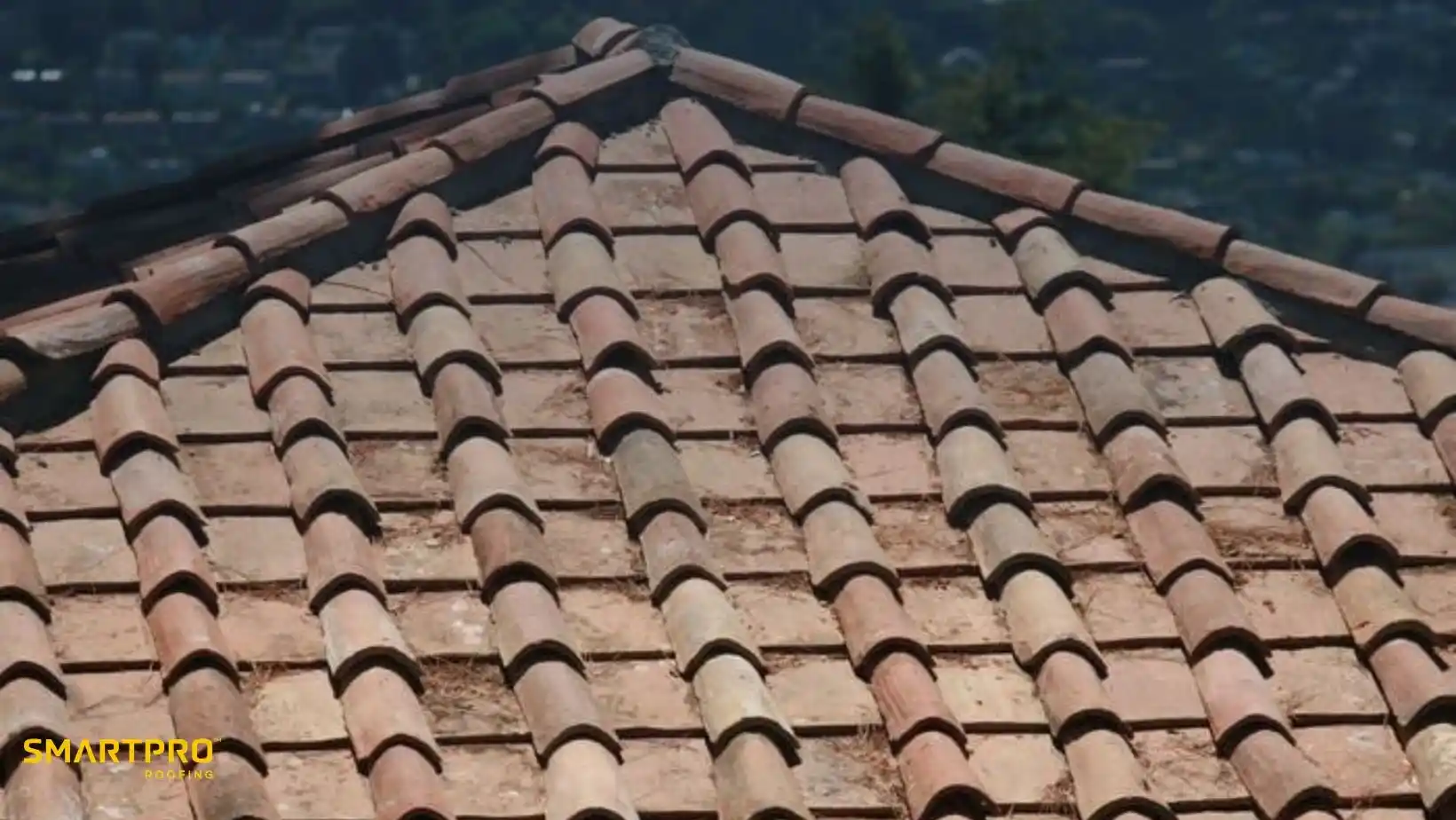
Clay shingles perform exceptionally well in warm climates. Their ability to reflect sunlight and resist UV damage makes them ideal for regions with intense sun exposure.
In hurricane prone areas, properly fastened clay shingles can withstand high winds. Many clay tile systems are rated for severe weather conditions when installed correctly.
They also resist heavy rain and moisture. Because clay is non porous after firing, it prevents water penetration and helps maintain roof integrity.
Maintenance and Roof Repair Considerations
Clay shingles require minimal maintenance compared to other roofing materials. Periodic inspections are recommended to identify cracked or displaced tiles.
If a tile breaks due to impact, it can usually be replaced individually without removing large sections of the roof. This makes roof repair relatively straightforward.
Keeping debris off the roof and ensuring proper drainage will help extend roof life even further.
Design and Style Options
Clay shingles come in various shapes and finishes. Traditional barrel tiles create a classic Spanish style look. Flat clay shingles offer a more modern aesthetic.
Color options range from natural terracotta to glazed finishes in different tones. Because clay color is often baked into the tile, fading is minimal over time.
These design options allow homeowners to match the roof to architectural style while maintaining the strength and durability clay shingles provide.
Comparing Clay Shingles to Other Roof Materials
When comparing clay shingles to asphalt shingles, the biggest differences are cost and lifespan. Asphalt shingles are more affordable upfront but require more frequent replacement.
Compared to metal roofing, clay shingles offer a different aesthetic and superior thermal mass. Metal roofs are lighter, while clay provides natural insulation and a traditional appearance.
For homeowners seeking a long lasting, visually striking roof material, clay shingles remain one of the most respected choices in the roofing industry.
Environmental Benefits of Clay Shingles
Clay shingles are made from natural materials and are recyclable at the end of their lifespan. This makes them a sustainable roof option.
Because of their long service life, fewer replacements are needed over time. This reduces landfill waste compared to shorter lived roofing materials.
Their natural insulation properties also help reduce energy consumption, contributing to a more energy efficient home.
Is a Clay Shingle Roof Right for You?

Choosing clay shingles depends on budget, home design, and structural capacity. If your home supports the weight and you prefer a long term investment, clay shingles may be an excellent fit.
For homeowners planning a roof replacement, it is helpful to compare costs side by side. SmartQuote allows you to instantly view pricing for clay shingles and other roof materials without in-home sales visits.
Key Takeaways
- Clay shingles are made from natural clay and baked for durability
- A clay shingle roof can last 50 to 100 years
- Clay shingles provide excellent heat insulation and weather resistance
- Upfront costs are higher but long term value is strong
- Proper installation is essential for maximum performance
- Clay shingles are environmentally friendly and recyclable
- Energy efficiency benefits help reduce cooling costs
- SmartQuote makes it easy to compare roof replacement options online
Get Started with Your Roof Today
Ready to see exactly what your roof replacement will cost and buy it entirely online without the sales pitch? Get your free SmartQuote today!
Related reading: