



Clay tiles are a durable and long-lasting roofing option that can last 50 to 100 years or more. They have low water absorption and maintain their natural color, making them ideal for hot and dry climates. However, they are more expensive and more fragile during installation. Concrete tiles are more affordable and versatile in design. They are heavier, may fade faster, and require maintenance to prevent mildew. Their lifespan typically ranges from 50 to 60 years. Both materials offer strong weather resistance, but the right choice depends on climate, budget, and structural support.
Which is better, clay or concrete roof tiles?
Clay roof tiles are often considered superior in longevity and color retention. Concrete roof tiles are typically more affordable and offer greater design versatility. The better option depends on climate, structural support, and budget.
Is clay better than concrete?
Clay is more resistant to fading and has lower water absorption, which makes it excellent in hot, dry climates. Concrete is heavier and more budget-friendly but may require more maintenance over time.
Are clay shingles better?
Clay shingles are known for their durability and long lifespan. They resist heat well and maintain their appearance for decades. However, they are more fragile and costly than concrete alternatives.
What are the disadvantages of clay roofing?
Clay roofing is heavier than asphalt, more expensive than concrete, and can crack if walked on improperly. It also requires proper structural support and professional installation.
Choosing between clay vs. concrete shingles is one of the most important decisions homeowners face when planning a roof replacement. Both materials offer durability, fire resistance, and strong weather performance. However, their differences in cost, maintenance, weight, and lifespan can significantly affect long-term value.
Understanding the performance of clay vs. concrete shingles helps homeowners make an informed decision. In this guide, we compare cost, durability, maintenance, structural requirements, and climate performance to help you determine which material is best for your home.
Expert Insight on Clay and Concrete Tile Performance
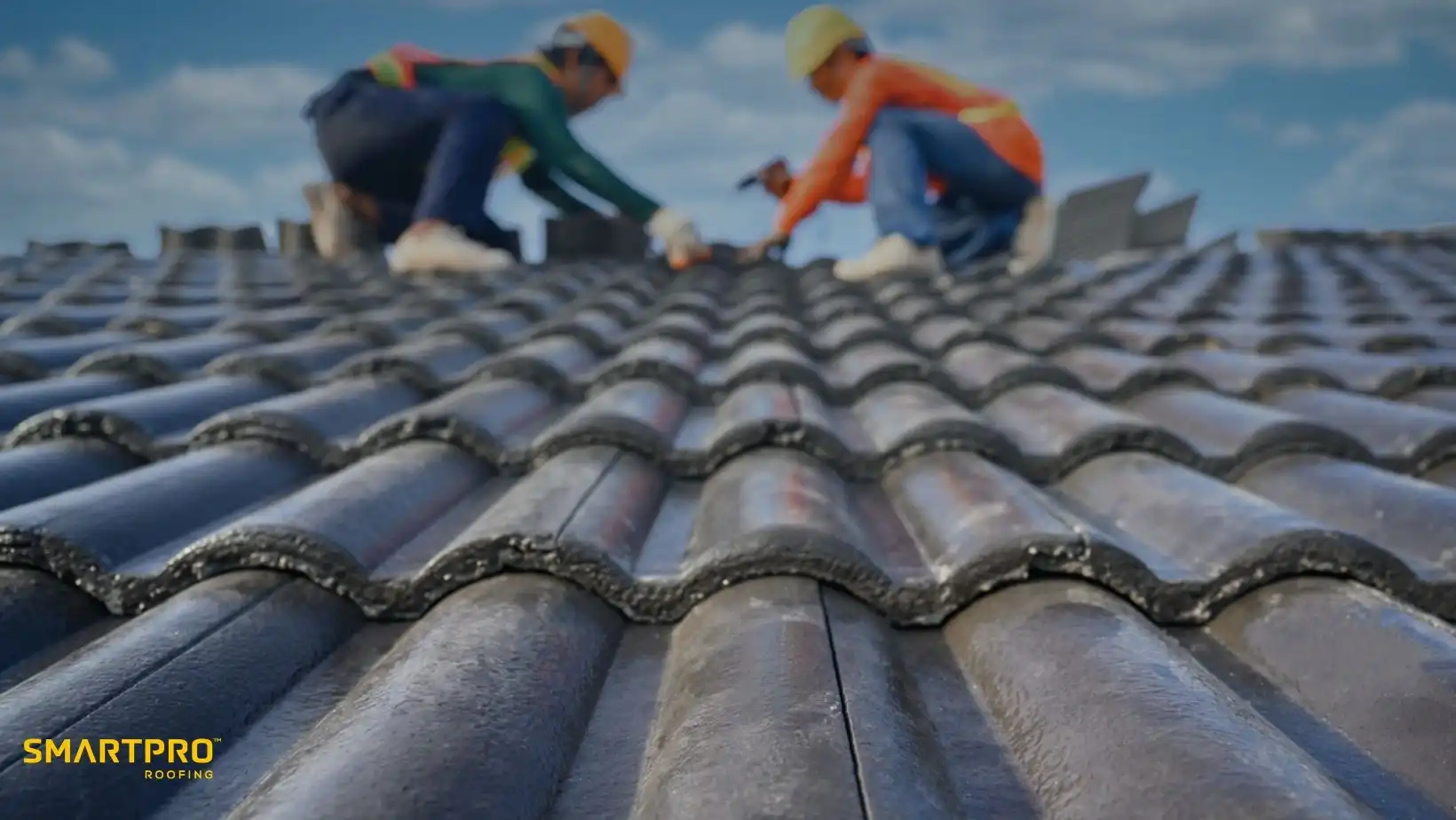
The Federal Emergency Management Agency notes that properly installed clay and concrete tile roofing systems provide excellent wind resistance and fire protection, particularly in hurricane-prone regions. According to FEMA Building Science research, tile roofs perform well under high-wind conditions when mechanically fastened and properly detailed.
Read more from FEMA Building Science here:
FEMA Building Science
This reinforces why both clay and concrete shingles are widely recommended in storm-exposed areas.
What Are Clay Shingles
Clay shingles are manufactured from natural clay that is molded and kiln-fired at high temperatures. This process creates a dense and durable roofing tile that can last a century or longer.
Because clay shingles are fired, their color is baked into the material rather than applied as a surface coating. This allows clay shingles to maintain their appearance for decades without significant fading.
Clay roofing is especially common in Mediterranean, Spanish, and Southwestern architectural styles due to its distinct appearance and heat resistance.
What Are Concrete Shingles
Concrete shingles are made from a mixture of sand, cement, water, and pigments. The mixture is molded under pressure and cured to form durable roofing tiles.
Unlike clay, concrete shingles use color pigments mixed into the material and applied as a surface coating. Over time, this coating may fade depending on sun exposure and climate conditions.
Concrete shingles are often designed to replicate the look of clay, slate, or wood shake while offering a lower initial cost.
Cost Comparison of Clay vs. Concrete Shingles
Cost is one of the most noticeable differences between clay vs. concrete shingles. Clay shingles are generally more expensive due to manufacturing and firing processes. Installation costs are also higher because clay is more fragile and requires careful handling.
Concrete shingles are more affordable upfront. On average, homeowners can expect concrete roofing to cost less per square foot than clay roofing.
To see the exact pricing difference for your home, you can compare options instantly using SmartQuote. The platform provides transparent cost breakdowns for both clay and concrete shingles without waiting for in-person estimates.
Durability and Lifespan
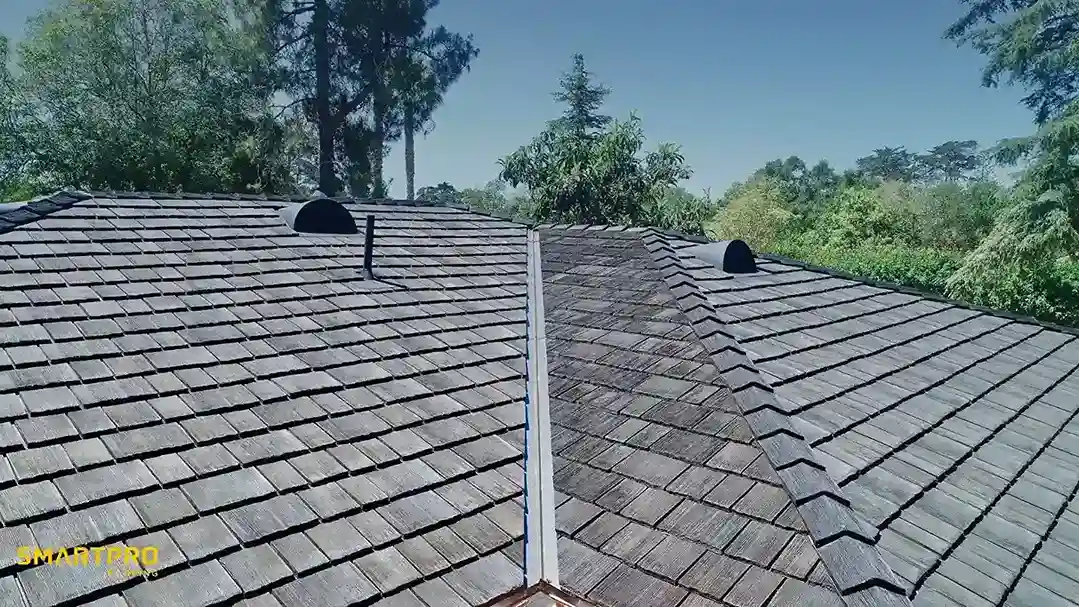
When comparing durability, clay shingles typically last longer than concrete. A properly installed clay roof can last 75 to 100 years or more.
Concrete shingles usually last 50 to 60 years. While still impressive, their surface coating may require maintenance or resealing over time.
Both materials offer Class A fire resistance and strong wind performance when installed correctly. However, clay has lower water absorption, which makes it slightly more resistant to long-term moisture damage.
Weight and Structural Requirements
Both clay and concrete shingles are heavy roofing materials. Clay tiles can weigh between 800 and 1,000 pounds per square. Concrete tiles can weigh even more, sometimes exceeding 1,100 pounds per square.
Because of this weight, homes must have adequate structural support. Some properties may require reinforcement before installation.
Before selecting either option, homeowners should evaluate their structure. SmartQuote helps estimate total project cost and identify installation considerations at SmartQuote.
Climate Performance
Climate plays a major role in choosing between clay vs. concrete shingles.
Clay performs exceptionally well in hot and dry climates. Its natural composition resists fading and heat absorption, making it ideal for desert and Mediterranean regions.
Concrete shingles also perform well in hot climates but may be more susceptible to mildew in humid environments. Proper maintenance can reduce this risk.
Both materials resist high winds and severe storms when properly installed.
Maintenance Requirements
Clay shingles require minimal maintenance beyond periodic inspections. Because the color is baked into the tile, fading is less of a concern.
Concrete shingles may require cleaning to prevent mildew buildup in humid climates. Surface coatings may need refreshing after several decades.
Individual tile replacement is possible for both materials, which simplifies repairs compared to large panel systems.
Aesthetic Differences
Clay shingles offer a natural, rich appearance that ages gracefully. The color variation is subtle and long-lasting.
Concrete shingles provide more design flexibility. They can be molded to replicate various roofing styles and textures.
Homeowners seeking a traditional Mediterranean look often prefer clay. Those wanting versatility at a lower cost may prefer concrete.
To visualize material pricing and compare appearance options, use SmartQuote for an instant estimate.
Energy Efficiency
Both clay and concrete shingles offer high thermal mass, which slows heat transfer into the home.
Clay’s lower water absorption contributes to stable thermal performance in dry climates. Concrete also performs well but may require proper ventilation to optimize energy efficiency.
Both materials contribute to lower cooling loads in warm regions.
Environmental Considerations
Clay shingles are made from natural earth materials and can last over a century, reducing landfill waste.
Concrete shingles are also durable and often incorporate recycled materials in production.
Because both options offer long lifespan and strong durability, they reduce the frequency of roof replacement compared to asphalt shingles.
Installation Complexity
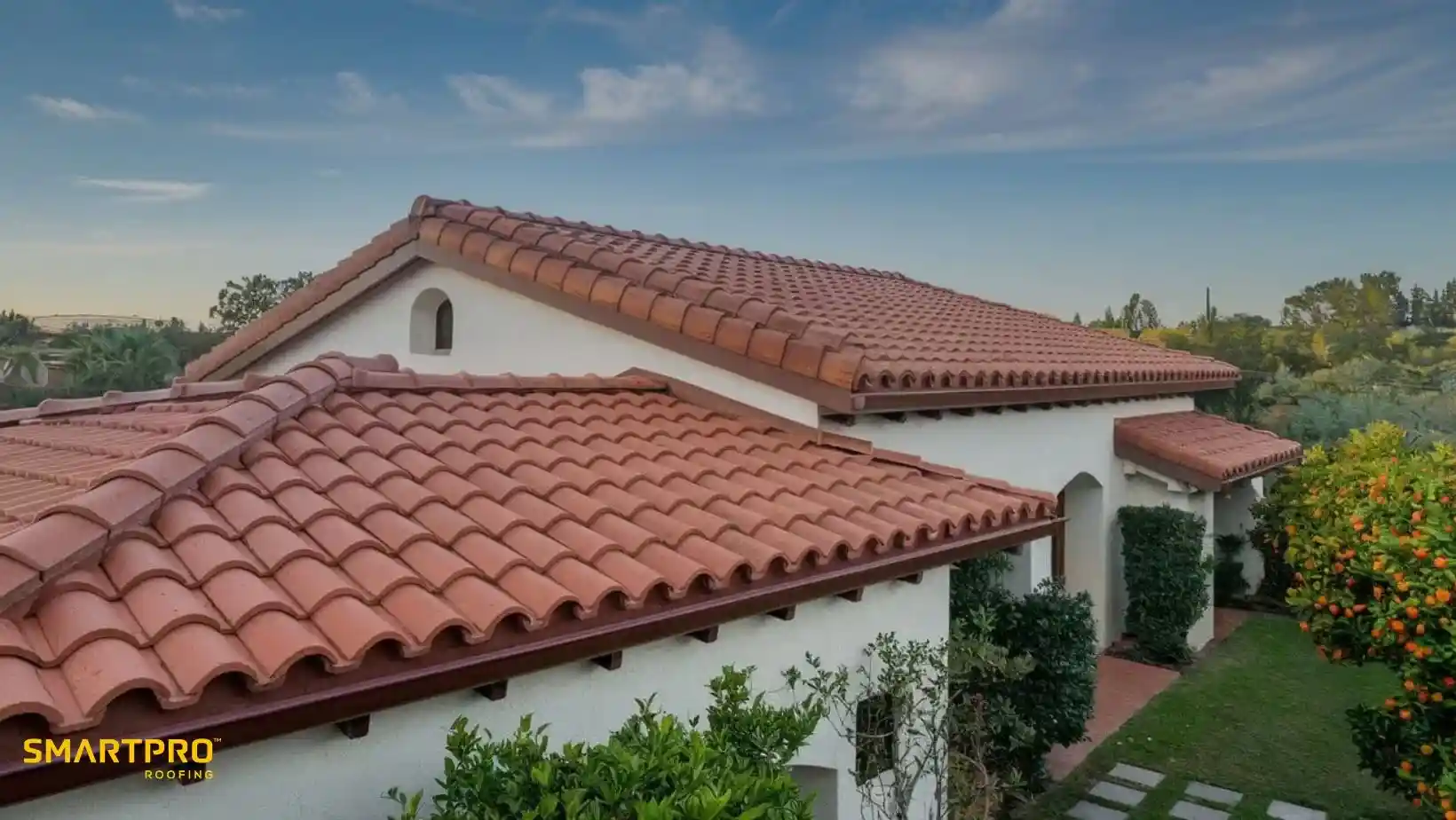
Installation for clay shingles requires careful handling to prevent breakage. Skilled professionals are essential for proper alignment and fastening.
Concrete shingles are slightly easier to handle but still require expertise due to their weight.
Improper installation can affect wind resistance and waterproofing performance.
Using SmartQuote allows homeowners to plan their roofing project with transparent pricing and installation details before committing.
Long-Term Value
Although clay shingles have a higher upfront cost, their longer lifespan may result in better long-term value.
Concrete shingles provide strong performance at a more accessible price point.
Choosing between clay vs. concrete shingles ultimately depends on budget, climate, and desired lifespan.
Final Thoughts
Both clay and concrete shingles are premium roofing materials that offer durability, fire resistance, and long-term protection. Clay excels in longevity and color retention, while concrete offers affordability and versatility.
Homeowners should weigh cost, structure, climate, and maintenance preferences when making a decision.
Key Takeaways
- Clay shingles last 75 to 100 years or more
- Concrete shingles typically last 50 to 60 years
- Clay has lower water absorption and better color retention
- Concrete is more affordable and versatile in design
- Both require strong structural support due to weight
- Both offer excellent fire and wind resistance
- Climate and budget are major deciding factors
Get Started with Your Roof Today
Ready to see exactly what your new roof will cost and buy it entirely online without the sales pitch? Get your free SmartQuote today in just minutes through SmartPRO Roofing’s online platform.
Compare clay vs. concrete shingles instantly and plan your roof replacement with complete transparency.
Related Reading: