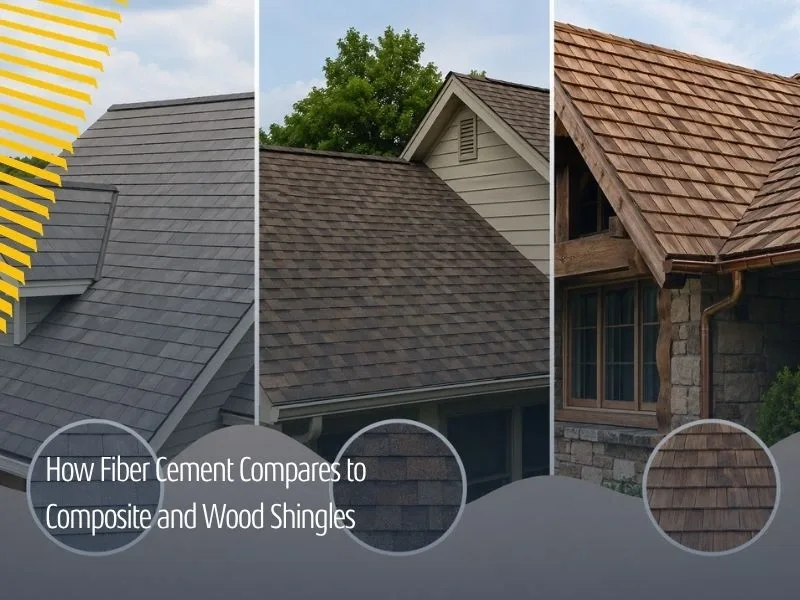





Concrete shingle maintenance should be done at least once a year to protect the roof’s lifespan and performance. The essentials include removing moss and algae, cleaning gutters, checking for cracked or slipped tiles, and trimming overhanging branches. Cleaning should be done with low-pressure washing under 1200 PSI to avoid damaging the tile surface or color. Professional inspections are the safest way to identify and fix cracked, broken, or shifted concrete shingles before they lead to leaks or more expensive repairs.
What is tile shingle?
A tile shingle is an individual roofing unit made to overlap with the surrounding pieces and create a weather-resistant roof surface. In concrete roofing, tile shingles are formed from cement, sand, and water and designed to shed water while resisting fire, wind, and sun exposure.
What are the advantages of tile roofs?
Tile roofs are known for long lifespan, strong weather resistance, and low maintenance compared with many other materials. They also perform well in hot climates because they help slow heat transfer into the home.
Are tile shingles better than asphalt shingles?
Tile shingles usually last much longer than asphalt shingles and often provide better resistance to fire, heat, and severe weather. Asphalt is lighter and less expensive upfront, but tile is often the better long-term option when the structure can support the added weight.
Are there any disadvantages to tiled roofs?
The main disadvantages are weight, higher installation cost, and the need for proper handling during repairs. Some tiles can crack if walked on incorrectly, so maintenance and repair work should be done carefully.
A concrete tile roof can last for decades, but it does not stay in top condition without routine care. Dirt, moss, blocked gutters, slipped tiles, and unnoticed cracks can all shorten roof life and lead to water damage if they are ignored. That is why concrete shingle maintenance matters so much for homeowners.
The good news is that maintaining a concrete roof is not complicated when you know what to look for and how often to inspect it. With the right routine, you can protect the appearance of your roof, avoid preventable leaks, and reduce the risk of expensive structural problems.
This guide explains how to maintain and repair concrete shingles step by step. It covers inspections, cleaning, moss and algae removal, minor repairs, warning signs of damage, and when to call a professional. If you want to protect your investment and make smarter planning decisions, this article will help you do exactly that.
The Federal Emergency Management Agency notes that tile roofing systems can perform very well in severe weather when they are properly installed and maintained, and that damaged or displaced tiles should be addressed promptly to preserve roof performance.
Read more in FEMA Building Science.
Why Concrete Shingle Maintenance Matters
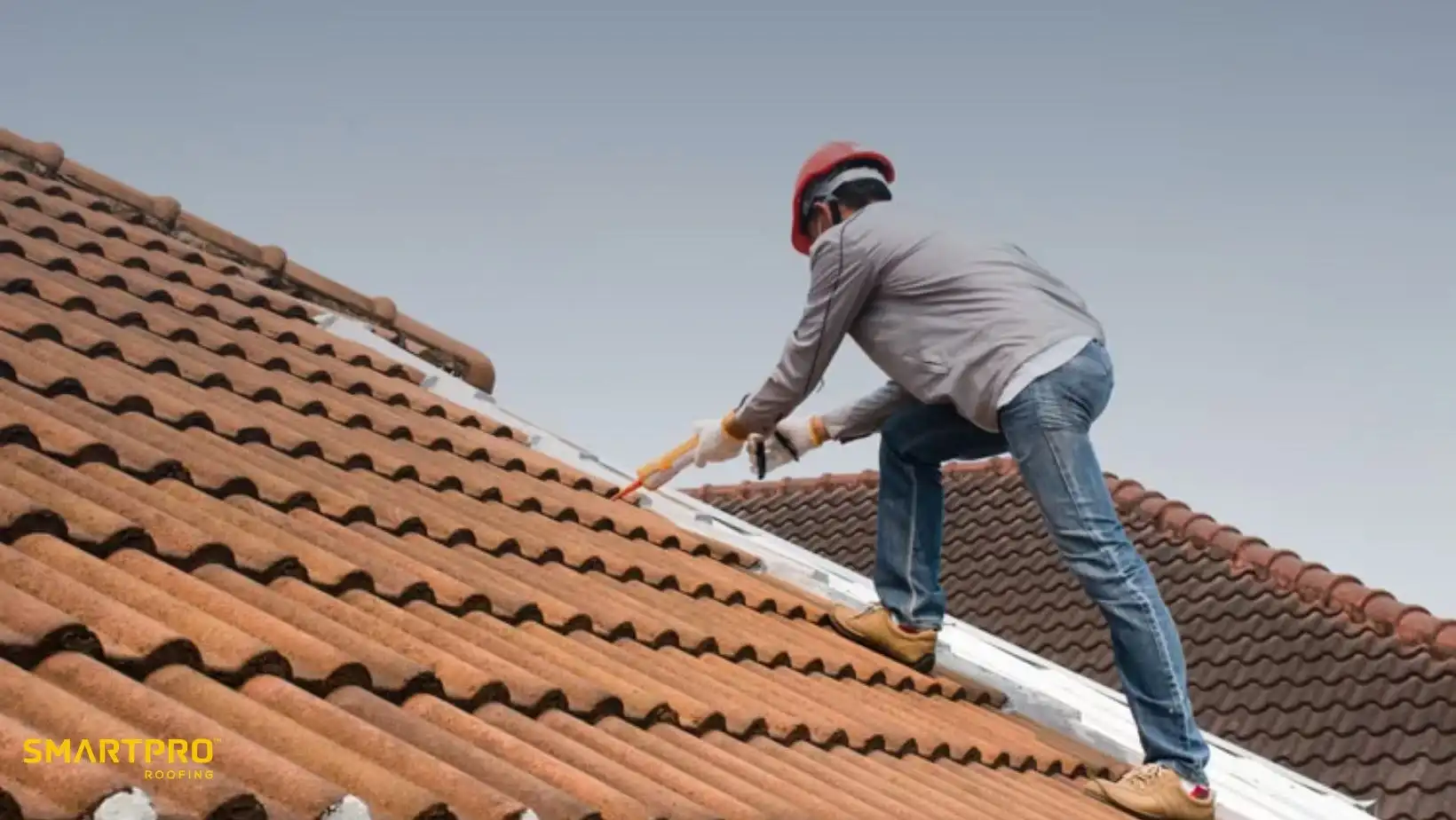
Concrete shingles are durable, but durability does not mean zero upkeep. Over time, exposure to sun, wind, heavy rain, falling debris, and biological growth can wear down the roof surface and the components beneath it. Annual concrete shingle maintenance helps catch small issues before they become major repair problems.
One of the biggest advantages of concrete roofing is longevity. A well-maintained roof can last for many decades. But neglected tiles, clogged drainage paths, and unresolved cracks can shorten that lifespan. Water intrusion is especially damaging because it may affect underlayment, decking, insulation, and interior finishes long before a homeowner notices a visible leak.
Regular maintenance also protects curb appeal. Concrete shingles can accumulate stains, algae, and moss in shaded or humid areas. Keeping the roof clean helps preserve its appearance and supports the long-term value of the home. For homeowners comparing future repair or replacement costs, SmartQuote can make it easier to understand what the next step may cost if maintenance issues turn into larger work.
How Often Should You Inspect a Concrete Tile Roof
A concrete tile roof should be inspected at least once a year. For many homeowners, spring or early fall is the best time because the weather is more stable and it is easier to spot seasonal wear. In storm-prone areas, another inspection after major weather events is a smart precaution.
The goal of an annual inspection is to identify early signs of trouble. These include cracked tiles, slipped shingles, broken ridge pieces, clogged valleys, damaged flashing, and debris buildup. Even one damaged section can allow water to move under the tiles and affect the materials below.
If your home has overhanging trees, frequent storms, or recurring moss and algae growth, more frequent checks may be necessary. Homeowners who want better visibility into long-term roof planning often use SmartQuote to compare repair and replacement scenarios before issues become urgent.
What to Look for During a Roof Inspection
A good visual inspection starts from the ground. Walk around the home and look for obvious signs of roof distress such as missing or shifted tiles, sagging areas, dark streaks, debris buildup, or broken pieces near valleys and edges. Binoculars can help you inspect more closely without walking on the roof.
Inside the home, check ceilings and attic areas for water stains, damp insulation, mold odors, or signs of daylight coming through roof penetrations. These may point to a leak that has not yet become visible from the outside.
You should also inspect gutters and downspouts. Granules are not the concern with concrete shingles, but fragments of tile, excessive dirt, and plant debris may indicate wear or drainage issues. If anything seems suspicious, it is best to have a roofing professional perform a closer inspection.
Safe Cleaning Methods for Concrete Shingles
Cleaning is one of the most important parts of concrete shingle maintenance, but it must be done correctly. Aggressive cleaning can do more harm than good. High-pressure washing can erode the tile surface, strip away color coatings, and force water where it does not belong. That is why low-pressure washing under 1200 PSI is recommended.
Before cleaning begins, remove loose debris by hand or with a soft tool. Leaves, twigs, and dirt often collect in valleys and around flashing. Gutters should be cleared at the same time so that runoff can move off the roof properly. If standing water or backed-up drainage is present, cleaning the tile alone will not solve the problem.
When washing the roof, the spray direction should follow the path of water flow downward, not upward beneath the tiles. Gentle cleaning solutions may help remove algae or biological stains, but harsh chemicals should be avoided unless the product is clearly suitable for concrete roofing.
How to Remove Moss and Algae Without Damaging the Roof
Moss and algae are common on roofs in shaded, humid, or tree-covered environments. They are more than a cosmetic issue. Moss can trap moisture against the roof surface, while algae can discolor the tiles and contribute to surface deterioration over time.
The first step is to reduce the conditions that encourage growth. Trim back overhanging branches to improve airflow and increase sun exposure. Keep gutters clear so water does not sit where it should drain away. Remove leaves and organic debris regularly because they create a damp environment where moss can thrive.
When growth is already present, the safest approach is gentle removal with low pressure and appropriate cleaning methods. Scraping or using high pressure can crack the surface or remove protective finishes. If the moss is widespread or the roof is steep, a professional cleaning is often the safest option.
Gutter Cleaning and Drainage Protection
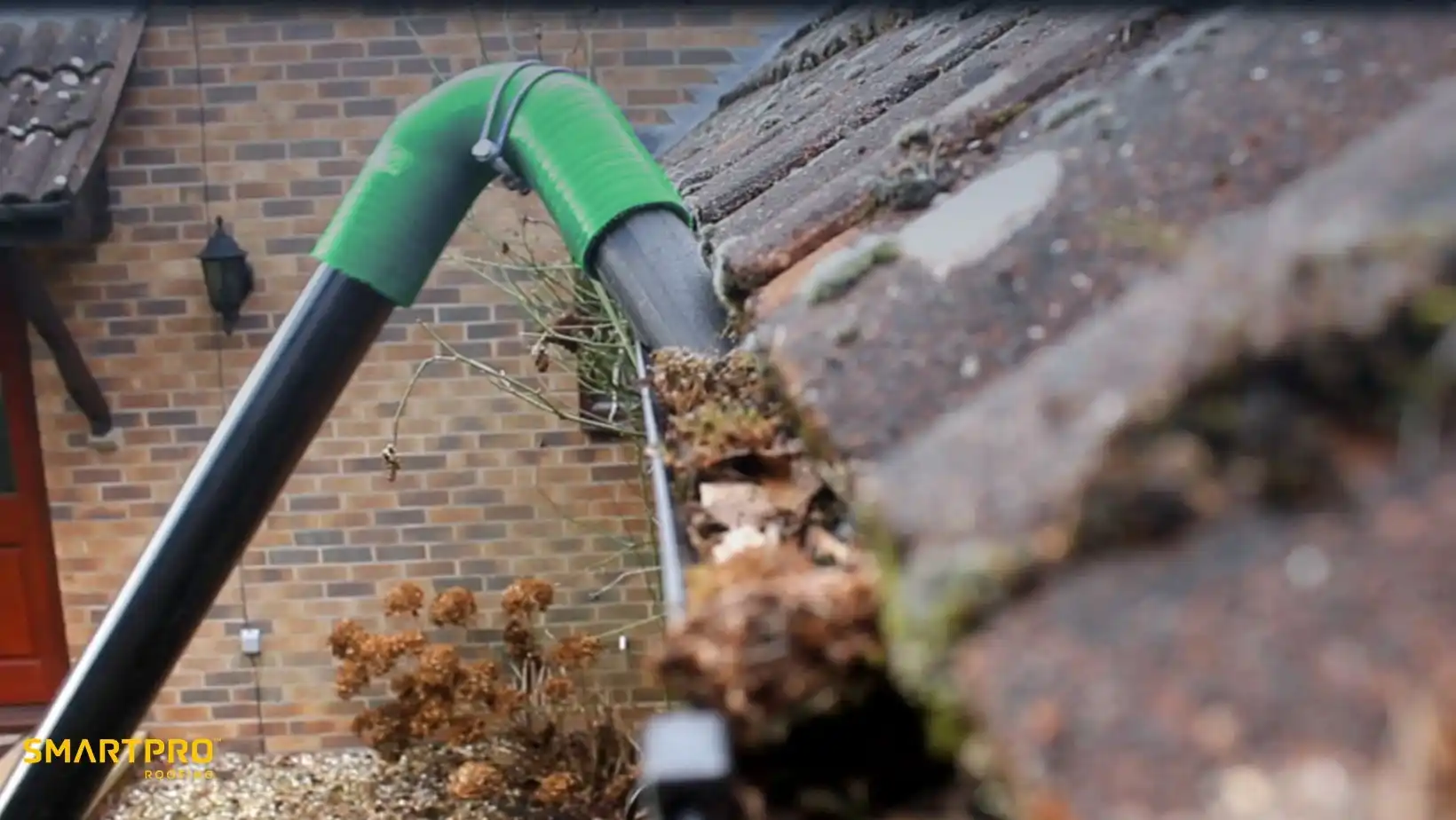
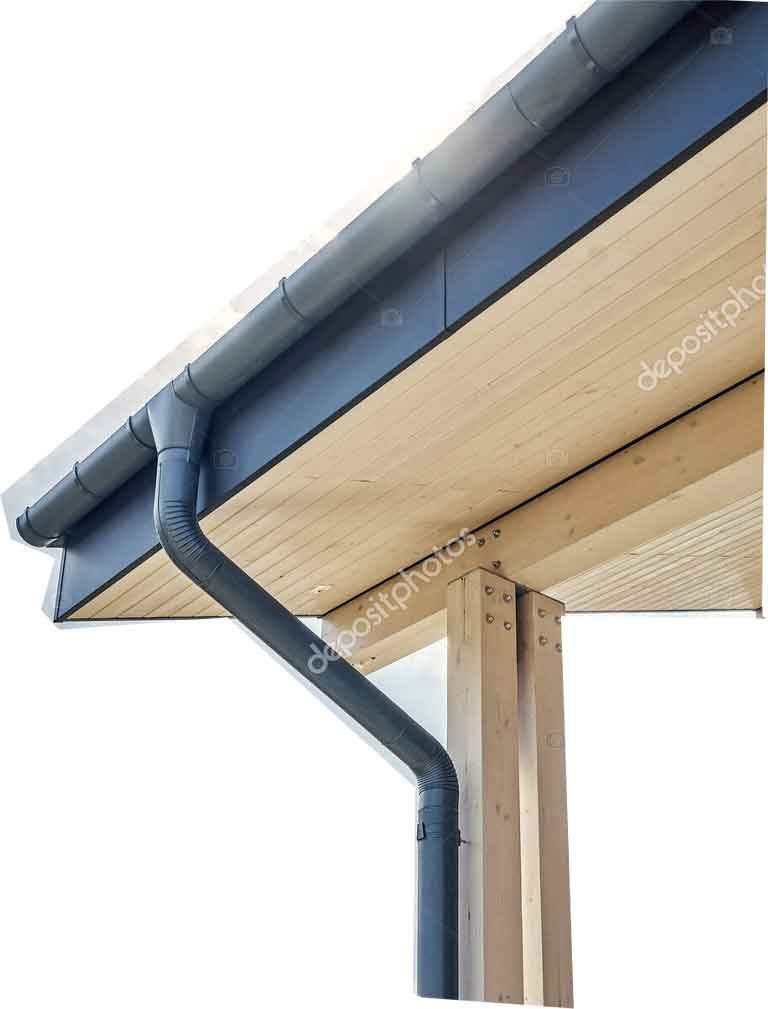
Many roof problems start with drainage, not with the tile itself. Gutters and downspouts that are full of leaves, shingle fragments, nests, or sediment can cause water to back up along the roof edge. On a concrete tile roof, this trapped water can eventually affect underlayment, fascia, and roof decking.
Gutter cleaning should be included in every annual concrete shingle maintenance routine. If your property has many trees, it may need to be done more than once a year. Valleys and roof transitions should also be checked because they often collect debris even when gutters seem clear.
Good drainage protects more than the roof. It also helps prevent moisture issues around siding, foundations, and landscaping. Homeowners evaluating both maintenance and broader project planning can use SmartQuote to get a clearer picture of costs if drainage-related wear leads to larger roof work later on.
Common Concrete Shingle Problems Homeowners Should Watch For
Concrete shingles are tough, but they can still crack, slip, chip, or break. Foot traffic is one common cause. Walking on tile incorrectly can create fractures that are not always visible right away. Fallen branches, wind-borne debris, and improper installation can also cause damage.
Slipped tiles are another concern. Even if the shingle itself is not broken, movement can expose the underlayment and create a path for water. Ridge and hip pieces may also loosen over time, especially in high-wind regions. These areas should be checked carefully during every inspection.
Other warning signs include persistent stains, interior water marks, damaged flashing, and repeated debris buildup in the same part of the roof. These may indicate an underlying issue such as poor drainage, worn underlayment, or repeated movement in one section of the roof.
How to Repair Cracked or Broken Concrete Shingles
Repairing a damaged concrete shingle usually starts with identifying whether the issue is isolated or part of a larger pattern. A single cracked tile may be replaced without major disruption. But if multiple shingles are slipping or breaking in the same section, the problem may involve fastening, battens, flashing, or the underlayment below.
A typical repair involves carefully lifting surrounding tiles, removing the damaged piece, and fitting a matching replacement in place. This sounds simple, but concrete roofing is brittle under concentrated pressure. Incorrect movement can cause nearby tiles to crack, turning a small repair into a larger one.
For that reason, many homeowners are better served by having a roofing professional handle repairs. Matching color, profile, and fit matters if you want the repair to shed water properly and blend with the existing roof. If a larger section needs attention, SmartQuote can help you compare repair and replacement pricing online before committing to the next step.
When a Repair Is Enough and When Replacement Makes More Sense
Not every roof issue calls for a full replacement. If the concrete shingles are mostly intact and the damage is limited to a few areas, targeted repairs may be enough. This is especially true when the roof is still relatively young and the underlayment remains in good condition.
Replacement becomes more likely when problems are widespread, recurring, or tied to aging components under the tiles. For example, you may have many reusable tiles but still need substantial work because the underlayment has reached the end of its service life. In those cases, repairing one small section at a time may not be the most cost-effective strategy.
The age of the roof, the frequency of leaks, and the cost of repeated repair visits all matter. Homeowners who want a faster way to compare scenarios can check SmartQuote for exact pricing that helps them decide whether continued maintenance or a larger project makes more financial sense.
Preventive Maintenance Tips That Extend Roof Life
Preventive maintenance is the best way to protect a concrete tile roof. Start with a simple annual routine. Inspect the roof, clean the gutters, remove debris, check flashing, and look for cracked or shifted tiles. These tasks take less time and money than emergency repairs.
Tree trimming is one of the most effective preventive steps. Overhanging branches can scrape the roof, drop debris into valleys, and create the damp shade that encourages moss and algae. Keeping branches back improves airflow and reduces physical wear.
It is also wise to limit foot traffic on the roof. Concrete shingles can support harsh weather, but they are vulnerable to point pressure from walking in the wrong place. When work must be done on vents, solar equipment, or other rooftop systems, make sure the contractor understands how to move on tile safely.
Seasonal Maintenance for Different Weather Conditions
Different seasons bring different maintenance concerns. In wet months, moss, algae, and drainage problems tend to become more noticeable. In dry, windy periods, dust, debris, and branch damage may be more common. A seasonal approach helps keep the roof ready year-round.
Before storm season, inspect for loose tiles, damaged flashing, and clogged gutters. After severe weather, look for shifted shingles or debris impact. Even if damage is not obvious from the ground, a post-storm check is a good habit.
In cooler months, inspect interior spaces for leaks or condensation issues. Temperature changes can reveal moisture problems that were not obvious during drier periods. Keeping up with these seasonal checks makes long-term concrete shingle maintenance far more manageable.
Why Professional Inspections Are Worth It
Some maintenance tasks can be handled by homeowners, but professional inspections add a level of accuracy and safety that is hard to match. A trained roofer knows where failures typically begin, how to move across tile safely, and how to identify issues hidden beneath the visible roof surface.
Professionals can also distinguish between cosmetic wear and structural concerns. What looks like a minor crack may actually be part of a broader fastening issue. What seems like a small leak could involve flashing, underlayment, or ventilation problems that require more than a patch.
Annual or periodic professional inspections are especially valuable on older roofs and after major storms. They help ensure that minor defects are addressed before they become expensive interior damage.
Cost Planning for Concrete Shingle Maintenance and Repairs
Maintenance is usually far less expensive than emergency repairs or premature replacement. Cleaning, inspections, and a few isolated tile repairs tend to be manageable line items for most homeowners. The trouble starts when small issues are ignored and water reaches the layers below the shingles.
Repair costs vary depending on accessibility, tile availability, roof pitch, and whether matching materials are still available. If underlayment or flashing is involved, the scope and price can increase quickly. That is why it helps to plan early rather than wait for visible leaks.
For homeowners who want clarity before the problem grows, SmartQuote offers a simple way to explore exact online pricing for roof work. It is useful both for current repairs and for long-term budgeting if your concrete roof is showing signs of age.
Final Thoughts
Concrete shingle maintenance is not complicated, but it does require consistency. Annual inspections, gentle cleaning, gutter care, branch trimming, and fast attention to cracked or slipped tiles all play a role in preserving roof performance.
A concrete tile roof can last for decades, but only if minor problems are caught early and repaired properly. Homeowners who stay ahead of moss, drainage issues, and broken tiles are much more likely to avoid costly leaks and structural damage.
If your roof is starting to show age or you want to compare future repair and replacement options, SmartQuote can help you see exact pricing online and plan with confidence.
Key Takeaways
- Concrete shingle maintenance should be done at least once a year
- Low-pressure washing under 1200 PSI helps clean the roof without damaging the tile surface
- Moss and algae should be removed early to prevent moisture retention and surface wear
- Gutters, valleys, and drainage paths need to stay clear to protect the roof system
- Cracked, broken, or slipped tiles should be repaired promptly to prevent leaks
- Overhanging branches should be trimmed to reduce impact damage, shade, and debris buildup
- Professional inspections are the safest way to identify hidden issues and handle repairs correctly
- Early maintenance is almost always less expensive than delayed repair or replacement
Get Started with Your Roof Today
Ready to see exactly what your new roof will cost and buy it entirely online without the sales pitch? Get your free SmartQuote today in just minutes through SmartPRO Roofing’s online platform.
Related Reading: