


Cedar shake roofing uses thick, hand split cedar wood to create a natural, rustic appearance with strong insulation and weather resistance. It offers excellent curb appeal and can last 30 to 50 years, but it requires regular cleaning, treatments, and proper ventilation to prevent mold, rot, and insect damage. Cedar shake roofing is an eco-friendly option that delivers beauty and durability at the cost of higher maintenance compared to asphalt shingles.
What is a cedar shake roof?
A cedar shake roof is a roofing system made from thick pieces of natural cedar wood that are hand split or sawn. These shakes are installed in overlapping layers to create a textured, rustic look while providing natural insulation and weather protection.
What are the benefits of a cedar roof?
Cedar roofing offers natural insulation, resistance to wind and impact, and a distinctive appearance that enhances curb appeal. It is also biodegradable and renewable, making it an environmentally responsible roofing option.
How do you maintain a cedar shake roof?
Cedar shake roofing requires routine cleaning to remove debris, periodic treatments to resist moisture and insects, and proper ventilation to prevent mold and rot. Regular inspections help extend the roof’s lifespan.
How much is a cedar shake roof compared to asphalt shingles?
Cedar shake roofing costs significantly more than asphalt shingles upfront. While asphalt is more affordable initially, cedar shakes can last longer and offer higher aesthetic value when properly maintained.
Cedar shake roofing has been used for centuries and remains one of the most visually striking roofing options available today. Homeowners choose cedar shake roofing for its natural texture, warm tones, and ability to blend seamlessly with traditional, rustic, and high end architectural styles.
Beyond appearance, cedar shake roofing provides strong insulation and durability against weather extremes. However, it is not a low maintenance roofing system. Understanding the benefits, styles, costs, and upkeep requirements is essential before deciding if cedar shake roofing is right for your home.
Expert Insight on Cedar Shake Roofing Performance
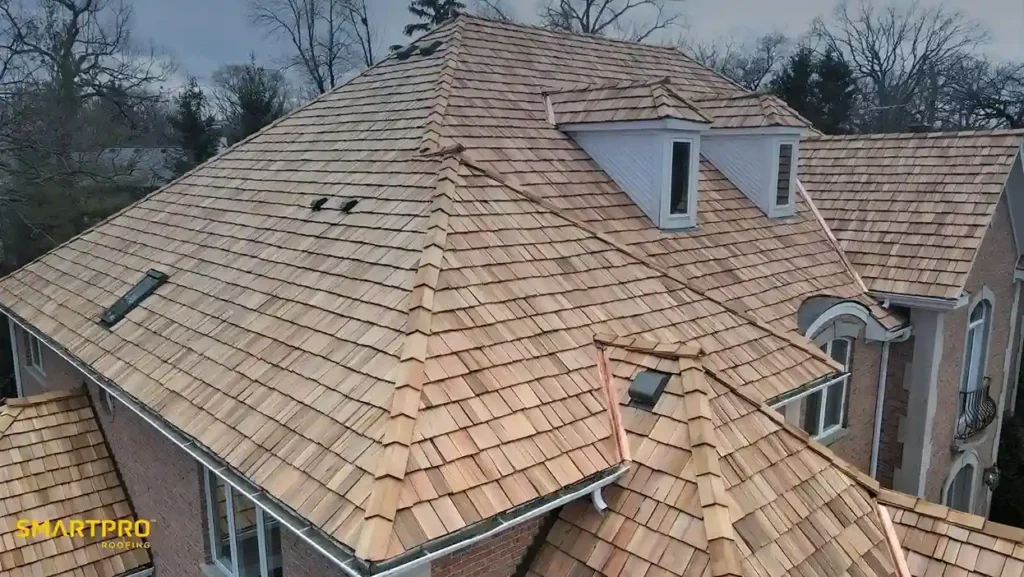
According to the USDA Forest Service, cedar wood contains natural oils that make it resistant to moisture, decay, and insect damage, which contributes to its longevity when properly maintained.
What Is Cedar Shake Roofing Made Of?
Cedar shake roofing is typically made from Western Red Cedar or Alaskan Yellow Cedar. These wood species are chosen for their natural resistance to moisture, insects, and decay.
Shakes are split from logs rather than machine cut, which preserves the wood grain and improves durability. This manufacturing process gives cedar shake roofing its thick, rugged appearance and enhances its ability to shed water effectively.
Cedar Shakes vs Cedar Shingles
While often grouped together, cedar shakes and cedar shingles are not the same. Cedar shingles are machine cut and have a smoother, more uniform appearance. Cedar shakes are thicker and have a rougher, more natural texture.
Cedar shake roofing creates deeper shadow lines and a more rustic aesthetic. It is also heavier and generally more durable than cedar shingles, though both require similar maintenance practices.
Benefits of Cedar Shake Roofing
One of the biggest advantages of cedar shake roofing is its natural insulation. Cedar wood helps regulate indoor temperatures by reducing heat transfer, which can lower energy usage over time.
Cedar shake roofing is also impact resistant and performs well in windy conditions. Its natural appearance increases property value and curb appeal, making it a popular choice for custom homes and historic properties.
Environmental Advantages of Cedar Shake Roofing
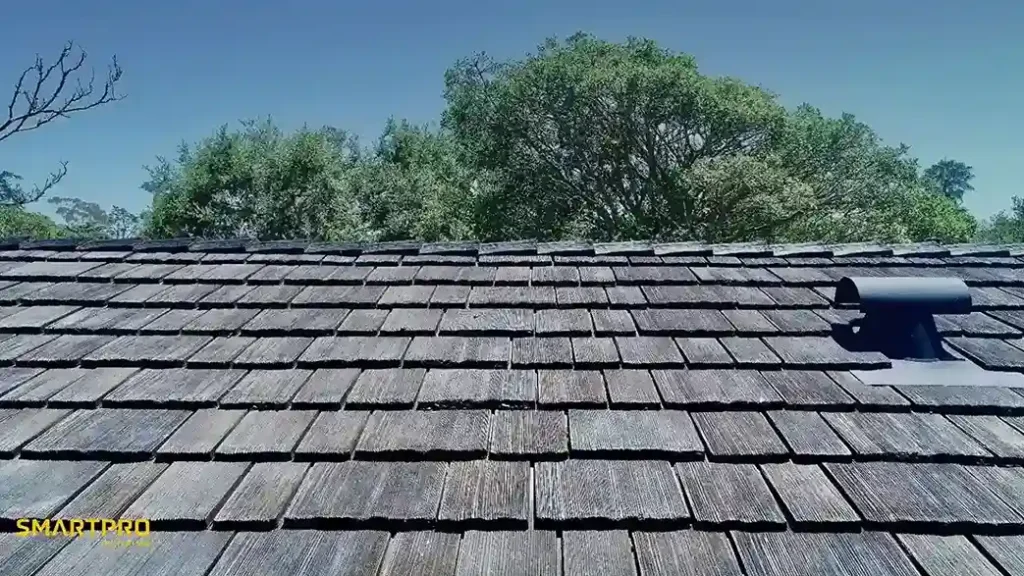
Cedar shake roofing is considered an eco friendly roofing option because cedar is renewable and biodegradable. Many manufacturers source cedar from sustainably managed forests.
Unlike petroleum based roofing materials, cedar shake roofing has a lower environmental footprint when responsibly harvested. At the end of its lifespan, the material can naturally decompose rather than sit in a landfill.
Styles and Profiles of Cedar Shake Roofing
Cedar shake roofing is available in several styles, including hand split shakes, taper sawn shakes, and straight split shakes. Each style offers a different texture and level of refinement.
Hand split shakes provide the most rustic appearance, while taper sawn shakes deliver a slightly smoother and more uniform look. Homeowners can also choose different widths and thicknesses to customize the roof’s appearance.
How Cedar Shake Roofing Performs in Different Climates
Cedar shake roofing performs well in a variety of climates when properly installed. In cold regions, cedar provides excellent insulation and resists freeze thaw cycles.
In humid or coastal climates, cedar shake roofing requires additional treatments and proper ventilation to prevent mold and rot. Homes in these areas benefit from professional installation and routine inspections.
Lifespan of Cedar Shake Roofing
A properly installed and maintained cedar shake roof can last between 30 and 50 years. Some roofs exceed this range with consistent care and favorable climate conditions.
Without maintenance, the lifespan of cedar shake roofing can be significantly reduced. Moisture buildup, poor ventilation, and neglect are the most common causes of premature failure.
Maintenance Requirements for Cedar Shake Roofing
Cedar shake roofing requires more upkeep than many other roofing materials. Regular cleaning removes leaves, moss, and debris that trap moisture against the wood.
Periodic treatments help protect against insects, algae, and fungal growth. Homeowners should also ensure proper attic ventilation to prevent heat and moisture buildup that can damage cedar shakes.
Common Problems With Cedar Shake Roofing
The most common issues with cedar shake roofing include moss growth, splitting, cupping, and rot. These problems often result from moisture retention and lack of airflow.
Early detection through routine inspections can prevent costly repairs. Addressing minor issues promptly helps preserve the integrity and appearance of the roof.
Fire Resistance and Safety Considerations
Untreated cedar shake roofing is combustible, which is a concern in wildfire prone areas. Many modern cedar shakes are treated with fire retardants to improve safety.
Local building codes may require specific fire ratings. Homeowners should confirm compliance and choose treated cedar shakes when fire resistance is a priority.
Cost of Cedar Shake Roofing
Cedar shake roofing is one of the more expensive roofing options available. The higher cost reflects the quality of materials, labor intensive installation, and longer lifespan.
Compared to asphalt shingles, cedar shake roofing has a higher upfront cost but offers superior aesthetics and durability. Long term value depends heavily on maintenance and climate.
Installation Considerations for Cedar Shake Roofing
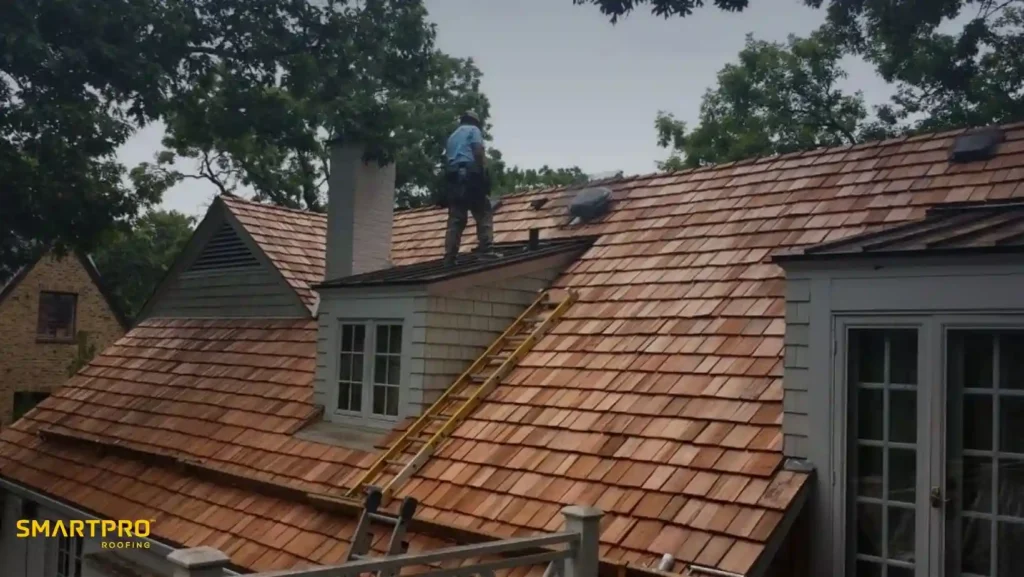
Proper installation is critical for cedar shake roofing performance. Shakes must be spaced correctly to allow for expansion and contraction.
Underlayment, flashing, and ventilation play a major role in preventing moisture damage. Hiring an experienced roofing contractor is essential for ensuring the roof performs as intended.
Is Cedar Shake Roofing Right for Your Home?
Cedar shake roofing is ideal for homeowners who value natural beauty, architectural character, and sustainability. It is best suited for those willing to invest in ongoing maintenance.
Homes in dry or temperate climates typically see the best results. Before committing, homeowners should consider budget, climate, and long term upkeep requirements.
Planning Your Cedar Shake Roofing Project
Before starting a cedar shake roofing project, homeowners should evaluate roof design, local building codes, and maintenance expectations. Planning ahead helps avoid unexpected costs and delays.
Using an online pricing tool like SmartQuote allows homeowners to explore cedar shake roofing costs and compare them with other materials quickly. SmartQuote provides instant pricing transparency without sales pressure, helping you plan with confidence.
SmartQuote also makes it easy to understand how cedar shake roofing fits into your overall budget before scheduling installation.
Key Things to Remember
- Cedar shake roofing offers natural beauty, insulation, and durability
- It requires regular maintenance to prevent moisture and insect damage
- Lifespan typically ranges from 30 to 50 years with proper care
- Costs are higher than asphalt shingles but offer long term value
- Eco friendly and renewable when sourced responsibly
Get Started With Your Roof Today
Ready to see exactly what your cedar shake roofing project will cost and buy it entirely online without the sales pitch? Get your free SmartQuote today in just minutes through SmartPRO Roofing’s online platform.
Related Reading: