
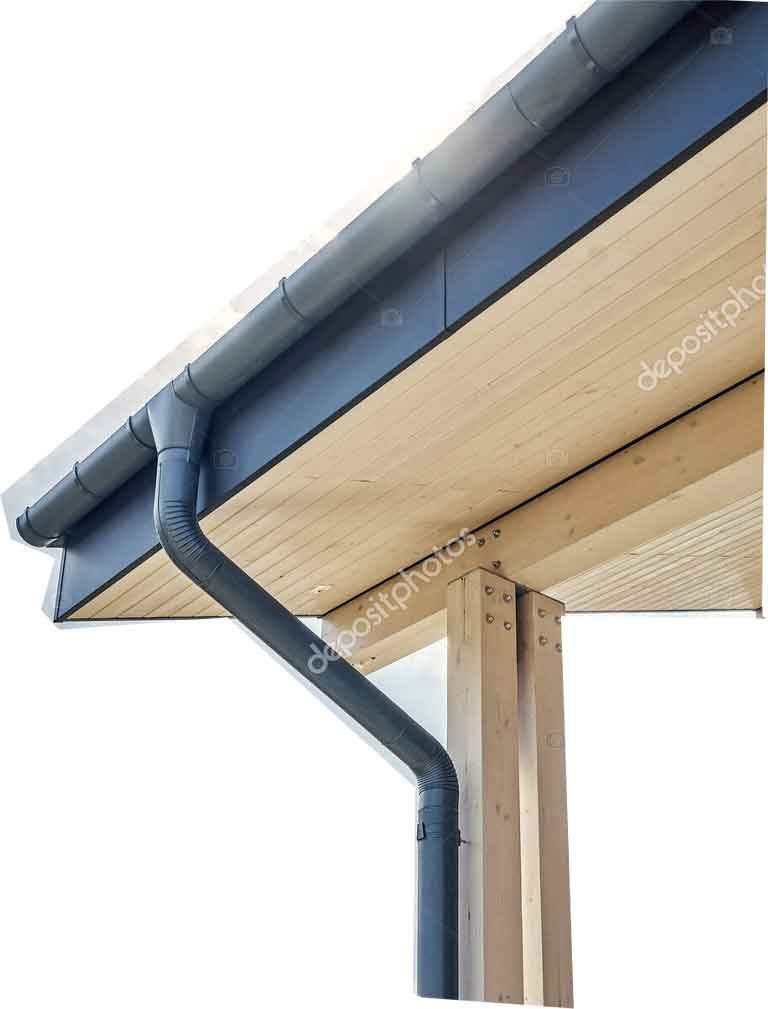




Tile shingles, whether made from clay or concrete, are considered an elite roofing material for hot climates because they combine exceptional durability with natural passive cooling properties. Unlike asphalt shingles that absorb heat and degrade in extreme sunlight, tile shingles are designed to resist high temperatures, reflect solar radiation, and significantly reduce energy consumption over time.
What is tile shingle?
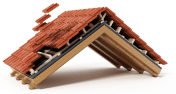
A tile shingle is a roofing unit made from clay or concrete that is installed in overlapping rows. It forms a durable, weather-resistant roof covering designed to handle heat, wind, and moisture.
What are the advantages of tile roofs?
Tile roofs offer long lifespan, fire resistance, wind durability, and natural insulation. They are especially effective in hot climates due to their ability to reflect heat and allow ventilation beneath the surface.
Are tile shingles better than asphalt shingles?
In hot climates, tile shingles generally outperform asphalt shingles in durability and energy efficiency. They last longer and resist UV damage better than asphalt.
Are there any disadvantages to tiled roofs?
Tile shingles are heavier than asphalt and may require structural reinforcement. They also have a higher upfront cost compared to traditional shingles.
Choosing the right roofing material is critical in regions where temperatures remain high for much of the year. Tile shingles have long been favored in warm climates because of their ability to handle intense sun exposure, resist thermal damage, and maintain performance for decades.
Whether you are considering a roof replacement or building a new home, understanding why tile shingles perform so well in hot environments can help you make a smarter investment. This guide explains how tile shingles manage heat, their durability benefits, cost considerations, and why they are a premium roofing option for sun-exposed regions.
Expert Insight on Tile Performance in Hot Climates
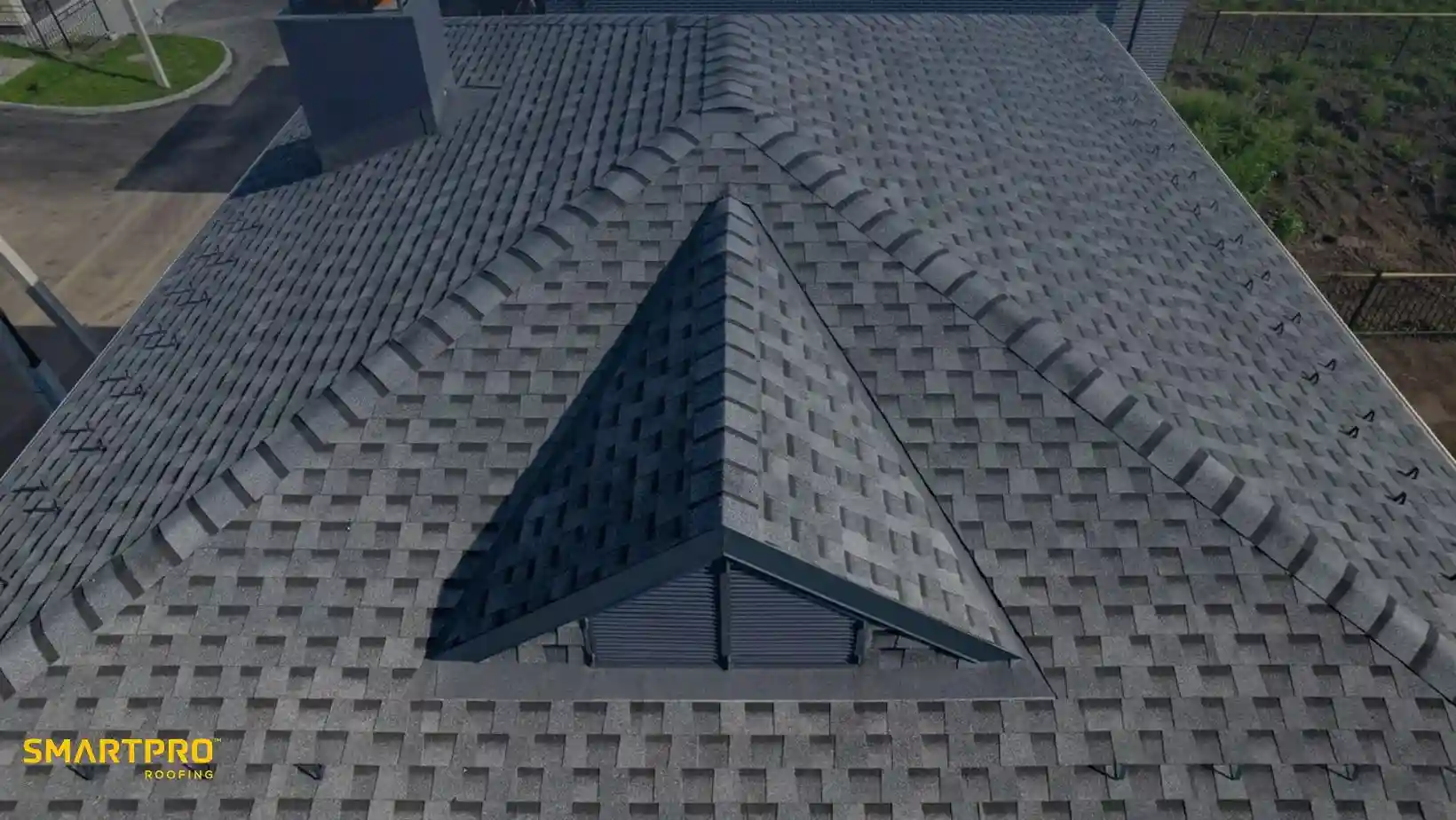
According to the U.S. Department of Energy, cool roofing materials with high solar reflectance can significantly reduce heat gain and lower cooling costs in warm climates. Clay and concrete tile systems are recognized for their ability to reflect sunlight and promote airflow that reduces attic temperatures.
Learn more from the Department of Energy’s Cool Roof guidance here:
U.S. Department of Energy Cool Roofs
This confirms why tile shingles are widely recommended in areas with prolonged heat exposure.
What Are Tile Shingles Made Of
Tile shingles are typically manufactured from natural clay or concrete. Clay tiles are kiln-fired to create a dense, durable surface that resists extreme temperatures. Concrete tile shingles are molded from cement, sand, and water, then cured to achieve strength and resilience.
Both types of tile shingles offer strong resistance to UV radiation, moisture intrusion, and temperature fluctuations. Their composition makes them far less susceptible to cracking or warping compared to asphalt shingles exposed to prolonged heat.
Because tile shingles are available in various shapes and colors, they can complement Mediterranean, Spanish, modern, and contemporary home designs.
How Tile Shingles Handle Extreme Heat
One of the key reasons tile shingles perform well in hot climates is their natural thermal properties. Unlike asphalt shingles, which absorb and retain heat, tile shingles reflect a significant portion of solar radiation.
The air gap beneath tile shingles also plays a major role in cooling performance. Proper installation creates natural ventilation channels between the tile surface and the roof deck. This airflow reduces heat transfer into the attic and lowers interior temperatures.
Over time, this passive cooling effect helps reduce reliance on air conditioning, leading to noticeable energy savings.
Durability in High Sun Exposure
Prolonged sun exposure is one of the biggest threats to many roofing materials. Asphalt shingles often degrade, dry out, and lose granules under constant UV radiation. Tile shingles, on the other hand, are specifically designed to withstand high solar intensity.
Clay tile shingles are fired at extremely high temperatures, making them resistant to thermal breakdown. Concrete tile shingles also maintain structural integrity even after decades of exposure.
This durability is a major reason why tile shingles often last 50 to 100 years in warm regions.
Energy Efficiency Benefits of Tile Shingles
Tile shingles contribute significantly to energy efficiency in hot climates. Their reflective surface reduces heat absorption, and their thermal mass slows heat transfer.
Because of this, homeowners may experience lower indoor temperatures even during peak summer months. Reduced cooling demand translates to lower electricity usage and energy bills.
If you are evaluating roofing options for energy performance, you can compare tile shingles and other materials instantly using SmartQuote to see exact pricing and efficiency benefits side by side.
Wind and Weather Resistance
In addition to handling heat, tile shingles also perform well in strong wind conditions. Properly installed tile shingles can withstand high wind speeds, making them suitable for coastal and hurricane-prone regions.
The weight of tile shingles provides natural resistance against uplift. When secured correctly, they remain stable even during severe weather events.
This combination of heat resistance and storm durability makes tile shingles one of the most resilient roofing systems available.
Longevity Compared to Asphalt Shingles
Tile shingles dramatically outperform asphalt shingles in lifespan. While asphalt roofs typically last 20 to 30 years in hot climates, tile shingles can last 50 years or more.
This extended lifespan reduces the frequency of roof replacement, making tile shingles a cost-effective long-term investment.
To estimate how much longer a tile roof could last compared to other materials, homeowners can use SmartQuote for personalized lifespan and pricing comparisons.
Are Tile Shingles Worth the Higher Upfront Cost
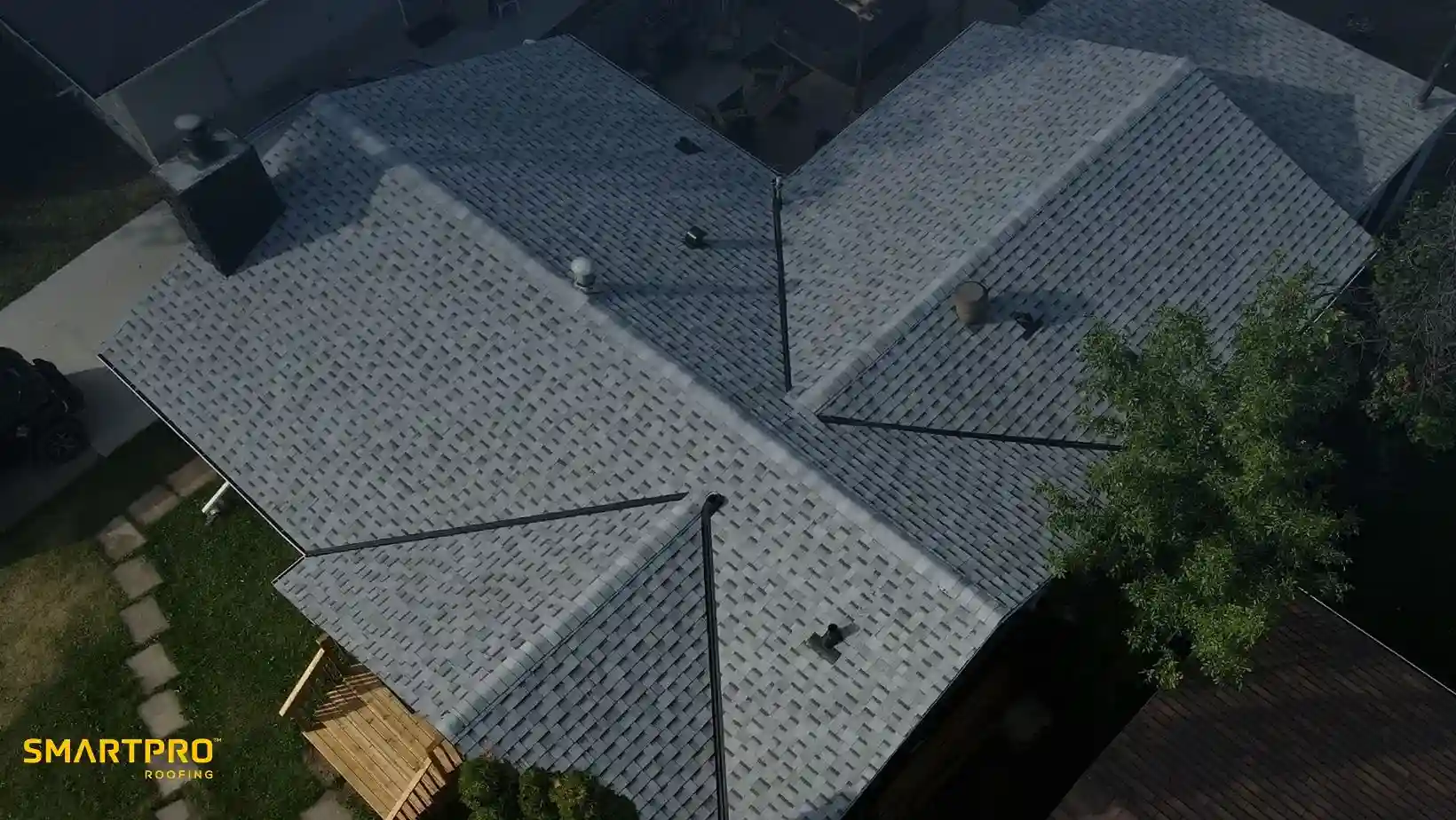
Tile shingles generally cost more than asphalt shingles at the time of installation. However, the longer lifespan, reduced maintenance, and energy savings often offset the initial expense.
Because tile shingles require fewer replacements over time, the total lifecycle cost may be lower than repeatedly installing asphalt shingles.
Homeowners can review transparent pricing and explore financing options through SmartQuote without in-person consultations.
Structural Considerations for Tile Shingles
Tile shingles are heavier than many other roofing materials. A structural evaluation is typically required before installation to ensure the home can support the weight.
In some cases, reinforcement may be necessary. While this adds to upfront cost, it ensures long-term structural stability and safety.
Once installed, tile shingles provide decades of protection with minimal issues.
Maintenance Requirements in Hot Climates
Tile shingles require relatively low maintenance. Occasional inspections help identify cracked tiles or debris buildup.
Because tile shingles resist UV damage, they maintain their appearance and structural performance longer than asphalt materials.
Cleaning and replacing individual tiles is straightforward, making long-term upkeep manageable.
Sustainability and Environmental Advantages
Clay and concrete tile shingles are made from natural materials. Many concrete tile systems incorporate recycled content.
Their long lifespan reduces landfill waste, and their energy efficiency lowers overall household energy consumption.
For environmentally conscious homeowners in hot climates, tile shingles represent a sustainable roofing solution.
Aesthetic Appeal in Sun-Exposed Regions
Tile shingles are often associated with Mediterranean and Spanish architectural styles, but modern designs are increasingly popular.
Their natural texture and color stability allow them to maintain visual appeal even after years of sun exposure.
Unlike asphalt shingles that may fade unevenly, tile shingles retain their color and structure for decades.
Are Tile Shingles Right for Your Home
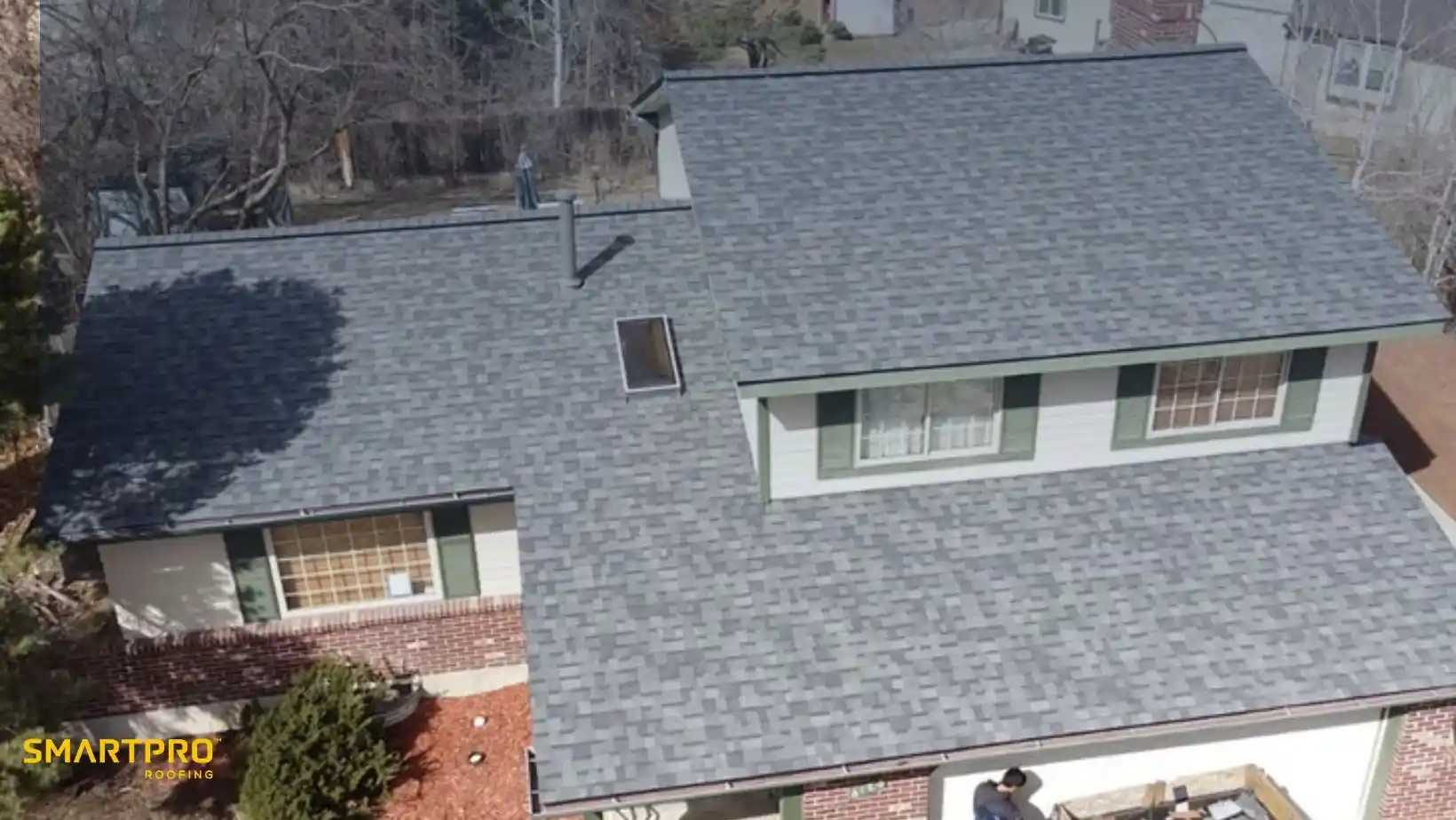
If you live in a region with prolonged heat, strong sunlight, or severe storms, tile shingles are one of the most reliable roofing choices available.
Their combination of heat resistance, wind durability, longevity, and energy efficiency makes them ideal for hot climates.
To determine if tile shingles are the best fit for your home and budget, you can explore exact pricing and material comparisons using SmartQuote.
Final Thoughts
Tile shingles continue to be a top choice in hot climates for good reason. They outperform asphalt shingles in durability, energy efficiency, and long-term value.
Although they require a higher upfront investment and proper structural support, the benefits often outweigh the costs.
For homeowners seeking a roofing solution that can handle intense sun exposure while reducing cooling demands, tile shingles remain one of the most dependable and high-performing options available.
Key Takeaways
- Tile shingles reflect solar heat and improve passive cooling
- Clay and concrete tile shingles resist UV damage and thermal breakdown
- Tile shingles last significantly longer than asphalt shingles
- Their weight provides natural wind resistance
- Energy efficiency benefits help reduce cooling costs
- Structural assessment may be required before installation
- Tile shingles are ideal for hot and sun-exposed climates
Get Started with Your Roof Today
Ready to see exactly what your new roof will cost and buy it entirely online without the sales pitch? Get your free SmartQuote today in just minutes through SmartPRO Roofing’s online platform.
Compare tile shingles, explore pricing, and plan your project with full transparency.
Related Reading: