


You should replace your roof if you notice missing shingles, leaks, sagging roof decks, moss growth, granule loss, or if your asphalt shingle roof is nearing 20–30 years old. These warning signs indicate your roof needs to be replaced to protect your home’s structure. A new roof not only prevents water damage but also improves energy efficiency and boosts property value.
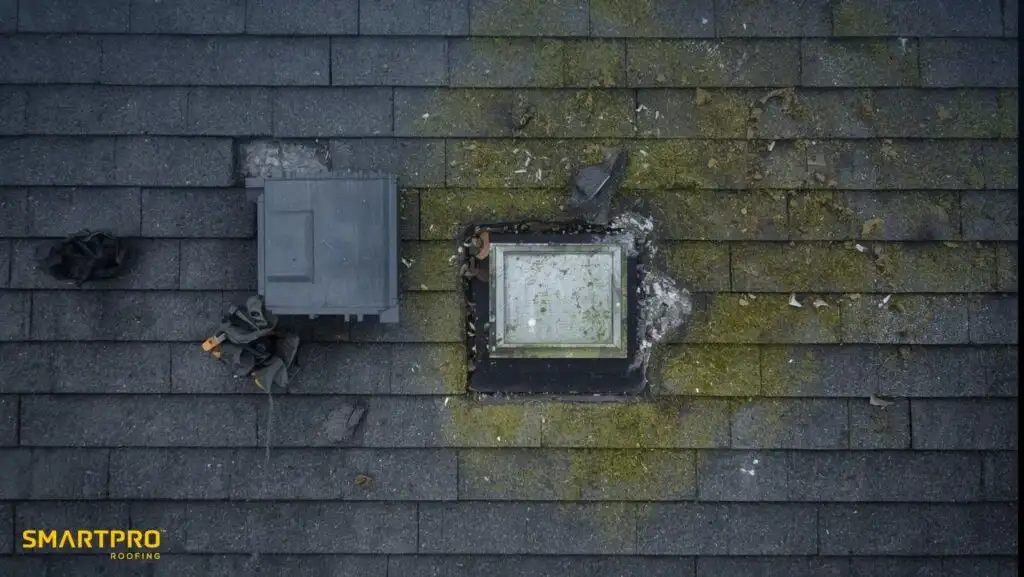
1. What Are the Clear Warning Signs It’s Time to Replace Your Roof?
Knowing when it’s time to replace your roof can feel overwhelming, but there are 7 signs that make the decision easier. A roof may need to be replaced when it no longer protects your home effectively. Let’s break down the most important signs:
- Missing shingles: If you spot missing shingles or curled edges on your shingle roof, that’s one of the earliest warning signs.
- Leaks and water damage: Stains in the attic, water spots on ceilings, or mold indicate your roof doesn’t provide proper waterproofing anymore.
- Sagging roof deck: A sagging or dipping roof deck is structural damage that signals it’s time for a full roof replacement.
- Granule loss: If your gutters contain piles of granules, it shows your asphalt shingles are breaking down.
- Age: Most asphalt shingle roofs last 20–30 years. If your roof is nearing that lifespan, it’s probably time to consider a new roof.
Bottom line: If you spot these important signs, don’t delay. Your roof needs to be replaced before further damage to your roof compromises the integrity of your home.
How Often Does a Roof Need to Be Replaced?
Every roof type has a different lifespan of a roof. While asphalt shingles are the most common in the U.S., other materials like metal, tile, or slate last longer.
- Asphalt shingle roof: 20–30 years (sometimes less in areas with high winds and heavy rain like Florida).
- Architectural shingles: 30–40 years if properly maintained.
- Metal roofs: 40–70 years, but require good flashing and roof covering protection.
- Tile or slate roofs: 50–100 years, making them one of the longest-lasting roofing materials.
Often a roof will show signs of wear before the end of its lifespan. If your roof is showing signs like leaks, cracked metal flashing, or sagging, it may be time for a replacement even if it’s not “old” by years.
What Are the 7 Signs You Need a New Roof?
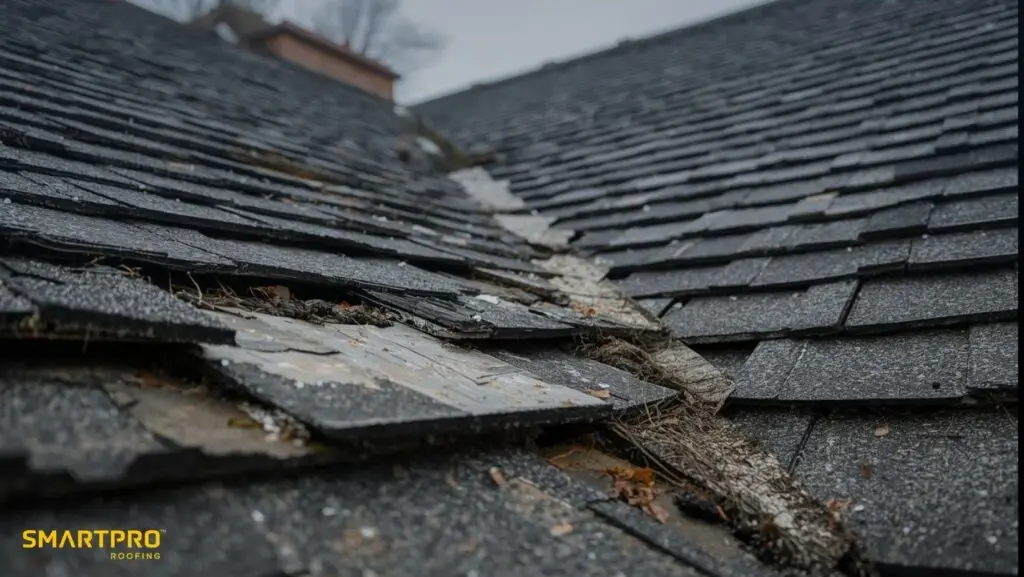
If you’re asking, “Do I need a new roof?”, here are the 7 signs it’s time to replace your roof:
- Missing shingles or damaged roof covering.
- Leaks in the attic or water stains on ceilings.
- Sagging roof deck or uneven spots on the roof surface.
- Granule loss, tiny black or gray particles in gutters.
- Moss growth or algae, especially in areas that don’t get much sunlight.
- The roof looks old, curled, cracked, or discolored existing shingles.
- Age, your roof is nearing the end of its expected lifespan.
If you spot signs like these, it’s a strong indication your roof needs attention and you should replace the roof before water damage spreads.
4. How Do I Know If I Should Repair or Replace My Roof?
A big question for many homeowners is whether to need to repair or commit to a full replacement.
- Repair: If the damage to your roof is limited (like a few missing shingles or small flashing issues), a roofing contractor may recommend simple roof repairs.
- Replace: If your roof is showing signs of widespread wear, sagging, or repeated leaks, a roof replacement is the best way to protect your home long-term.
Rule of thumb: If more than 25–30% of the roof covering is damaged, it’s time to consider a new roof instead of constant patchwork.
What Happens If You Don’t Replace a Roof That Needs to Be Replaced?
Delaying a roof replacement comes with risks. If your roof may need to be replaced but you ignore the warning signs, here’s what can happen:
- Water damage: Leaks can cause rot in your roof deck and attic, leading to structural damage.
- Mold growth: Persistent moisture encourages mold that spreads into walls.
- Increased costs: Waiting often means the cost of repairing hidden damage far exceeds the cost of replacing an old roof on time.
- Insurance issues: Your insurance company may not cover roof-related claims if they determine your roof was installed too long ago or not maintained.
In short, waiting too long to replace your roof puts the integrity of your roof, and your entire home at risk.
What Roofing Materials Should You Consider for a New Roof?
When you install a new roof, you’ll need to choose the right roofing material. Here are the top options:
- Asphalt shingles: Affordable, versatile, and available in standard and architectural shingles.
- Metal roofing: Long-lasting, durable, and energy-efficient. Great for Florida’s heat.
- Tile roofing: Extremely durable and fire-resistant, though heavy.
- Slate: Elegant and long-lasting but more expensive.
The type of roof you choose will depend on budget, climate, and how long you want the life of your roof to last.
Should I Tear Off or Just Add a New Layer of Shingles?
Some homeowners wonder: “Can I just add a layer of shingles over my old ones instead of a full tear-off?”
- Re-roofing (adding a layer): This might seem cheaper, but it only hides problems. If your roof needs to be replaced, adding a layer won’t fix underlying damage.
- Tear-off and replace: This is the best option for a damaged roof, as it allows a roofing contractor to inspect the roof deck, replace metal flashing, and install a stronger new roof.
If you’re thinking, “Should I replace my roof or just patch it?”, a tear-off is usually the right choice for long-term durability.
How Do I Inspect My Roof for Signs of Damage?
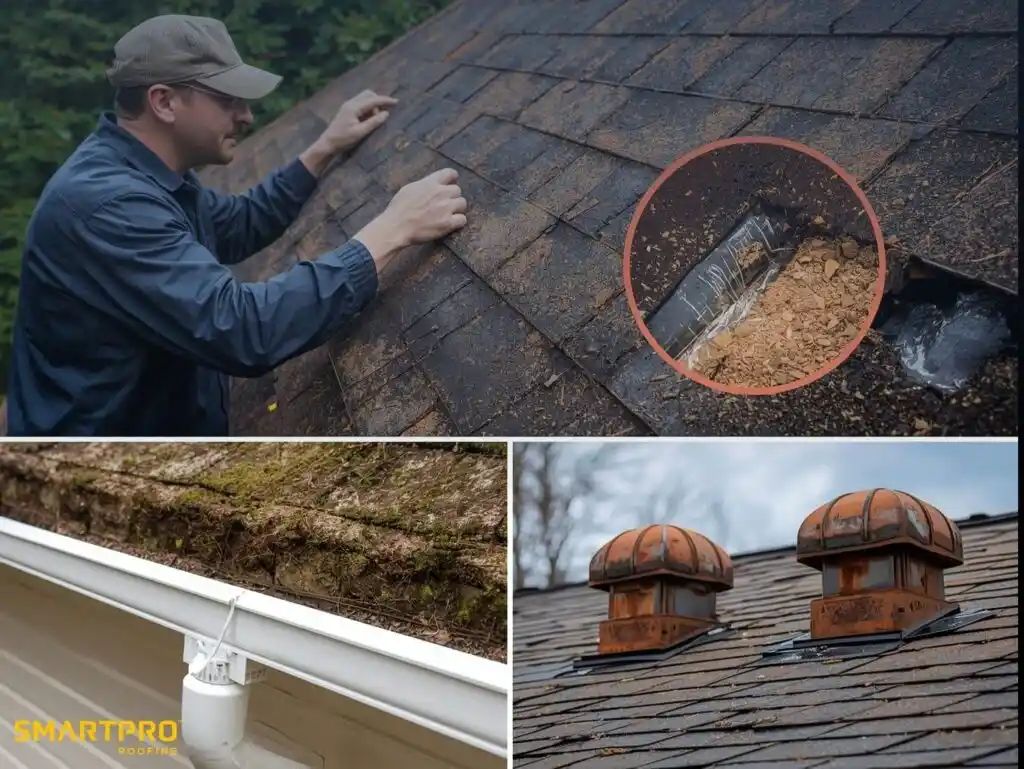
Regular inspections are key to knowing when it’s time to replace your roof.
- Check your roof visually: Look for signs of damage, like missing shingles or cracked flashing.
- Inspect the attic: Signs of water damage or stains indicate leaks.
- Look at gutters & vents: Granules, moss, or rusted vents can indicate the roof is showing signs of wear.
Scheduling a professional roofing contractor inspection once a year helps keep your home protected and extends the life of your roof.
What’s the Average Cost of Replacing an Old Roof?
The cost of a full roof replacement varies depending on the type of roof, size, and roofing material. On average:
- Asphalt shingle roof: $7,500–$12,000
- Architectural shingles: $10,000–$15,000
- Metal roof: $15,000–$25,000
- Tile or slate: $20,000+
Investing in a new roof pays off by improving energy efficiency, reducing future repairs, and increasing your property’s resale value.
Know It’s Time? Get Your Exact Roof Quote Now
Florida roofs face extra wear from storms, humidity, and heat, which means replacement often comes sooner than expected. With SmartPro Roofing, you don’t have to guess what a new roof will cost.
Using our SmartQuote Tool powered by advanced satellite imagery, you’ll get exact pricing in under an hour, no vague estimates, no hidden fees. Pair that with our premium materials and precision installation, and you’ll have a roof built to protect your home for decades.
Ready to see your numbers? Get your exact roof quote now with SmartQuote.
FAQs: When to Replace a Roof
- How do I know if I need a new roof?
Look for warning signs like leaks, missing shingles, or sagging areas. - What is the lifespan of a shingle roof in Florida?
Most asphalt shingle roofs last 15–20 years in Florida due to storms. - Should I repair or replace my roof?
Minor roof damage can be repaired, but if your roof is nearing the end, it’s best to replace the roof. - What roofing material lasts the longest?
Slate and tile can last 50–100 years, while asphalt shingles usually last 20–30 years. - How do I protect my roof from damage?
Schedule annual inspections, clean gutters, and protect your roof from moss and debris.