


In Florida, clay tile roofs can last 50 to 100 years, concrete tile roofs generally last 50 to 60 years, and composite tile roofs last 25 to 50 years. The lifespan of any tile roof in Florida depends on factors like hurricanes, humidity, UV exposure, installation quality, and ongoing maintenance. Regular inspections are essential to catch cracked or missing tiles early and prevent major water damage.
What is the lifespan of a tile roof in Florida?
Tile roofs in Florida typically last 25 to 100 years depending on the material. Clay lasts the longest, concrete follows, and composite varies widely based on product quality.
How long do clay tile roofs last?
Clay tile roofs in Florida commonly last 50 to 100 years due to their natural durability and resistance to heat and moisture.
What is the lifespan of a composite roof?
Composite tile roofs usually last 25 to 50 years depending on the manufacturer, UV resistance, and how well they are maintained.
What is the lifespan of a concrete roof?
Concrete tile roofs typically last 50 to 60 years in Florida, especially when maintained and installed correctly.
The Federal Emergency Management Agency notes that properly installed tile roofing can offer exceptional wind resistance and long-term performance in hurricane-prone regions, emphasizing the importance of installation quality and attachment methods.
Florida’s coastal climate exposes every roof to a harsh combination of heat, UV radiation, heavy rain, high humidity, tropical storms and hurricanes. Tile roofing is widely used across the state because of its strength, longevity and ability to withstand hot, humid conditions better than many other materials. Still, not all tile roofs perform the same in Florida’s environment.
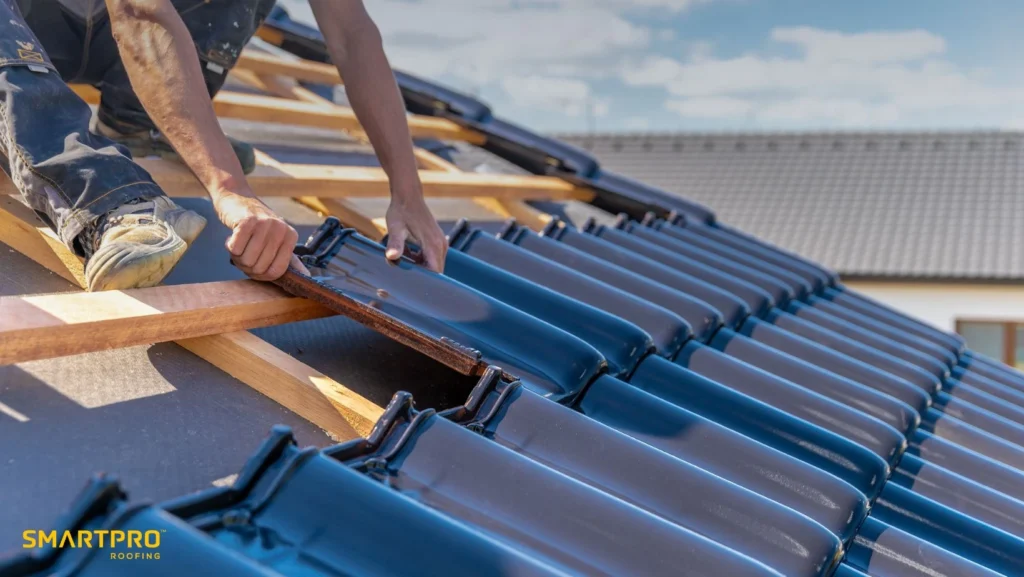
This guide breaks down the real tile roof lifespan in Florida for clay, concrete and composite systems, what affects their longevity and how homeowners can get the most life out of their roof. Throughout the article, you will also find mentions of SmartQuote, SmartPRO Roofing’s online tool that helps homeowners compare roofing materials and pricing instantly without in-home visits.
How Florida’s Climate Affects Tile Roof Lifespan
Florida’s climate accelerates wear on tile roofing more than most regions. High humidity can create moisture retention problems, while the sun’s UV radiation weakens underlayment over time. Frequent storms loosen tiles, crack ridge caps and cause fastener corrosion.
Hurricane-force winds are especially damaging. Even though clay and concrete tiles are extremely strong, improper fastening or deteriorated underlayment can cause tiles to shift or blow off. In most cases, the tiles themselves outlast the underlayment, meaning the roof’s true lifespan depends on both components working together.
Many homeowners use SmartQuote to compare tile roofing systems and underlayment options so they can see the cost difference between repair, partial replacement and full replacement.
Clay Tile Roof Lifespan in Florida
Clay tile roofs are considered the longest-lasting option available in Florida. High-quality clay fired at the proper temperature is naturally resistant to moisture, salt air, mold and UV radiation.
In Florida, a well-installed clay tile roof lasts 50 to 100 years. The tiles rarely fail; instead, the underlayment beneath them ages far faster. Underlayment typically lasts 20 to 30 years in Florida before needing replacement. This means many clay tile roofs require an underlayment overhaul at least once during their lifetime.
Clay tiles also resist color fading better than concrete or composite systems. Because Florida experiences intense solar exposure, the color-retention advantage helps maintain curb appeal.
Homeowners often use SmartQuote to compare the price difference between replacing only the underlayment or doing a full tile system upgrade.
Concrete Tile Roof Lifespan in Florida
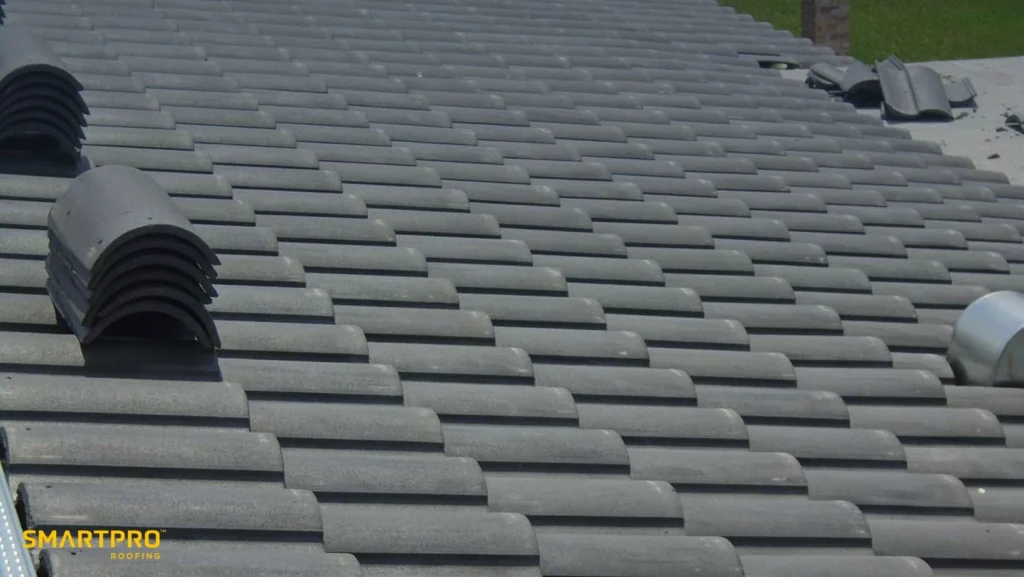
Concrete tile roofs are extremely popular across Florida because they offer impressive durability at a lower cost compared to clay. Concrete tiles typically last 50 to 60 years in Florida.
While concrete tiles are strong, they are more porous than clay. Over time, moisture absorption and UV exposure can lead to surface erosion or fading. Still, concrete tiles handle heavy rain and high winds well when installed correctly.
As with clay roofs, underlayment replacement is the biggest determining factor of overall lifespan. Most Florida homes with concrete tile roofs require underlayment work at the 20 to 25-year mark. Ignoring underlayment issues leads to leaks, mold and deck damage even if the tiles look perfectly fine from the outside.
If you want to compare the cost of a concrete tile roof to other materials, you can do so in minutes through SmartQuote.
Composite Tile Roof Lifespan in Florida
Composite tile roofs cover a wide range of materials including synthetic polymer tiles, recycled materials and engineered blends designed to mimic clay or slate. In Florida, composite tile roofs typically last 25 to 50 years depending on product quality and UV resistance.
The biggest advantage of composite tiles is lighter weight, which makes installation easier and reduces stress on the roof structure. However, the downside is that low-quality composite tiles may degrade faster in high UV conditions. Florida’s intense sun can cause warping, curling or fading if the product is not rated for extreme heat.
Routine maintenance and inspections help extend composite tile lifespan. Homeowners comparing composite roofs to traditional tile often use SmartQuote to understand the price differences and long-term value.
Why Underlayment Determines Real Tile Roof Lifespan
While clay, concrete and composite tiles are durable on their own, the hidden underlayment is the component most affected by Florida’s climate. Underlayment protects the roof deck from water intrusion and acts as the primary waterproofing layer.
In Florida, high humidity, heat and storm activity shorten underlayment lifespan to 20 to 30 years. Once it deteriorates, leaks develop even if the tiles look perfect. This is why many tile roofs require a “lift and relay” process where tiles are temporarily removed, underlayment is replaced, and tiles are reinstalled.
SmartQuote helps homeowners estimate the cost of underlayment replacement compared to installing an entirely new roof system.
How Hurricane Season Impacts Tile Roof Longevity
Hurricanes are one of the biggest reasons tile roof lifespan varies so widely across Florida. Even high-wind-rated tiles can shift or dislodge under extreme pressure. Loose tiles quickly become debris hazards during strong storms.
Homes near the coastline face even more intense winds and salt exposure, which accelerates fastener corrosion. Corroded nails and clips cause tiles to loosen or slip out of alignment.
A properly installed tile roof using hurricane-rated fastening systems can greatly improve storm performance. The FEMA P-499 guidance referenced earlier highlights the importance of proper attachment and inspection after major storms.
Maintenance Practices That Extend Tile Roof Lifespan
Regular inspections are essential for maximizing tile roof lifespan in Florida. Homeowners should check for cracked, slipped or missing tiles, especially after heavy storms. Clearing debris from valleys and gutters prevents water backups that damage underlayment.
Pressure washing should be done cautiously, as overly aggressive washing can damage the surface coating of concrete or composite tiles and lift edges where water can intrude. Soft washing is typically safer.
Sealant around vents, flashing and ridges should be checked annually. Many homeowners schedule maintenance right before hurricane season to reduce risk.
Common Problems That Shorten Tile Roof Lifespan
Several issues commonly affect tile roofs in Florida:
Cracked tiles
Often caused by debris impact, foot traffic or wind-driven branches.
Slipped tiles
A result of fastener corrosion, improper installation or strong wind activity.
Underlayment failure
The most common cause of leaks in Florida tile roofs.
Flashing deterioration
Creates entry points for wind-driven rain, especially around chimneys and skylights.
Moisture intrusion
Occurs when tile layers trap water, leading to mold or rot.
Addressing these problems early prevents costly structural repairs.
When Is Tile Roof Replacement Necessary?
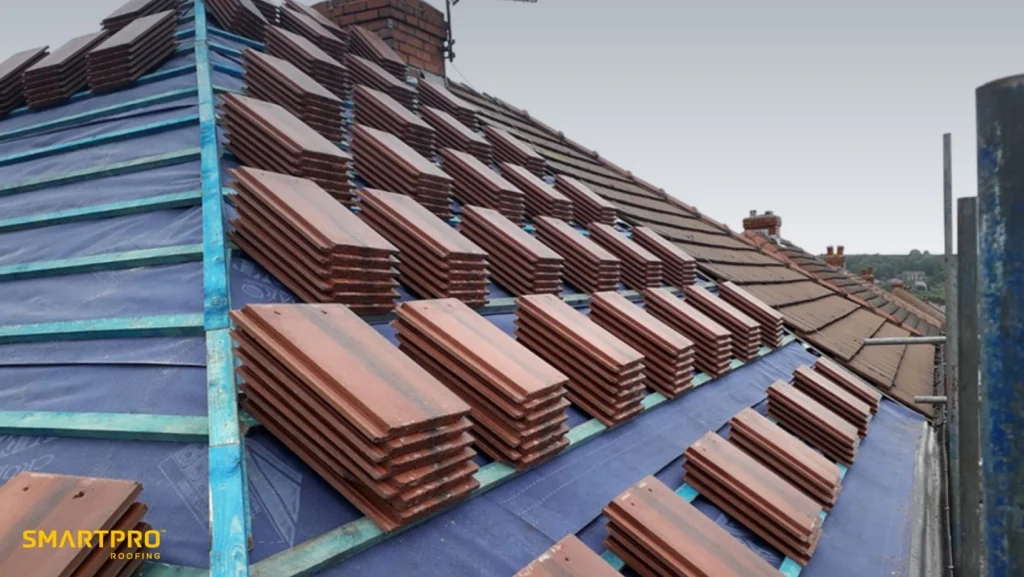
A tile roof may need replacement when underlayment is severely deteriorated, multiple areas show chronic leakage or tiles are damaged beyond repair. Although clay tiles last the longest, if the majority are cracked or if the roof deck is compromised, full replacement becomes necessary.
Sometimes partial repairs are cost-effective, particularly when tiles are still in good shape. Other times, replacing the whole system provides better long-term value. SmartQuote helps homeowners compare repair versus replacement costs quickly and clearly.
How to Get the Most Life from a Tile Roof in Florida
Here are the key steps to extending tile roof lifespan:
- Schedule professional inspections at least once per year
- Replace cracked or shifted tiles immediately
- Ensure valleys and gutters stay clear
- Use soft washing techniques instead of high-pressure cleaning
- Recoat or reseal surfaces when necessary
- Repair flashing and fasteners promptly
- Monitor attic ventilation to prevent heat buildup
A well-maintained tile roof can last decades longer than a neglected one, especially in Florida’s climate.
Key Takeaways
- Clay tile roofs last 50 to 100 years in Florida.
- Concrete tile roofs last 50 to 60 years.
- Composite tile roofs last 25 to 50 years.
- Underlayment typically lasts 20 to 30 years and often determines true roof lifespan.
- Florida’s heat, storms and humidity accelerate wear on all tile systems.
- Annual inspections and maintenance significantly extend roof life.
- SmartQuote helps homeowners compare tile roofing options and costs instantly.
Get Started With Your Roof Today
Ready to see exactly what your new roof will cost and buy it entirely online without the sales pitch? Get your free SmartQuote in minutes!
Related Reading: