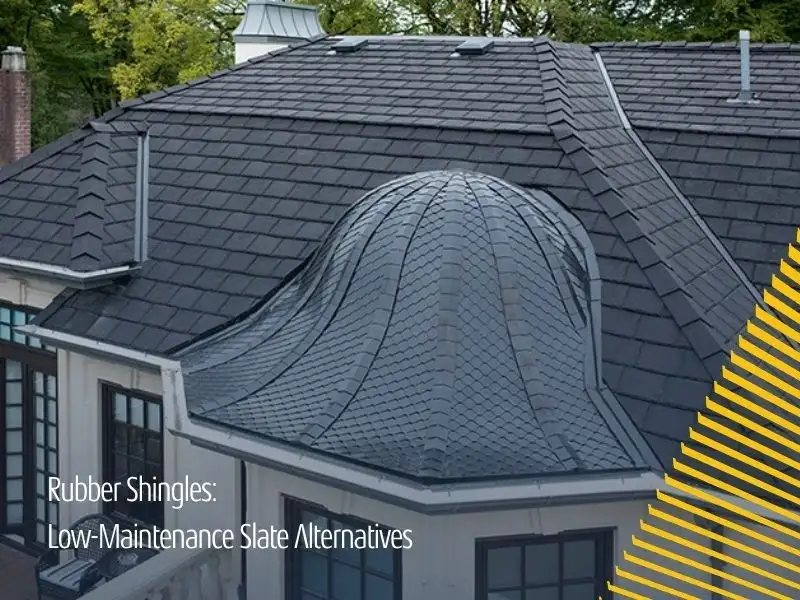



Slate roofing is a premium, natural stone roofing material renowned for its exceptional longevity and high end aesthetic appeal, often lasting over a century. It is a popular choice for historic restorations and luxury homes due to its durability, fire resistance, and unique natural appearance. While offering significant long term value, slate shingles require a high initial investment and specialized installation.
What is slate shingles?
Slate shingles are roofing shingles made from natural slate stone that is quarried, cut, and shaped into thin tiles. They are installed individually on a roof and are known for their strength, longevity, and distinctive natural look.
What are the benefits of a slate roof?
The main benefits of a slate roof include extreme durability, resistance to fire and moisture, low maintenance needs, and a lifespan that can exceed 100 years when properly installed.
What is the best slate for roofing?
The best slate for roofing is dense, low absorption slate that has proven durability in freeze thaw cycles. Hard slate from well known quarries is typically considered the highest quality.
Is slate the same as shingles?
Slate is a material, while shingles describe the shape and installation method. Slate shingles are shingles made specifically from slate stone, different from asphalt or composite shingles.
Slate shingles have been used as a roofing material for centuries and remain one of the most respected options available today. Known for their elegance, strength, and longevity, slate shingles are often found on historic buildings, high end custom homes, and architectural landmarks.
Homeowners considering slate shingles are usually looking for a roof that offers unmatched durability and visual appeal. While the upfront cost is higher than many other roofing options, slate shingles can deliver long term value that few materials can match. This guide explains what slate shingles are, the different types available, their benefits, costs, and how to maintain them properly.
Expert Insight on Slate Roofing Longevity
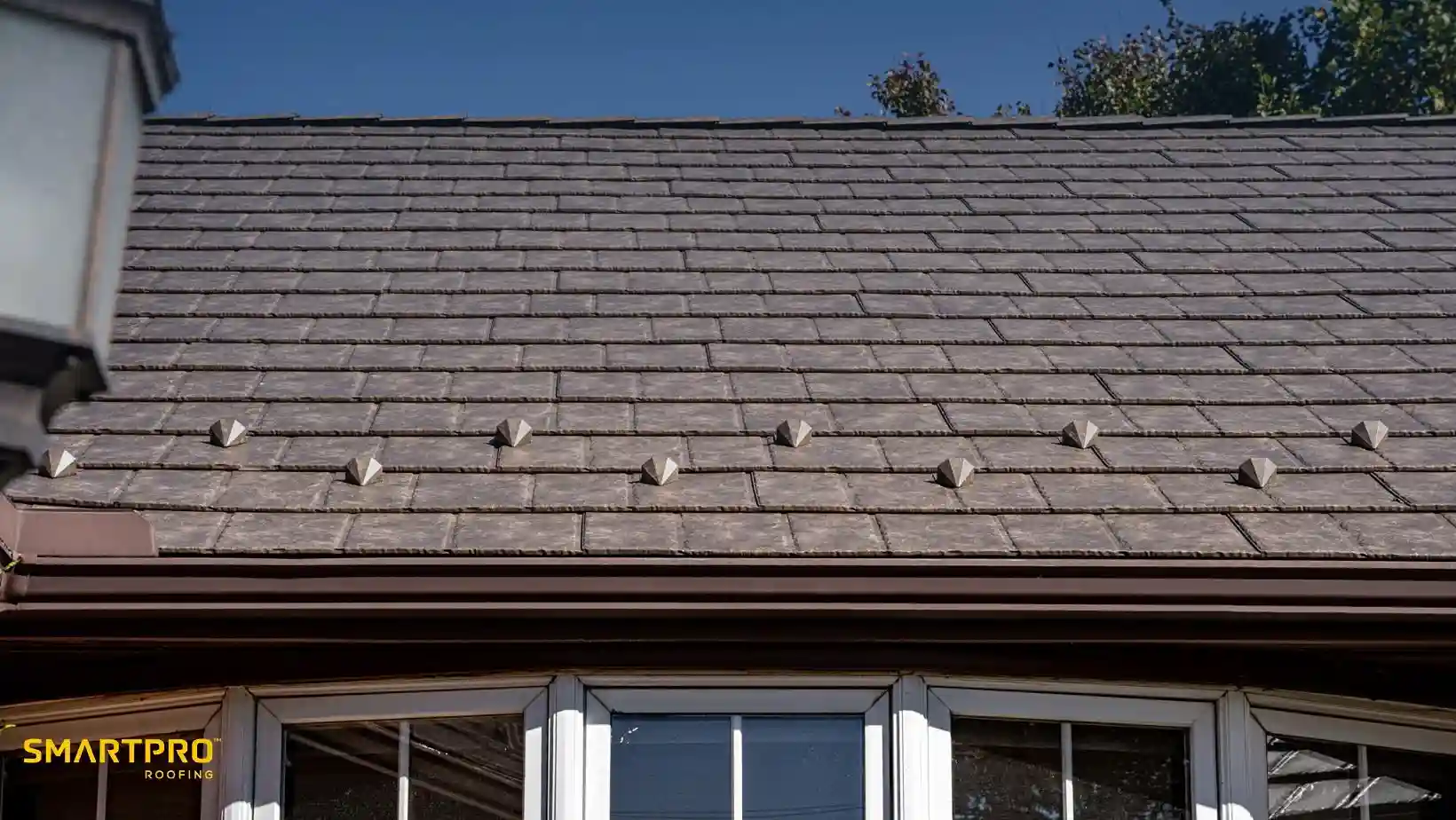
According to the National Park Service, properly installed natural slate roofs can last 100 years or more, making them one of the longest lasting roofing materials available for both historic and modern structures.
What Are Slate Shingles Made Of?
Slate shingles are made from metamorphic rock that forms under intense heat and pressure over millions of years. This natural process creates a dense, layered stone that can be split into thin, durable pieces ideal for roofing.
Each slate shingle is unique in color and texture, giving roofs a natural variation that cannot be replicated by manufactured materials. Common colors include gray, black, green, purple, and red, depending on the mineral composition of the slate.
Because slate shingles are stone, they are naturally resistant to fire, insects, and rot. This inherent durability is one of the main reasons slate has remained a trusted roofing choice for generations.
Types of Slate Shingles
There are several types of slate shingles available, each offering different characteristics and price points.
Natural slate shingles are quarried stone and represent the traditional and most durable option. They are available in soft slate and hard slate varieties. Hard slate is generally preferred due to its longer lifespan and lower water absorption.
Synthetic slate shingles are made from engineered materials designed to mimic the appearance of natural slate. While lighter and more affordable, they do not match the lifespan or authenticity of real slate shingles.
Textural slate shingles feature varying thicknesses for a more rustic and dimensional appearance. Graduated slate uses thicker shingles at the bottom of the roof and thinner ones toward the top, adding visual depth and strength where needed most.
Benefits of Slate Shingles
Slate shingles offer a range of benefits that set them apart from other roofing materials.
One of the most notable benefits is longevity. A properly installed slate roof can last longer than the home itself, often exceeding 100 years. This makes slate shingles a generational investment rather than a short term solution.
Slate shingles are also fire resistant, which adds a high level of safety to the home. Since slate is stone, it does not ignite or contribute to the spread of fire.
Another major benefit is aesthetic appeal. Slate shingles provide a timeless, upscale look that enhances curb appeal and can increase property value. Their natural color variations create a sophisticated appearance that works well with both traditional and modern designs.
Slate Shingles and Durability
Durability is one of the defining characteristics of slate shingles. They resist damage from wind, rain, snow, and temperature fluctuations better than most roofing materials.
Unlike asphalt shingles, slate does not deteriorate from UV exposure. It also does not absorb much moisture, which helps prevent cracking in freeze thaw conditions when high quality slate is used.
Because slate shingles are individual tiles, damage is often localized. A single broken shingle can be replaced without disturbing the surrounding roof, preserving the overall integrity of the system.
Cost of Slate Shingles
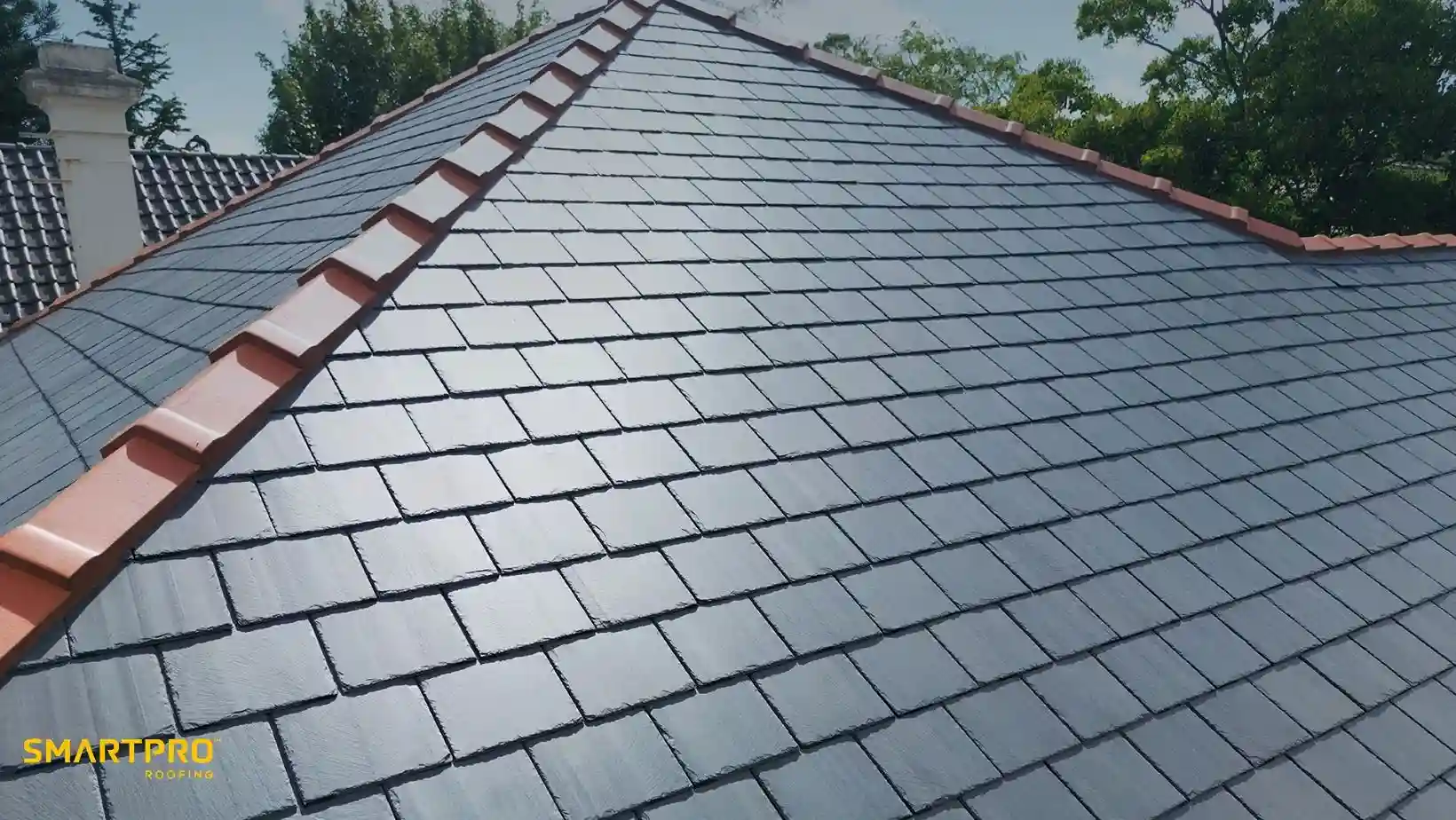
Slate shingles are considered one of the most expensive roofing options available. Costs vary widely depending on the type of slate, roof complexity, and labor requirements.
Material costs for natural slate shingles are significantly higher than asphalt or metal options. Installation costs are also higher because slate requires specialized skills, tools, and experience.
However, when evaluated over its lifespan, slate shingles can be cost effective. Since the roof may never need full replacement, long term ownership costs can be lower compared to replacing cheaper materials multiple times.
Homeowners can use SmartQuote to compare slate shingles with other premium roofing options and see how long term value aligns with upfront investment. SmartQuote provides transparent online pricing to help plan confidently.
Installation Requirements for Slate Shingles
Slate shingles require a strong roof structure due to their weight. Before installation, the roof framing must be evaluated to ensure it can support the load.
Installation involves precise placement, proper fastening, and careful handling to avoid cracking the stone. Copper or stainless steel nails are typically used to prevent corrosion over time.
Because of the complexity, slate shingles should only be installed by experienced professionals who specialize in slate roofing. Improper installation can significantly shorten the lifespan of the roof.
Slate Shingles vs Other Roofing Materials
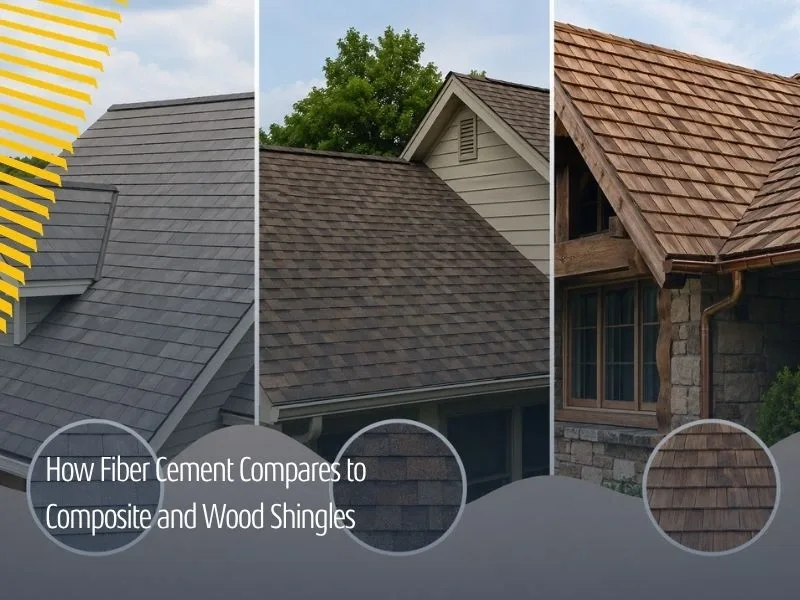
Compared to asphalt shingles, slate shingles last far longer and offer superior resistance to fire and weather. Asphalt shingles are more affordable initially but require replacement every 20 to 30 years.
Metal roofing offers durability and energy efficiency but does not match the historic authenticity or stone aesthetic of slate shingles.
Wood shakes provide a natural look but are vulnerable to fire, insects, and moisture. Slate shingles offer a similar natural appeal without these risks.
Using SmartQuote allows homeowners to compare slate shingles with asphalt, metal, and other materials side by side, making it easier to evaluate performance, lifespan, and cost.
Maintenance of Slate Shingles
Slate shingles require relatively low maintenance compared to many other roofing materials. Routine inspections help identify cracked or slipped shingles early.
Maintenance typically involves replacing individual damaged shingles, checking flashing, and ensuring fasteners remain secure. Walking directly on slate shingles should be avoided, as they can crack under concentrated pressure.
With proper care, slate shingles maintain their appearance and performance for decades without the need for major repairs.
Common Issues With Slate Shingles
While slate shingles are extremely durable, they are not immune to issues. Improper installation is one of the most common causes of failure.
Fastener corrosion can occur if the wrong materials are used. Over time, nails may deteriorate while the slate itself remains intact, causing shingles to slip.
Another potential issue is impact damage from falling branches or severe storms. Fortunately, these issues are usually isolated and repairable.
Is Slate Roofing Right for Your Home?
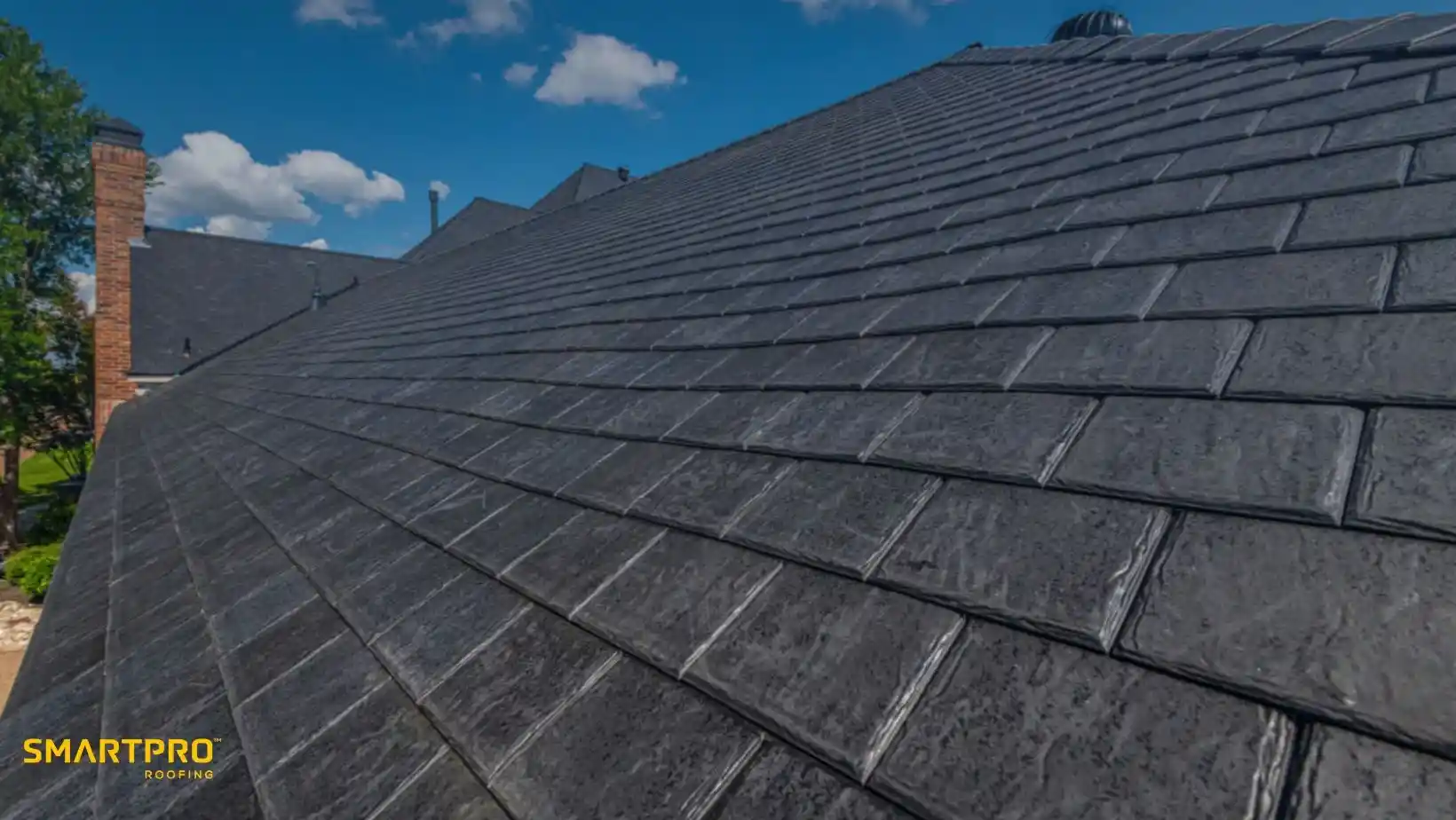
Slate shingles are ideal for homeowners who value longevity, architectural beauty, and long term investment. They are especially well suited for historic homes, luxury properties, and custom builds.
However, slate may not be the right choice for every budget or structure. Homes with lightweight framing or limited budgets may be better served by alternative materials.
Using SmartQuote can help determine whether slate shingles are a practical option based on your home’s structure, location, and budget.
Environmental Benefits of Slate Shingles
Slate shingles are an environmentally responsible roofing choice. They are made from natural stone, contain no chemicals, and require minimal processing.
Because slate roofs last so long, they reduce waste associated with repeated roof replacements. At the end of their life, slate shingles can often be reused or recycled.
This durability and reusability make slate shingles an appealing option for homeowners focused on sustainability and long term resource efficiency.
Planning a Slate Shingle Roof Project
Planning is essential when choosing slate shingles. Homeowners should consider structural requirements, installation expertise, and long term ownership goals.
Early planning helps avoid surprises and ensures the roof system is designed correctly from the start. This includes underlayment selection, flashing details, and ventilation considerations.
SmartQuote simplifies early planning by offering an online way to explore pricing, materials, and project scope without sales pressure.
Key Things to Remember
- Slate shingles are made from natural stone and can last over 100 years
- They offer exceptional durability, fire resistance, and visual appeal
- Installation requires specialized skills and a strong roof structure
- Upfront costs are high, but long term value is unmatched
- Maintenance is minimal when installed correctly
- SmartQuote helps compare slate shingles with other roofing options easily
Get Started With Your Roof Today
Ready to see exactly what your slate shingle roof will cost and buy it entirely online without the sales pitch? Get your free SmartQuote today!
Related Reading: