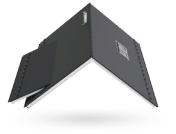



Traditional solar panels mounted on racks offer higher efficiency, typically around 20 to 22 percent, lower upfront costs, and easier maintenance compared to solar shingles. Solar shingles are integrated directly into the roof system, providing better aesthetics and dual functionality as both roofing material and energy generator. However, they usually cost 50 to 100 percent more than traditional panels. Solar panels are best for homeowners focused on maximizing savings, while solar shingles are ideal for new construction or those prioritizing appearance and seamless roof design.
Who makes the best solar shingles?
Several manufacturers produce high quality solar shingles, including companies specializing in building integrated photovoltaics. Brands such as GAF Energy, CertainTeed, and Tesla have developed integrated roofing systems that combine energy production with durable roofing materials. The best option often depends on roof design, climate, and energy goals.
What is the most popular shingle brand?
In the broader roofing market, asphalt shingles remain the most widely used roofing material in the United States. Brands like GAF, Owens Corning, and CertainTeed dominate the traditional shingle market due to affordability, durability, and availability.
What are the top 10 solar panel brands?
Leading solar panel brands globally include SunPower, LG, Panasonic, Canadian Solar, Trina Solar, Jinko Solar, REC, Q CELLS, LONGi Solar, and Silfab Solar. These brands are recognized for efficiency ratings, durability, and performance warranties.
Which brand of solar is the best?
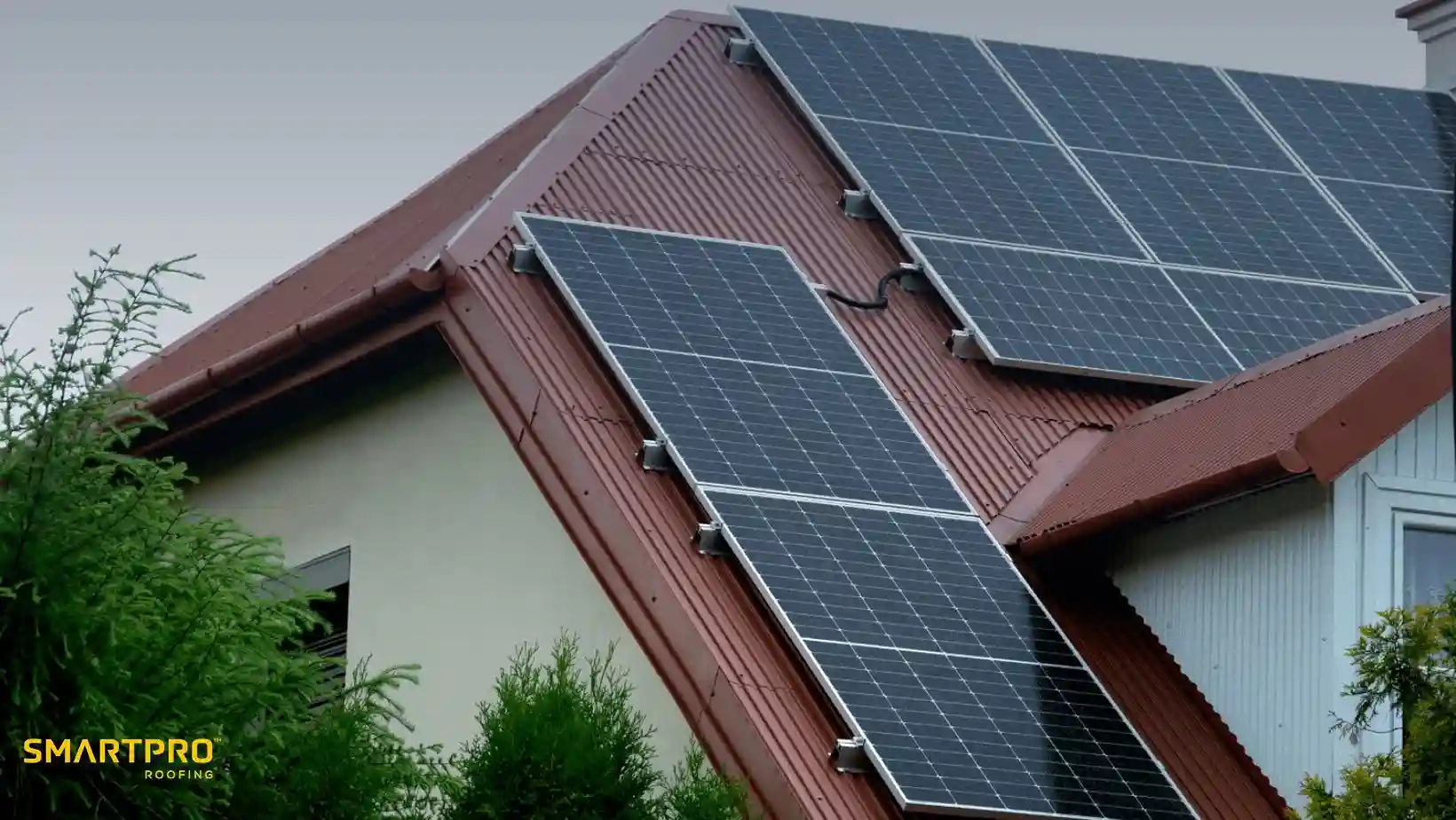
There is no single best brand for every homeowner. The best solar system depends on roof size, climate, budget, and long term energy goals. High efficiency panels may be ideal for smaller roofs, while integrated solar shingles may suit homeowners seeking a seamless roof appearance.
Choosing between solar shingles vs. traditional solar panels is one of the biggest decisions homeowners face when considering renewable energy. Both systems convert sunlight into electricity, reduce energy bills, and increase property value. However, they differ significantly in installation, maintenance, lifespan, and cost.
Understanding how solar shingles vs. traditional solar panels compare in real world applications will help you decide which solution fits your home, budget, and long term plans. This guide breaks down efficiency, installation process, roof integration, durability, and total investment so you can make an informed choice.
According to the U.S. Department of Energy, “Solar photovoltaic systems are durable and require minimal maintenance, and most systems last 25 to 30 years or more.” The Department also notes that system efficiency and roof integration impact long term performance.
What Are Solar Shingles?
Solar shingles are photovoltaic roofing materials designed to replace traditional roof shingles. Instead of mounting panels on top of the roof, solar shingles become part of the roof itself. They function as both a roofing material and an energy producing system.
These shingles blend into the roof surface, making them appealing to homeowners who prioritize aesthetics. Solar shingles vs. traditional solar panels often becomes a design conversation because shingles offer a sleek, low profile appearance.
Unlike rack mounted systems, solar shingles are installed during roof construction or roof replacement. That means they are especially popular in new builds where homeowners are already investing in a new roof.
What Are Traditional Solar Panels?
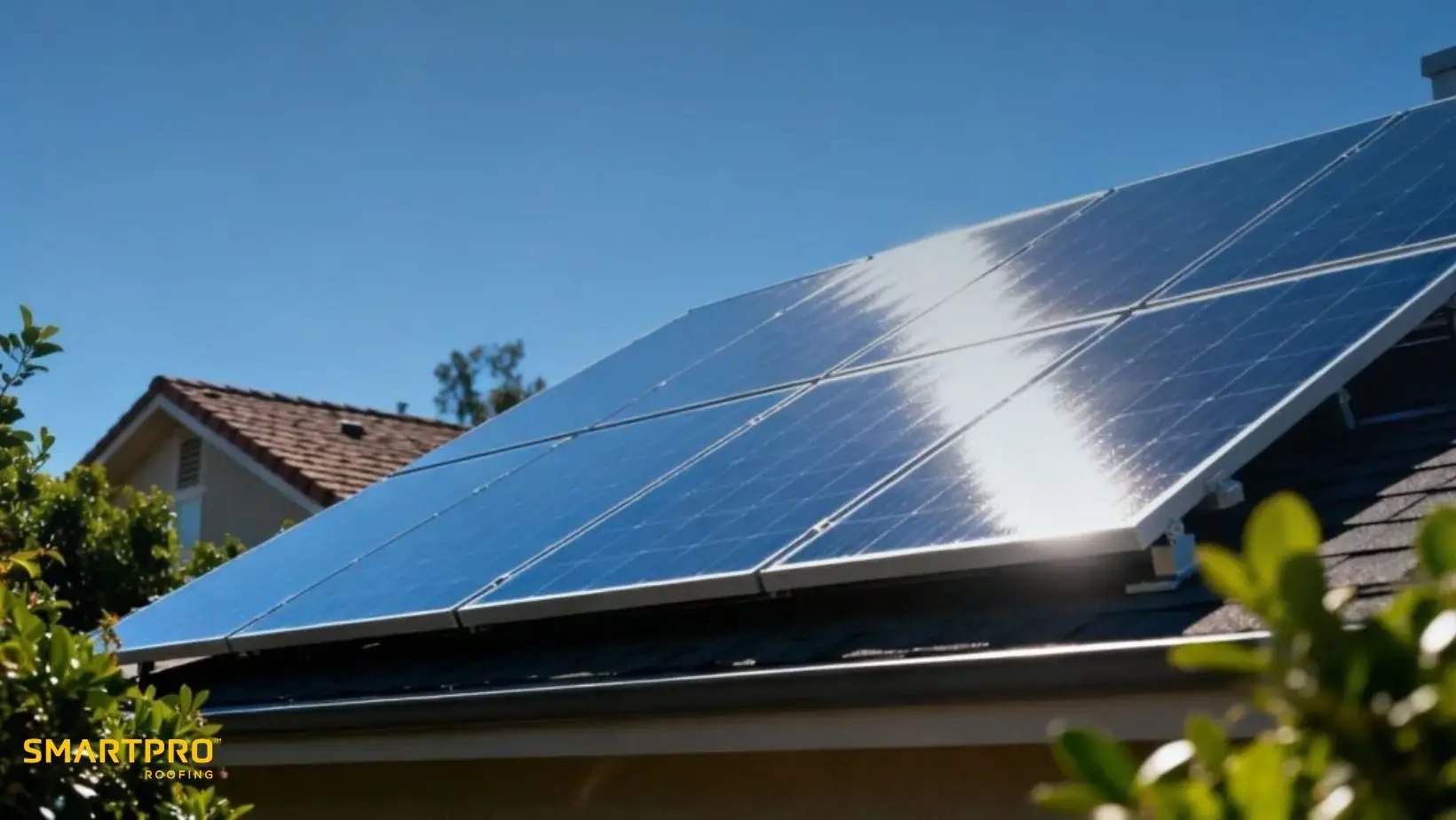
Traditional solar panels are mounted on racks attached to the roof surface. These panels sit above the existing roofing material and capture sunlight efficiently due to adjustable positioning and airflow underneath the panels.
When comparing solar shingles vs. traditional solar panels, panels typically deliver higher efficiency. Modern panels commonly achieve 20 to 22 percent efficiency, which translates into more electricity production per square foot.
Panels can be installed on most roof types without replacing the entire roof. That flexibility makes them a popular option for homeowners who want to add solar without changing their existing roof structure.
Installation Process: Solar Shingles vs. Traditional Solar Panels
Installation is one of the biggest differences between solar shingles vs. traditional solar panels. Solar shingles require removal of the existing roofing material. They must be integrated into the roof deck during construction. This makes the installation process more complex and often longer.
Traditional solar panels, on the other hand, are mounted on top of the existing roof. A solar installer secures mounting brackets, attaches rails, and fastens panels in place. In many cases, installation can be completed within one to three days.
Solar shingles are best suited for homeowners already planning a roof replacement. If you are getting a new roof and want an integrated look, shingles may be worth the investment. If your roof is in good condition, panels are typically easier and faster to install.
Cost Comparison
Cost plays a major role in the solar shingles vs. traditional solar panels debate. Traditional panels are generally more affordable. Installation costs typically range between $2.50 and $3.50 per watt, depending on system size and region.
Solar shingles often cost 50 to 100 percent more. The higher price reflects the dual function of acting as both roofing and solar technology. Because they replace roofing material, part of the cost can offset the expense of a new roof, but overall investment remains higher.
For homeowners focused primarily on saving money and maximizing return on investment, traditional solar panels usually provide faster payback. For those prioritizing aesthetics and seamless roof design, shingles may justify the premium.
Efficiency and Energy Output
Efficiency determines how much electricity a solar system can generate from sunlight. Traditional solar panels currently outperform solar shingles in efficiency ratings. Panels commonly achieve 20 to 22 percent efficiency. Solar shingles typically operate closer to 14 to 18 percent.
That difference means panels generate more electricity per square foot. On homes with limited roof space, traditional panels may be the better solution.
However, for larger roofs with ample surface area, solar shingles can still produce sufficient energy to meet household needs. The decision often comes down to available roof space and energy consumption goals.
Maintenance Requirements
Maintenance differs between solar shingles vs. traditional solar panels. Traditional panels are easier to access for cleaning and repairs. If one panel malfunctions, it can usually be replaced individually without disturbing the roof.
Solar shingles are integrated into the roofing system. While they are designed for durability, repairs can be more complex because they are embedded into the roof structure.
Both systems require periodic inspection, debris removal, and inverter maintenance. Fortunately, modern solar systems are built for minimal upkeep. Proper roof maintenance and periodic inspection help ensure optimal energy production over time.
Lifespan and Durability
Most traditional solar panels come with warranties ranging from 25 to 30 years. Many continue producing electricity beyond that period, though at reduced efficiency.
Solar shingles are built to match or exceed the lifespan of premium roofing materials. Many manufacturers offer warranties between 25 and 30 years as well. Because they serve as roofing material, they are designed to withstand wind, rain, and impact.
When evaluating solar shingles vs. traditional solar panels, both systems offer long service life. The difference lies more in efficiency and replacement logistics than in overall durability.
Aesthetic Appeal
Aesthetic considerations strongly influence the solar shingles vs. traditional solar panels decision. Solar shingles blend seamlessly into the roof surface, maintaining clean architectural lines.
Traditional panels are more visible. While newer designs are sleeker, they still sit above the roof surface. Some homeowners do not mind the appearance, while others prefer the integrated look of shingles.
For high end homes or strict neighborhood design guidelines, solar shingles may be the preferred choice.
Roof Compatibility and Structural Considerations

Solar panels can be installed on many roof types including asphalt shingles, metal roofs, and tile systems. Structural assessment ensures the roof can support additional weight.
Solar shingles require full integration into the roof deck. They are often best suited for new construction projects or full roof replacements.
If your roof is nearing the end of its lifespan, replacing it before installing panels is recommended.
Return on Investment
Traditional solar panels generally provide faster financial returns due to lower installation costs and higher efficiency. Energy savings accumulate more quickly, shortening the payback period.
Solar shingles offer long term value through dual functionality. They serve as roofing material and energy generation system. While initial costs are higher, they may enhance property appeal and resale value.
Homeowners considering a roof upgrade can explore pricing for roof replacement through SmartQuote before adding solar integration. Understanding roof costs is a critical step in evaluating overall investment.
Environmental Impact
Both systems reduce reliance on fossil fuels and lower carbon emissions. Solar shingles vs. traditional solar panels both contribute to renewable energy adoption.
Higher efficiency panels may reduce the number of modules required. Solar shingles contribute by integrating renewable energy into the roof without altering visual design.
The environmental benefits are substantial either way. The decision ultimately depends on budget, roof condition, and design preferences.
Final Thoughts
Solar shingles vs. traditional solar panels each offer unique advantages. Panels provide higher efficiency, lower cost, and easier maintenance. Solar shingles deliver aesthetic integration and dual purpose roofing functionality.
If saving money and maximizing energy output is your top priority, traditional solar panels are typically the best option. If you are building a new home or replacing your roof and want seamless integration, solar shingles may be the right fit.
Get Started with Your Roof Today
Ready to see exactly what your roof replacement will cost and buy it entirely online without the sales pitch? Get your free SmartQuote today!
Related reading: