


TPO roofing, short for Thermoplastic Polyolefin roofing, is a widely used single ply roofing system designed for low slope and flat roofs. It is known for its bright, reflective surface, strong heat welded seams, durability, and resistance to UV radiation, chemicals, and punctures. In Florida’s hot and humid climate, TPO roofing stands out as an energy efficient and cost effective option for commercial buildings and select residential properties, helping reduce cooling costs while delivering reliable long term performance.
What is a TPO roofing?
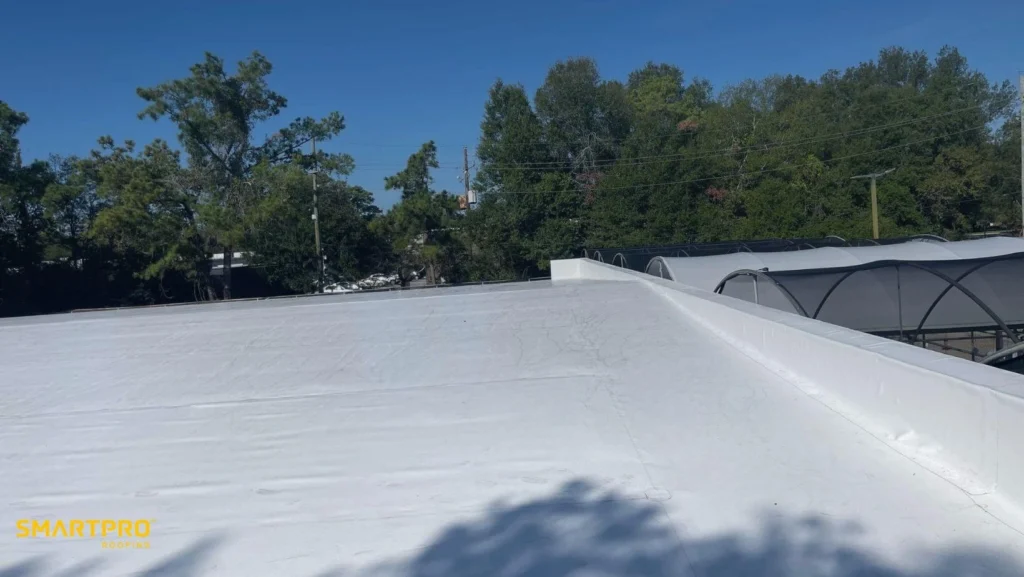
TPO roofing is a single ply synthetic roofing membrane made from a blend of polymers and rubber. It is commonly installed on flat or low slope roofs and is heat welded at the seams to create a continuous waterproof layer that resists leaks.
What are the disadvantages of TPO roofing?
Some early generations of TPO roofing experienced formulation inconsistencies that affected long term durability. While modern products are significantly improved, proper installation and material quality remain critical for performance.
How long does TPO roofing last?
A properly installed TPO roofing system can last 20 to 30 years, depending on climate conditions, maintenance practices, and membrane thickness.
Which roof is better, EPDM or TPO?
TPO roofing offers higher reflectivity and better energy efficiency in hot climates, while EPDM performs well in colder regions. In Florida, TPO roofing is often the preferred choice due to its heat reflective properties.
Florida presents one of the most challenging environments for any roof. Intense sun, high humidity, frequent rain, and seasonal storms demand roofing systems that can handle heat, moisture, and long term exposure without sacrificing performance. TPO roofing has become one of the most popular solutions for these conditions, especially for commercial and low slope residential roofs.
This article explores TPO roofing in depth, focusing on why it performs so well in hot and humid climates like Florida. You will learn how TPO roofing works, its energy efficiency advantages, durability, cost considerations, and how it compares to other roofing systems. If you are planning a roof replacement or evaluating options, this guide will help you decide whether TPO roofing is the right fit.
Expert Insight on TPO Roofing Performance
According to the U.S. Department of Energy, cool roofing systems such as white TPO membranes can significantly reduce roof surface temperatures and lower cooling demand in hot climates, improving overall building energy performance.
What Is TPO Roofing Made Of?
TPO roofing is a thermoplastic membrane composed of polypropylene and ethylene propylene rubber. These materials are combined to create a flexible yet durable sheet that can withstand temperature fluctuations, UV exposure, and mechanical stress.
Unlike traditional roofing systems that rely heavily on adhesives or mechanical fasteners alone, TPO roofing membranes are heat welded at the seams. This process fuses the material together, forming a continuous layer that is stronger than the membrane itself. For Florida roofs that face heavy rain and wind driven moisture, this seam strength is a major advantage.
The roof membrane is typically installed over insulation and a cover board, creating a complete roofing assembly designed to manage heat, moisture, and structural movement.
Why TPO Roofing Is Ideal for Florida’s Climate
Florida’s climate combines extreme heat with persistent humidity, which can accelerate roof deterioration. TPO roofing is engineered to handle these conditions efficiently.
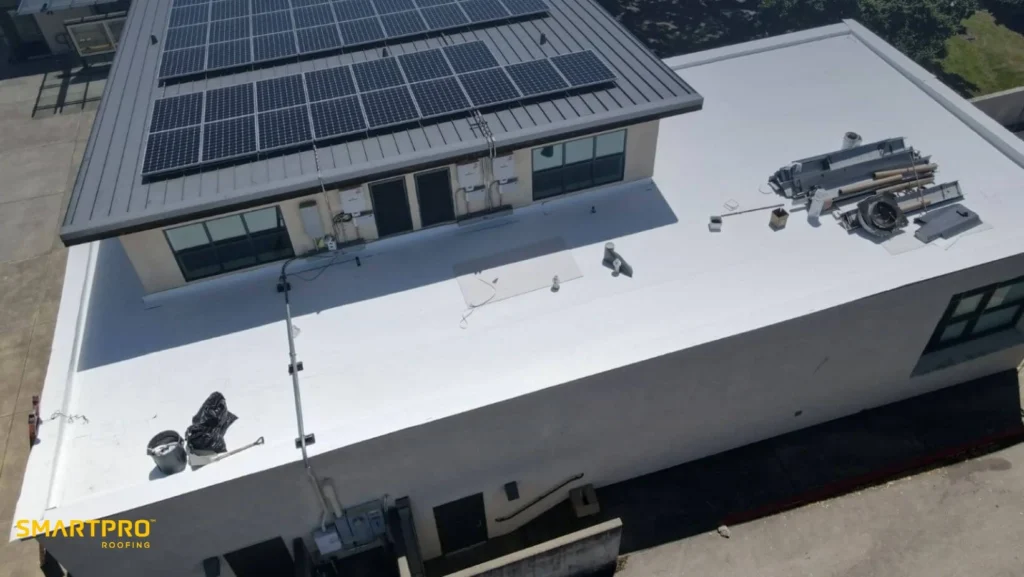
The white or light colored surface reflects a significant portion of solar radiation. This reduces heat absorption, keeping the roof surface cooler and limiting heat transfer into the building. In hot regions, this reflective quality directly supports lower indoor temperatures and reduced cooling demand.
Additionally, TPO roofing resists mold growth and chemical exposure, both common concerns in humid environments. Its waterproof nature helps protect the roof structure during heavy rain events, which are frequent throughout Florida.
Energy Efficiency Benefits of TPO Roofing
Energy efficiency is one of the strongest reasons property owners choose TPO roofing. The reflective membrane reduces heat gain, which in turn lowers the workload on HVAC systems.
In commercial buildings with large roof areas, this effect can translate into substantial energy savings over time. TPO roofing supports compliance with energy efficiency standards and contributes to sustainable building practices.
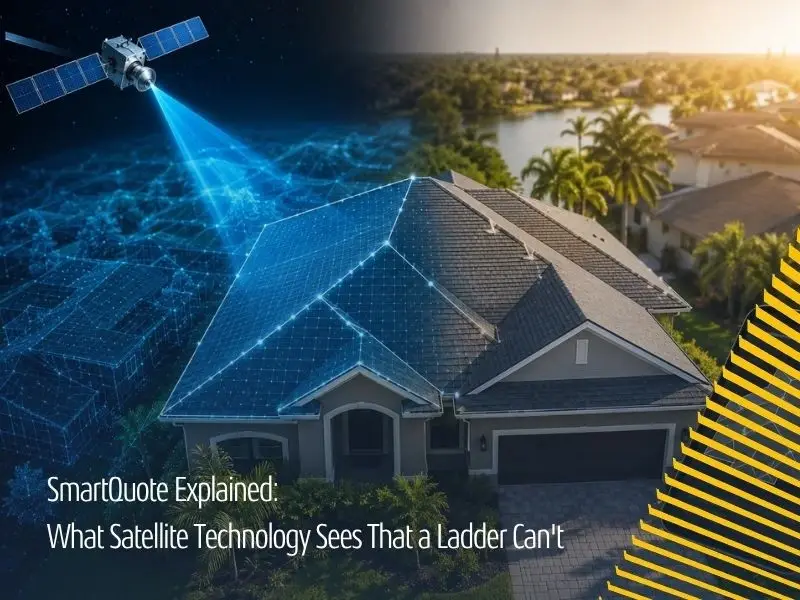
Many building owners use SmartQuote to compare TPO roofing systems with other roof materials. SmartQuote allows you to see how energy efficient options impact overall project cost and long term value, all through an online process.
How TPO Roofing Handles Humidity and Moisture
Humidity is one of the biggest threats to roof performance in Florida. Moisture intrusion can lead to leaks, insulation damage, and reduced roof lifespan.
TPO roofing membranes are inherently waterproof. The heat welded seams eliminate common weak points found in other roof systems. This seamless barrier helps prevent water infiltration even during heavy storms.
The material also resists ponding water better than many alternatives, which is essential for flat and low slope roofs where drainage can be slower.
Durability and Resistance to UV Exposure
Constant sun exposure can cause roofing materials to crack, dry out, or lose flexibility. TPO roofing is designed with UV stabilizers that help maintain performance over time.
The membrane remains flexible even after years of exposure, reducing the risk of splits or surface degradation. This durability makes TPO roofing well suited for Florida, where roofs face intense UV radiation year round.
When evaluating roof replacement options through SmartQuote, durability metrics are often a key factor in choosing TPO roofing over darker or less reflective materials.
TPO Roofing Installation Methods
Proper installation plays a major role in how well a TPO roofing system performs. The membrane can be installed using fully adhered, mechanically attached, or ballasted methods, depending on the building design.
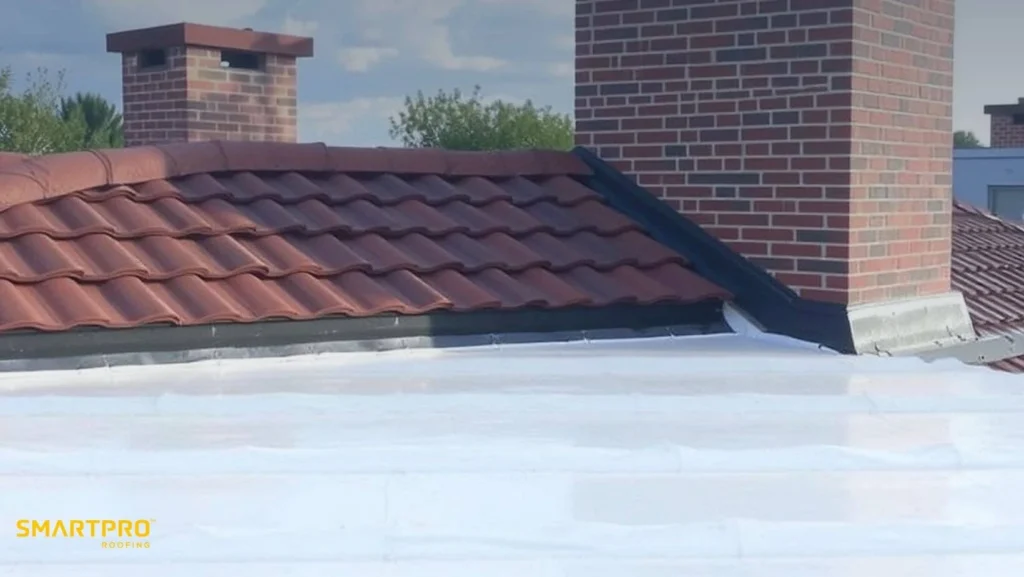
Heat welding is used to bond seams, penetrations, and flashing details. This creates a uniform, watertight surface that enhances leak protection. In Florida, attention to edge details and wind uplift resistance is especially important.
A well installed TPO roofing system supports long term performance and helps minimize the need for roof repairs.
TPO Roofing vs Other Flat Roofing Systems
When comparing flat roof options, TPO roofing is often evaluated alongside EPDM and PVC systems.
EPDM is a rubber based membrane that performs well in colder climates but absorbs more heat. PVC offers strong chemical resistance but typically comes at a higher cost. TPO roofing balances affordability, energy efficiency, and durability, making it a popular choice in hot regions.
For building owners weighing these options, SmartQuote makes it easy to compare roof material choices and pricing without in person consultations.
Maintenance and Longevity of TPO Roofing
TPO roofing systems are relatively low maintenance compared to many traditional roofs. Routine inspections help ensure seams remain intact and that debris does not interfere with drainage.
Cleaning the membrane periodically helps maintain reflectivity and energy performance. When properly maintained, TPO roofing can last two to three decades, delivering strong return on investment.
If damage does occur, localized repairs are often straightforward, extending roof life without requiring full replacement.
Cost Considerations for TPO Roofing in Florida
TPO roofing is generally considered a cost effective roofing solution, especially for large roof areas. Material costs are competitive, and installation efficiency helps control labor expenses.
While upfront pricing varies based on roof size, insulation needs, and installation method, many owners find that long term energy savings offset initial investment.
SmartQuote provides transparent, exact pricing for TPO roofing projects. By answering a few questions online, you can see how TPO roofing compares to other systems in terms of cost and performance.
TPO Roofing for Commercial and Residential Use
TPO roofing is most commonly used on commercial buildings, warehouses, and multifamily properties. However, it is also suitable for residential homes with flat or low slope roofs.
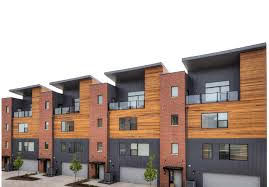
In Florida, modern architectural designs increasingly incorporate low slope roof sections where TPO roofing fits well. Its clean appearance and energy benefits make it an attractive option beyond traditional commercial use.
For property owners managing multiple buildings, TPO roofing offers consistency and predictable performance across different structures.
Sustainability and Environmental Benefits
TPO roofing supports sustainable building goals by improving energy efficiency and reducing cooling demand. Many membranes are recyclable at the end of their service life, contributing to reduced environmental impact.
The reflective surface helps mitigate heat buildup in densely developed areas, supporting broader environmental benefits beyond individual buildings.
These factors make TPO roofing a strong choice for owners focused on long term sustainability in Florida’s climate.
Planning a TPO Roofing Project
Before installing TPO roofing, it is important to assess roof condition, insulation needs, and drainage design. These factors influence performance and longevity.
Using SmartQuote early in the planning process allows you to explore options, compare roof materials, and understand exact pricing without pressure or sales visits.
This approach simplifies decision making and helps ensure the roof system selected aligns with performance and budget goals.
Common Myths About TPO Roofing
Some misconceptions suggest TPO roofing is less durable due to issues with early formulations. Modern TPO products have addressed these concerns through improved manufacturing standards.
Another myth is that white roofs are harder to maintain. In reality, routine cleaning is simple and supports better energy performance.
Understanding these facts helps building owners make informed decisions based on current technology, not outdated information.
Is TPO Roofing Right for Your Florida Property?
Choosing the right roof depends on climate, building design, and long term goals. For Florida properties facing intense heat and humidity, TPO roofing offers a strong balance of energy efficiency, durability, and value.
It performs especially well on flat and low slope roofs where traditional materials struggle with heat and moisture.
If you are deciding between roof systems, exploring TPO roofing through SmartQuote can clarify whether it fits your specific project.
Key Takeaways
- TPO roofing is a single ply membrane designed for flat and low slope roofs
- Its reflective surface improves energy efficiency in hot climates
- Heat welded seams provide strong leak protection
- TPO roofing resists UV exposure, moisture, and chemical damage
- It offers long lifespan with relatively low maintenance
- SmartQuote makes it easy to compare TPO roofing costs online
Get Started with SmartQuote
Ready to see exactly what your TPO roofing project will cost and buy it entirely online without the sales pitch? Get your free SmartQuote today in just minutes through SmartPRO Roofing’s online platform.
Related Reading: