




Natural slate is an authentic, fireproof stone roofing material with a lifespan of 100 years or more, while synthetic or composite slate is a lightweight, more affordable polymer alternative that typically lasts 40 to 50 years. Natural slate is best suited for historic or high end homes that can support its weight, while synthetic slate works well for budget conscious projects that need easier installation and less roof reinforcement.
How long do natural slates last?
Natural slate shingles can last 100 to 150 years or longer when properly installed and maintained. Many historic buildings still have original slate roofs in service today.
What are the pros and cons of slate shingles?
Slate shingles are extremely durable, fire resistant, and visually distinctive. However, they are heavy, expensive, and require specialized installation skills.
What is the average lifespan of a slate roof?
A natural slate roof often lasts over a century, while synthetic slate roofs generally last between 40 and 50 years.
What are the disadvantages of slate?
The main disadvantages are high upfront cost, significant weight that may require structural reinforcement, and limited availability of qualified installers.
Choosing the right roofing material is a major decision for any homeowner. Slate shingles have long been associated with durability, beauty, and prestige, but not all slate roofs are the same. Today, homeowners often compare Natural Slate vs. Synthetic Slate Shingles when planning a roof replacement. Understanding the key differences between these materials can help you balance cost, performance, appearance, and long term value.
This guide explains how natural slate and synthetic slate compare in lifespan, durability, cost, installation requirements, and suitability for different types of homes. Whether you are restoring a historic property or planning a modern roof upgrade, this article will help you make an informed decision.
According to the U.S. National Park Service, natural slate is one of the most durable roofing materials available, with many slate roofs lasting well over a century when properly installed and maintained. The agency notes that slate performance depends heavily on stone quality and craftsmanship.
What Are Natural Slate Shingles?
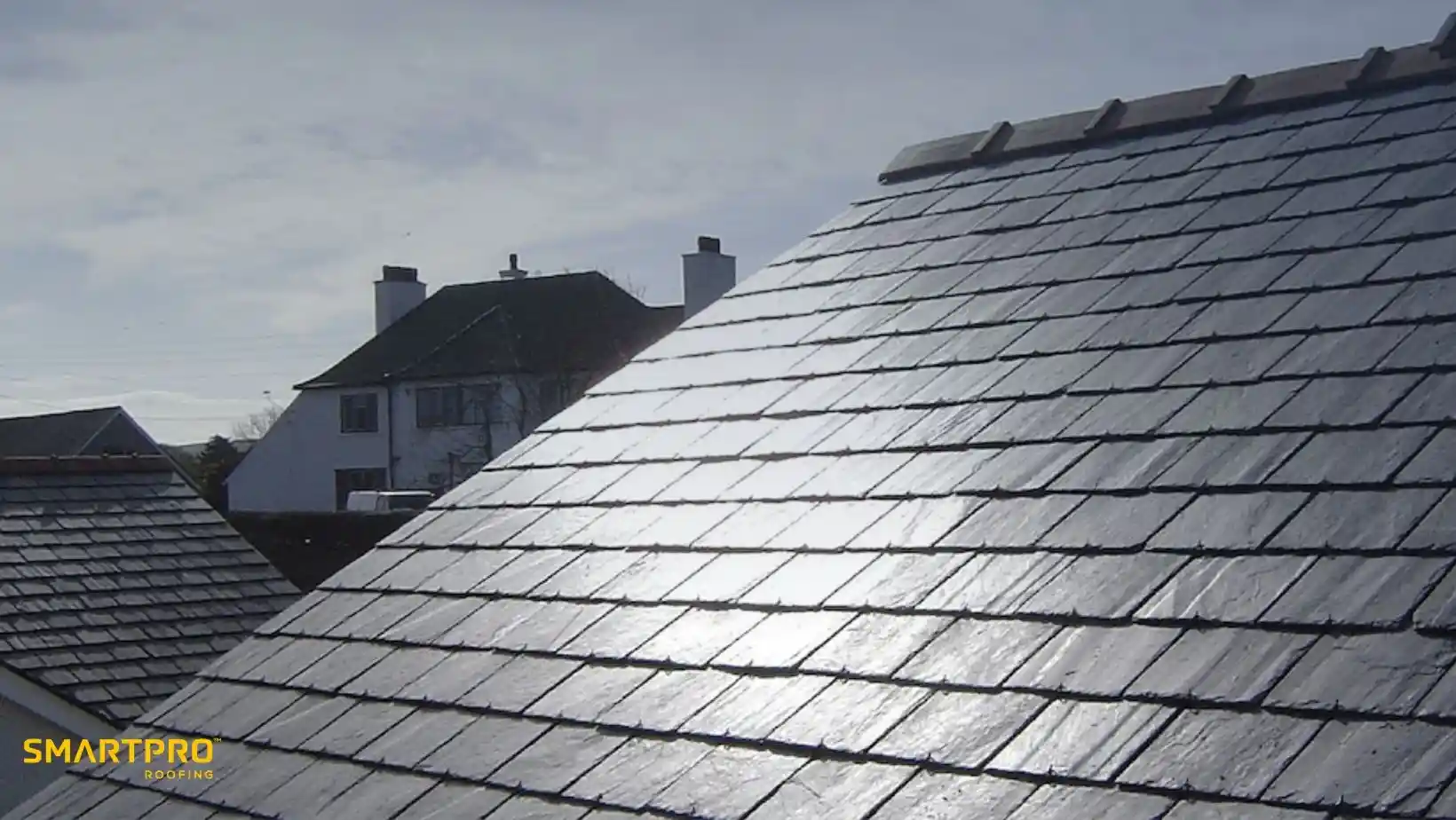
Natural slate shingles are made from real stone quarried from the earth and split into thin tiles. Each piece is shaped and sized by hand or machine, resulting in subtle variations that give a slate roof its distinctive appearance.
Because slate is a dense metamorphic rock, it is naturally fireproof, water resistant, and highly durable. A properly installed natural slate roof can protect a home for generations. This material has been used for centuries on churches, government buildings, and historic residences.
However, natural slate is also heavy and brittle. It requires a strong roof structure and skilled installers who understand traditional slate roofing techniques.
What Are Synthetic Slate Shingles?
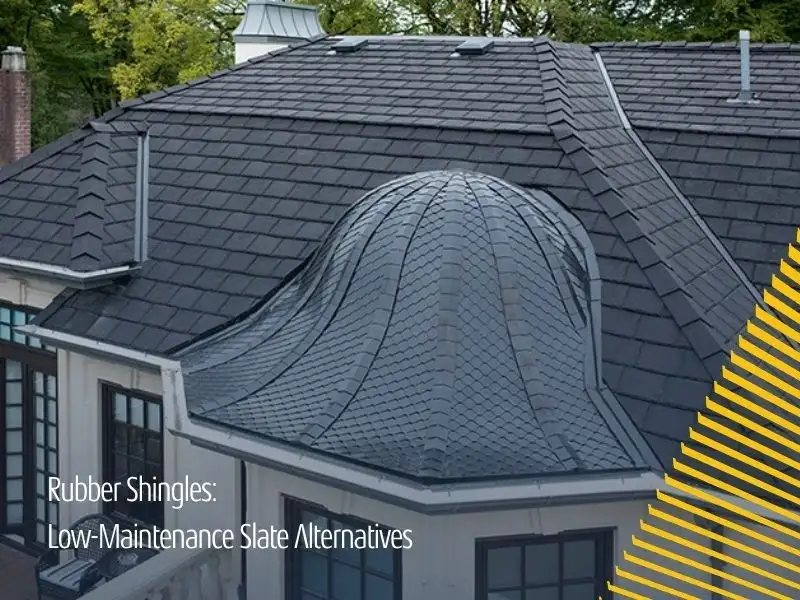
Synthetic slate shingles, also known as composite slate, are manufactured from engineered materials such as polymers, rubber, or a blend of recycled plastics. These shingles are designed to mimic the look of natural slate while reducing weight and cost.
Synthetic slate offers consistent sizing, uniform color options, and easier installation. Because the material is lighter, it can often be installed on homes that cannot support the weight of natural slate without structural reinforcement.
While synthetic slate provides visual appeal and improved affordability, it does not match the extreme lifespan of natural stone.
Natural Slate vs. Synthetic Slate Shingles: Material Differences
The most fundamental difference in Natural Slate vs. Synthetic Slate Shingles is the material itself. Natural slate is quarried stone with inherent geological properties. Synthetic slate is a manufactured product engineered to replicate slate aesthetics.
Natural slate resists UV exposure, moisture, and fire without relying on chemical treatments. Synthetic slate relies on additives and coatings to achieve similar performance characteristics. Over time, exposure to sunlight and weather may affect synthetic materials differently than stone.
These material differences directly influence durability, maintenance needs, and long term performance.
Lifespan and Durability Comparison
When comparing Natural Slate vs. Synthetic Slate Shingles, lifespan is one of the most significant factors. Natural slate commonly lasts 100 years or more. Some slate roofs remain functional for 150 years with periodic maintenance.
Synthetic slate typically carries warranties in the 40 to 50 year range. While this lifespan is respectable, it is significantly shorter than that of natural slate. Synthetic materials may also become brittle or fade over time depending on formulation and climate exposure.
For homeowners planning a long term investment or multi generational home, natural slate offers unmatched longevity.
Weight and Structural Requirements
Natural slate is extremely heavy, often weighing two to three times more than asphalt shingles. Many homes require structural evaluation or reinforcement before installation. This adds complexity and cost to the project.
Synthetic slate is much lighter and often comparable in weight to standard shingles. This makes it suitable for a wider range of homes without structural modifications.
When evaluating Natural Slate vs. Synthetic Slate Shingles, roof structure plays a critical role in determining feasibility.
Cost Differences and Budget Considerations
Natural slate is one of the most expensive roofing materials available. Costs reflect quarrying, material quality, specialized labor, and long installation timelines. However, the long lifespan can offset the initial expense over time.
Synthetic slate offers a more accessible price point. Installation is faster, labor costs are lower, and material pricing is more predictable. For homeowners seeking slate aesthetics without premium pricing, synthetic options are appealing.
Using SmartQuote allows homeowners to compare natural slate and synthetic slate pricing instantly and see how each option fits their budget.
Installation Complexity and Contractor Skill
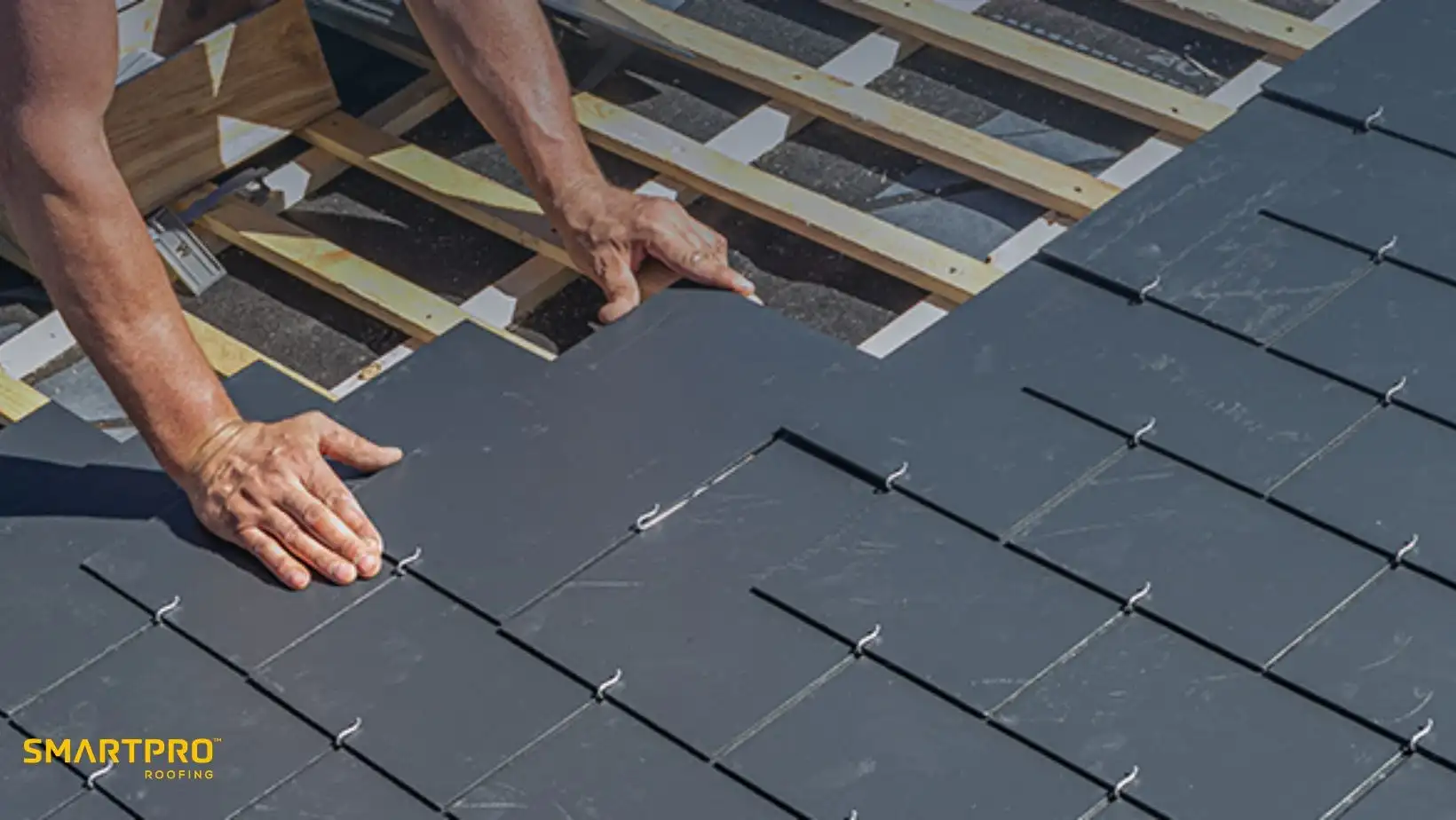
Installing natural slate requires specialized training and experience. Improper installation can lead to cracking, sliding tiles, or premature failure. Qualified slate installers are less common, which can limit availability.
Synthetic slate is easier to cut, handle, and install. Many roofing contractors can install synthetic slate with standard tools and techniques, reducing project timelines.
When planning your roof, SmartQuote helps match material choices with installation requirements so homeowners can plan confidently from the start.
Maintenance and Repair Considerations
Natural slate requires minimal maintenance but repairs must be handled carefully. Walking on slate improperly can cause breakage, and replacement tiles must match the original stone.
Synthetic slate repairs are generally simpler. Individual shingles can be replaced more easily, and materials are often readily available from manufacturers.
In Natural Slate vs. Synthetic Slate Shingles comparisons, homeowners should consider not just durability but ease of future repairs.
Aesthetic and Architectural Fit
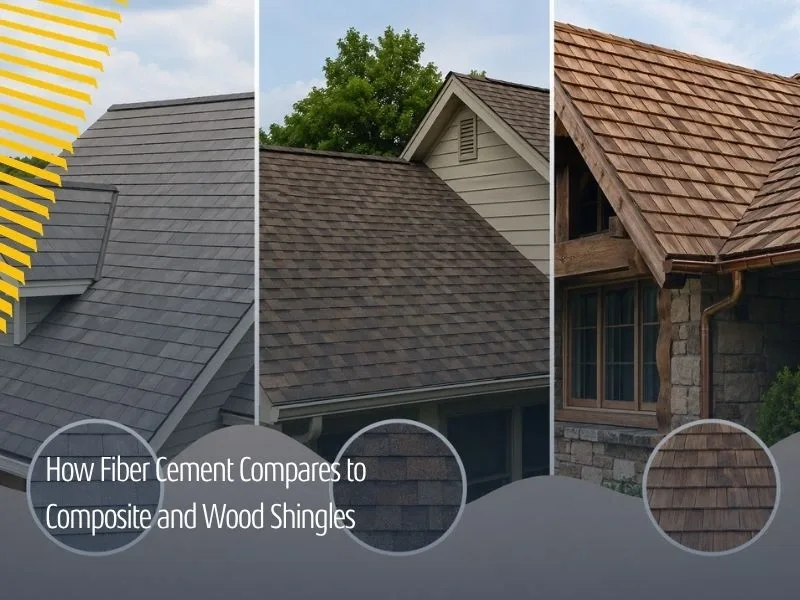
Natural slate offers unmatched authenticity. Each tile has a unique texture and color variation that enhances historic and luxury homes. For preservation projects, natural slate is often required to maintain architectural integrity.
Synthetic slate provides consistent appearance and broader color options. It works well for modern homes or neighborhoods where uniformity is preferred.
Choosing between Natural Slate vs. Synthetic Slate Shingles often comes down to whether authenticity or flexibility matters more for the property.
Environmental Impact and Sustainability
Natural slate is a natural material with minimal processing. Its long lifespan reduces waste and replacement frequency. Quarrying, however, has environmental impacts that must be considered.
Synthetic slate often incorporates recycled materials and reduces transportation weight. While it does not last as long as stone, it can still be an environmentally responsible choice depending on manufacturing practices.
Both options offer sustainability benefits compared to short lifespan roofing materials.
Which Option Is Right for Your Home?
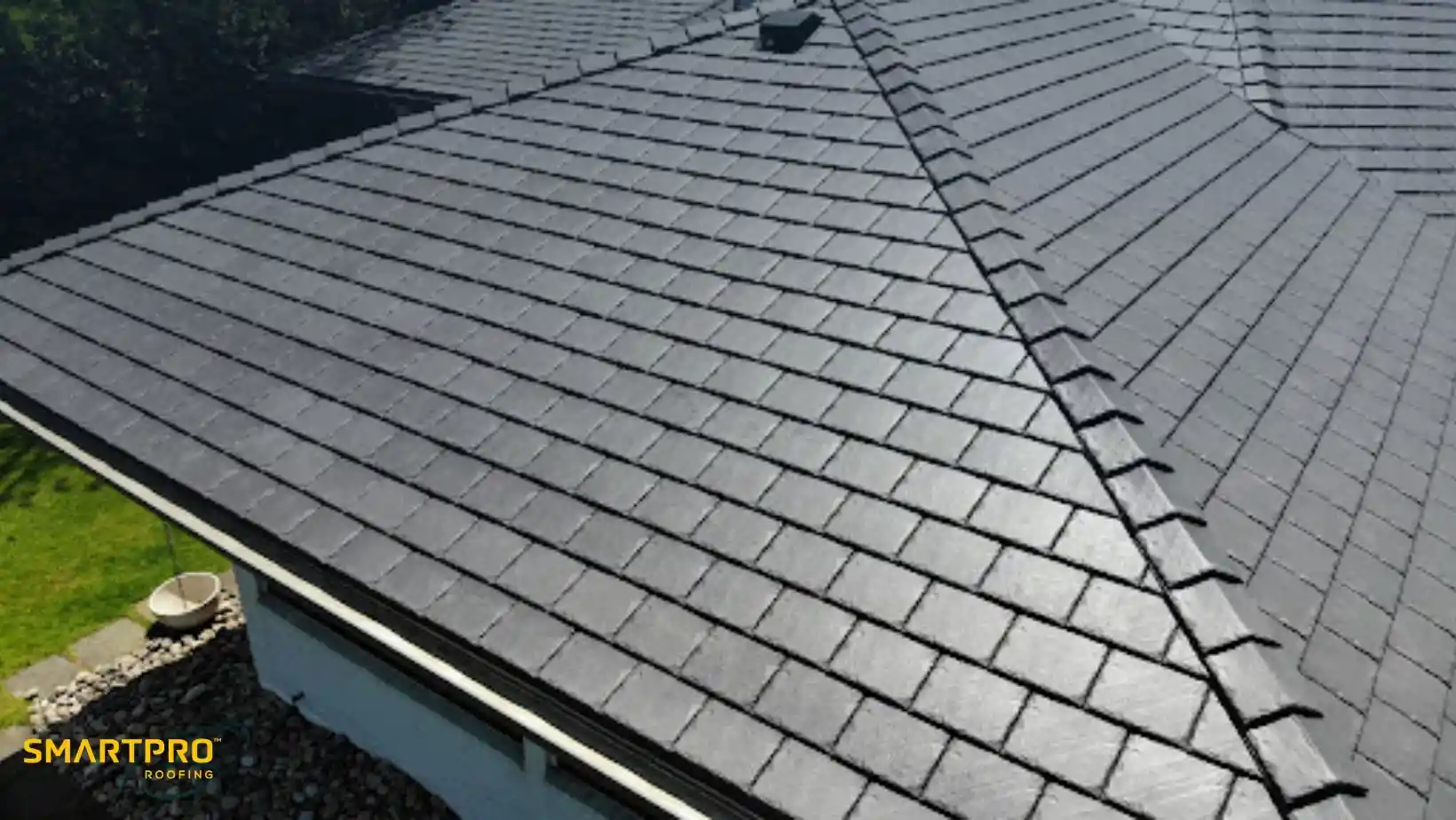
Natural slate is ideal for historic homes, luxury properties, and homeowners seeking a once in a lifetime roof solution. It requires higher investment and structural readiness.
Synthetic slate suits homeowners who want the look of slate with lower cost, lighter weight, and easier installation. It is practical for many residential projects.
With SmartQuote, homeowners can compare slate options, pricing, and timelines entirely online. This makes evaluating Natural Slate vs. Synthetic Slate Shingles faster and more transparent.
Final Thoughts on Natural Slate vs. Synthetic Slate Shingles
Both roofing materials offer unique advantages. Natural slate stands out for longevity, authenticity, and prestige. Synthetic slate provides affordability, flexibility, and modern performance.
The right choice depends on budget, structural capacity, aesthetic goals, and how long you plan to own the home. Understanding these factors ensures your roof investment aligns with your long term plans.
Key Takeaways
- Natural slate can last over 100 years with proper installation
- Synthetic slate typically lasts 40 to 50 years
- Natural slate is heavier and more expensive but extremely durable
- Synthetic slate is lighter, more affordable, and easier to install
- Historic homes often benefit most from natural slate
- Budget conscious projects often favor synthetic slate
- SmartQuote makes comparing slate roofing options simple and transparent
Get Started with Your Roof Today
Ready to see exactly what your new roof will cost and buy it entirely online without the sales pitch? Get your free SmartQuote today!
Related Reading: