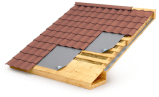

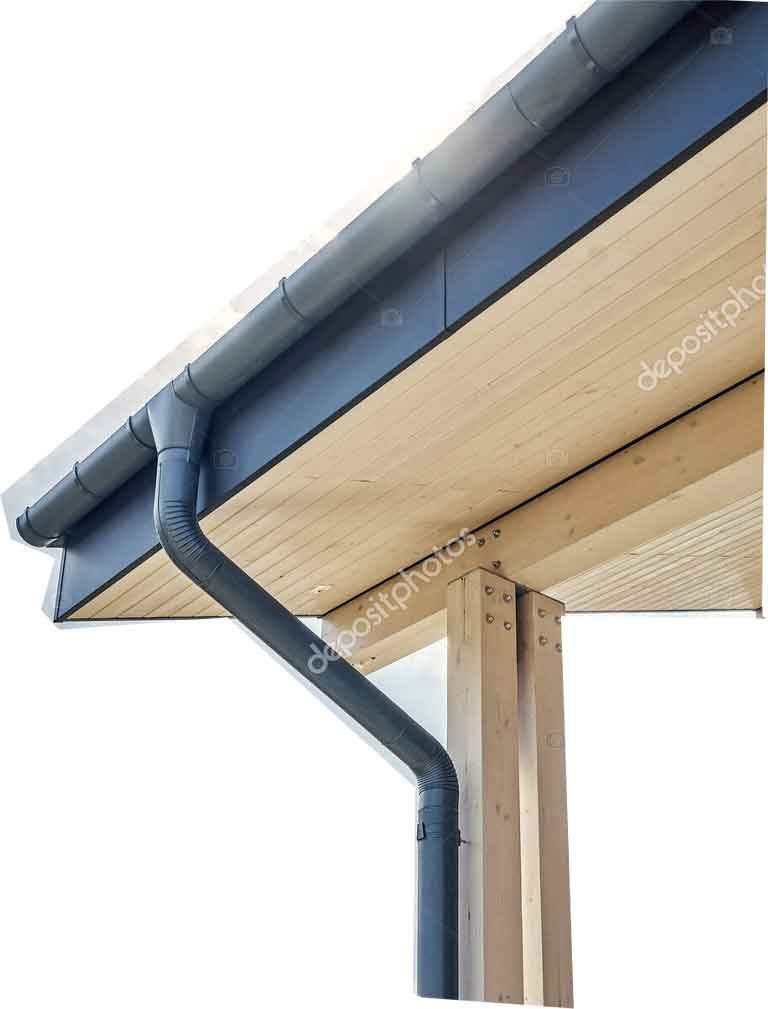
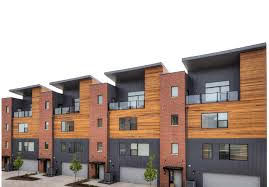



Composite shingles offer better long-term value, while asphalt shingles provide superior initial cost-effectiveness. Composite shingles are more durable, lasting 30 to 50 years or more, compared to the 15 to 30 year lifespan of asphalt. While composite costs two to four times more upfront, its longevity, superior weather resistance with wind ratings up to 110 to 190 mph, and lower maintenance often make it a smarter financial investment for homeowners staying in their homes long-term.
Which is better, composite or asphalt shingles?
Neither option is universally better. Composite shingles excel in durability, weather resistance, and lifespan, while asphalt shingles are better for homeowners focused on lower upfront cost and faster return on short-term ownership.
Are composite shingles worth it?
Composite shingles are worth it for homeowners planning to stay in their home long-term or those who want reduced maintenance and higher performance in severe weather conditions.
What is the best shingle for the money?
Asphalt shingles typically offer the best value for initial affordability, while composite shingles often provide better lifetime value due to reduced replacement and repair costs.
Do composite shingles fade over time?
Composite shingles are engineered to resist fading far better than asphalt shingles, thanks to UV inhibitors and color-through materials that maintain appearance for decades.
Choosing the right roofing material is one of the most important decisions a homeowner can make. Your roof protects your home from weather, affects energy efficiency, and plays a major role in curb appeal. Among the most common options today are composite shingles and traditional asphalt shingles.
This article explores Composite Shingles vs. Asphalt in depth. We will compare cost, lifespan, durability, maintenance, appearance, climate performance, and long-term value. By the end, you will have a clear understanding of which roofing material makes the most sense for your home, budget, and future plans.
Expert Insight on Roofing Durability and Value
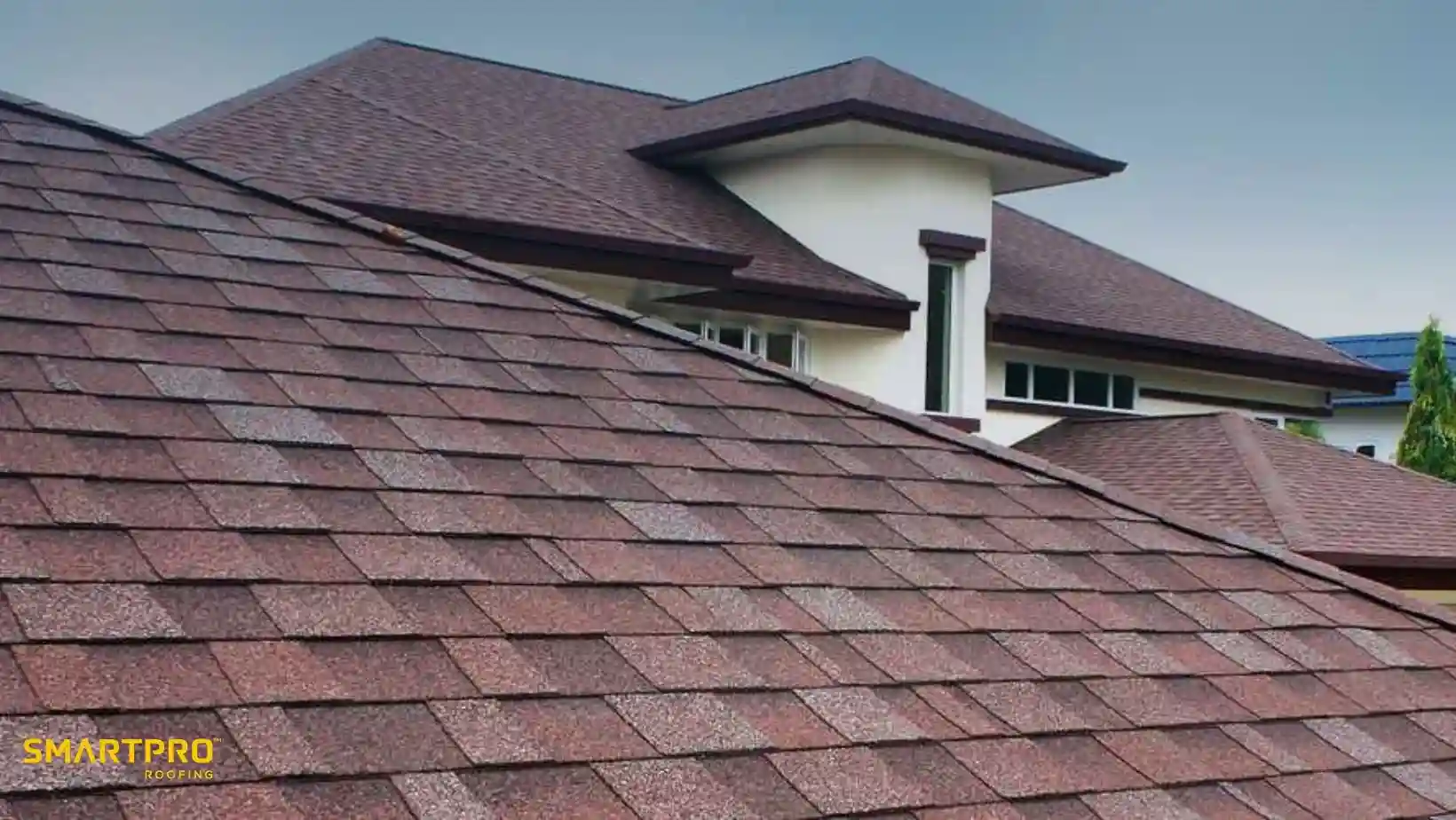
According to the Federal Emergency Management Agency, impact-resistant and high-wind-rated roofing materials significantly reduce long-term repair costs and storm damage risk, especially in regions prone to severe weather.
Source: FEMA Building Science Branch
What Are Asphalt Shingles?
Asphalt shingles are the most widely used residential roofing material in North America. They are made from a fiberglass mat coated with asphalt and topped with mineral granules for UV protection.
Homeowners often choose asphalt shingles because they are affordable, readily available, and easy to install. Most roofing contractors are familiar with asphalt systems, which keeps labor costs lower and installation timelines short.
Asphalt shingles typically come in three main styles: three-tab shingles, architectural shingles, and luxury asphalt shingles. Each offers different levels of thickness, durability, and visual appeal.
What Are Composite Shingles?
Composite shingles, sometimes called synthetic shingles, are manufactured from a blend of polymers, recycled materials, and engineered resins. They are designed to mimic the look of slate, cedar shake, or traditional shingles while delivering superior performance.
Unlike asphalt, composite shingles are engineered for consistency. They resist cracking, splitting, curling, and impact damage far better than traditional roofing materials.
Composite shingles are often selected for premium homes or homeowners seeking long-term durability without the maintenance demands of natural materials.
Composite Shingles vs. Asphalt Cost Comparison
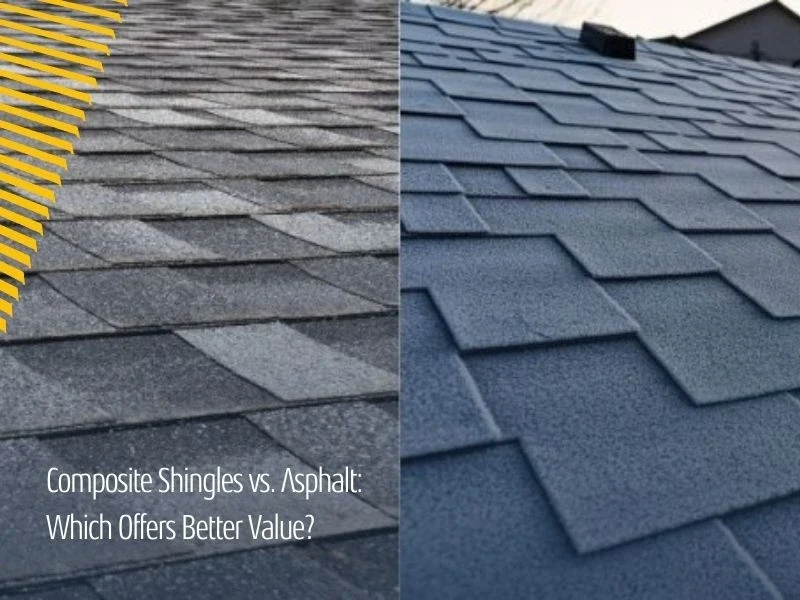
Upfront cost is often the first consideration in the Composite Shingles vs. Asphalt debate. Asphalt shingles are significantly more affordable initially. Most homeowners can install an asphalt roof at a fraction of the cost of composite.
Composite shingles generally cost two to four times more upfront. This higher price reflects advanced materials, longer warranties, and higher performance ratings.
Lifespan and Long-Term Value
Asphalt shingles typically last between 15 and 30 years, depending on quality, climate, and maintenance. Extreme heat, hail, and wind can shorten their lifespan significantly.
Composite shingles commonly last 30 to 50 years or more. Many manufacturers offer extended warranties that reflect this durability.
When comparing long-term value, composite shingles often come out ahead. Although the upfront investment is higher, fewer replacements and repairs can result in lower lifetime cost for homeowners who stay in their homes long-term.
Durability and Weather Resistance
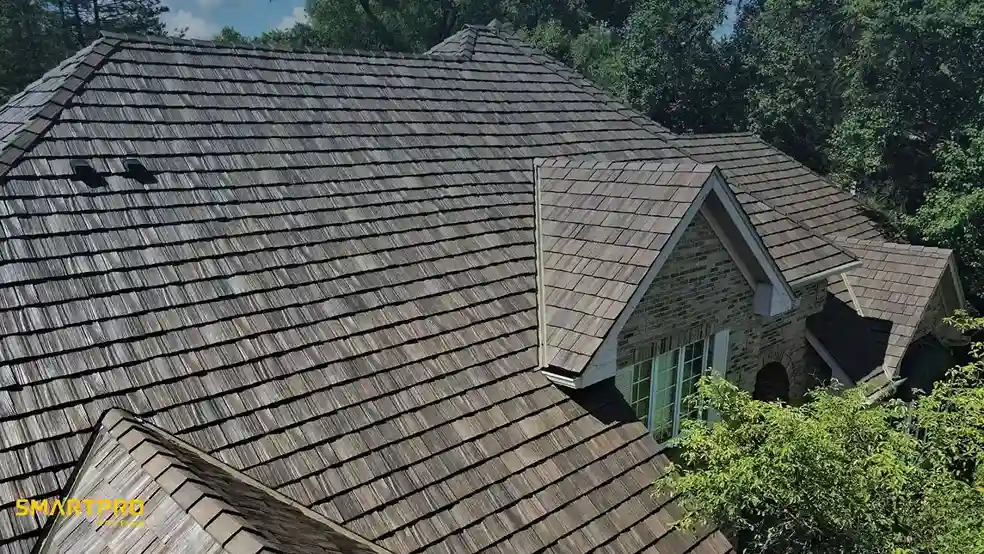
Weather performance is one of the biggest differentiators in Composite Shingles vs. Asphalt.
Asphalt shingles generally carry wind ratings between 60 and 130 mph, depending on installation and product tier. Severe storms can lift or tear shingles, leading to leaks and repairs.
Composite shingles often carry wind ratings of 110 to 190 mph. They are impact-resistant and designed to withstand hail, heavy rain, and temperature extremes.
In storm-prone regions, composite shingles offer peace of mind and lower risk of damage-related expenses.
Maintenance and Repair Needs
Asphalt shingles require more frequent inspections and repairs. Granule loss, curling, algae growth, and cracking are common issues over time.
Composite shingles require minimal maintenance. Their engineered surfaces resist algae, moisture absorption, and UV degradation.
Reduced maintenance translates into fewer service calls, lower repair costs, and less disruption for homeowners over the life of the roof.
Appearance and Curb Appeal
Both materials offer a wide range of colors and styles, but composite shingles often provide more realistic texture and depth.
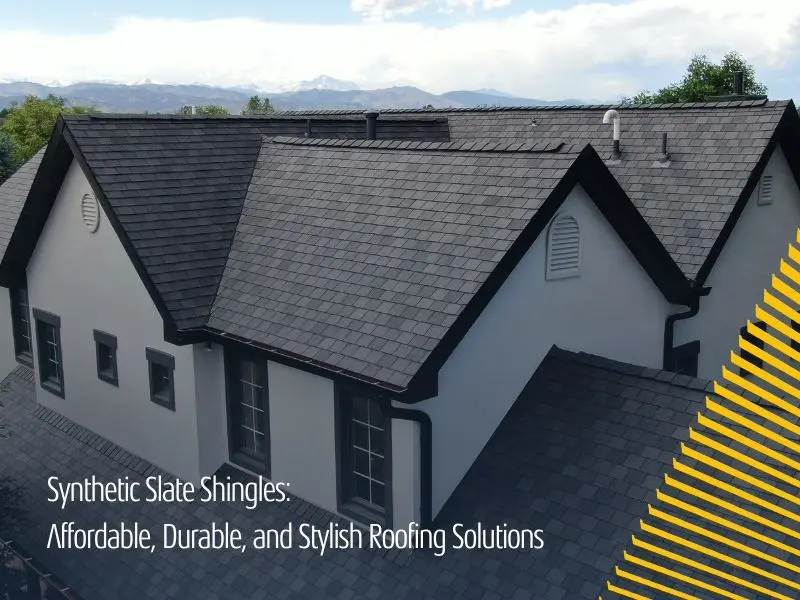
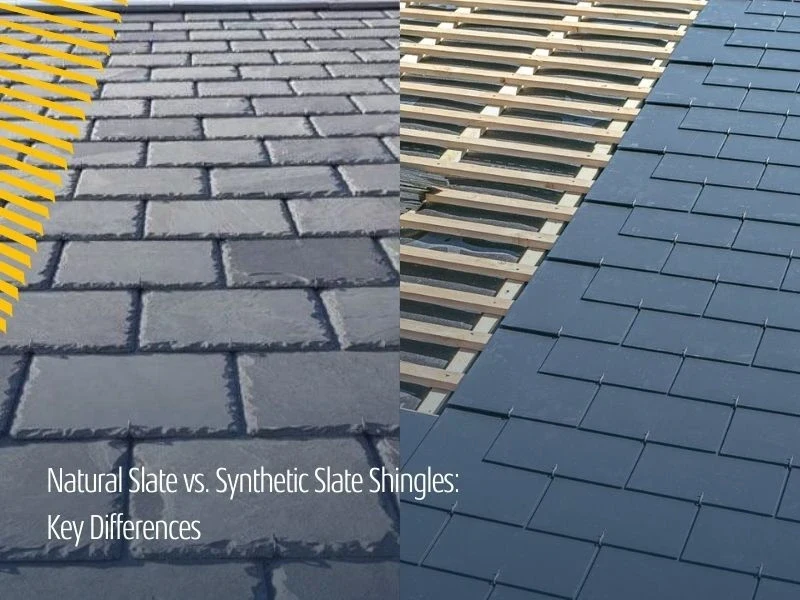
Composite products can closely replicate slate or wood shake, offering a high-end appearance without the weight or maintenance concerns of natural materials.
Asphalt shingles can still deliver strong curb appeal, especially architectural styles, but they tend to show aging and fading sooner than composite options.
Energy Efficiency Considerations
Roofing materials play a role in energy efficiency. Asphalt shingles tend to absorb more heat, which can increase attic temperatures and cooling demand.
Composite shingles often include reflective properties and improved ventilation compatibility, helping regulate indoor temperatures.
Environmental Impact
Asphalt shingles contribute significantly to landfill waste due to frequent replacement cycles. Recycling options exist but are not universally available.
Composite shingles often incorporate recycled materials and last longer, reducing environmental impact over time.
For homeowners prioritizing sustainability, composite shingles generally align better with long-term environmental goals.
Installation Complexity and Labor
Asphalt shingles are straightforward to install, which keeps labor costs lower and project timelines shorter.
Composite shingles may require more precise installation techniques and trained crews. This can increase labor cost but also ensures optimal performance.
Resale Value and Home Investment
A newer asphalt roof can improve resale value, especially if the old roof was near failure.
Composite shingles often provide a stronger selling point. Buyers recognize extended lifespan, premium appearance, and reduced future expenses.
For homeowners planning to sell soon, asphalt may make sense. For those investing long-term, composite often delivers stronger return.
Climate Considerations
In mild climates, asphalt shingles can perform adequately for decades.
In areas with intense sun, high winds, hail, or temperature swings, composite shingles significantly outperform asphalt.
Choosing the right material for your climate is essential for maximizing value and minimizing repairs.
Who Should Choose Asphalt Shingles?
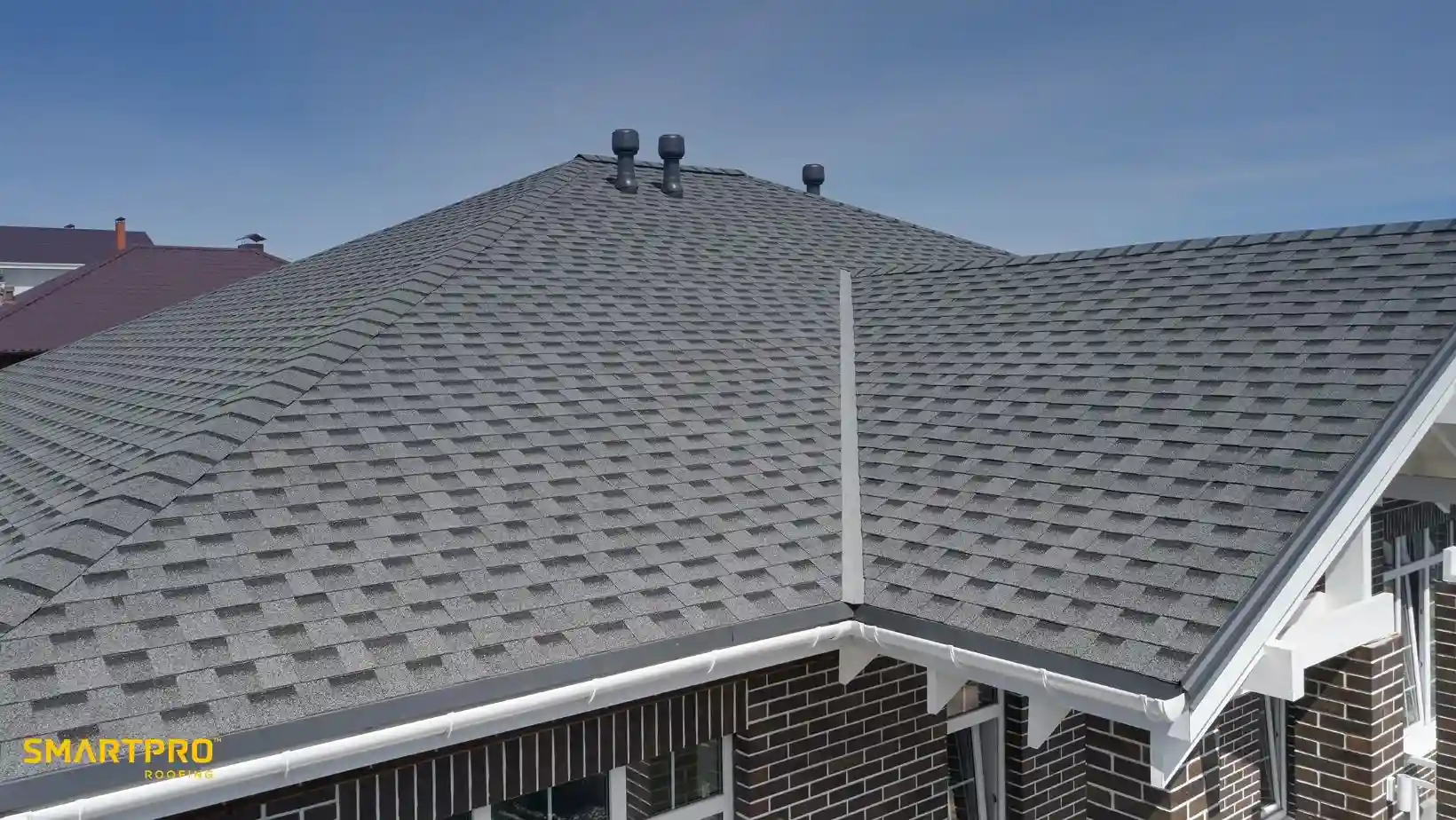
Asphalt shingles are ideal for homeowners with limited upfront budgets.
They are well suited for short-term ownership or investment properties.
They remain a practical choice when affordability is the top priority.
Who Should Choose Composite Shingles?
Composite shingles are ideal for long-term homeowners.
They are well suited for premium homes and harsh climates.
They offer durability, stability, and lower lifetime maintenance demands.
Final Verdict on Composite Shingles vs. Asphalt
The choice between Composite Shingles vs. Asphalt comes down to time horizon, budget, and performance expectations.
Asphalt shingles win on initial affordability.
Composite shingles win on durability, longevity, and long-term value.
Understanding your goals is the key to making the right roofing decision.
Key Takeaways
- Composite shingles last significantly longer than asphalt shingles
- Asphalt shingles offer lower upfront cost
- Composite shingles provide superior wind and impact resistance
- Maintenance costs are lower with composite roofing
- Long-term homeowners often benefit more from composite materials
Get Started with Your Roof Today
Ready to see exactly what your roof replacement will cost and buy it entirely online without the sales pitch? Get your free SmartQuote today!
Related Reading: