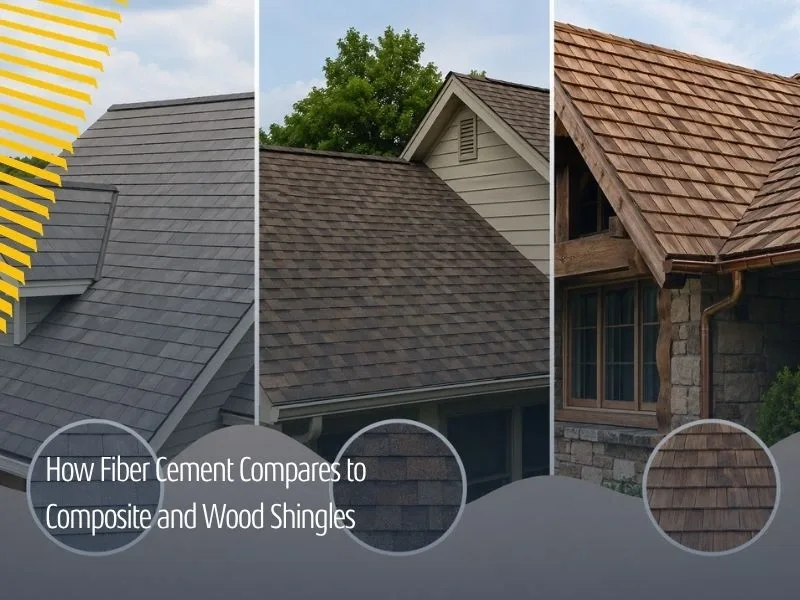



Cedar shingles are machine cut, smooth, uniform, and thinner, offering a refined and clean appearance. Cedar shakes are hand split or sawn from logs, thicker, more textured, and varied in size, creating deeper shadow lines and a rustic look. Shakes are generally more durable and often require felt paper between layers, while shingles lay flatter and install more uniformly. Both options provide natural beauty and performance, but they differ in cost, texture, installation method, and long term maintenance needs.
What is the difference between cedar shake and cedar shingles?
Cedar shingles are precisely machine cut for a smooth, consistent finish. Cedar shakes are thicker and split by hand or sawn, giving them a rougher texture and more natural variation.
What’s the difference between a cedar shake and a shingle?
A cedar shake has a rugged appearance with uneven edges and deeper shadows. A cedar shingle looks more polished and uniform, creating a cleaner roof profile.
What is the difference between wood shake and wood shingle?
Wood shingles are thinner and more refined, while wood shakes are thicker, heavier, and designed for a rustic architectural style.
What are shingles and shakes?
Shingles and shakes are wood roofing materials commonly made from cedar. Shingles are smooth and uniform, while shakes are textured and irregular in appearance.
Cedar roofing has been used for centuries because of its natural beauty, durability, and insulation properties. When homeowners begin comparing cedar shingles vs. cedar shakes, the differences can feel subtle at first but become much clearer when examining appearance, installation, cost, and performance. Choosing the right cedar roof affects not only curb appeal but also long term maintenance, energy efficiency, and roof lifespan.
This guide breaks down everything homeowners need to know about cedar shingles vs. cedar shakes so you can make a confident and informed roofing decision. Whether you are planning a roof replacement, building a custom home, or simply exploring premium roofing options, understanding these differences matters.
Expert Insight on Cedar Roofing Materials
According to the U.S. Forest Service Forest Products Laboratory, cedar roofing materials perform well due to their natural resistance to decay and insects, and proper installation is critical to long term durability. The laboratory notes that thicker cedar shakes generally offer increased service life compared to thinner shingles when installed with appropriate underlayment and ventilation.
What Are Cedar Shingles?
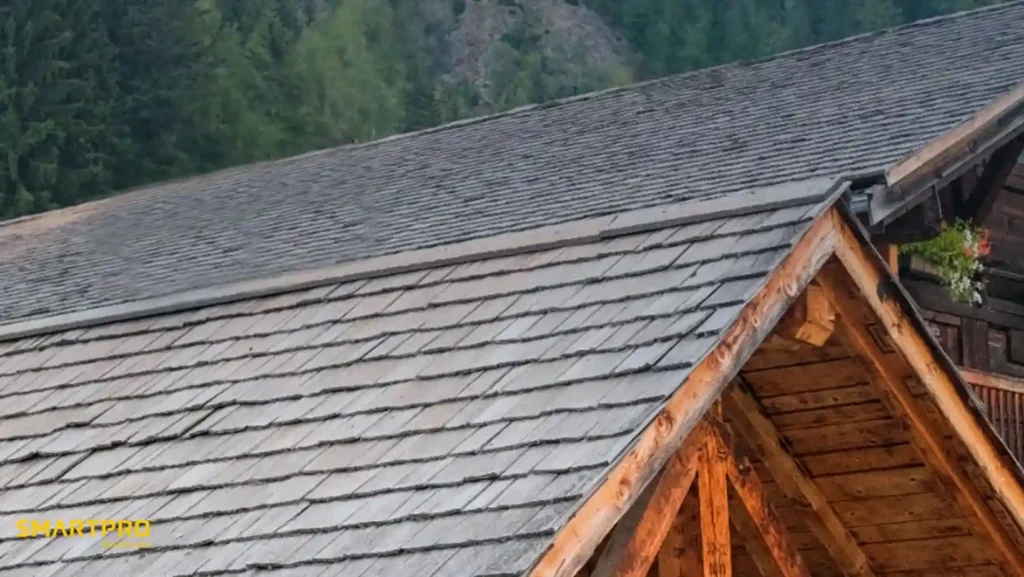
Cedar shingles are thin pieces of cedar wood that are machine cut on both sides. This manufacturing process creates shingles that are smooth, uniform in thickness, and consistent in size. Because of this precision, cedar shingles lay flat on the roof and create a clean, tailored appearance.
Cedar shingles are commonly used on traditional homes, coastal properties, and historic restorations where symmetry and refinement are important. Their uniform design allows water to shed evenly, reducing the chance of moisture buildup when installed correctly.
What Are Cedar Shakes?
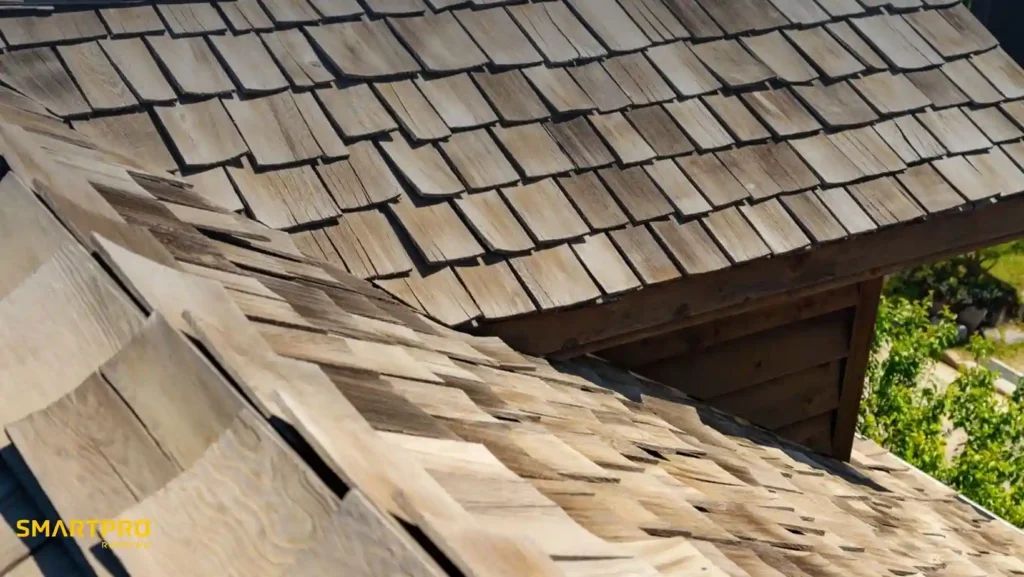
Cedar shakes are thicker than shingles and are either hand split or sawn from logs. Hand split shakes have a rough, textured face and a smoother back, while sawn shakes have a more uniform thickness but still retain a rugged appearance.
Because shakes are thicker, they create deeper shadow lines on the roof, adding visual depth and character. Cedar shakes are often chosen for rustic homes, cabins, and architectural designs that emphasize natural materials and craftsmanship.
Cedar Shingles vs. Cedar Shakes Appearance
The most noticeable difference between cedar shingles vs. cedar shakes is appearance. Cedar shingles create a smooth, tailored look with straight lines and minimal variation. They blend well with formal architectural styles and provide a refined roof surface.
Cedar shakes deliver a bold, textured aesthetic. Their uneven thickness and split surfaces produce dramatic shadow lines that change throughout the day as sunlight moves across the roof. This creates a more organic and visually dynamic appearance.
Thickness and Durability Comparison
Thickness plays a major role when comparing cedar shingles vs. cedar shakes. Shingles are thinner, which makes them lighter and easier to install. However, this also means they may have a shorter lifespan under harsh conditions if not properly maintained.
Shakes are thicker and heavier, which contributes to greater durability and impact resistance. This added thickness allows shakes to withstand wind, hail, and debris more effectively. For homeowners prioritizing longevity, shakes often provide a durability advantage.
Installation Differences Between Shingles and Shakes
Installation is another key distinction in cedar shingles vs. cedar shakes. Cedar shingles are installed in tight, overlapping rows and lie flat against the roof deck. Their uniform size simplifies installation and creates consistent water runoff.
Cedar shakes typically require an additional layer of felt paper between courses. This interlay system improves water resistance and allows the thicker shakes to breathe and dry properly. Installation is more labor intensive, which can increase overall project cost.
Cost Differences Between Cedar Shingles and Cedar Shakes
Cedar shingles are generally more affordable than cedar shakes. Their lower material cost and faster installation make them a cost effective choice for homeowners seeking natural wood roofing without the premium price.
Cedar shakes tend to cost more due to thicker material, additional labor, and specialized installation requirements. However, their durability and architectural appeal often justify the higher investment for homeowners seeking a premium roof.
Using SmartQuote allows homeowners to compare cedar shingles vs. cedar shakes pricing instantly. You can view exact roof costs online without scheduling in person estimates.
Maintenance Requirements
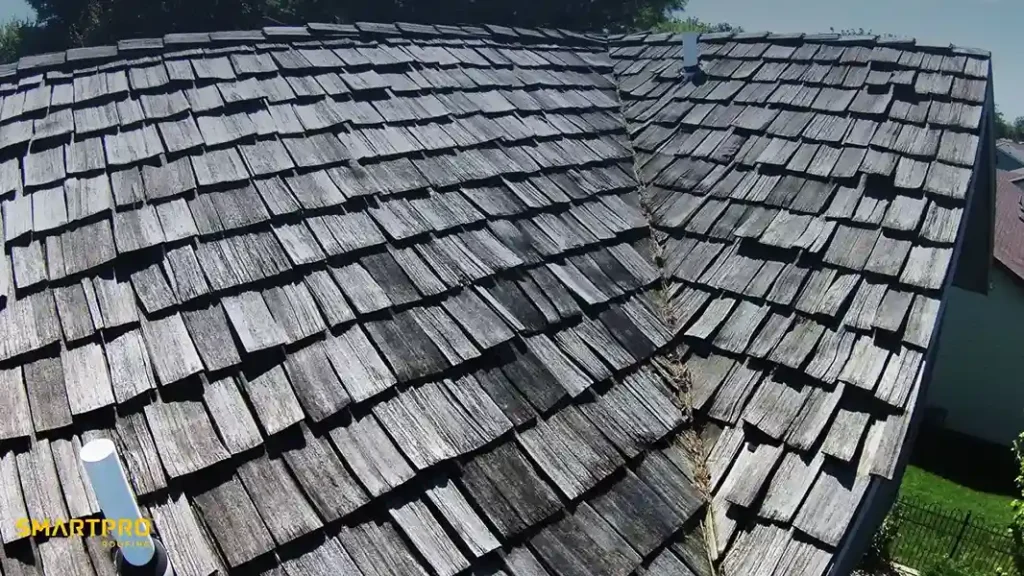
Both cedar shingles and cedar shakes require regular maintenance to perform well over time. This includes periodic inspections, debris removal, and treatment to prevent moss or algae growth.
Cedar shakes may require slightly more attention due to their textured surface, which can trap moisture and debris. Shingles, with their smoother surface, are easier to clean and maintain but still need routine care to maximize lifespan.
Lifespan and Performance
When properly installed and maintained, cedar shingles typically last 20 to 30 years. Their performance depends heavily on ventilation, climate, and maintenance practices.
Cedar shakes can last 30 to 40 years or more due to their thickness and durability. In climates with heavy rainfall or snow, shakes often outperform shingles when installed with proper underlayment and airflow.
Fire Resistance Considerations
Natural cedar is not fire resistant unless treated. Many modern cedar shingles and shakes are pressure treated with fire retardants to meet building code requirements.
Homeowners should always verify local code compliance and select treated materials when installing cedar roofing. This is especially important in wildfire prone regions.
Energy Efficiency and Insulation
Cedar roofing materials provide natural insulation due to wood’s cellular structure. Both shingles and shakes help regulate attic temperatures and reduce heat transfer.
Because shakes are thicker, they may offer slightly better insulation performance. Proper ventilation remains essential regardless of material choice to prevent heat buildup and moisture issues.
Environmental Impact
Cedar is a renewable resource when responsibly harvested. Both cedar shingles and shakes are biodegradable and have a lower environmental footprint compared to many synthetic roofing materials.
Many homeowners choose cedar roofing as part of a sustainable building approach. SmartQuote helps evaluate cedar options alongside other roof materials to compare cost and performance in one place.
Climate Suitability
Cedar performs well in a wide range of climates. In wet or coastal areas, proper installation and ventilation are critical to prevent moisture damage.
Cedar shakes are often preferred in harsher climates due to their thickness, while cedar shingles are well suited for moderate environments where refined aesthetics are a priority.
Choosing Between Cedar Shingles vs. Cedar Shakes
The decision between cedar shingles vs. cedar shakes depends on your home’s architectural style, budget, climate, and maintenance expectations. Shingles offer a polished look at a lower cost, while shakes provide rustic character and extended durability.
SmartQuote makes this decision easier by allowing homeowners to compare cedar roofing options with transparent online pricing.
Common Mistakes Homeowners Make
One common mistake is choosing cedar based on appearance alone without considering maintenance requirements. Another is improper installation, which can significantly shorten roof lifespan.
Working with experienced professionals and using accurate pricing tools like SmartQuote helps avoid costly errors and ensures your cedar roof performs as expected.
Is Cedar Roofing Worth the Investment?
For homeowners who value natural beauty, longevity, and architectural character, cedar roofing is often worth the investment. While upfront costs are higher than asphalt, cedar offers timeless appeal and long term performance.
Understanding the differences between cedar shingles vs. cedar shakes ensures you select the right material for your goals and environment.
Key Takeaways
- Cedar shingles are smooth, uniform, and refined
- Cedar shakes are thicker, textured, and rustic
- Shakes generally last longer and cost more
- Shingles are easier to install and maintain
- Both require proper ventilation and maintenance
- SmartQuote simplifies comparing cedar roof costs online
Get Started with Your Roof Today
Ready to see exactly what your cedar roof will cost and buy it entirely online without the sales pitch? Get your free SmartQuote today in just minutes!
Related Reading: