


Natural slate shingles are a premium, naturally occurring roofing material valued for exceptional longevity, often lasting 100 years or more. Commonly called forever roofs, they offer unmatched durability, fire resistance, and timeless aesthetics. However, they are among the most expensive and heaviest roofing materials available and require specialized installation and structural support.
How long do natural slates last?
Natural slate shingles commonly last between 75 and 150 years. High quality slate installed correctly can exceed a century of service.
What are the pros and cons of slate shingles?
The pros include extreme longevity, fire resistance, natural beauty, and low long term maintenance. The cons include high upfront cost, heavy weight, and the need for specialized installation.
What’s the average lifespan of a slate roof?
The average lifespan of a slate roof is around 100 years, depending on slate quality, climate, and installation methods.
What are the disadvantages of slate?
Slate is expensive, heavy, brittle if mishandled, and not every home structure can support its weight without reinforcement.
Natural slate shingles have long been considered one of the most prestigious roofing materials available. Used on historic buildings, estates, and high end homes for centuries, slate represents durability, craftsmanship, and timeless design. Homeowners who choose slate are often looking beyond short term costs and focusing on long term value, roof longevity, and architectural authenticity.
This guide explains what natural slate shingles are, how long they last, their advantages and disadvantages, and what homeowners should expect when budgeting for a slate roof. If you are exploring premium roofing options, this article will help you decide whether natural slate shingles are the right fit for your home.
According to the National Park Service, properly installed natural slate roofs can last more than 100 years and often remain serviceable longer than the buildings they protect.
Source: National Park Service, Preservation Brief 29
What Are Natural Slate Shingles
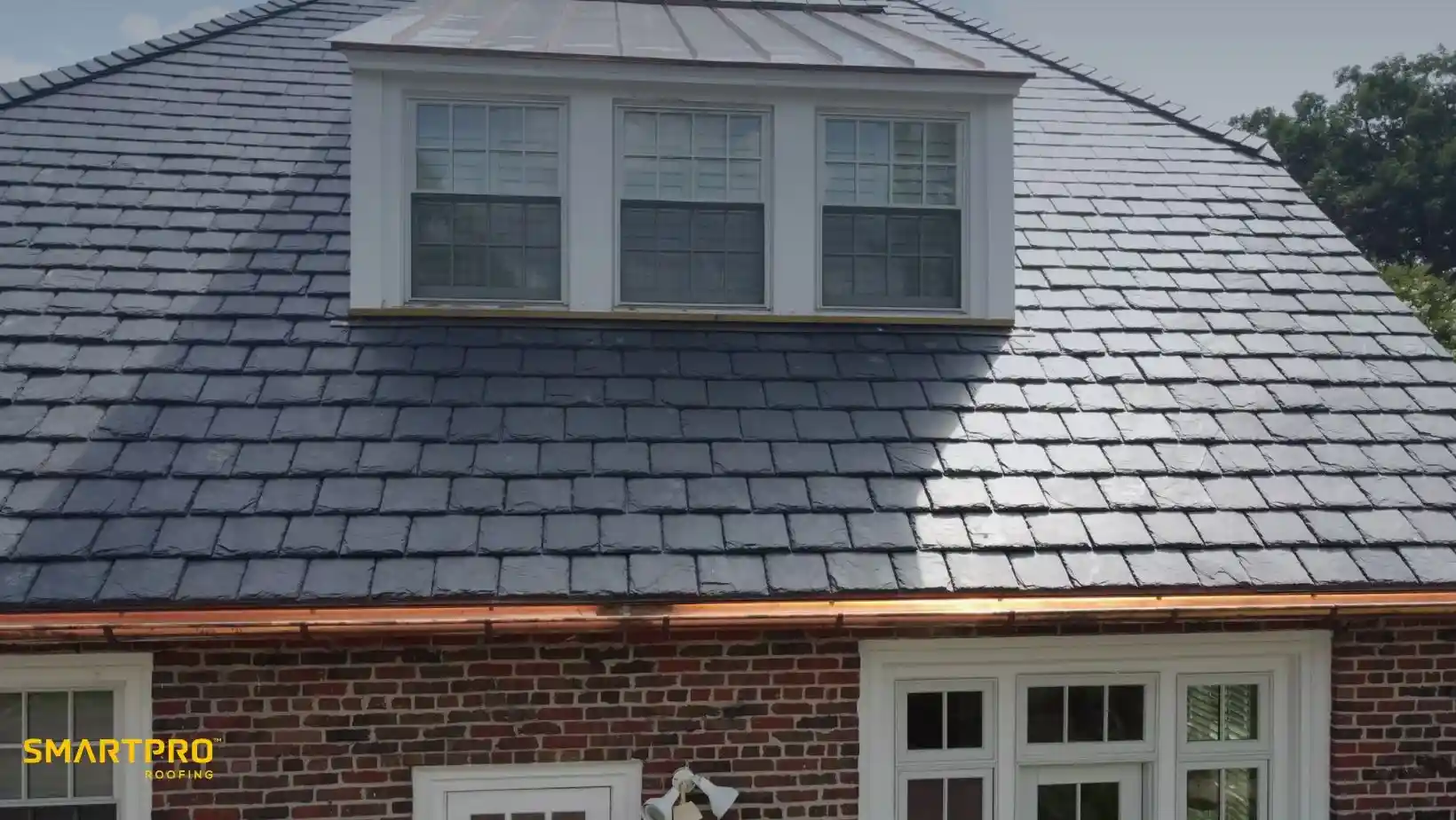
Natural slate shingles are made from fine grained metamorphic rock that is quarried, split, and shaped into thin roofing tiles. Unlike manufactured roofing materials, slate is entirely natural and requires minimal processing beyond cutting and grading.
Each slate shingle has unique mineral composition and color variations depending on the quarry source. Common slate colors include gray, black, green, purple, and red. Because slate is stone, it does not rot, warp, or deteriorate in the same way as asphalt or wood.
Natural slate shingles are installed individually and fastened using copper or stainless steel nails, creating a layered roofing system that sheds water efficiently and lasts for generations.
Why Natural Slate Shingles Are Known as Forever Roofs
Slate has earned the nickname forever roof because of its extraordinary lifespan. While most roofing materials require replacement every 20 to 40 years, slate often outlives multiple generations of homeowners.
The durability of slate comes from its dense structure and resistance to moisture absorption. High quality slate has extremely low water absorption rates, which prevents cracking from freeze thaw cycles and reduces long term deterioration.
When installed correctly and maintained properly, a slate roof may never need full replacement. Instead, individual slates can be repaired or replaced as needed, extending the roof’s life indefinitely.
How Long Do Natural Slate Shingles Last
The lifespan of natural slate shingles varies by slate type, thickness, and quarry origin. Soft slate typically lasts between 75 and 100 years, while hard slate can exceed 150 years.
Climate also plays a role. Slate performs exceptionally well in regions with temperature swings, heavy rain, and snow. Its non porous surface resists moisture damage and mold growth.
Installation quality is equally important. Proper flashing, underlayment, and fastening techniques are essential to achieving the full lifespan of a slate roof.
Advantages of Natural Slate Shingles
One of the biggest advantages of natural slate shingles is longevity. A slate roof eliminates the need for frequent replacements, which reduces long term costs and material waste.
Slate is naturally fire resistant and non combustible, making it one of the safest roofing materials available. It also resists insects, mold, and algae growth.
Aesthetically, slate offers unmatched beauty. The natural texture, color depth, and variation add architectural character that improves curb appeal and property value.
Slate is also environmentally responsible. It requires minimal processing, lasts for decades, and reduces landfill waste compared to disposable roofing materials.
Disadvantages of Natural Slate Shingles
Despite its benefits, slate is not suitable for every home. The most significant disadvantage is cost. Natural slate shingles are one of the most expensive roofing materials, both in material price and labor.
Slate is also extremely heavy. A slate roof can weigh between 800 and 1,500 pounds per square, requiring structural evaluation and possible reinforcement before installation.
Installation requires skilled craftsmen. Improper handling can crack slates, and inexperienced installers may compromise the roof’s performance and lifespan.
Repairs can also be specialized. While individual slate replacement is possible, finding matching slate decades later can be challenging.
Structural Requirements for Slate Roofing
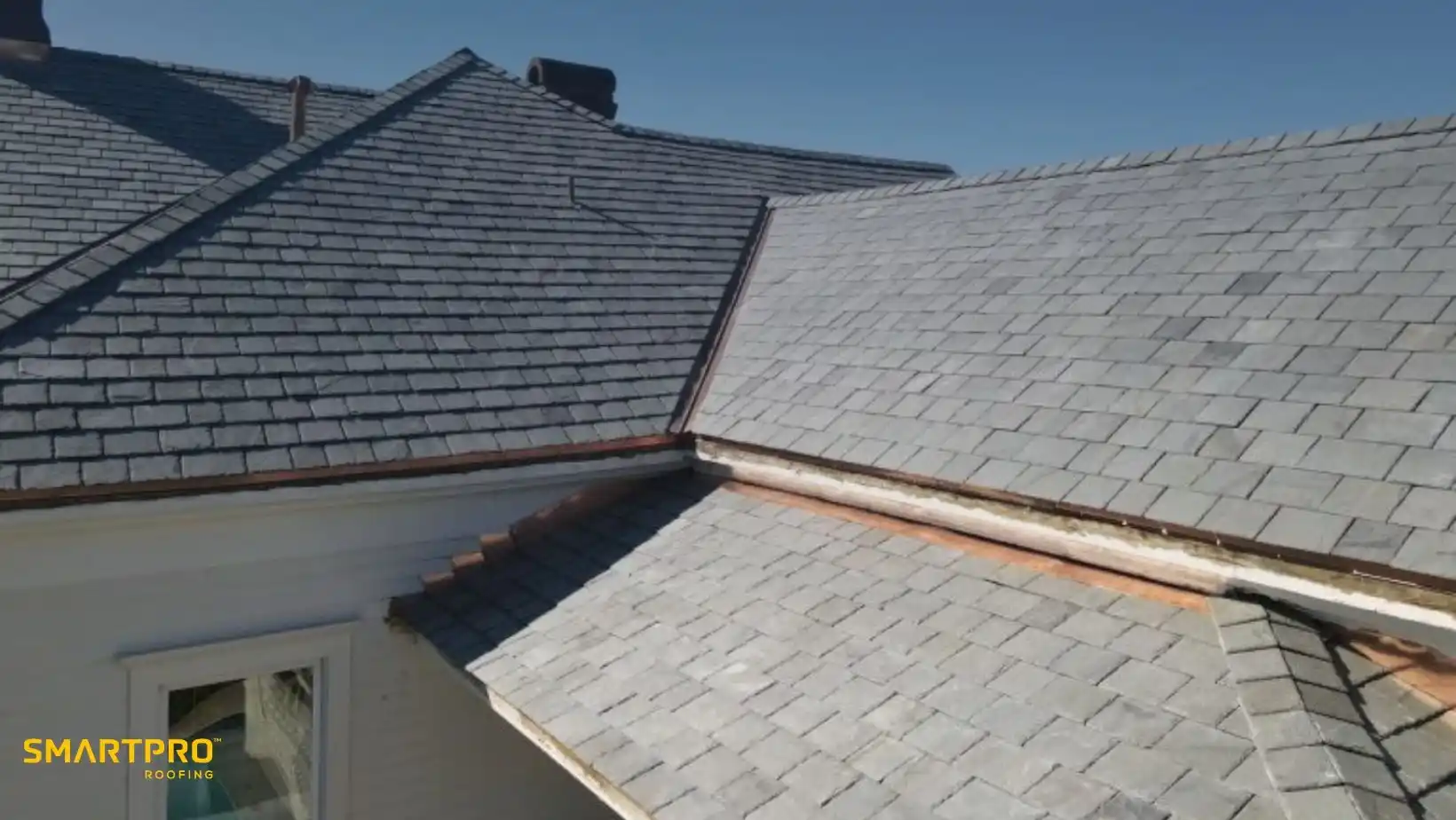
Before installing natural slate shingles, a structural assessment is essential. Many modern homes are not designed to support the weight of slate without reinforcement.
Engineers often evaluate roof framing, trusses, and load bearing walls to ensure safety. Reinforcement may include additional rafters or structural upgrades, which adds to project cost.
Ignoring structural requirements can lead to sagging, cracking, or long term damage. Proper planning ensures slate performs as intended for decades.
Natural Slate Shingles vs Other Roofing Materials
Compared to asphalt shingles, slate lasts significantly longer and offers better fire resistance and aesthetics. However, asphalt has a much lower upfront cost and simpler installation.
Metal roofing offers durability and longevity but does not match slate’s lifespan or traditional appearance. Slate also provides superior sound dampening during rain and hail.
Concrete and synthetic slate alternatives mimic the look of slate but typically last 40 to 60 years and do not offer the same natural aging or longevity.
For homeowners prioritizing permanence and architectural authenticity, natural slate shingles remain unmatched.
Cost Breakdown of Natural Slate Shingles
The cost of natural slate shingles varies widely based on slate type, thickness, color, and quarry origin. Material costs alone often range from high four figures to five figures per square.
Labor costs are higher than standard roofing due to specialized installation techniques and longer installation timelines. Structural reinforcement and premium flashing materials add to overall cost.
While the initial investment is substantial, the long term cost per year of service is often lower than other roofing materials due to slate’s extended lifespan.
Using SmartQuote allows homeowners to see exact pricing for slate roofing options online, making it easier to evaluate costs upfront without sales pressure.
Installation Process for Natural Slate Shingles
Slate installation begins with deck preparation and underlayment designed for long term moisture protection. High quality flashing is installed at valleys, chimneys, and roof penetrations.
Each slate is individually placed and fastened using corrosion resistant nails. Proper spacing and overlap are critical for water shedding and ventilation.
Because slate cannot be walked on easily, installers use roof hooks and ladders to prevent damage during installation.
Maintenance and Repair of Slate Roofs
Natural slate shingles require minimal routine maintenance. Periodic inspections help identify cracked or slipped slates before leaks develop.
Repairs involve replacing individual slates rather than large roof sections. This makes slate one of the most repair friendly premium roofing systems when handled by experienced professionals.
Avoid pressure washing or harsh cleaning methods, which can damage slate surfaces and flashing components.
Is Natural Slate Right for Your Home
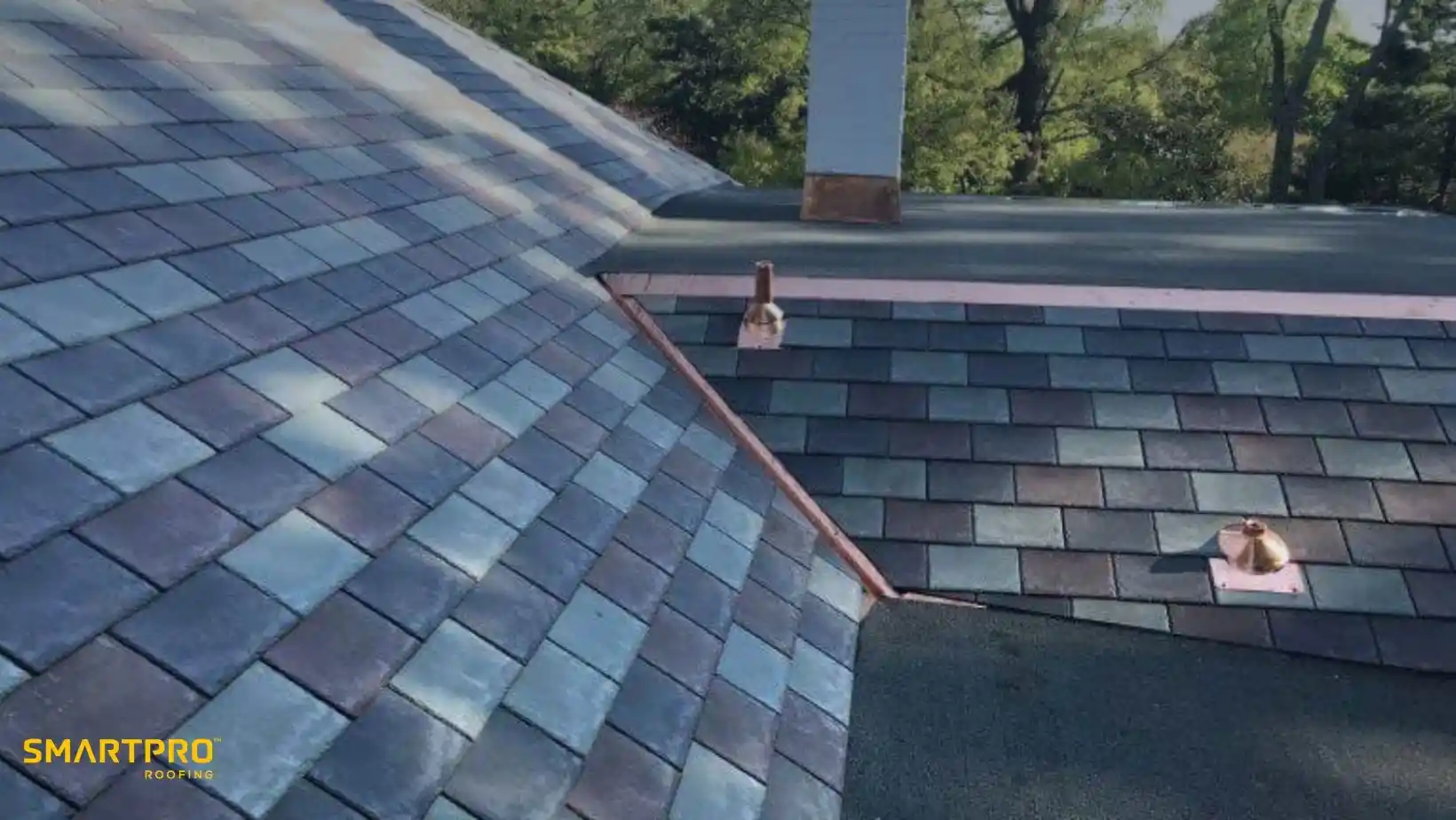
Slate is ideal for homeowners seeking a lifetime roofing solution and willing to invest upfront. It is especially well suited for historic homes, high value properties, and custom builds.
Homes with steep slopes benefit most from slate due to improved water shedding and visual impact. Flat or low slope roofs are not suitable for slate installation.
If structural limitations or budget constraints exist, alternative materials may be more practical.
Planning a Slate Roof Project
Planning is critical when installing natural slate shingles. Structural assessment, material selection, and installer experience all impact long term success.
SmartQuote simplifies early planning by allowing homeowners to explore roofing options, compare materials, and view transparent pricing online. This helps determine whether slate fits your goals before committing to detailed design.
Key Takeaways
- Natural slate shingles can last over 100 years when properly installed
- Slate offers unmatched durability, fire resistance, and aesthetic appeal
- Upfront costs are high, but long term value is exceptional
- Structural evaluation is required due to slate’s weight
- Installation must be handled by experienced slate roofing professionals
- SmartQuote makes it easy to explore premium roofing costs online
Get Started with Your Roof Today
Ready to see exactly what your slate roof will cost and buy it entirely online without the sales pitch? Get your free SmartQuote today!
Related Reading: