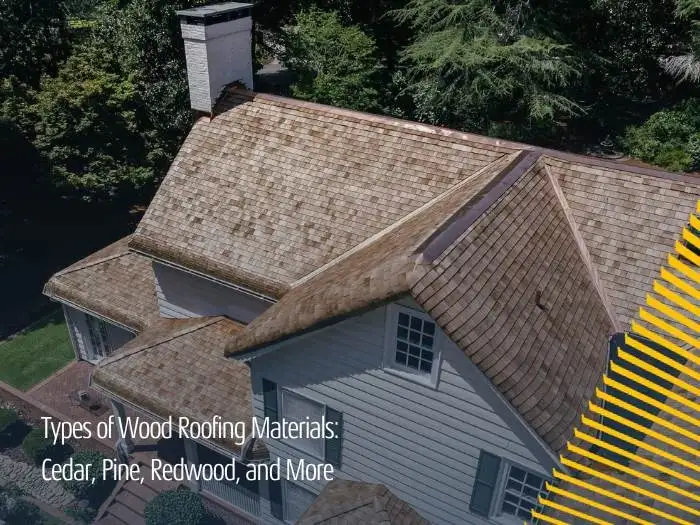
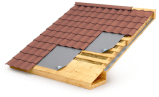
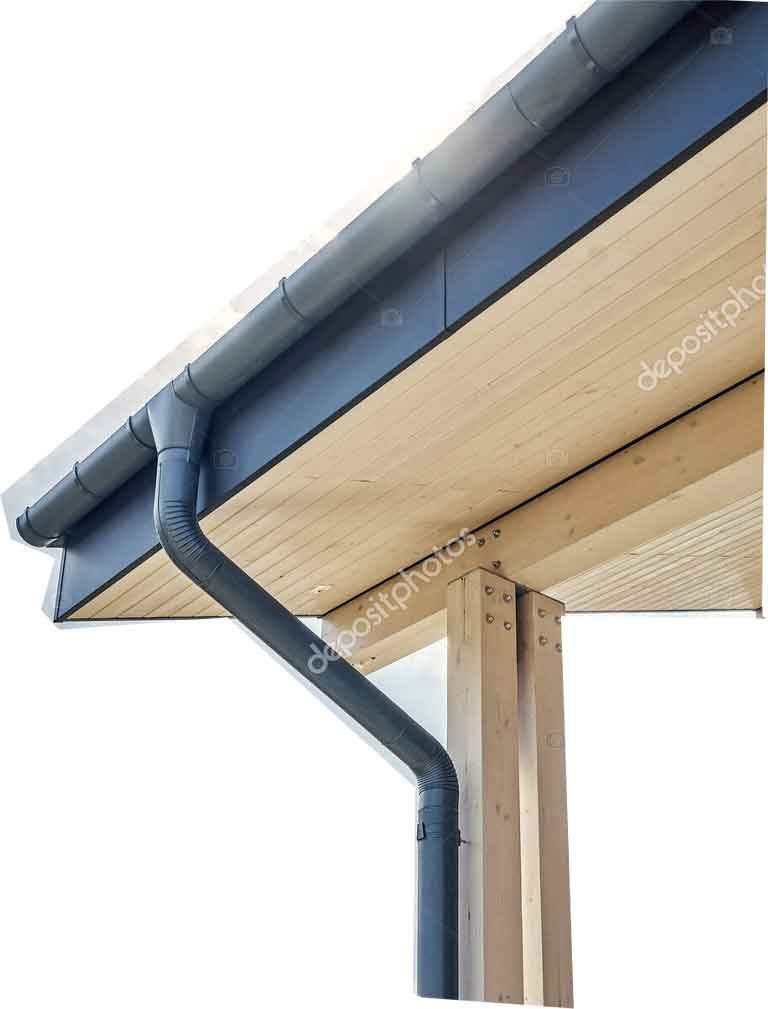



Wood roofing uses materials like Cedar, Redwood, Pine, Cypress, and Douglas Fir, offering natural beauty, insulation, and durability, though often requiring maintenance. Cedar is popular for rot resistance, Redwood for elegance and stability, and Pine for affordability, while Cypress excels in wet climates. These woods are cut into shingles or shakes, providing a classic, rustic look, but need protection against moisture, insects, and fire for longevity.
What are the top 5 roofing materials?
The top five roofing materials commonly used today are asphalt shingles, metal roofing, wood roofing, clay or concrete tile, and slate. Each option differs in cost, lifespan, maintenance needs, and appearance.
What are the 10 types of roofing?
Common roofing types include asphalt shingles, metal panels, wood shingles, wood shakes, slate, clay tile, concrete tile, synthetic roofing, rubber roofing, and green roofing systems.
Which type of wood is best for roofing?
Cedar is generally considered the best wood for roofing due to its natural resistance to rot, insects, and moisture. Redwood and Cypress are also strong options depending on climate and budget.
What are the different types of materials used as roofing materials?
Roofing materials include asphalt, metal, wood, tile, slate, synthetic composites, rubber membranes, and specialized systems like green or solar-integrated roofs.
Wood roofing has been used for centuries and remains a respected option for homeowners who value natural aesthetics and traditional craftsmanship. A wood roofing system brings warmth, texture, and character that many modern materials cannot replicate. From rustic cabins to upscale historic homes, wood roofing continues to hold architectural appeal.
Beyond appearance, wood roofing provides practical benefits such as natural insulation and adaptability to different climates. However, it also requires thoughtful material selection and proper maintenance to ensure long-term performance.
Expert Insight on Wood Roofing Performance
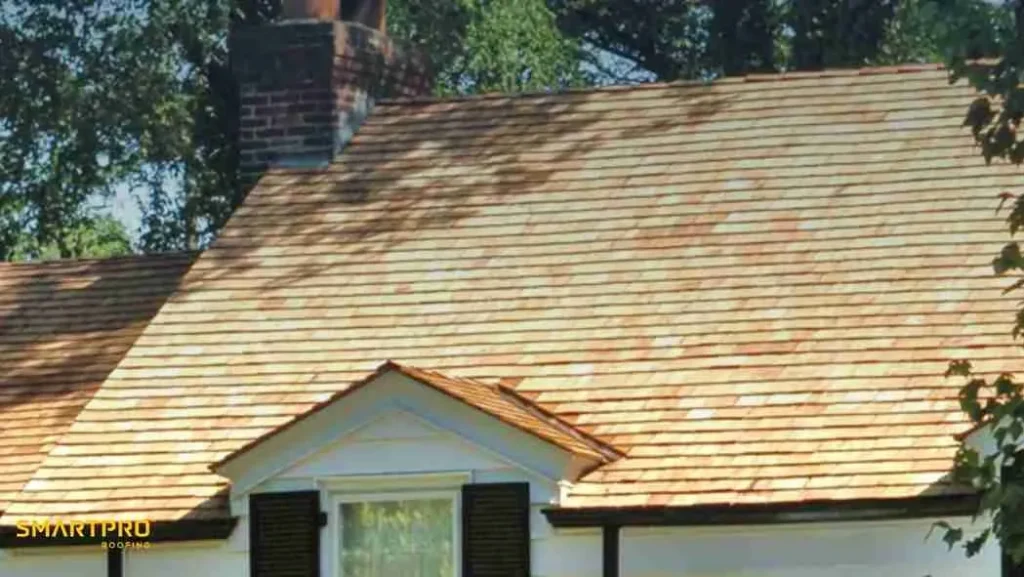
According to the U.S. Forest Service, wood roofing materials like cedar and redwood contain natural oils that enhance resistance to decay and insects, making them suitable for exterior applications when properly installed and maintained.
Source: https://www.fs.usda.gov/research/treesearch/6229
Understanding Wood Roofing Materials
Wood roofing materials are typically manufactured as shingles or shakes. Shingles are machine-cut for a uniform look, while shakes are hand-split for a more rugged, textured appearance. Both options rely on the inherent properties of wood to provide weather resistance and insulation.
The choice of wood species affects durability, cost, appearance, and maintenance requirements. Climate, local building codes, and fire ratings should also factor into material selection.
Cedar Wood Roofing
Cedar is the most widely used wood roofing material in North America. It is naturally resistant to rot, insects, and moisture due to its high oil content. Cedar roofing performs well in a variety of climates, including regions with frequent rain or temperature fluctuations.
Cedar shingles offer a clean, refined appearance, while cedar shakes create a more rustic aesthetic. Over time, cedar weathers to a silvery gray if left untreated, though stains and sealants can preserve its original color.
Redwood Wood Roofing
Redwood wood roofing is valued for its rich color, dimensional stability, and natural resistance to decay. It is lighter than many other wood species, which reduces structural load on the home.
Redwood roofing is often chosen for high-end homes or historic restorations due to its elegant appearance. While durable, redwood can be more expensive and less widely available than cedar, making it a premium choice.
Pine Wood Roofing
Pine is one of the most affordable wood roofing options, making it attractive for budget-conscious homeowners. It is commonly pressure-treated to improve resistance to insects and moisture.
While pine does not naturally resist decay as well as cedar or redwood, proper treatment and maintenance can extend its lifespan. Pine roofing is often used in drier climates or for secondary structures such as sheds and cabins.
Cypress Wood Roofing
Cypress wood roofing is highly regarded in wet and humid climates. It contains natural preservatives that protect against rot and insect damage, making it ideal for coastal or swampy regions.
Cypress shingles and shakes are durable and stable, though availability can vary by region. Its resistance to moisture makes it a strong option where other wood types may deteriorate more quickly.
Douglas Fir and Other Wood Options
Douglas Fir is another wood used in roofing, particularly for shakes. It is strong and impact-resistant, which can be beneficial in areas prone to hail or wind-driven debris.
Other wood species may be used regionally, depending on availability and building traditions. Each option has unique characteristics that influence performance, cost, and appearance.
Shingles vs Shakes in Wood Roofing
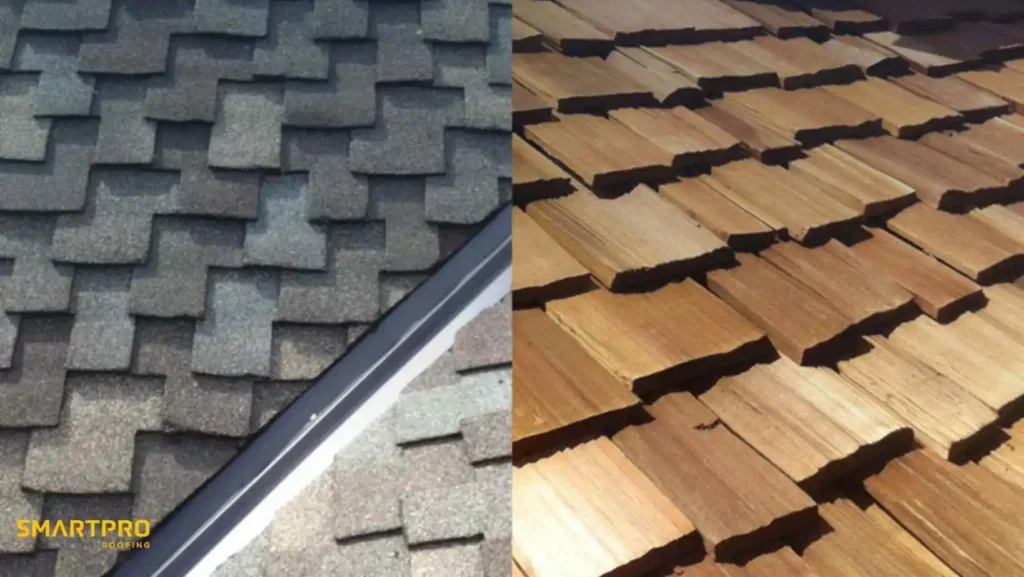
Wood shingles are thinner and more uniform, creating a polished and consistent roof surface. They are often chosen for formal architectural styles or historic neighborhoods with strict design guidelines.
Wood shakes are thicker and more textured, offering a bold, rustic look. Their thickness can improve durability, though they may require additional underlayment and ventilation considerations.
Benefits of Wood Roofing
Wood roofing offers excellent natural insulation, helping regulate indoor temperatures. It is also biodegradable and sourced from renewable materials when harvested responsibly.
A wood roofing system enhances curb appeal and can increase property value, particularly for homes where architectural authenticity matters. Its versatility allows it to complement many design styles.
Challenges and Maintenance of Wood Roofing
Wood roofing requires regular maintenance to prevent issues related to moisture, moss, insects, and fire risk. Treatments such as sealants, preservatives, and fire-retardant coatings are often necessary.
Routine inspections and cleaning help extend the life of a wood roof. Homeowners should be prepared for higher maintenance demands compared to materials like metal or asphalt.
Fire Resistance and Building Codes
Fire resistance is a key consideration with wood roofing. Many jurisdictions require fire-rated wood shingles or shakes treated with fire retardants.
Modern manufacturing and treatments have improved safety, but homeowners should always verify local building codes before choosing wood roofing materials.
Longevity and Lifespan of Wood Roofing
With proper installation and maintenance, wood roofing can last 25 to 40 years or more. Cedar and redwood typically outlast pine due to their natural resistance to decay.
Climate, roof slope, ventilation, and maintenance practices all play significant roles in determining lifespan.
Cost Considerations for Wood Roofing
Wood roofing generally costs more upfront than asphalt shingles but less than slate or clay tile. Material choice, labor complexity, and regional availability influence overall cost.
Using SmartQuote allows homeowners to compare wood roofing options against other materials and see exact pricing online. SmartQuote simplifies planning by providing transparent estimates without in-person sales pressure.
Is Wood Roofing Right for Your Home?
Wood roofing is best suited for homeowners who value aesthetics, natural materials, and architectural character. It works well for historic homes, cottages, and custom builds.
However, those seeking minimal maintenance or living in high-fire-risk areas may want to consider alternatives. Comparing options through SmartQuote helps clarify whether wood roofing aligns with your goals and budget.
Planning a Wood Roof Replacement
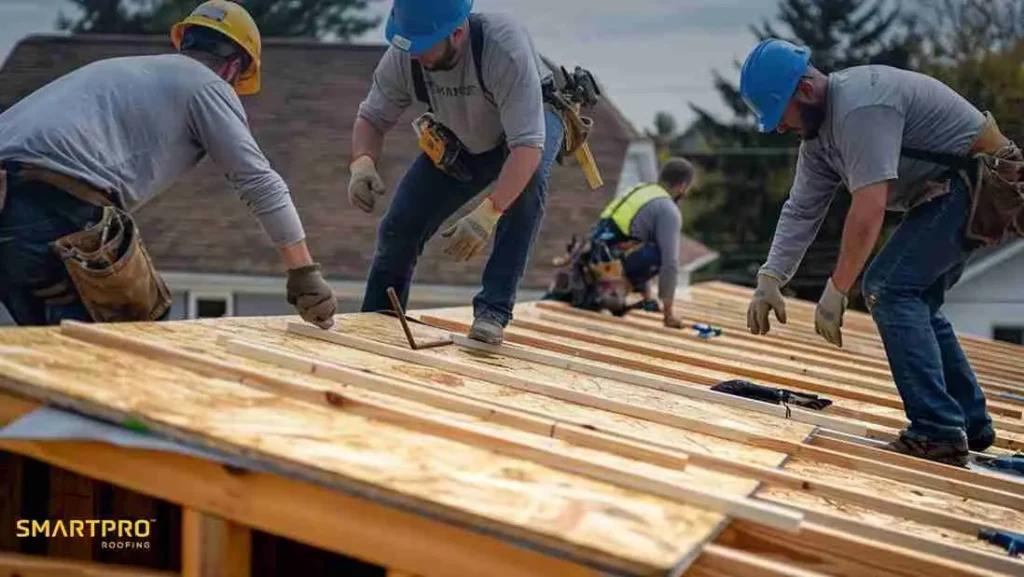
Planning is critical for a successful wood roofing project. Homeowners should consider climate, local regulations, material sourcing, and long-term maintenance needs.
SmartQuote enables you to explore wood roofing costs, timelines, and alternatives in minutes. It is a practical tool for informed decision-making when planning a roof replacement.
Final Thoughts on Wood Roofing Materials
Wood roofing remains a timeless and respected choice for residential construction. Cedar, redwood, pine, cypress, and Douglas Fir each offer distinct advantages depending on climate, budget, and design preferences.
By understanding material differences and maintenance requirements, homeowners can make confident decisions that balance beauty, performance, and longevity.
Key Takeaways
- Wood roofing offers natural beauty, insulation, and architectural character
- Cedar and redwood provide superior resistance to decay and insects
- Pine is more affordable but requires treatment and maintenance
- Cypress performs well in wet and humid climates
- Shingles offer a refined look while shakes create rustic texture
- Regular maintenance is essential for long-term performance
- SmartQuote helps compare wood roofing costs and options easily
Get Started with Your Roof Today
Ready to see exactly what your wood roofing project will cost and buy it entirely online without the sales pitch? Get your free SmartQuote today!
Related Reading: