


TPO is a more budget friendly, UV resistant material that works well for most Florida flat roofs in sunny climates. PVC costs more upfront but provides superior resistance to chemicals, fire and harsh environmental exposure. PVC typically lasts longer, while TPO is more affordable and widely used for general commercial and residential flat roof applications.
What is the difference between PVC and TPO roofing?
TPO is a thermoplastic polyolefin single ply membrane designed for UV resistance and energy efficiency. PVC is a polyvinyl chloride single ply membrane known for chemical resistance, fire resistance and long term durability.
Is TPO or PVC more expensive?
PVC is usually more expensive because it contains additional chemical stabilizers and reinforcement that improve performance. TPO is generally the budget friendly choice.
Does TPO or PVC last longer?
PVC commonly lasts longer, often reaching 25 to 30 years when installed correctly. TPO usually lasts around 15 to 20 years, depending on climate and maintenance.
What are the disadvantages of TPO roofing?
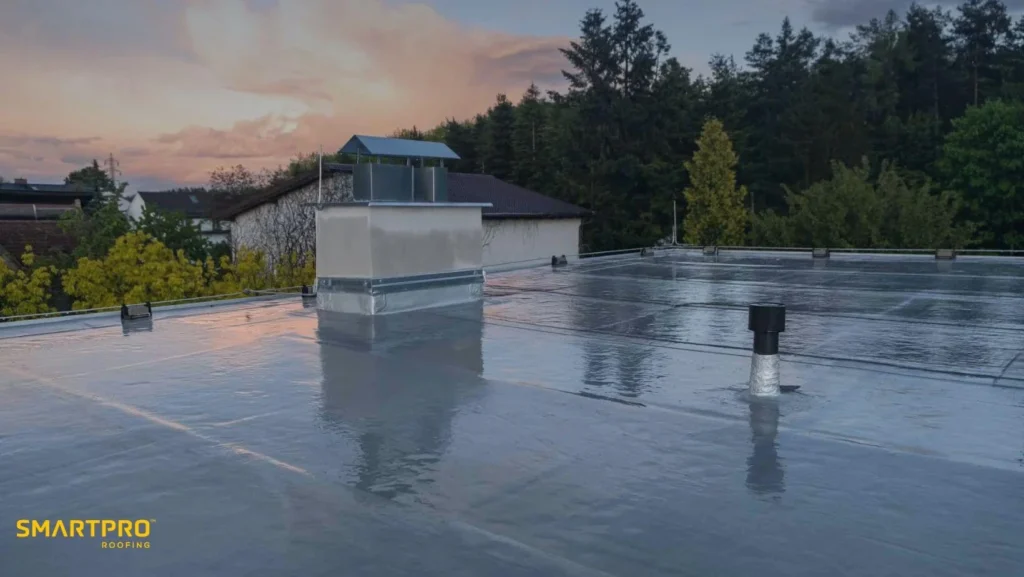
TPO can degrade more quickly under extreme heat if produced with lower quality formulations. It also has lower chemical resistance than PVC, making it less ideal for buildings exposed to grease or industrial runoff.
Introduction
Florida’s flat roofs face intense UV exposure, heavy rainfall, high humidity and seasonal storms. Choosing the right membrane matters for long term performance and energy efficiency. TPO vs PVC roofing is one of the most common comparisons for property owners across the state. Both materials are popular, reflective and energy efficient, but they perform differently depending on the type of building, environmental exposure and budget.
This guide compares TPO and PVC in detail so homeowners and building owners can make an informed decision. You can also see instant pricing for both materials through SmartQuote, an online tool that provides real roofing estimates without scheduling an in person sales visit.
According to the National Roofing Contractors Association (NRCA), both TPO and PVC membranes deliver strong performance in warm climates, but PVC provides improved chemical resistance that is beneficial for commercial and industrial buildings.
What Makes TPO and PVC Ideal for Florida Flat Roofs?
TPO and PVC roofing systems are both single ply membranes designed to perform in hot, humid climates. Florida’s heat and moisture can wear out traditional materials quickly, which is why thermoplastic membranes have become popular replacements for older built up systems.
Both materials reflect sunlight effectively, helping reduce cooling loads and utility bills. They also provide a watertight surface when properly installed with heat welded seams. These welded seams are stronger than traditional adhesives and reduce the risk of leaks during heavy rainfall.
Florida’s climate places high demand on UV stability. TPO excels in UV reflectivity while PVC excels in chemical resistance and membrane strength. Property owners can compare both materials and see cost differences instantly using SmartQuote.
TPO Roofing: Benefits, Lifespan and Ideal Applications
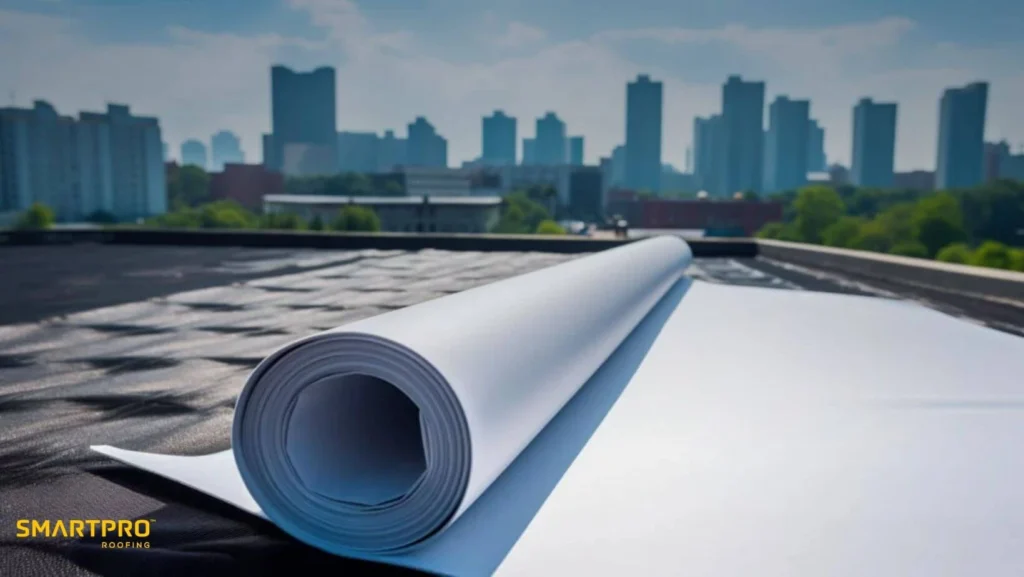
TPO roofing is widely used across Florida because it is cost effective and highly reflective. This makes it appealing for large commercial roofs and residential flat roof areas where budget and energy efficiency are priorities.
UV Resistance
TPO was developed specifically to withstand extreme sunlight. Florida receives high levels of UV radiation, and TPO membranes are engineered to handle these conditions. The white surface reflects heat and helps lower cooling costs in homes and buildings.
Lifespan and Maintenance
Most TPO systems last 15 to 20 years when maintained properly. Regular inspection of seams and flashings is essential, especially in areas where ponding water may occur. Because TPO formulas can vary between manufacturers, higher quality materials often perform significantly better in Florida’s heat.
Ideal Applications
TPO works best for residential flat sections, warehouses, office buildings and structures with minimal chemical exposure. It is not ideal for restaurants or industrial facilities where grease, fats or chemicals may contact the roof surface. For those cases, PVC remains the superior choice.
PVC Roofing: Benefits, Durability and Ideal Applications
PVC is known for premium performance and long term durability. It has been used on commercial buildings for decades because of its chemical resistance and robust composition.
Superior Chemical and Fire Resistance
PVC membranes resist oils, grease and industrial byproducts. This makes them suitable for restaurants, factories, labs and commercial kitchens. PVC also offers fire resistance properties that outperform many other flat roof materials.
Lifespan and Long Term Value
PVC roofs commonly reach 25 to 30 years or more in Florida when maintained correctly. The material retains flexibility over time, helping it handle movement, expansion and storm impacts without cracking.
Ideal Applications
PVC is the recommended choice for environments with chemical exposure, rooftop grease exhaust or heavy foot traffic. The higher cost is justified by improved durability and performance.
Cost Comparison: TPO vs PVC Roofing in Florida
Cost is one of the top factors for property owners evaluating TPO vs PVC roofing. TPO is generally more affordable because it requires fewer specialized additives during manufacturing. PVC is more costly due to its thicker formulation and enhanced performance features.
Material Costs
TPO typically costs less per square foot than PVC. For larger commercial roofs, the savings can be substantial. Property owners can estimate the difference using SmartQuote, which calculates real project costs in minutes.
Installation Costs
Installation pricing is influenced by roof size, condition, labor requirements and the complexity of penetrations. PVC installation may cost slightly more due to the weight and thickness of the material.
Long Term Value
PVC often provides a higher long term return because of its longer lifespan and resistance to environmental stress. TPO still offers strong value, especially for buildings without chemical exposure or excessive foot traffic.
Performance in Florida Heat and UV Exposure
Florida’s climate is one of the most demanding environments for any flat roof system. Prolonged sunlight exposure, rapid temperature changes and frequent storms test the limits of roofing membranes.
TPO Performance
TPO is known for excellent reflectivity and UV stability. Its white surface reflects sunlight effectively, reducing roof surface temperatures and cooling costs. It performs well in hot climates but may degrade faster in extreme heat if lower quality formulations are used.
PVC Performance
PVC also provides strong UV resistance but offers better dimensional stability. It handles Florida’s temperature swings and roof movement without becoming brittle. This makes it a reliable option for long term performance in coastal and inland regions.
Resistance to Chemicals, Fats and Industrial Contaminants
Florida’s commercial buildings often deal with rooftop contaminants from industrial operations, restaurants or manufacturing processes. This is where the differences between TPO and PVC become most apparent.
TPO Limitations
TPO has limited resistance to oils, fats and chemicals. These substances can soften or degrade the membrane over time.
PVC Strengths
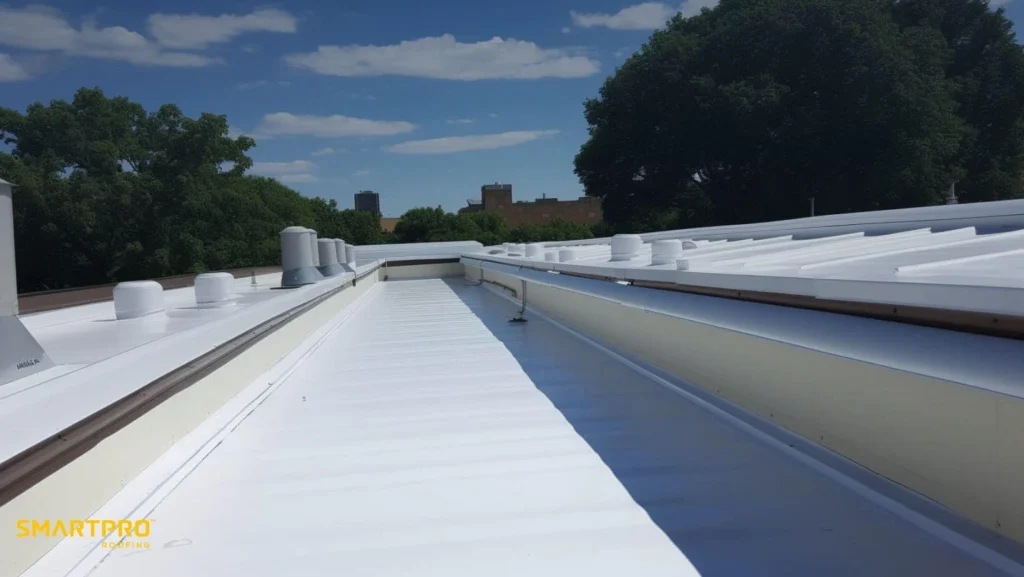
PVC is engineered to resist chemicals, making it the safer choice for restaurants, food processing facilities and industrial buildings.
Weather Resistance During Florida Storm Season
Both TPO and PVC provide strong waterproofing when installed correctly. Heat welded seams create a monolithic surface that resists wind driven rain.
TPO in Storm Season
TPO resists punctures but may be more susceptible to tearing in extremely high winds if not mechanically secured well.
PVC in Storm Season
PVC is generally stronger and more puncture resistant. It handles flying debris and storm pressure more effectively, giving it an advantage during hurricane season.
Environmental Considerations and Energy Efficiency
Energy efficiency is essential in Florida homes and commercial buildings. Both TPO and PVC contribute to cooler indoor temperatures.
TPO Energy Benefits
TPO is one of the most reflective roofing materials available, helping reduce energy consumption. It is often marketed as an environmentally conscious choice because many products are recyclable.
PVC Energy Benefits
PVC also provides strong reflectivity. Although its manufacturing process involves more complex chemistry, its long lifespan reduces waste over time.
Installation Requirements and Roof Preparation
Proper installation greatly affects performance. In Florida, where humidity and rainfall are high, experienced installation is essential.
TPO Installation
TPO is lightweight and flexible, making it simple to install on large flat roofs. Its seams are heat welded for strength.
PVC Installation
PVC installation is similar but requires handling heavier materials. The heat welding process creates seams that are extremely durable.
Maintenance Needs for TPO and PVC Roofs
Regular maintenance helps maximize roof longevity.
TPO Maintenance
Inspections should focus on seams, flashing and areas with ponding water. Cleaning debris is essential to prevent membrane staining and degradation.
PVC Maintenance
PVC requires similar maintenance but tends to resist staining, punctures and chemical deterioration better than TPO.
Choosing the Right Material for Your Building
The best material depends on building use, budget and environmental exposure.
Choose TPO if:
- You want a cost effective, UV resistant membrane
- Your building has no chemical exposure
- You prioritize energy savings at a lower price
Choose PVC if:
- Your building is exposed to grease, chemicals or heavy foot traffic
- You want the longest lifespan and strongest durability
- You operate a restaurant, industrial site or commercial kitchen
SmartQuote offers instant comparisons for both options so property owners can choose confidently.
Key Takeaways
- TPO is more affordable and highly reflective, ideal for general flat roofs in Florida
- PVC offers longer lifespan, better chemical resistance and stronger storm performance
- TPO works well for residential and standard commercial buildings
- PVC is better for industrial properties, restaurants and buildings with rooftop contaminants
- Both materials are single ply membranes with energy efficiency benefits
- SmartQuote helps homeowners compare pricing instantly and select the right membrane
Get Started with Your Roof Today
Ready to see exactly what your flat roof project will cost and buy it entirely online without the sales pitch? Get your free SmartQuote today in minutes!
Related Reading: