
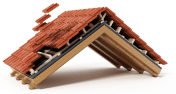
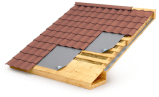

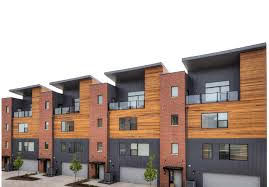




To keep a home cool and stylish with a tile roof, the best color choices are light, reflective shades in warm climates and optionally medium to darker hues in cooler regions. The key is balancing solar reflectance for energy efficiency with a color that complements the architectural style of your home.
What color roof keeps a house the coolest?
Light colors such as white, beige and light gray keep a house the coolest because they reflect more sunlight and absorb less heat.
What is the best color for a tile roof?
The best color for a tile roof depends on climate and style. Light, reflective colors perform best in hot regions while earthy or darker tones may suit cooler climates or specific architectural designs.
Which tiles keep a house cool?
Clay or concrete tiles in lighter shades keep homes cool because they naturally allow airflow beneath the material and can be manufactured with reflective surface coatings.
What is the coolest color for a roof?
White is typically the coolest roof color because it reflects the most solar radiation and reduces heat absorption.

The United States Department of Energy notes that cool-colored roofing materials can lower surface temperatures by up to 50 degrees Fahrenheit in sunny climates, improving energy efficiency and indoor comfort.
Introduction
Tile roof colors play a major role in both the appearance and the energy performance of a home. Homeowners often choose tile because it offers durability, long-term value and strong weather resistance. However, choosing the right tile roof color can help keep your home significantly cooler while also enhancing curb appeal. Whether you live in a hot region where reflectivity matters or an area where aesthetic warmth is the priority, understanding how color influences temperature and style helps you make a smart decision.
SmartQuote makes it easy to explore tile roof options and understand cost differences instantly. You can compare materials, colors and pricing in minutes without any on-site appointments.
How Tile Roof Color Influences Heat and Energy Efficiency
Tile roofs naturally resist heat due to their thickness and airflow channels, but the color of the tile affects how much heat is absorbed. Light colored tile roofs reflect more sunlight, keeping the roof surface and the interior of the home cooler. This helps reduce air conditioning demand during hot seasons.
Darker colors absorb more heat which can increase the temperature inside your home. Homeowners in warm climates like Florida, Texas, Arizona and Nevada typically benefit from choosing lighter tones. Reflective pigments also help boost energy performance even in medium tones such as sand, terracotta or dusty rose.
Choosing tiles with reflective pigments gives your roof the ability to maintain color while enhancing solar reflectance. This allows homeowners to achieve both traditional colors and energy efficiency without compromising aesthetics.
Best Tile Roof Colors for Keeping Your Home Cool
When energy efficiency is your priority, the best tile roof colors are those that reflect sunlight well. Common cool-friendly color choices include white, off-white, pale tan, cream, light gray and pastel stone colors. These colors work particularly well in Mediterranean or Spanish style architecture where light neutrals are visually appealing.
Coated clay and concrete tiles can also be manufactured in cool color technologies that increase reflectance while keeping the tile visually similar to popular mid-range hues. This allows homeowners to enjoy timeless classics like light terracotta while improving thermal performance.
Light toned roofs reduce the heat island effect around your property, improve comfort and help regulate indoor temperature more effectively throughout the summer months.
Tile Roof Colors That Complement Home Styles

Every architectural style has color palettes that enhance its appearance. Light clay tones suit Mediterranean or coastal homes, while reddish browns and earth colors complement Southwestern or Tuscan style homes. Modern designs often pair well with sleek gray or charcoal tile tones.
Choosing the right tile roof color helps maintain the character of your home. For example, soft sand hues fit well with stucco exteriors, and natural gray blends beautifully with stone or concrete facades. Spanish style homes often incorporate traditional terracotta, which can now be made in reflective versions suitable for warm climates.
Matching the roof color to your home’s exterior trim and wall color also improves visual harmony and enhances resale value.
How Climate Affects the Best Tile Roof Color Choice
Climate is one of the most important factors when selecting tile roof colors. In warm climates, light colors reflect more solar energy and help regulate indoor temperature effectively. This reduces energy costs and keeps your property cooler throughout the summer.
In cooler climates, homeowners may prefer deeper colors that help retain a bit more warmth. Darker shades like deep brown, charcoal or forest clay can support passive heating during cooler seasons. However, modern cool color technologies allow even mid to darker tones to offer higher reflectivity compared to traditional materials.
Homeowners in mixed climates should consider a medium shade with reflective coatings for year-round performance.
Popular Tile Roof Colors for Contemporary Homes
Contemporary designs favor clean lines and minimalist colors such as graphite, slate gray, light ash and warm beige. These neutral tones complement modern architectural styles and allow for variety in exterior materials like wood, metal and stucco.
Reflective gray tiles are popular because they balance aesthetics and energy performance. They offer a modern appearance while still helping maintain cooler roof temperatures compared to conventional dark tiles.
Warm beige and sandstone colors remain popular for homeowners wanting a modern yet timeless appearance that blends into natural surroundings.
Traditional Tile Roof Colors for Classic and Mediterranean Homes
Mediterranean, Spanish Revival and Tuscan homes often feature warm earth tones like terracotta, clay red, burnt orange and sandy beige. These classic colors have been used for centuries and are still widely chosen for their charming and authentic appearance.
Modern manufacturing now allows these timeless colors to be produced with reflective pigments which improve energy efficiency. This means homeowners no longer have to choose between tradition and performance.
Clay tiles in light terracotta or honey tones also complement tropical and coastal homes, making them popular choices in warm regions.
The Role of Reflective Coatings in Tile Roof Colors

Reflective coatings help improve the solar reflectance index of tile roofs regardless of the base color. These advanced finishes help tiles maintain their color while reflecting more sunlight. Coated tile options can turn mid-range colors like tan or terracotta into higher performing surfaces.
Reflective coatings also enhance longevity by reducing heat stress on the tiles, improving durability, and keeping surface temperatures lower. In addition, these coatings help protect against fading and weathering in sunny climates.
Reflective tiles can be a great choice for homeowners who want both style and energy savings but prefer colors that are not extremely light.
How to Choose a Tile Roof Color That Matches Your Exterior
Selecting the right roof color involves considering wall color, trim, landscaping and the overall architectural tone of your home. Neutral colored tiles work well with most exteriors, while bolder tones create contrast and character.
Before choosing a tile roof color, examine your home’s surroundings. A house near water or coastal regions may benefit from cool neutrals that reflect the environment while homes in desert regions often pair well with sandy or earth tones. Stone, brick and stucco textures also influence the best color choice.
Choosing Tile Roof Colors for Long Term Value
Roof color affects long term energy savings, comfort, marketability and overall property appeal. Light colors generally perform best for energy efficiency while classic tones like terracotta retain timeless curb appeal.
Reflective coatings provide a strong balance between performance and style for homeowners who do not want extremely light tones. Choosing a tile color that complements your exterior ensures your property stays visually appealing for years.
A well selected tile roof color can even help your home stand out in the neighborhood and contribute to higher resale value.
Final Thoughts on Tile Roof Color Selection
Tile roof colors can significantly influence both the comfort and the style of your home. Light, reflective colors help keep interiors cool and reduce energy costs. Traditional earth tones and modern neutrals offer strong aesthetic value while still providing performance when paired with reflective technologies.
Whether you prefer classic terracotta or sleek contemporary gray, understanding how color affects heat, energy performance and design will help you make a confident choice.
Key Takeaways
- Light tile roof colors keep homes cooler by reflecting more sunlight
- Climate determines whether light or medium tones are most effective
- Reflective coatings help mid and darker colors remain energy efficient
- Tile roof color should complement your home’s exterior style
- Tile offers durability, longevity and strong thermal performance
- SmartQuote helps compare tile color options and pricing instantly
Get Started with Your Roof Today
Ready to see exactly what your new roof will cost and buy it entirely online without the sales pitch? Get your free SmartQuote today in just minutes through SmartPRO Roofing’s online platform.
Related Reading: