


Metal roof noise is caused by impacts from rain or hail, thermal expansion and contraction, and improper installation. While older, open-framed roofs can be very loud, modern metal roofs with proper underlayment, insulation, and secure fastening are often quieter than traditional asphalt shingle roofs. Noises like popping and creaking are often just the sound of the roof material expanding and contracting, but loud or persistent rattling can indicate issues like loose fasteners that need professional attention.
How to reduce metal roof noise?
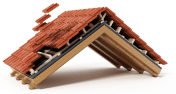
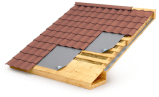
To reduce metal roof noise, a homeowner should ensure proper assembly of the roof: solid decking beneath the metal, adequate insulation above the attic floor, and the correct underlayment between roof material and deck. Fasteners should be secure, and expansion clips or allowances should be provided so the metal can move without causing creaks. Removing loose panels, tightening clips, and adding acoustic insulation in the attic also help.
Do metal roofs make noise at night?
Metal roofs might seem louder at night because ambient noise is lower, but in a properly installed system the difference is minimal compared to daytime. Impact from rain or hail can produce noise, but with solid sheathing and insulation the sound transmission to interior spaces is reduced. A metal roof that seems overly noisy at night may be installed over open framing or missing insulation.
What are the two biggest concerns to a metal roof?

The two biggest concerns for a metal roof are water intrusion (through seams, fasteners, flashing) and thermal movement (expansion and contraction of metal panels). Both of these can contribute to noise issues if not handled correctly: loose fasteners from thermal cycling or flashing failure leading to movement and rattling. Regular inspection focusing on those two concerns helps ensure quiet and longevity.
What does a metal roof sound like?
A metal roof when properly installed typically sounds like moderate rainfall or light hail, similar to what many shingle roofs produce under the same conditions. Some faint popping or creaking may occur when the metal expands with heat or contracts in cooler times, but it should not be loud or constant. If you hear rattling, banging or metallic flapping during wind or storms, that is a signal that maintenance or repair is needed.
Introduction
Florida homeowners looking at roof upgrades often ask about metal roof maintenance and noise issues, especially given heavy rain and storms common to the region. One of the questions that surfaces frequently is how much metal roof noise there will be, and whether a metal roof will keep the home quiet when it rains hard or winds howl. The good news: when designed and installed correctly, a metal roof can be as quiet as, or quieter than, traditional asphalt shingle roofs. Research shows it comes down to underlayment, decking, insulation and fastening more than the roof material itself.
In this blog we’ll explore why metal roof noise happens, what homeowners should look for in noise reduction and maintenance, and how to protect your roof, and your peace and quiet, over time.
Why Does Metal Roof Noise Happen?
Noise from a metal roof tends to originate from three core causes: impact sound (rain or hail hitting the surface), thermal movement (expansion and contraction of metal), and structural issues (fasteners, clips, loose panels).
Impact sound is especially relevant in Florida where heavy rain or hail are common. If a metal roof sits over open framing without solid decking or insulation, rain hits metal and echoes, making significant noise. Without the proper buffer, what should be a muted sound becomes quite audible.
Thermal movement is another major contributor. Metal expands when heated by the sun and contracts when temperatures drop or clouds move in. This movement can cause clicks, creaks or even soft “popping” sounds when no allowance is made for it in the install. When the system lacks expansion joints, or fasteners and clips aren’t flexible, these sounds can persist.
Structural issues like loose fasteners, unsecured panels or flashing that has backed away create vibration, knocking or rattling when wind blows or storms hit. These are signs that the roof may need inspection for repair rather than being dismissed as “something metal roofs do.” Good metal roof maintenance will catch those issues early.
Is a Metal Roof Quieter Than Shingles?

Contrary to common belief, a metal roof can match or even out-perform an asphalt shingle roof in terms of quietness, when properly installed. The key difference is not the material but the system: the decking, underlayment, insulation and fastening.
Studies show that with solid sheathing beneath, sound levels from rainfall on metal vs. shingles differ only slightly, often within a few decibels. The real noise difference comes when the roof system lacks proper backing or insulation. If you compare a bare metal panel on open framing to a fully insulated shingle roof, shingle wins comfort-wise. But compare both with good backs and metal performs just as well.
For homeowners, this means focusing on how the roof is built rather than assuming “metal equals noisy.” Routine metal roof maintenance ensures that the system stays intact, fasteners remain secure and sound transmission remains low.
Florida Climate and Noise Considerations
Florida’s weather, high humidity, intense sun, frequent heavy rain and occasional hail, places additional stress on a roof and on noise control. A metal roof in Florida must handle rapid temperature swings, salt air in coastal zones, and severe storms.
In heavy downpours or hail, a roof over open framing will amplify the impact sound. However, a metal roof installed with solid decking and insulation will mitigate much of that noise. Given Florida’s thermal cycling from hot days to cooler nights, proper allowance for expansion and contraction is critical to avoid noise from movement.
Storm wind and rain can also cause vibration if fasteners or clips become loose from cycling or corrosion, especially in coastal environments. So frequent inspection and maintenance are even more important for Florida homes to ensure quiet performance and durability.
Key Maintenance Tasks That Influence Noise
Proper metal roof maintenance is essential to maintain quiet performance. Routine tasks should include cleaning, inspection of fasteners, flashing and clips, checking for loose panels or gaps, and ensuring attic insulation remains effective.
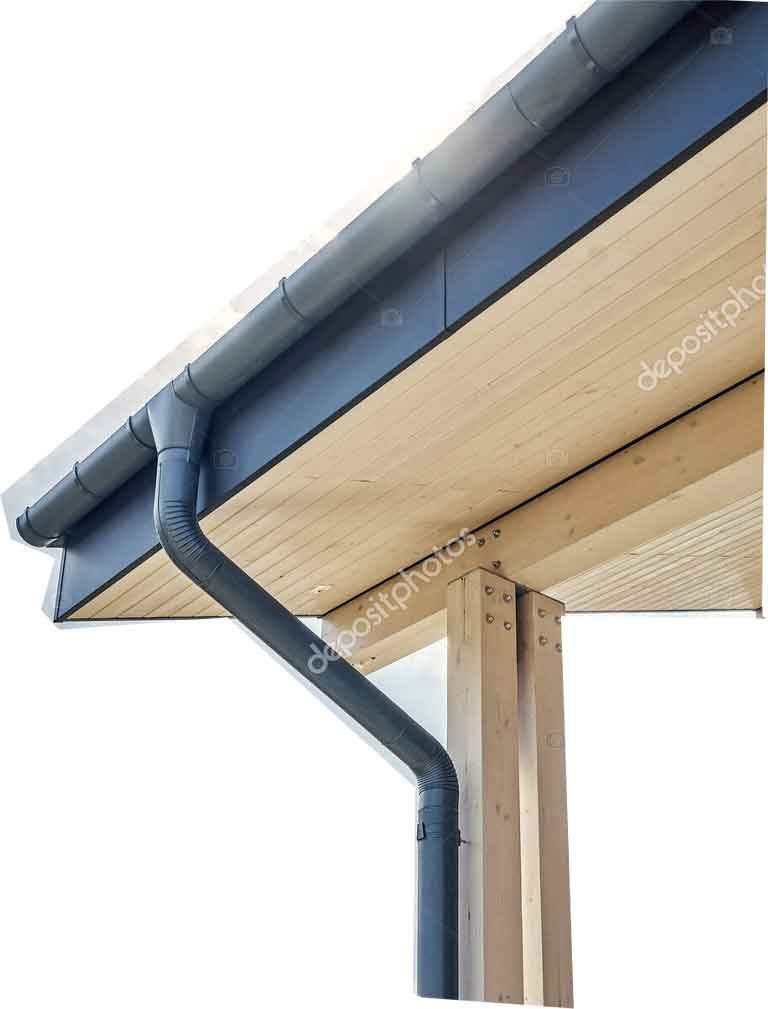
Gutters and downspouts should be kept clear so water doesn’t pool and create vibration or impact noise. Debris on the surface may also cause minor knocks or scratching of painted metal surfaces when wind moves it.
Every few years a professional inspection should include checking fasteners for corrosion, verifying clips and panels remain tight, and inspecting attic insulation so the sound barrier remains intact. Small repairs early on preserve quiet performance and extend roof life.
How Often Should You Perform Maintenance?

A good rule of thumb for Florida homes is to perform a general inspection at least once a year. After major storms, perform another check. If your roof is older than ten years or in a coastal/high-salt environment, consider professional inspection every two years.
Tasks you can perform: clean gutters, remove debris, walk the roof (if safe) or visually inspect the seams, fasteners and flashings from an observation point. Hire a professional roofer to check underlying system components, fasteners, clips, flashing, insulation, every few years. This level of metal roof maintenance ensures systems will remain quiet, leak-resistant and long-lasting.
Signs Your Roof Maintenance Should Include Noise Investigation
If you hear new or persistent noises, rattling in wind, popping during heating, or louder rain-impact than usual, it’s time to focus maintenance on noise-related issues. These could signify loose panels or failing fasteners rather than simple expansion sounds.
If you spot bent or missing fasteners, misaligned panels, or feel vibration when walking on the roof, these are signs the roofing contractor should assess the system. Timely attention prevents larger repairs and preserves both the quiet performance and durability of your roof.
Cost Implications of Noise-Related Maintenance
While metal roofs are known for their longevity, neglecting metal roof maintenance can shorten the system’s effective life and lead to noise issues that degrade comfort. Loose fasteners may allow wind-lift, leading to shingles or panels shifting or even partial replacement. That increases cost.
Routine maintenance is relatively inexpensive compared to full replacement. Incorporating noise evaluation, fastener checks, and sealing can be done at a small cost and avoid much larger investments later. For homeowners in Florida, maintaining your metal roof quietly also preserves energy efficiency and comfort, an often overlooked ROI.
What Homeowners Should Ask Their Roofing Contractor
Before installation or maintenance, ask your roofing contractor about:
- What type of roof deck will the panels be installed over (solid sheathing or open framing)?
- What underlayment and attic insulation will be used to screen noise from rainfall and wind?
- How are panels fastened and clips secured to allow for thermal movement without causing noise from expansion?
- During maintenance, how often are fasteners checked/replaced and how is the insulation performance inspected?
- Can I compare roof build-up options using SmartQuote to review cost, noise-control features and overall durability online?
These questions help ensure the investment in a metal roof includes both longevity and quiet performance, especially in Florida’s demanding climate.
“The variation of sound pressure, as it relates to rain falling on a metal roof, is dependent upon various factors. The most important factor relates to the method of construction. A metal roof installed over open framing will register a louder sound than panels that are installed over a solid roof deck.”
The Acoustic Group, Luleå University of Technology, Sweden
Source: Research projects on Engineering Acoustics
Key Takeaways
- Metal roofs can perform quietly and with minimal noise, even in Florida, when properly installed and maintained.
- The main sources of metal roof noise are rain/hail impact, thermal expansion/contraction and structural vibration due to loose fasteners.
- Routine metal roof maintenance, especially in Florida’s climate, is essential: inspect annually, clean gutters, clear debris, check fasteners and ensure insulation remains effective.
- Persistent or unusual noise may signal an underlying issue rather than normal operation and should be addressed promptly.
- Discuss noise-control features with your contractor, decking, underlayment, fastening system, and use tools like SmartQuote to compare options, costs, and build-up details online.
Ready to Get Started?
Ready to see exactly what your new roof will cost, and buy it entirely online without the sales pitch? Get your free SmartQuote today in just minutes at SmartQuote.
Use SmartQuote to review cost, noise-mitigation options and build-up details all in one place.
Related Reading: