


Metal roof noise is caused by impacts from rain or hail, thermal expansion and contraction, and improper installation. While older, open-framed roofs can be very loud, modern metal roofs with proper underlayment, insulation, and secure fastening are often quieter than traditional asphalt shingle roofs. Noises like popping and creaking are often just the sound of the roof material expanding and contracting, but loud or persistent rattling can indicate issues like loose fasteners that need professional attention.
Metal roofs do not inherently make more noise at night than during the day. Sounds from rain, hail or wind can seem louder at night simply because ambient noise is lower. On a properly installed metal roof with solid decking and good attic insulation, most homeowners will not notice any unusual noise at night compared to other roof types.
For Florida homeowners, selecting a roof means not only weather durability and energy efficiency but also comfort and quiet during rainstorms or nighttime winds. The term metal roof noise raises understandable concerns, especially in a state where heavy rain, hail and intense sun are common. Many older barns or patio covers give the impression that metal roofs are loud. But as research shows, when a metal roof is properly constructed with quality underlayment, decking, and insulation, it can be as quiet or quieter than many asphalt shingle roofs. In this article, we’ll explore the causes of noise in metal roofs, how to evaluate your roof’s quiet performance, and what you should look for if you’re considering a metal roof replacement.
What Causes Metal Roof Noise?

Noise from a metal roof typically arises from three central sources: impact noise (rain or hail), thermal movement (expansion and contraction), and structural vibration (loose fasteners or open framing).
First, heavy rain or hail hitting a thin or poorly insulated metal panel over an open framing system can transmit sound directly into the interior space. Without a dampening deck, insulation or underlayment, the impact becomes very noticeable.
Second, metal expands when heated and contracts when cooling. If the roof assembly doesn’t allow that movement, you may hear popping, creaking or even audible “clicks” as the structure adjusts. This is especially noticeable during sunrise or sunset when temperatures change rapidly.
Third, if the roof panels or fasteners are loosely installed, wind-induced vibration or thermal cycling can cause rattling or flapping noises. In such cases, the noise is a signal of potential issues with the roof system rather than an inherent problem with metal itself.
Are Metal Roofs Noisier Than Shingles?
Contrary to popular belief, a metal roof is not significantly noisier than an asphalt shingle roof when properly built. A study by the Acoustic Group at the University of Luleå, Sweden showed that the difference in sound levels between rain on metal vs shingles was only about 6 dB when installed over a solid deck with underlayment. In practical terms, that’s below the threshold most human ears distinguish. In other words, many homeowners won’t hear any difference. The key is the roof deck, insulation and underlayment, not simply the roof material itself. Modern residential metal roof systems typically include these layers, making them quiet and effective even in heavy weather.
How Florida’s Climate Amplifies Noise Concerns
Florida’s climate presents unique stressors for roofs: intense sun, frequent heavy rain, hail risk and high humidity. These factors matter when it comes to noise.
During a tropical downpour or hail event, a metal roof over open framing may act like a drum, amplifying sound. Conversely, a metal roof with a solid deck and attic insulation will absorb much of that noise.
Thermal cycling is also extreme in Florida: the heat of day followed by cooling nights means a metal roof will expand and contract. If the roofing system lacks proper expansion allowances or secure fastening, noise may be more noticeable in Florida’s climate.
Finally, wind-driven rain and storms can cause vibration or shifting if the metal panels or fasteners are not installed correctly leading to rattling rather than normal weather sound.
Noise Reduction Techniques for Metal Roofs
To reduce metal roof noise, there are several key techniques that homeowners and contractors should focus on:
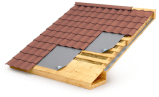
- Choose a solid roof deck (plywood or OSB) instead of open framing. The deck acts as a sound barrier.
- Use high-quality underlayment and attic insulation. These layers absorb impact sound and reduce airborne noise.
- Secure fasteners and panels properly and allow for thermal movement so that expansion and contraction don’t cause creaks.
- Add attic ventilation and insulation to break the sound pathway between the roofing system and living space.
- Select thicker gauge panels or profiles with acoustic backing if noise is a key concern.
By following these steps, a modern metal roof can perform quietly even during heavy rain or hail.
When Is Metal Roof Noise a Sign of a Problem?
Sometimes noise from a metal roof signals an underlying issue: loose fasteners, missing clips, an inadequately decked structure or improper underlayment.
If you hear constant rattling, vibration or metallic flapping (especially during wind or rain), it’s worth contacting a roofing professional. If fasteners are loose or panels shifted, the noise can lead to leaks, wind uplift, or reduced durability.
Routine roof inspections can detect these issues. Many homeowners using SmartQuote to plan a new roof also ask about noise concerns and get clarity on how their roof will be built to prevent unwanted sound.
What Homeowners Should Ask Before a Metal Roof Installation

If you’re considering a metal roof, especially in Florida, ask your contractor the following:
- What kind of roof deck will the panels be installed over (solid sheathing vs open framing)?
- What underlayment and attic insulation will be used to reduce impact and transmission noise?
- How is thermal movement addressed (clips, expansion joints, secure fastening)?
- Are fasteners or clips properly secured to prevent vibration in wind or rain?
- Have you used SmartQuote to review the roof cost, installation build-up and noise mitigation features?
By asking these questions, you empower yourself as a homeowner to control noise and ensure your metal roof performs quietly and effectively.
ROI: A Quiet, Durable Roof for Florida Conditions
While many homeowners focus on durability, storm resistance and longevity when choosing a metal roof, quiet performance is a key quality especially in Florida’s frequent storm events. A well-installed metal roof that suppresses noise can increase living comfort, minimize interior disturbance during storms and still provide the long lifespan you expect from metal roofing.
Using SmartQuote allows you to compare roof systems that include acoustic upgrades or thicker decks, helping you invest in a metal roof that doesn’t compromise on quiet while still delivering durability and efficiency.
“As long as the metal roof is installed over a solid deck with proper underlayment and attic insulation, sound levels during rainfall are comparable to those of asphalt shingles, often just a few decibels difference.” University of Luleå, Sweden report on sound emission of metal roofing. ATAS International, Inc.e
Key Things to Remember
- Modern metal roofs can be as quiet as traditional roofs when properly installed with decking, underlayment and insulation.
- The primary sources of metal roof noise are impact from rain/hail, thermal expansion/contraction and structural vibration.
- Florida’s climate intensifies noise risks but also makes quality installation and noise mitigation more important.
- Persistent rattling or vibration may indicate loose fasteners or panels get a professional check.
- Ask the right questions before installation and review your roof build-up and noise-control measures.
- Use tools like SmartQuote to compare roof systems that include quiet-performance features and transparent cost breakdowns.
Related Reading: