



A slate tile roof is a roofing material made from natural stone that is split into thin, durable tiles known for their classic look and exceptional longevity. It is a premium choice with excellent fire resistance and weather durability, although heavier and more expensive than most roofing options. Synthetic slate alternatives offer a similar appearance while being lighter and more affordable.
What is a slate tile roof?
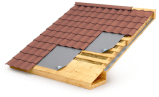
A slate tile roof is a roofing system made from natural stone tiles, typically quarried and split into thin, flat pieces. These tiles are installed individually to form a durable, fire resistant and elegant roof.
What are the benefits of a slate roof?
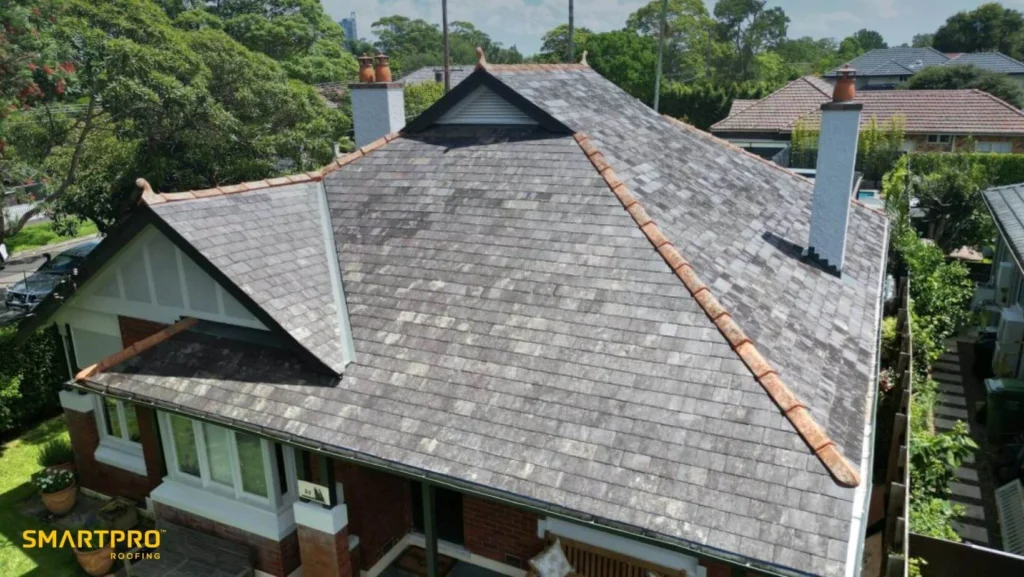
Slate roofs are known for their long lifespan, premium appearance, resistance to fire and wind and low maintenance needs. They can last a century or more when properly maintained, making them one of the most durable roofing types available.
What is slate made from and why is it used for roof tiles?
Slate is a metamorphic rock created through intense heat and pressure over millions of years. It is used for roofing because it can be split into thin, strong layers that resist weathering, moisture and extreme temperatures.
What is tile and slate?
Tile refers to roofing made from materials like clay, concrete or stone, while slate specifically refers to natural stone tile. Slate is considered a type of tile, but not all roofing tiles are slate.
The National Park Service notes that natural slate has a proven track record of outlasting most building materials due to its dense composition and low water absorption. This makes it exceptionally resilient in demanding climates.
Introduction
A slate tile roof brings together classic architectural beauty and exceptional performance, making it one of the most prestigious roofing materials in the world. In Florida, where roofing systems face heat, humidity, salt exposure and intense storms, homeowners often look for materials that can withstand these challenges without sacrificing style. Slate offers a rare combination of elegance and strength, giving homes a timeless look while providing decades of reliable protection.
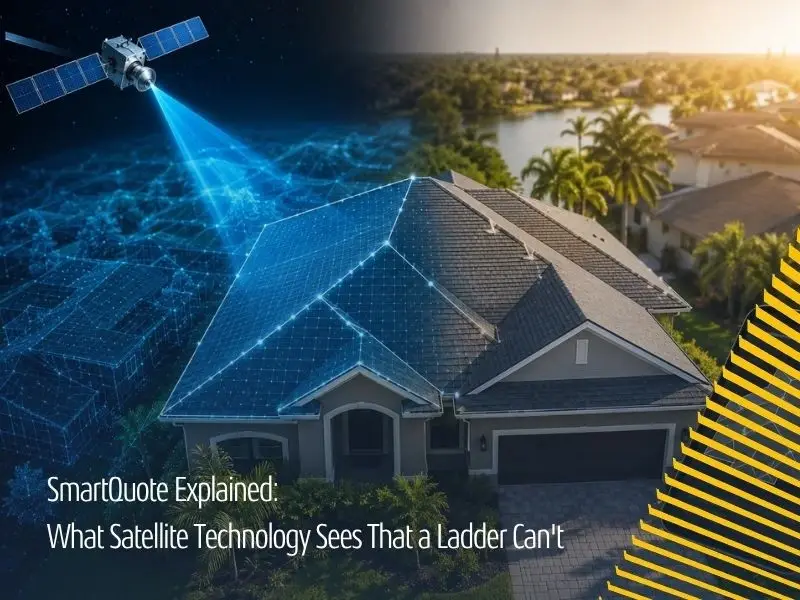
This guide explores everything you need to know about installing a slate tile roof in Florida. You will learn about natural and synthetic slate, how slate behaves in humid climates, overall cost expectations, installation challenges, weight considerations and long-term performance. Throughout the article, you will also find guidance on how SmartQuote can help homeowners compare roof options instantly without any in-person consultations.
The Appeal of Natural Slate Tile Roofs in Florida
Natural slate is often regarded as the gold standard of luxury roofing. Each tile is crafted from real stone, which gives it a unique texture and color pattern. This creates a roof that looks handcrafted rather than manufactured.
Slate also holds its color for decades because it is not painted or coated like other roofing materials. Instead, its color runs through the entire stone. In Florida neighborhoods where architectural style varies from Spanish Revival to luxury coastal estates, slate provides a high-end visual profile that elevates curb appeal significantly.
The timeless charm is not the only advantage. Slate tiles resist moisture naturally, which makes them a strong contender for Florida’s humid climate. The stone also absorbs very little water, reducing the risk of mold and mildew that commonly affect more porous roofing materials.
With SmartQuote, homeowners can explore options for slate-inspired alternatives or gather pricing comparisons instantly to understand how slate fits within their roofing budget.
Types of Slate Used in Roofing
Slate tiles come in two main categories: natural slate and synthetic slate. Each has unique benefits, costs and suitability for Florida homes.
Natural Slate
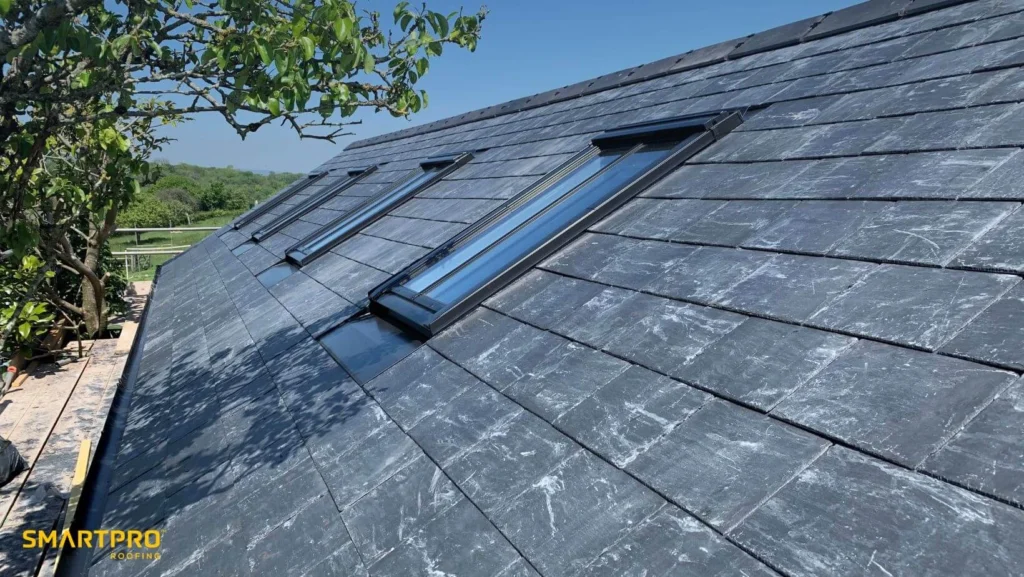
Natural stone slate is quarried and split by skilled craftsmen. It is the most durable and longest lasting form of slate. Some natural slate roofs in the United States have lasted more than 150 years, an unmatched lifespan in the roofing industry.
Synthetic or Composite Slate
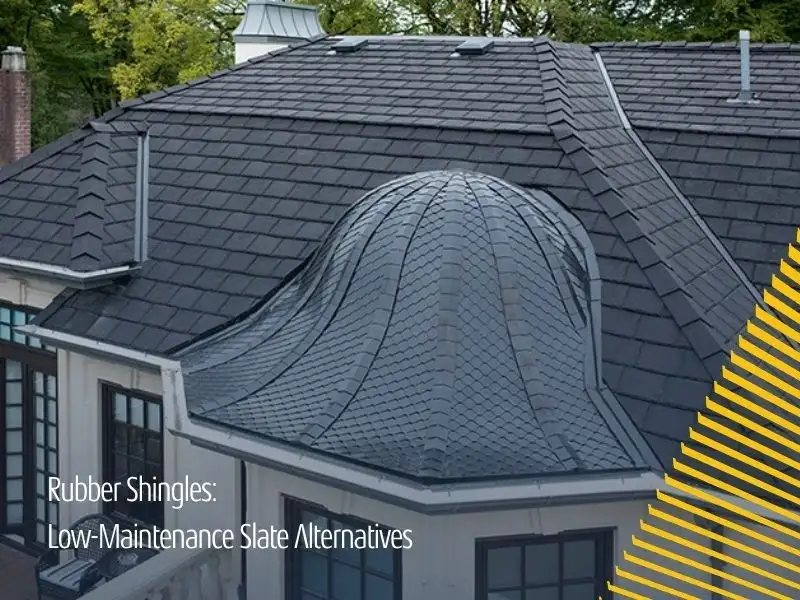
Synthetic slate is made from materials like polymer, rubber or recycled composites. These tiles are designed to resemble natural stone but weigh significantly less, making them easier to install on homes that cannot support the weight of real stone.
Synthetic slate is quite popular in Florida because it offers the appearance of slate while performing well in high wind zones. Many synthetic slate materials are tested and rated for hurricane level winds.
SmartQuote allows homeowners to compare natural and synthetic slate instantly, helping them make informed decisions based on cost, weight and performance.
How Slate Performs in Florida’s Climate
Florida’s climate includes year-round sun exposure, high humidity, salt air for coastal homes and the potential for hurricanes. Slate, whether natural or synthetic, responds differently to these conditions.
Heat Resistance
Slate has a high thermal resistance, meaning it does not warp or degrade under extreme temperatures. It handles hot climates better than many asphalt-based materials.
Moisture and Humidity
Natural slate absorbs very little water, which helps prevent mold and mildew. Synthetic slate is also resistant to moisture and often incorporates UV-stabilizing additives to help prevent cracking.
Wind Resistance
Natural slate is heavy, which helps it resist uplift during high winds. Synthetic slate is engineered for wind resistance, with locking systems and reinforced nailing zones that keep tiles secure.
Homeowners planning a roof upgrade can use SmartQuote to view wind-rated materials and compare how slate performs against other premium roofing types.
Weight Considerations for Slate Roofs
One of the biggest challenges with natural slate is weight. A natural slate roof can weigh several tons, requiring the home’s structure to be reinforced before installation.
This is important for Florida homes, which may be built with lighter structural framing. An inspection is always necessary to determine whether the home can support natural slate.
Synthetic slate, on the other hand, is significantly lighter. This removes the need for structural modification and reduces installation time and labor cost.
SmartQuote helps homeowners compare natural and synthetic slate options quickly, offering pricing that automatically considers labor and structural requirements.
Natural Slate vs Synthetic Slate: Which Is Better for Florida Homes?
Both options offer benefits, but the best choice depends on budget, structure and style preferences.
Natural Slate Benefits
- Extremely long lifespan
- Natural variation that enhances visual appeal
- High resistance to fire and heat
- Minimal ongoing maintenance
Natural Slate Challenges
- Very heavy
- Expensive
- Requires specialist installation
- Can break if walked on improperly
Synthetic Slate Benefits
- Lightweight
- Lower cost than natural stone
- Designed for hurricane wind resistance
- UV and impact resistant
Synthetic Slate Challenges
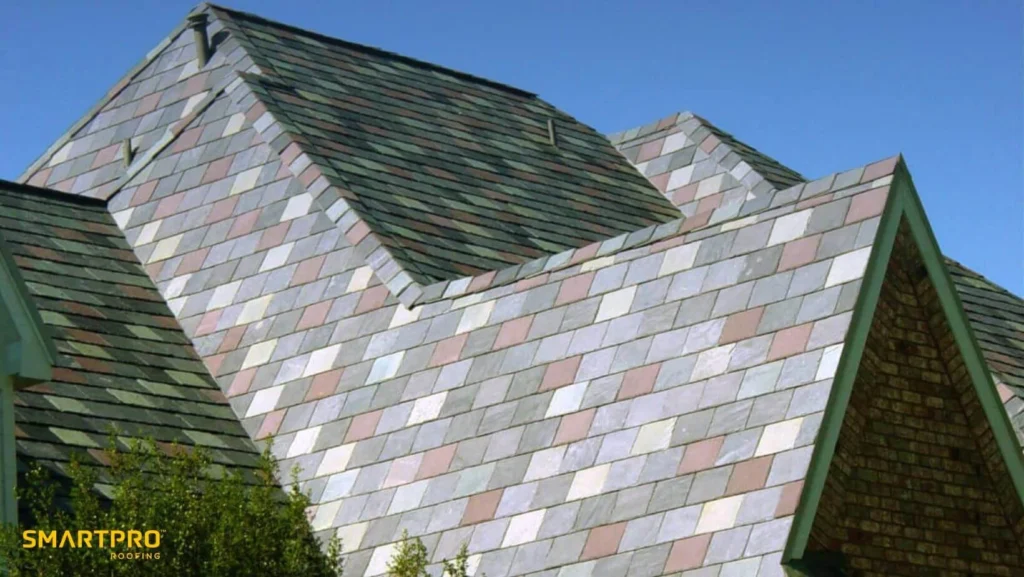
- Shorter lifespan than natural slate
- Appearance is extremely close, but not identical to real stone
Because slate is a considerable investment, homeowners often use SmartQuote to compare slate with other premium materials like metal or high-end tile.
Installation Requirements for Slate Roofs
Installing slate tiles is a highly specialized process. Both natural and synthetic slate require precise placement, proper nail length, correct underlayment and careful tile alignment.
Key Installation Steps
- Roof decking inspection
- Underlayment installation resistant to humidity
- Starter tiles and drip edge placement
- Slate tile layout and fastening
- Ridge and hip treatments
- Flashing installation around penetrations
In Florida, flashing must be carefully installed to handle heavy rainfall and wind-driven moisture. Incorrect installation can shorten the lifespan of even the highest quality slate.
SmartQuote gives homeowners an accurate estimate that includes installation costs, making it easier to plan financially for a slate roof project.
Lifespan and Maintenance Expectations
Natural slate can last 75 to more than 150 years when properly installed. Synthetic slate usually lasts 40 to 60 years, depending on brand and material composition.
Maintenance is relatively minimal. Typical tasks involve checking for cracked tiles after major storms and ensuring flashing remains secure. Unlike asphalt shingles, slate tiles do not curl, blister or break down from heat.
Because Florida homes may face seasonal storms, a yearly inspection is recommended. Synthetic slate requires even less maintenance because it is engineered to be impact resistant.
Cost of a Slate Tile Roof in Florida
Slate is one of the most expensive roofing materials available. The cost includes materials, structural modifications in some cases and specialized labor.
Natural Slate Cost Factors
- Material rarity
- Tile thickness
- Installation complexity
- Roof pitch and design
Synthetic Slate Cost Factors
- Material type
- Tile design
- Installation labor
- Brand and performance rating
Homeowners can use SmartQuote to instantly compare natural slate, synthetic slate and other premium roofing options to understand price differences and long-term value.
Environmental Benefits of Slate Roofs
Both natural and synthetic slate offer environmentally friendly advantages.
Natural Slate
- 100 percent natural material
- Exceptionally long lifecycle
- Minimal waste over time
Synthetic Slate
- Often made from recycled materials
- Lightweight design reduces transportation emissions
- Durable and long lasting
A long-lasting roof reduces landfill waste and limits the need for frequent replacements.
Choosing Between Slate and Other Premium Roofing Materials
Florida homeowners often compare slate with metal or tile. Each option serves different priorities.
Slate vs Metal Roofing
Metal offers great wind resistance, energy efficiency and durability at a lower weight. Slate offers unmatched longevity and traditional elegance.
Slate vs Clay Tile
Clay tile is beautiful and durable but often heavier than slate. Slate provides a more refined aesthetic and longer lifespan for natural stone options.
SmartQuote makes comparing premium roofing materials simple by showing accurate pricing side by side.
Key Takeaways
- Slate tile roofs offer luxury style, durability and exceptional longevity.
- Natural slate is heavier and more expensive but lasts the longest.
- Synthetic slate provides a lighter, more affordable alternative.
- Both perform well in Florida’s heat, humidity and storm conditions.
- Proper installation is critical for long-term performance.
- SmartQuote helps homeowners compare costs instantly and plan confidently.
Get Started with Your Roof Today
Ready to see exactly what your new roof will cost and buy it online without the sales pitch? Get your free SmartQuote in minutes!
Related Reading: