


Synthetic slate and synthetic shake are durable, eco-friendly, and lightweight roofing alternatives molded from rubber, plastic, and advanced polymers to mimic the look of real stone or wood. They offer superior weather resistance, with many products rated for up to 190 mph wind resistance and Class 4 impact performance, and can last 50 years or more without the rot, cracking, or weight issues associated with natural materials.
What is synthetic slate?
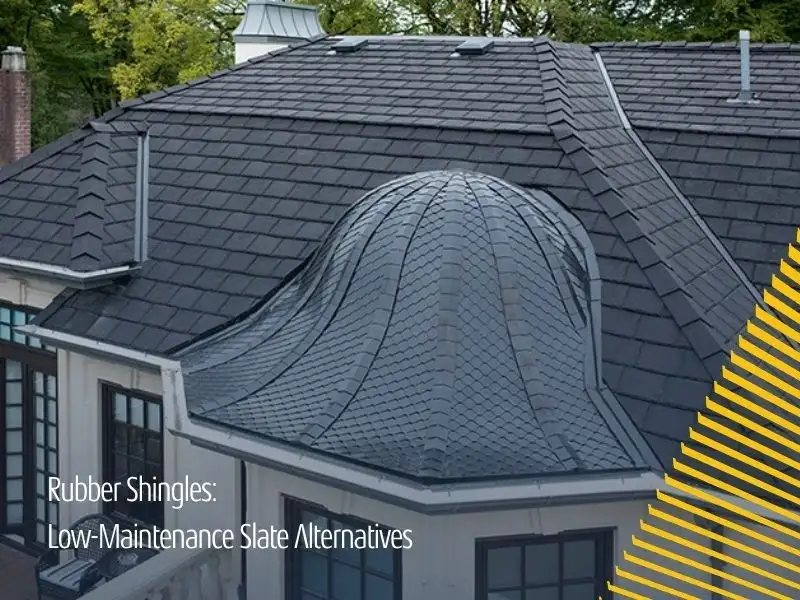
Synthetic slate is a man-made roofing material designed to replicate the appearance of natural slate stone. It is typically made from recycled rubber, plastic, or polymer composites. Synthetic slate provides the visual elegance of real slate with fewer concerns about weight, breakage, or custom installation requirements.
What is a synthetic shake roof?
A synthetic shake roof looks like traditional wood shake but is made from engineered materials such as polymer or rubber composites. These materials mimic the texture and profile of wood without the rot, insect problems, or maintenance needs of natural wood shake roofs.
How long does synthetic slate last?
Synthetic slate roofs typically last 40 to 50 years or longer under normal conditions. Many manufacturers back their products with long-term warranties. Their engineered composition resists cracking, breaking, and weather damage that often shortens the life of natural slate or wood shake.
What does shake mean in roofing?
In roofing, shake refers to a type of roofing shingle made from split wood. Wood shake has a rustic, textured look. Synthetic shake provides the same aesthetic but uses modern materials to overcome wood’s susceptibility to rot, insects, and fire.
Synthetic slate and synthetic shake roofing materials are gaining popularity as homeowners and builders seek attractive, long-lasting alternatives to traditional roofing systems. With advancements in materials technology, these products combine aesthetic appeal with performance benefits. They offer a compromise between the high cost and weight of natural slate and the maintenance challenges of wood shake or asphalt shingles.
Synthetic slate and synthetic shake provide a range of options for residential and commercial roofing projects. They deliver visually striking results while addressing many of the common drawbacks associated with natural roofing materials. This article explores what synthetic slate and synthetic shake roofs are, their pros and cons, longevity expectations, cost considerations, performance factors, and how to choose the right one for your home.
According to the National Roofing Contractors Association, composite roofing materials, including synthetic slate and synthetic shake, are designed to replicate traditional roofing looks while improving performance and durability in various climates. These products often carry high wind ratings, good impact resistance, and lower life cycle costs compared with some natural materials.
What Makes Synthetic Slate & Synthetic Shake Different?
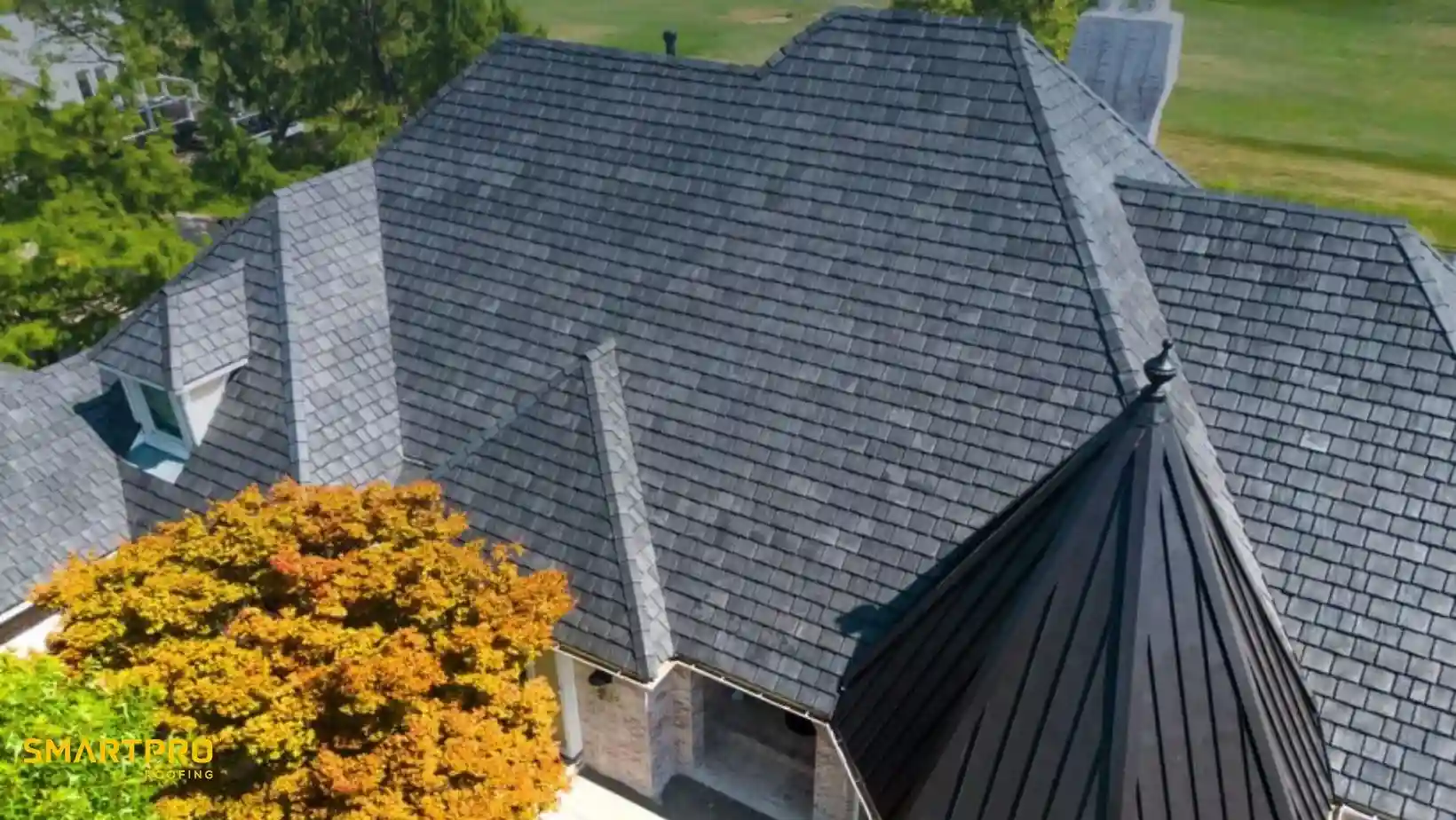
Synthetic slate and synthetic shake are engineered roofing options that mimic the look of natural roofing materials while using modern materials for performance.
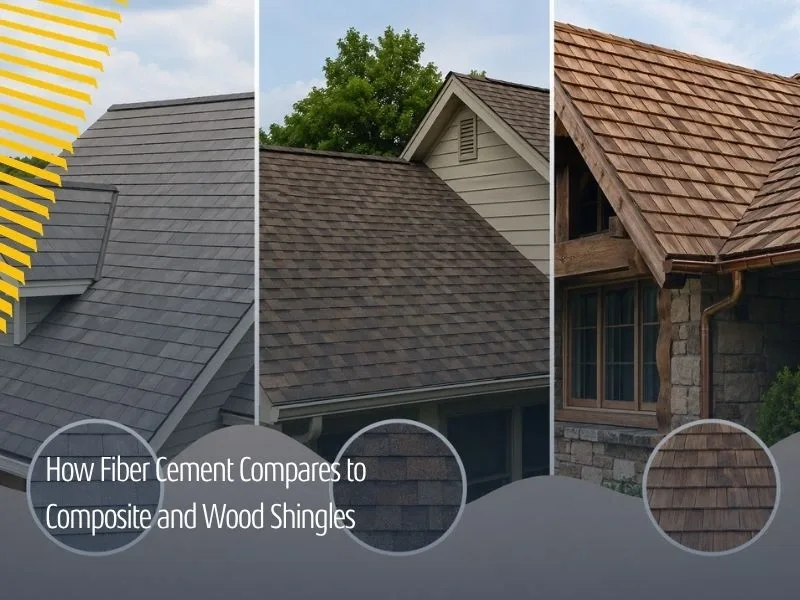
Natural slate is quarried stone that is heavy, brittle, and requires specialist installation techniques. Natural wood shake has a warm, textured aesthetic, but is prone to rot, fire risk, and insect damage. Synthetic versions use materials such as plastic polymers, rubber composites, or fiber-reinforced stone composites to achieve similar looks without many of the drawbacks.
The manufacturing process for synthetic slate and shake allows for consistent shape, size, and performance characteristics. These roofing products are offered in a variety of colors and textures to suit different architectural styles. Because they are manufactured with performance in mind, many products also include UV inhibitors and enhanced coatings to resist fading in sunlight.
Benefits of Synthetic Slate & Synthetic Shake
Visual appeal without compromise
One of the main reasons homeowners choose synthetic slate or synthetic shake is the visual impact. They provide the classic look of traditional roofing but with material improvements.
Synthetic slate looks nearly identical to real slate, with layered patterns that create depth and texture. Synthetic shake replicates the rugged, hand-split look of wood shakes. This aesthetic versatility makes both options attractive for traditional and contemporary homes.
Lightweight compared with natural materials
Natural slate is heavy, often requiring roof reinforcement. Synthetic slate and synthetic shake are significantly lighter, reducing structural concerns and installation complexity. For many older homes, weight reduction is a key advantage.
The reduced weight also means easier handling during installation, which can help lower labor costs and minimize installation time. Roofing contractors familiar with composite materials can work more efficiently than with heavy stone or cumbersome wood.
Improved resistance to breakage
Natural slate can crack or shatter when walked on or during extreme weather. Synthetic slate and synthetic shake are designed to be more flexible and impact-resistant, reducing the likelihood of damage during installation or maintenance.
This durability also contributes to fewer roof repairs over the life of the roof system, making synthetic roofs more dependable for long-term performance.
Weather resistance
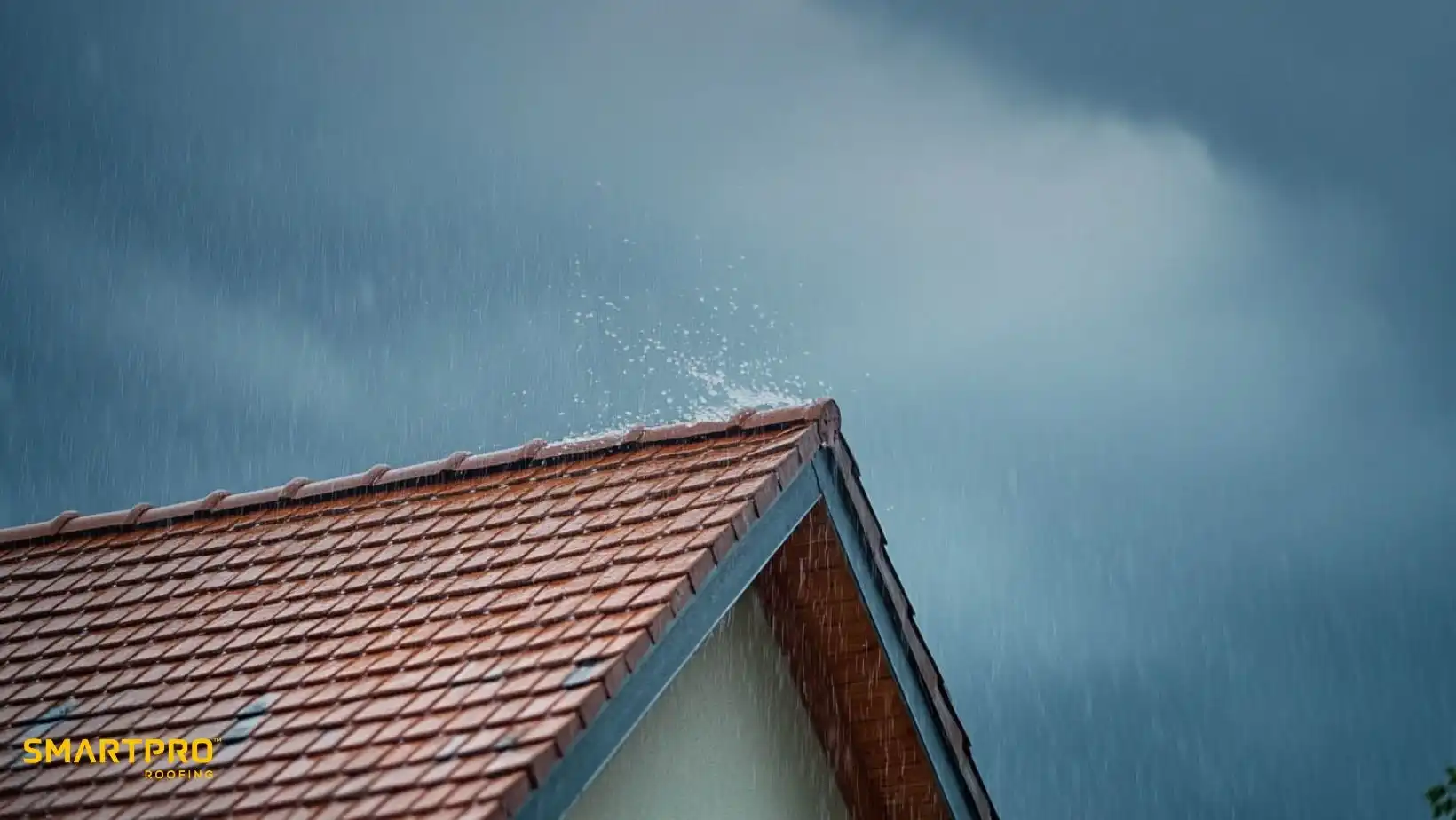
Synthetic roofing materials are engineered for performance. Many synthetic slate and shake products carry high wind ratings, often up to 190 mph, making them suitable for hurricane-prone regions. They also typically achieve high impact ratings, meaning they stand up well to hail, falling debris, and other weather challenges.
In climates with extreme sun, UV inhibitors help prevent material fading and degradation over time. Water resistance is another strong point, as properly installed synthetic roofing sheds rain effectively and resists moisture penetration.
Fire resistance
Unlike wood shake, synthetic shake and synthetic slate products are typically manufactured with fire-resistant materials. This can improve home safety and may be a factor in meeting local building codes or insurance requirements.
While specific fire ratings vary by product, many synthetic roofing options achieve Class A fire ratings, among the highest available for residential roofing materials.
Long lifespan
Synthetic slate and synthetic shake can last 40 to 50 years or more with proper maintenance. This lifespan rivals or exceeds that of traditional asphalt shingles and approaches the longevity of natural slate without the associated weight and fragility.
A long service life means fewer roof replacements over time, reducing waste and life cycle cost. This makes synthetic roofing an appealing option for homeowners planning to stay in their homes for many years.
Lower maintenance requirements
Because composite roofing materials resist rot, insect damage, and breakage, they generally require less upkeep than natural wood shake or traditional slate. Occasional inspections and minor cleaning are typically all that’s needed to keep the roof in good shape.
Regular maintenance for any roofing system is recommended, but synthetic options often have lower ongoing service needs.
Cons of Synthetic Slate & Synthetic Shake
Higher upfront cost compared with basic shingles
One downside of synthetic slate and synthetic shake is the initial price. These products are more expensive than traditional asphalt shingles. While they offer superior performance and longevity, the upfront cost may be a barrier for some homeowners.
However, when considering long-term lifespan and reduced maintenance, many homeowners find the total cost of ownership can compare favorably with replacement cycles of cheaper materials.
Availability and installer expertise
Not all roofing contractors are experienced with synthetic slate and synthetic shake placement. Homeowners may need to seek out roofing contractors with specific expertise in composite material installation to ensure proper fit and performance.
Selecting a roofer familiar with the product line you choose helps avoid installation errors that could compromise performance.
Limited color and texture variation compared with natural materials
While synthetic options offer many styles, they may not match every unique variation found in natural slate or wood shake. For historic or highly custom homes, the current synthetic palette may feel limiting to some design preferences.
That said, advances in manufacturing continue to expand available options each year.
Longevity Expectations for Synthetic Roofing
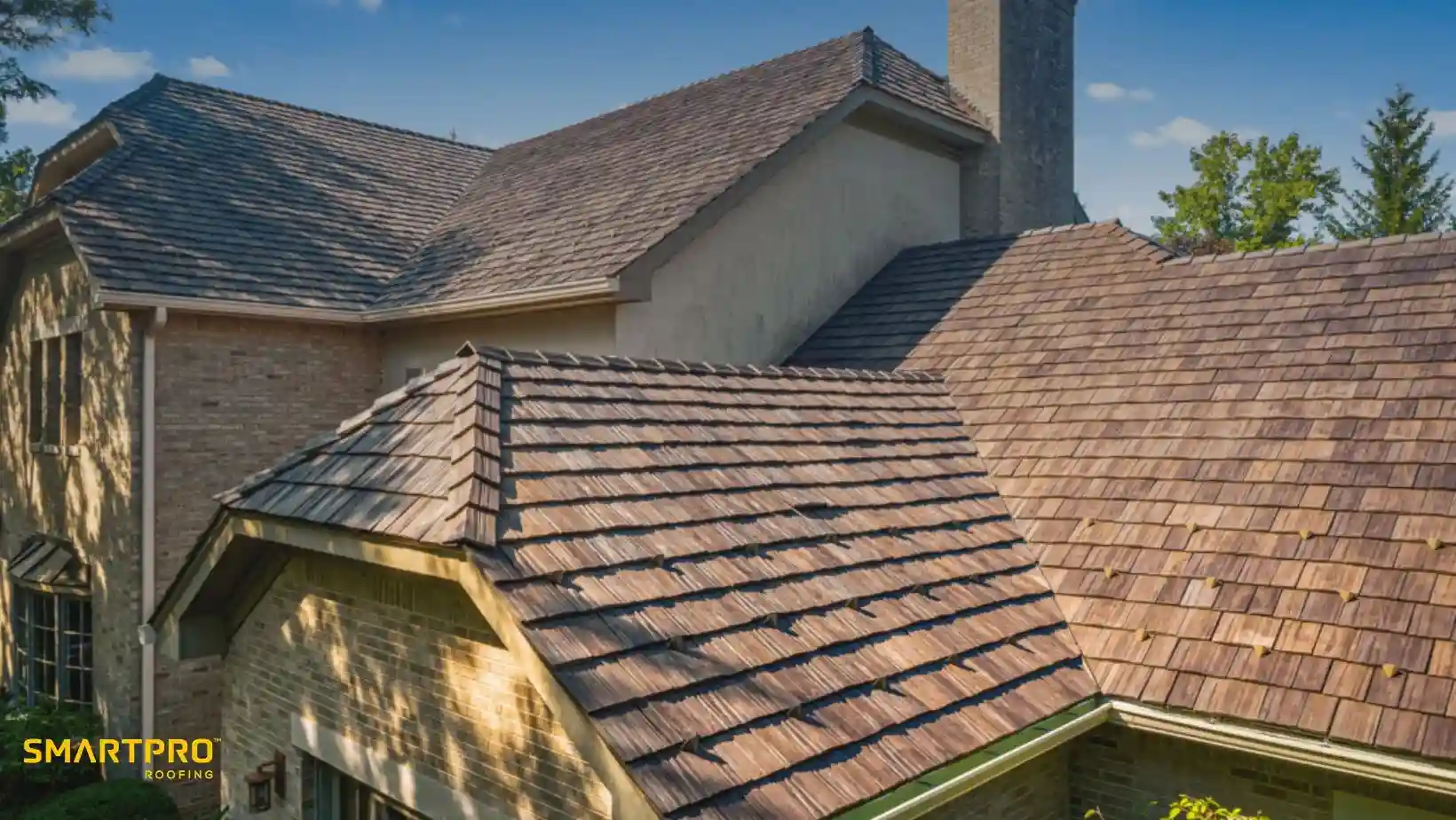
When considering how long a synthetic slate or synthetic shake roof lasts, homeowners should rely on manufacturer warranties and third-party performance tests. Most synthetic roofing products come with warranties of 30 to 50 years, with many lasting longer under ideal conditions.
Longevity is influenced by several factors, including proper installation, climate, roof slope, and maintenance. A well-installed synthetic roof in a temperate climate may maintain performance well beyond its warranty period.
Synthetic roofing materials resist common failure modes such as rot, insect damage, and cracking from freeze-thaw cycles. This inherent resistance contributes to a longer effective service life compared with many traditional options.
Cost Considerations for Synthetic Slate & Shake
Material costs
Synthetic slate and shake materials cost more than basic asphalt shingles. However, they are often less expensive than natural slate stone, which can be cost-prohibitive for many homeowners.
Costs vary by brand, material composition, and product thickness. Homeowners should compare several options and consider factors such as weather resistance ratings and warranty coverage.
Installation costs
Labor costs for synthetic roofing installation can vary depending on roof complexity and contractor expertise. Because these materials are lighter and easier to handle than natural slate, labor costs may be less than for a traditional slate roof.
That said, experienced roofing contractors familiar with composite materials are worth the investment to ensure proper sealing, flashing, and overall installation quality.
Long-term value
When evaluating roof cost, consider total value over time. Synthetic roofing’s longer lifespan, lower maintenance, and performance in extreme weather can translate into lower overall cost compared with multiple replacements of cheaper materials.
SmartQuote for Transparent Pricing
Homeowners looking for transparent pricing on synthetic slate and synthetic shake options can use SmartQuote to see exact costs online in minutes. SmartQuote helps you compare material and installation costs without waiting for in-person estimates. Get your SmartQuote today to plan your roofing project with confidence and clarity.
Performance in Extreme Weather
Wind resistance
Synthetic roofing can outperform many traditional materials in high wind. With ratings up to 190 mph from some manufacturers, synthetic slate and synthetic shake are suitable for regions with frequent storms or hurricanes.
Proper installation with secure attachment systems helps achieve these ratings, and experienced roofing professionals ensure compliance with local building codes.
Impact resistance
Class 4 impact ratings indicate excellent performance against hail and heavy debris. This durability helps prevent roof repairs after severe weather events.
Moisture and humidity resistance
Florida’s high humidity and coastal salt air can accelerate corrosion in metal roofs or rot in wood shake. Synthetic materials resist moisture penetration, making them ideal for humid climates where natural options may deteriorate more quickly.
Maintenance Tips for Synthetic Roofs
Regular inspections
Inspect your roof periodically, especially after storms. Look for signs of loosening, sealant breakdown, or displacement.
Cleaning debris
Remove leaves, branches, and other debris regularly to prevent moisture accumulation and mold growth.
Addressing minor issues early
Small repairs or sealing around flashings and roof penetrations can prevent larger issues down the road.
Choosing the Right Synthetic Roof for Your Home
When deciding between synthetic slate and synthetic shake, consider your home’s architectural style, budget, and long-term goals. Both options offer visual appeal and performance benefits, but specific products may align better with certain climates or design preferences.
Using SmartQuote early in your planning process helps you compare options side-by-side with transparent pricing for materials and installation. Get your SmartQuote now to explore the best choice for your home.
Sustainability and Eco-Friendly Benefits
Synthetic slate and shake often use recycled materials, reducing demand for quarried stone or harvested wood. Their long lifespan also means fewer roof replacements and less waste in landfills. These factors contribute to more sustainable, environmentally conscious roofing decisions.
Key Things to Remember
- Synthetic slate and synthetic shake mimic natural slate and wood shake without many of the drawbacks.
- These roofing materials are lightweight, durable, and weather resistant.
- Proper installation and roofing contractor expertise influence longevity.
- Upfront cost is higher than basic shingles but can provide long-term value.
- Synthetic roofing offers strong performance in extreme weather.
- Maintenance is generally simpler and less frequent than with natural materials.
- SmartQuote provides transparent, instant pricing to help you plan your roofing project.
Get Your SmartQuote Today
Ready to see exactly what your synthetic slate or synthetic shake roof will cost and buy it entirely online without the sales pitch? Get your free SmartQuote today!
Related Reading: