


Solar shingles, also known as photovoltaic shingles or solar roof tiles, are a type of building integrated photovoltaic technology designed to function as both a protective roofing material and an electricity generator. They blend into your roof like traditional shingles while producing clean solar power for your home.
What are solar shingles?
Solar shingles are roofing materials that contain built-in solar cells. Instead of mounting large panels on top of a roof, the solar technology is integrated directly into the shingle itself. They protect your home like traditional shingles while generating electricity.
Are solar shingles as efficient as solar panels?
Solar shingles are generally slightly less efficient than traditional solar panels because they are flush with the roof and may have less airflow underneath. However, they still provide strong energy production while offering better aesthetics and roof integration.
Are solar shingles still a thing?
Yes, solar shingles are actively being manufactured and installed across the United States. Advances in photovoltaic technology and roofing integration continue to improve their performance and durability.
Are shingled solar panels better?
Shingled solar panels and solar shingles are different technologies. Solar shingles replace roofing materials, while shingled panels are a design style of traditional panels. Whether they are better depends on budget, aesthetics, and energy goals.
Homeowners looking to combine energy efficiency with modern roofing design are increasingly considering solar shingle systems. Unlike traditional solar panels that sit on top of a roof, a solar shingle becomes part of the roof itself. This integrated approach allows you to generate electricity without compromising curb appeal.
As energy costs rise and sustainability becomes more important, solar shingles offer a compelling option for homeowners planning a roof replacement or new roof installation. This guide explains how solar shingles work, how they compare to traditional solar panels, their costs, performance, and whether they are the right solution for your home.
What Is a Solar Shingle and How Does It Work
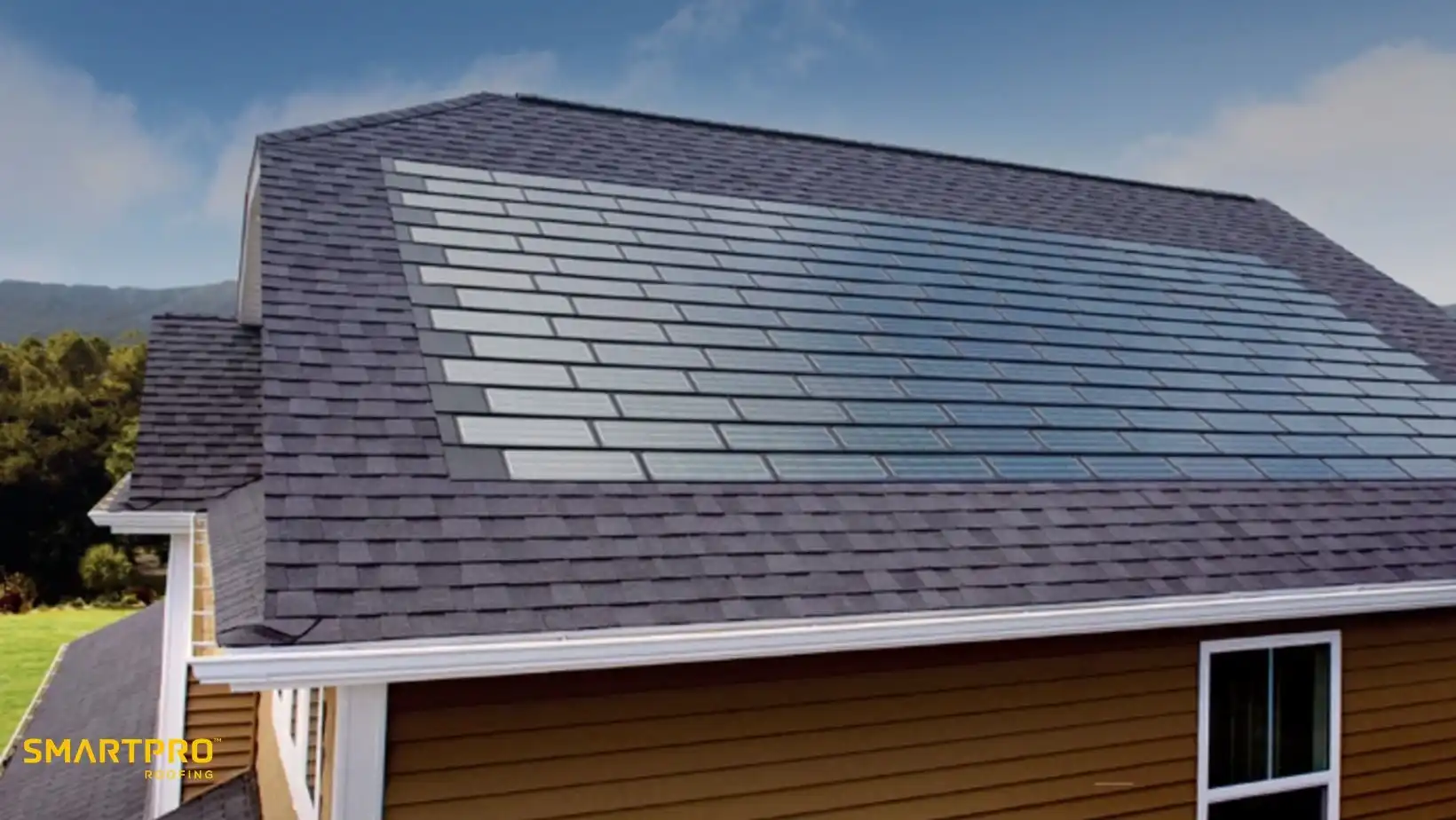
A solar shingle is a roofing product that integrates photovoltaic cells into a shingle format. Each solar shingle captures sunlight and converts it into electricity, just like a traditional solar panel. However, instead of being mounted above the roof, it becomes part of the roofing system itself.
Solar shingles are considered building integrated photovoltaic technology. That means they serve dual functions. They act as a weather-resistant roofing material while also producing clean energy.
These shingles connect together across the roof surface. The electricity generated flows through wiring beneath the roof and into an inverter system, which converts the energy into usable power for your home.
How Solar Shingles Compare to Traditional Solar Panels
When comparing solar shingle systems to traditional panels, the biggest difference is integration. A traditional solar panel system sits on top of asphalt shingles or metal roofing. A solar shingle replaces those materials entirely.
Solar panels typically achieve slightly higher efficiency because they are mounted with airflow beneath them, which helps regulate temperature. Solar shingles sit flush with the roof surface, which can slightly reduce efficiency.
However, solar shingles provide a cleaner aesthetic. Many homeowners prefer the seamless look, especially in neighborhoods with strict design guidelines. If you are already planning a roof replacement, solar shingles may eliminate the need for separate roofing materials and solar mounting systems.
Solar Roofing Technology
According to the U.S. Department of Energy, building integrated photovoltaics allow solar technology to serve as both a building material and an energy generator, reducing material redundancy and improving overall system efficiency.
Source: U.S. Department of Energy, Building Integrated Photovoltaics Overview
This confirms that solar shingles are part of a broader strategy to combine renewable energy production with structural design, increasing sustainability while maintaining building performance.
Benefits of Solar Shingle Systems
One of the main advantages of a solar shingle system is energy efficiency. By generating electricity directly from your roof, you reduce reliance on grid power and lower monthly energy bills.
Solar shingles also improve home aesthetics. Unlike bulky panel systems, they blend into the roof surface. This makes them attractive for homeowners who want clean energy without a noticeable solar array.
Another benefit is long-term value. A solar shingle roof increases property value while offering decades of renewable energy production. Since it functions as both a roof and a solar system, it can streamline future upgrades.
Cost of Solar Shingles Compared to Standard Roofing
Solar shingles typically cost more upfront than traditional asphalt shingles or metal roofing. The total cost depends on roof size, energy goals, and the number of solar shingles required.
While a traditional roof replacement might cost significantly less, solar shingles combine roofing and solar installation into one project. This can reduce some labor and material overlap.
To understand the full financial picture, homeowners can use SmartQuote to compare roof replacement options, including solar compatible roofing systems.
Installation Process for Solar Shingles
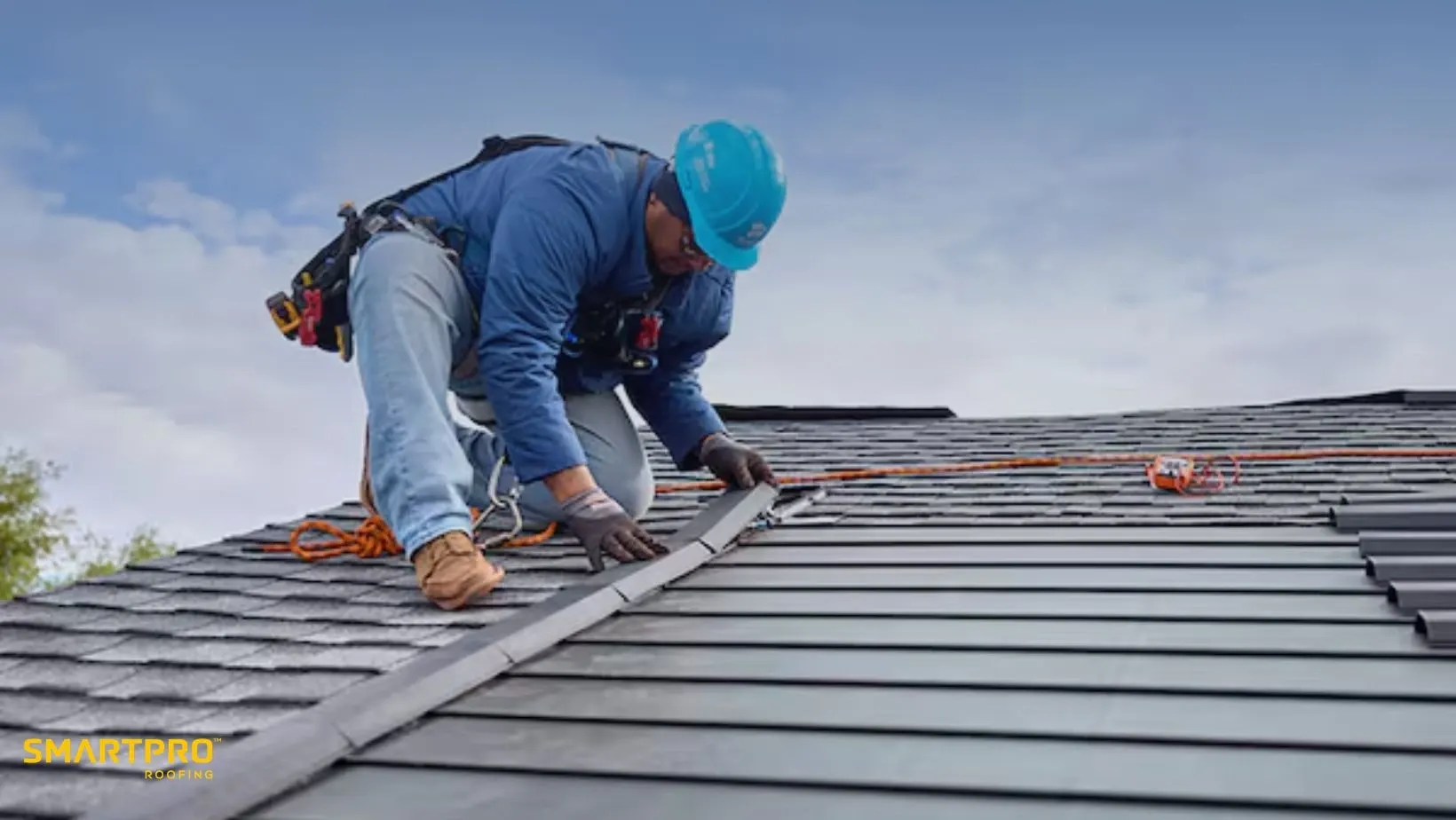
The installation process for solar shingles begins with a structural assessment of the existing roof. If the roof is aging or damaged, it is typically removed before installing the new solar shingle system.
Next, installers place underlayment and waterproof barriers. Solar shingles are then installed in sections, with wiring integrated beneath the roof surface. The system connects to an inverter and the home’s electrical panel.
Because solar shingles are part of the roofing structure, coordination between roofing professionals and electrical technicians is critical. Proper installation ensures long-term durability and energy performance.
Durability and Weather Resistance
A solar shingle must meet the same weather resistance standards as conventional roofing materials. High-quality systems are tested for wind, hail, and heavy rain.
Solar shingles are designed to withstand severe weather while maintaining energy production. Many systems include tempered glass surfaces that resist impact and UV degradation.
For homeowners in hurricane-prone areas, it is essential to verify wind ratings and structural compatibility before installation.
Energy Production and Efficiency
Solar shingle efficiency depends on sunlight exposure, roof orientation, and shading conditions. South-facing roof sections typically produce the most energy.
While solar panels may produce slightly higher output per square foot, solar shingles can still meet a significant portion of a home’s electricity needs. Over time, this reduces utility bills and increases energy independence.
Monitoring systems allow homeowners to track energy production and system performance in real time.
Maintenance Requirements
Solar shingles generally require minimal maintenance. Occasional cleaning to remove debris or dirt can help maintain performance.
Because they are integrated into the roof surface, there are no large mounting brackets or exposed hardware to inspect.
Annual roof inspections ensure that both roofing and photovoltaic components remain in good condition.
Are Solar Shingles Right for Your Home
Solar shingles are best suited for homeowners planning a full roof replacement or new construction. If your current roof is in good condition, adding traditional panels may be more cost effective.
Consider your energy goals, budget, and aesthetic preferences. Solar shingles provide a modern solution for homeowners who want clean energy without sacrificing design.
Financial Incentives and Long-Term Savings
Federal tax incentives may apply to solar shingle installations, reducing upfront cost. Local utility rebates may also be available depending on your region.
Over the long term, reduced electricity bills contribute to strong return on investment. Solar shingles can also increase resale value, making them an attractive feature for future buyers.
When combined with energy efficient home improvements, solar roofing supports sustainable living goals.
Solar Shingles and Smart Roof Planning
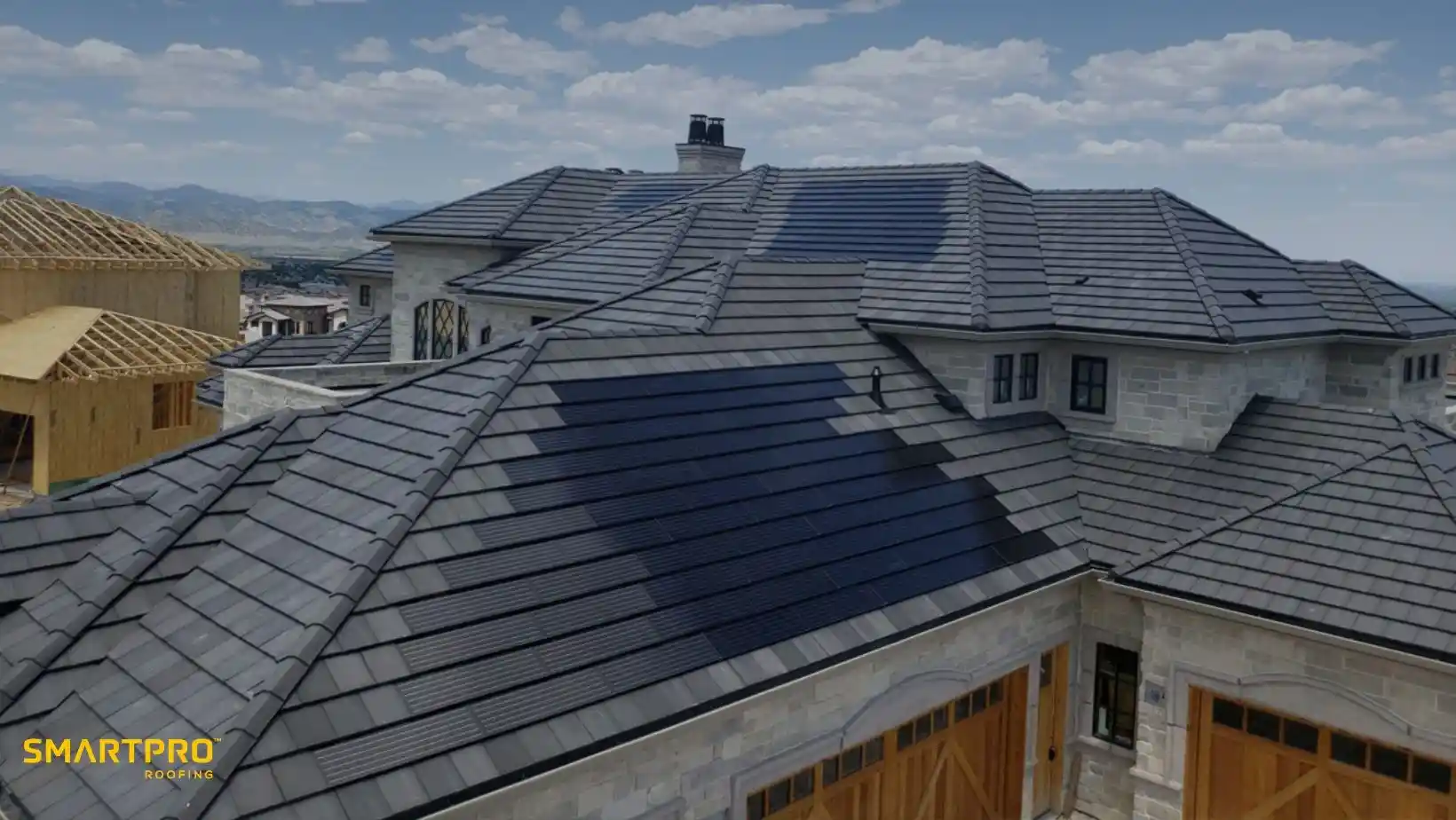
Planning a roof replacement is the ideal time to evaluate solar integration. Installing solar shingles during a new roof project reduces redundant labor and maximizes value.
SmartQuote simplifies roof planning by providing transparent pricing for roof replacement options. Homeowners can compare materials, costs, and system upgrades in minutes online.
Key Takeaways
- A solar shingle functions as both roofing material and electricity generator
- Solar shingles integrate directly into the roof surface for a seamless appearance
- They may be slightly less efficient than traditional panels but offer aesthetic advantages
- Installation is ideal during a roof replacement project
- Federal incentives may reduce upfront cost
- Solar shingles support energy independence and long-term savings
Get Started with Your Roof Today
Ready to see exactly what your roof replacement will cost and buy it entirely online without the sales pitch? Get your free SmartQuote today!
Related Reading: