




A typical roof replacement timeline runs between one to five days for most homes, depending on the size of your roof, roofing material, weather conditions, and complexity of the project. While a small asphalt shingle roof can often be replaced in a day or two, larger roofs, tile roofs, or projects with structural repairs may take longer. Understanding the steps, from inspection to installing the new roof, helps homeowners know what to expect and plan accordingly.
What Is the Average Timeline for a Roof Replacement?
The average timeline for a roof replacement is typically 1–3 days when working with a standard asphalt shingle roof. In some cases, the project timeline can extend to a full week or longer, especially when dealing with a larger roof, a complex roof design, or specialized roofing materials such as tile or metal.
- Asphalt shingle roof: Typically takes a day or two.
- Tile roofing: Can take up to a week because each tile must be carefully installed.
- Metal roofing: Usually takes 2–5 days, depending on the roof structure.
- Flat roof systems: Often completed within 2–3 days, but timelines can vary.
It’s important to note that roof replacement is a significant project that involves more than just installing shingles. The entire process includes removing the old roofing materials, inspecting the roof deck, and ensuring the roof structure is sound before installation of your new roof begins.
So while many roofing companies market a “quick turnaround,” the timeline can vary depending on your specific roof and factors like roof size, design, and weather conditions.
What Factors Affect the Timeline of a Roof Replacement Project?

The time it takes to complete a roof replacement project doesn’t just depend on the roofing crew’s speed. Multiple factors can affect the tim eline:
- Roof size and complexity – A larger roof or a complex roof with multiple valleys, skylights, or steep slopes will naturally take longer than a simple design.
- Type of roofing material – Asphalt shingles are quick to install, while tile roofing or metal roofing may take longer because of precision and weight considerations.
- Weather conditions – Rain, storms, or extreme heat can add a day to the process or delay the entire roof replacement.
- Roof deck condition – If the roof deck is inspected and found to be damaged, repairs will add time.
- Roofing crew size – A larger team can speed up the roof installation, while a smaller crew may take longer.
- Permits and inspections – Depending on your local building codes, your project’s timeline may include waiting for inspections before work can continue.
Homeowners often wonder, “How long it will take?” but the answer really depends on the project details. The typical roof replacement timeline is a good guide, but always expect a little flexibility.
How Long Does It Take to Replace a Roof by Material Type?
The type of roofing material you choose has a huge impact on the time it takes to replace a roof.
Asphalt Shingles
The most common roofing material in the U.S., asphalt shingles are relatively lightweight and easy to install. A standard asphalt shingle roof can usually be completed in a day or two, especially if you hire an experienced roofing contractor.
Tile Roofing
Tile roofing is beautiful but heavy, requiring more labor and structural considerations. Installing tiles can take 5–7 days or longer, especially if the roof requires reinforcement or repairs to the roof deck.
Metal Roofing
Metal roofing offers durability but may take 2–5 days depending on the complexity of the roof design and the roofing system being installed.
Flat Roof Systems
A flat roof may sound simple, but the installation often requires precise sealing and layering. These jobs usually take 2–3 days, but issues with old roofing materials or drainage can extend the process will take timeline.
When you’re deciding between roof repair or replacement, knowing the time it takes for each replacement process can help you plan better.
Does Roof Size and Design Affect How Long It Takes?
Absolutely. The size of your roof is one of the biggest factors in determining how long a roof replacement will take. A larger roof will naturally take longer than a small home roof. Similarly, the complexity of your roof, including features like dormers, skylights, or multiple slopes, can add extra days to the replacement project.
For example:
- A standard roof of 2,000 square feet with asphalt shingles may take only a day or two.
- A complex roof with steep pitches, valleys, or a custom roof design may take up to a week.
So, if you’re wondering how long it will take to replace your roof, the factors like roof size, shape, and design will likely be the biggest variables in your accurate timeline.
How Do Weather Conditions Impact the Roof Replacement Process?
Weather is one of the most unpredictable factors in the roof replacement timeline. Even the most efficient roofing companies can’t control weather conditions, and a sudden rainstorm can delay the replacement project.
- Rain or snow – Stops work completely until the roof dries, often adding a day to the process.
- Extreme heat – Can slow down the crew, meaning the project may take longer.
- High winds – Dangerous for workers and can damage old roofing materials during removal.
In Florida, where storms and high humidity are common, roof replacement can take anywhere from a few extra days to even longer if the weather doesn’t cooperate. That’s why it’s important to schedule with a roofing contractor who knows how to work around local climate challenges.
What Happens During Each Step of the Roof Replacement Process?
Many homeowners think a roof replacement project is just about putting on new shingles, but the entire process involves multiple steps. Understanding each step of the process can help you plan ahead and know exactly what to expect.
Step 1: Roof inspection and planning
Before the crew begins, a roof inspection is performed to check the current roof condition. The roof deck is inspected to ensure it’s strong enough to support a full roof replacement.
Step 2: Removing old roofing materials
This is one of the messiest but most important parts. The old roof is stripped down to the decking, and old roofing materials are hauled away.
Step 3: Preparing the roof deck
If damage is found, the roof deck may require repairs before the new roof installation can proceed.
Step 4: Installing underlayment
A protective moisture barrier is applied to prevent leaks.
Step 5: Installing the new roof
The chosen roofing material, whether asphalt shingles, tile, or metal, is carefully installed by the roofing crew.
Step 6: Cleanup and final inspection
Once installation is complete, the roofing contractor ensures the area is cleaned and the roof to ensure it meets code requirements.
The roof replacement process from start to finish typically runs smoothly, but additional repairs or unexpected problems with the roof structure may add to the project timeline.
How Long Does It Take to Remove the Old Roof?
The removal of your existing roof is a critical step that directly affects how long the replacement project will last.
- For a standard roof with asphalt shingles, removing the old roofing materials may take a day or less.
- If you have multiple layers of shingles or a larger roof, the process may take longer.
- A complex roof design with many valleys, chimneys, or skylights can also add time.
Homeowners sometimes underestimate how much work goes into stripping an entire roof. The crew working on your roof needs to carefully remove materials without damaging the roof deck. If issues like rot are discovered, the repair or replacement process of the decking may add extra time.
So, when planning your roof replacement timeline, keep in mind that removing the old roof isn’t always straightforward. This step alone may make the project take longer than expected.
Installing the New Roof: What to Expect
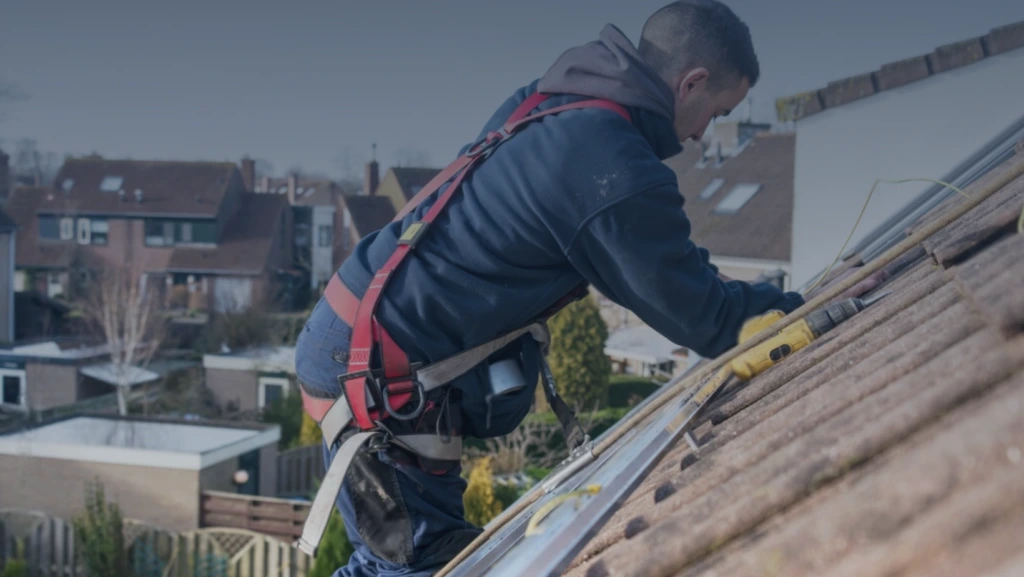
Once the old roof is removed and the roof deck is inspected, it’s time for installing the new roof. This is where the project really takes shape.
The installation of your new roof usually includes:
- Underlayment installation – This provides water resistance.
- Starter shingles or panels – The base layer for shingle or metal installation.
- Full roofing material installation – The main stage of the roof installation, whether asphalt shingles, tile, or metal.
- Flashing and ventilation – Essential to protect against leaks and regulate airflow in your home roof.
The time it takes depends largely on the type of roofing material. An asphalt shingle roof can be installed in a day or two, while tile roofing or metal roofing may take several days.
One thing to note: a skilled roofing crew can dramatically improve efficiency. A larger team with the right roofing tools will usually complete a roof faster, giving you a new roof installation with minimal disruption.
Residential Roof Replacement vs. Commercial Roofing Projects: Is There a Difference in Timeline?
Yes, residential roof replacement and commercial roofing projects can differ significantly in timeline.
- Residential roof replacement like a typical asphalt shingle home roof, often takes a day or two. The smaller roof size and simpler designs allow for faster completion.
- Commercial roofing projects, however, usually involve flat roofs or large-scale roofing systems. These jobs may require specialized materials, multiple layers, and more extensive safety precautions. As a result, the project may take longer, sometimes extending over several weeks.
The entire roof replacement for commercial buildings also involves additional steps, such as installing insulation layers or reinforced membranes.
So, while homeowners can usually expect a quick turnaround, businesses planning a full roof replacement should prepare for a more extended project’s timeline.
How to Plan Your Roof Replacement Timeline Effectively
If you’re scheduling a roof replacement, planning ahead makes all the difference. Here are key tips to make sure your replacement project goes smoothly:
- Schedule during good weather – Avoid rainy or stormy seasons, since weather conditions can delay the job.
- Get a detailed estimate – Ask your roofing contractor for an accurate timeline that considers your specific roof and type of roofing material.
- Plan for flexibility – Even with a typical roof replacement timeline, expect surprises like hidden deck damage or sudden storms.
- Clear the work area – Move vehicles, outdoor furniture, and fragile items away so the roofing crew can work efficiently.
- Communicate with your contractor – Stay updated on progress and potential delays.
When you understand the timeline for a roof replacement, you can better manage expectations and avoid stress. After all, roof replacement helps ensure your roof lasts longer and protects your home for years to come.
Florida’s Trusted Roofing Experts
If you’re planning a roof repair or replacement in Florida, understanding the roof replacement timeline is key to avoiding surprises and planning with confidence. At SmartPRO Roofing, we combine premium materials, precision installation, and years of experience to deliver roofing projects on schedule, so you always know what to expect.
Our team works with every major roofing type, from asphalt shingles to metal and tile systems, and we keep you informed at every stage of the process. Whether it’s a straightforward replacement or a complex project, we make sure your roof is built to last and ready for Florida’s demanding climate.
With our SmartQoute Tool, you’ll get your exact pricing in under an hour using advanced satellite imagery, making it easy to start your project with clarity.
Ready to plan your new roof with confidence? Get your exact Roof Qoute now with SmartQoute.
FAQs
- How long does roof replacement usually take from start to finish?
A typical roof replacement takes 1–3 days, but larger or more complex projects can stretch up to a week or more. - Can roof replacement be done in one day?
Yes, many asphalt shingle roof installations can be completed in a day or two if the roof size is standard and no major repairs are needed. - What can make a roof replacement take longer than expected?
Factors like bad weather conditions, hidden damage in the roof deck, or using a heavier roofing material can make the project take longer. - Should I stay home during the roof replacement process?
It’s safe to stay home, but expect noise and vibrations. Many homeowners choose to leave during the noisiest parts of the roofing project. - What’s the difference between roof repair and full replacement in terms of time?
A roof repair usually takes just a few hours, while a full roof replacement is a much bigger replacement process that can take several days.