


PVC roofing is a high-performance solution that offers exceptional flexibility, durability, and weather resistance, making it an ideal choice for Florida homes, particularly those with flat or low-slope roofs. Its ability to withstand the region’s harsh climate including intense sun, high humidity, and hurricane-force winds makes it a popular and reliable option.
Common Questions About Roofing in Florida
What is the best roofing system for Florida?
The best roofing system for Florida is one that can handle extreme heat, heavy rain, humidity, and strong winds. Materials that resist moisture, reflect sunlight, and perform well on flat or low-slope roofs tend to perform best.
What is the best roof for hurricanes in Florida?
Roofs designed with continuous membranes, strong attachment methods, and high wind uplift resistance perform best during hurricanes. Systems commonly used on low-slope roofs are often preferred for wind resistance.
What type of roof lasts the longest in Florida?
Roof longevity in Florida depends on material, installation quality, and maintenance. Roofing systems designed for commercial-grade performance often last longer due to superior membranes and resistance to moisture and UV exposure.
Is PVC roofing durable?
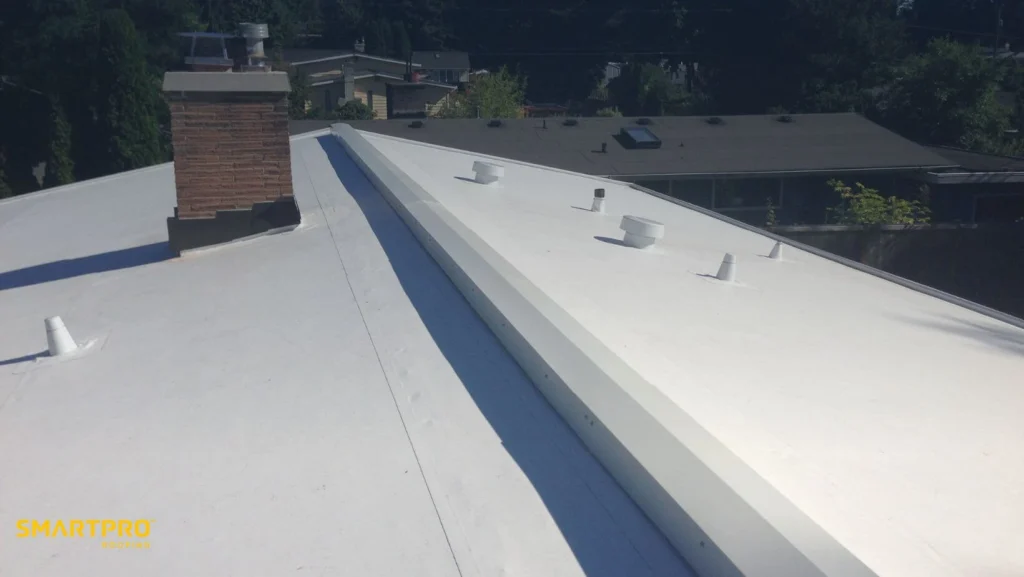
Yes. PVC roofing is known for its durability, flexibility, and resistance to weather, chemicals, and moisture, making it well suited for Florida conditions.
Florida homeowners face unique roofing challenges. Intense sunlight, high humidity, heavy rainfall, and hurricane seasons all place constant stress on any roof. Choosing the right roofing system is not just about appearance but about long-term performance, protection, and cost efficiency. PVC roofing has become an increasingly popular choice for Florida homes, especially those with flat or low-slope designs.
PVC roofing systems are widely used in commercial construction and are now gaining traction in residential applications. Their flexibility, weather resistance, and proven performance in extreme climates make them a strong contender for homeowners seeking reliability and peace of mind. This article explores how PVC roofing works, why it performs so well in Florida, and what homeowners should know before choosing it for their roof replacement.
Expert Insight on PVC Roofing Performance
According to the U.S. Department of Energy, single-ply roofing membranes such as PVC offer excellent durability and reflectivity, helping reduce heat absorption and improve building performance in hot climates.
The National Institute of Building Sciences also notes that PVC roofing membranes provide strong resistance to wind uplift, moisture intrusion, and long-term weather exposure, making them suitable for hurricane-prone regions.
What Is PVC Roofing and How Does It Work
PVC roofing stands for polyvinyl chloride roofing. It is a single-ply membrane roofing system commonly installed on flat or low-slope roofs. The membrane is manufactured in large sheets and heat-welded at the seams to create a continuous, watertight surface.
Unlike traditional roofing materials, PVC roofing relies on flexibility and chemical composition to provide protection. The membrane remains pliable over time, allowing it to expand and contract with temperature changes. This flexibility helps prevent cracking, splitting, and seam failure, which are common issues in Florida’s fluctuating climate.
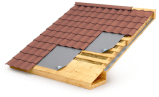
PVC roofing is installed over insulation and a roof deck, creating a layered system designed to manage water, heat, and wind forces. The welded seams are one of its strongest features, forming bonds that are often stronger than the membrane itself.
Why PVC Roofing Performs Well in Florida Weather
Florida’s climate is one of the most demanding in the country. High UV exposure, daily heat cycles, and frequent storms test every roof. PVC roofing is engineered to handle these conditions more effectively than many traditional materials.
The reflective surface of PVC roofing helps reduce heat absorption, keeping roof surfaces cooler during peak summer months. This reduces stress on the roof system and can contribute to lower indoor temperatures. In a state where air conditioning runs most of the year, this performance is especially valuable.
PVC membranes also resist moisture absorption. Heavy rain and humidity do not penetrate the material, which helps prevent mold, rot, and structural damage. For Florida homes exposed to sudden downpours and prolonged wet seasons, this resistance is critical.
Flexibility and Movement Resistance
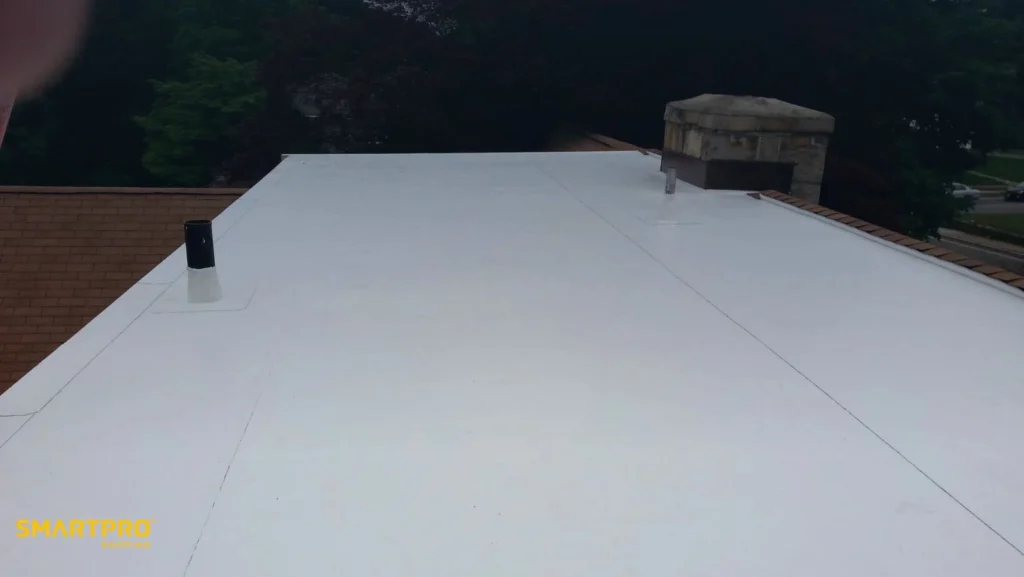
One of the defining characteristics of PVC roofing is its flexibility. Florida homes experience constant expansion and contraction due to daily temperature swings. Roofing materials that lack flexibility can crack or pull apart at seams over time.
PVC roofing remains flexible even as it ages. This allows the membrane to move with the structure instead of resisting it. The result is fewer stress points and a lower risk of leaks developing over time.
This flexibility also benefits homes located near the coast or in areas prone to strong winds. The membrane can absorb movement without tearing, helping maintain its integrity during storms.
Wind Resistance and Hurricane Performance
Wind uplift is one of the biggest threats to roofs in Florida. During hurricanes and tropical storms, wind pressure can pull roofing materials away from the structure. PVC roofing systems are designed with strong attachment methods that help resist these forces.
Depending on the installation method, PVC roofing can be mechanically fastened, adhered, or ballasted. These systems are tested for wind uplift resistance and are commonly used in hurricane-prone regions.
The heat-welded seams of PVC roofing provide an added layer of protection. Unlike adhesive seams that can weaken over time, welded seams create a continuous membrane that resists wind penetration and uplift forces.
Water Resistance and Leak Prevention
Water intrusion is another major concern for Florida homeowners. Standing water, heavy rainfall, and wind-driven rain can quickly expose weaknesses in a roof system. PVC roofing is specifically designed to handle these conditions.
The smooth membrane surface allows water to drain efficiently toward roof drains or scuppers. Because the seams are welded, there are fewer vulnerable points where water can penetrate. This makes PVC roofing especially effective on flat and low-slope roofs where water may pond temporarily.
The chemical composition of PVC also resists damage from algae, mold, and other organic growth common in humid environments. This helps maintain both performance and appearance over time.
Longevity and Durability of PVC Roofing
PVC roofing systems are known for their long service life. With proper installation and routine inspections, many PVC roofs last 20 to 30 years or more. This durability makes them a strong long-term investment for Florida homeowners.
The membrane resists UV degradation, chemical exposure, and physical wear. Unlike some roofing materials that become brittle over time, PVC maintains its flexibility and strength.
Because PVC roofing is often used in commercial settings where performance standards are high, residential homeowners benefit from a system that has already proven itself under demanding conditions.
Energy Efficiency and Indoor Comfort
Energy efficiency is an important consideration in Florida, where cooling costs can be significant. PVC roofing membranes are typically white or light-colored, which helps reflect solar radiation.
By reflecting heat instead of absorbing it, PVC roofing can help reduce rooftop temperatures and limit heat transfer into the home. This can ease the workload on air conditioning systems and improve indoor comfort.
Homeowners using SmartQuote can compare PVC roofing options with other materials to see how energy-efficient choices impact overall roof pricing and long-term value. SmartQuote provides clear, online pricing that helps homeowners make informed decisions without guesswork.
Ideal Roof Types for PVC Roofing
PVC roofing is best suited for flat and low-slope roofs. Many Florida homes, especially modern designs, coastal properties, and additions, feature these roof types.
While PVC is less commonly used on steep-slope residential roofs, it excels where traditional shingles may struggle. Flat roofs require materials that manage water effectively, and PVC roofing is specifically designed for that purpose.
Homeowners considering a roof replacement for a flat or low-slope roof often find that PVC roofing offers superior performance compared to modified bitumen or built-up roofing systems.
Maintenance and Inspection Requirements
Like all roofing systems, PVC roofing benefits from regular maintenance. However, it generally requires less upkeep than many traditional materials. Routine inspections help identify debris buildup, drainage issues, or minor damage before they become larger problems.
Cleaning the membrane surface and ensuring drains remain clear helps maintain proper water flow. Because PVC resists biological growth, maintenance is often simpler in humid climates.
When repairs are needed, PVC membranes can be patched and re-welded, restoring the integrity of the roof without requiring full replacement.
Installation Considerations for Homeowners
Proper installation is essential for PVC roofing performance. The system relies on correct seam welding, secure attachment, and appropriate insulation placement. Poor installation can compromise even the best materials.
Homeowners should ensure their roof replacement is planned carefully and that the roof design, drainage, and attachment method are appropriate for Florida conditions.
Using SmartQuote allows homeowners to see exact pricing for PVC roofing systems and compare installation options online. This transparency helps simplify planning and removes uncertainty from the roof replacement process.
Cost Considerations and Long-Term Value
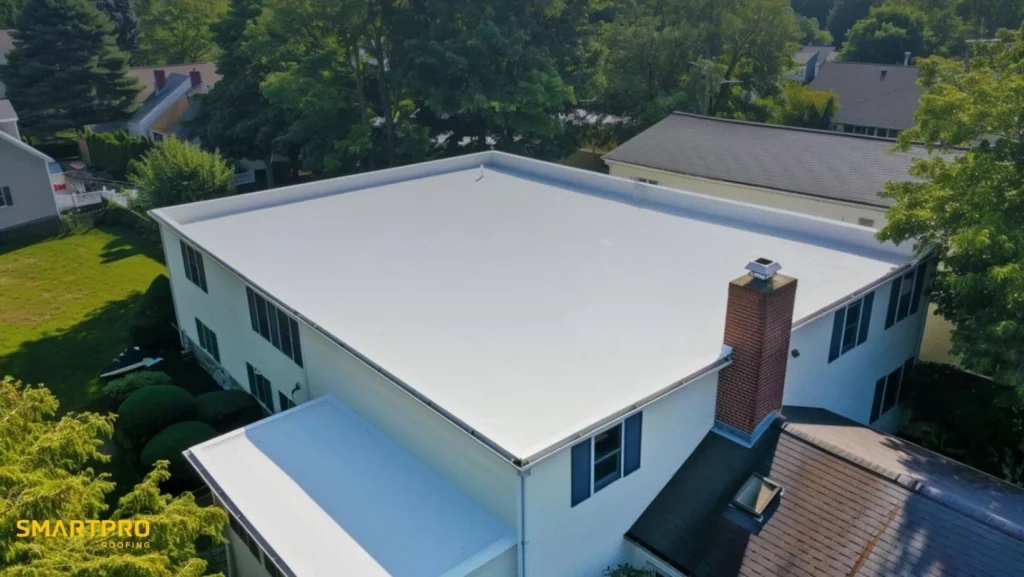
PVC roofing typically has a higher upfront cost than basic asphalt shingles, but it often delivers greater long-term value. Its durability, energy efficiency, and reduced maintenance needs can offset initial expenses over time.
For Florida homeowners who plan to stay in their home long term, PVC roofing can be a cost-effective investment that reduces future repair and replacement needs.
SmartQuote helps homeowners understand the true cost of PVC roofing by providing exact, online pricing tailored to their roof. This makes it easier to evaluate long-term value without relying on estimates or in-person sales visits.
Compare PVC roofing costs instantly using SmartQuote!
Is PVC Roofing Right for Your Florida Home
PVC roofing is not the right solution for every home, but it is an excellent option for many Florida properties. Homes with flat or low-slope roofs, exposure to intense sun, or vulnerability to storms often benefit the most.
Homeowners seeking durability, water resistance, and proven performance in extreme weather should strongly consider PVC roofing. Its commercial-grade design brings added reliability to residential applications.
Evaluating roof design, climate exposure, and long-term goals will help determine if PVC roofing is the right fit.
Final Thoughts on PVC Roofing in Florida
Florida homeowners need roofing systems that can stand up to demanding conditions year after year. PVC roofing offers flexibility, durability, and weather resistance that align well with the state’s climate challenges.
From wind resistance to moisture protection and energy efficiency, PVC roofing delivers performance that goes beyond traditional materials. With proper installation and maintenance, it can provide decades of reliable protection.
For homeowners planning a roof replacement, PVC roofing is worth serious consideration as a long-term solution.
Call to Action
Ready to see exactly what your new PVC roofing system will cost and buy it entirely online without the sales pitch? Get your free SmartQuote today in just minutes through SmartPRO Roofing’s online platform.
Related Reading: