


Clay tiles are more durable, have a longer lifespan (100+ years), and higher energy efficiency, but are more expensive and heavy. Concrete tiles are less expensive, more impact-resistant, and offer more style flexibility, but have a shorter lifespan (30-50 years), higher water absorption, and are significantly heavier. The best choice depends on your budget, desired aesthetic, and your home’s structural capacity.
Is a clay tile roof better than a concrete tile roof?
Yes, in many cases a clay tile roof offers superior longevity and durability compared to a concrete tile roof. Clay tiles tend to have lower water absorption, better resistance to corrosion or salt air, and can last well beyond 100 years when installed and maintained properly. A concrete tile roof still provides strong performance, but generally for a shorter lifespan.
What is the difference between clay and concrete?

Clay tiles are made by moulding natural clay and firing it in a kiln, which gives them their natural colour, durability and low porosity. Concrete tiles are made from a mix of cement, sand and water, formed and cured, and often surface-coloured or coated for style. The materials differ in weight, absorption, aesthetic variation and longevity.
Which type of tile is best for a roof?
The best type depends on your home’s structure, budget, climate and style preference. If you want the highest longevity, minimal maintenance and your roof structure can support the weight, a clay tile roof may be best. If you want lower initial cost, more style flexibility and good durability with less structural reinforcement, a concrete tile roof may be a better fit.
What are the advantages of clay roof tiles?
Clay roof tiles offer exceptional longevity, highly fade-resistant natural colour, excellent resistance to salt air and coastal conditions, and high thermal mass for better energy efficiency. They are less likely to absorb water or suffer from spalling. They do tend to cost more upfront and impose heavier structural demands.
“Clay and concrete tile roofing has been tested in accordance with the 2024 – Florida Building Code… with wind speeds up to 200 MPH. The formal USC research validated that concrete and clay roofing tiles when installed to our code evaluated installation guides could exceed the design forces required for the building structure by 2 to 3 times.”
— Tile Roofing Industry Alliance (TRI Alliance)
Introduction
For Florida homeowners, selecting roofing materials means balancing style, durability, performance and return on investment (ROI). Two popular premium roof material choices are clay roof tiles and concrete roof tiles. Both provide aesthetic appeal and weather resilience, but when you dig deeper into the numbers, especially for a hot, humid, hurricane-prone environment like Florida, the differences between a clay vs concrete tile roof become very meaningful.
Understanding the lifetime cost, maintenance demands, energy performance and structural implications of each roof material will help you choose the roof replacement cost that makes sense for your home. This article compares clay tile vs concrete tile roof options in detail, outlines what makes each unique, and provides guidance on which may deliver the highest ROI in Florida homes.
1. What Drives Lifetime Cost for Tile Roofs
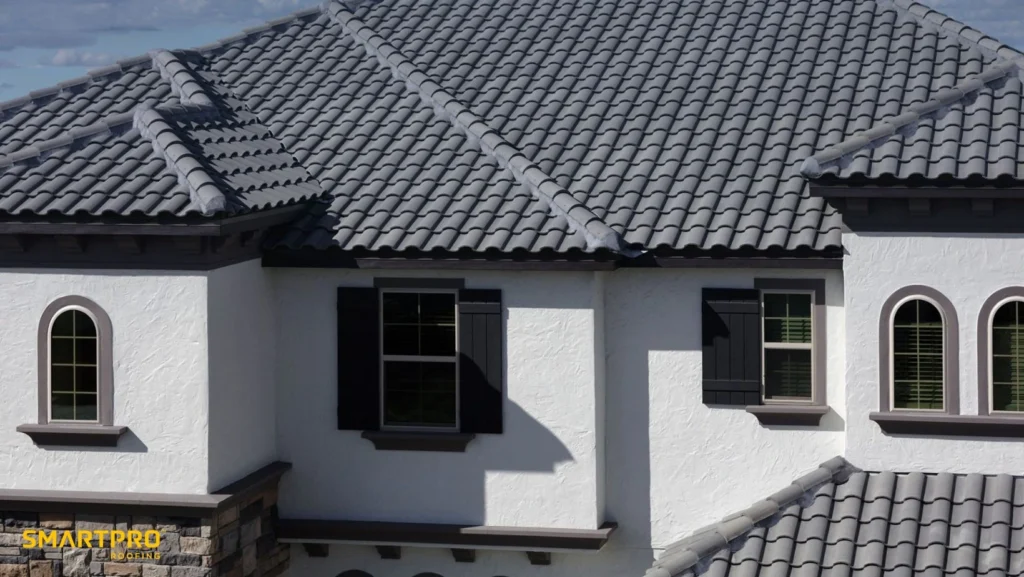
When evaluating metal roof cost, or in this case tile roof cost, the lifetime value is critically influenced by upfront cost, structural requirements, maintenance and longevity. Clay tiles typically cost more than concrete tiles. The heavier weight of both sets of tiles may mean your roof structure must be evaluated or reinforced, especially if the home was originally designed for an asphalt shingle roof. Installation labour for specialty materials also drives cost higher. A clay vs concrete tile roof decision must weigh the higher initial investment against the potential for fewer roof replacements, lower maintenance and stronger resale value.
Once installed, the roof lifespan is important. Clay tiles often deliver 75-100+ years of life; many concrete tile roofs deliver 30-50 years depending on quality and conditions. That means if you choose concrete tiles you may face a roof replacement (or major repair) in 30-50 years whereas clay tiles may outlast multiple generations. That makes the “cost per year of service” far better for clay in many cases.
Other cost drivers include the local climate (salt air, heat, humidity), maintenance needs (cleaning, tile replacement, underlayment repair), and energy performance (cooling load reduction). When you factor in all these, the roof replacement cost of clay vs concrete tiles becomes clearer.
2. Clay Tile Lifespan and Performance in Florida
Clay tiles are known for their longevity and resilience. In Florida’s climate, clay tiles bring distinct advantages: they have low water absorption, are impervious to salt spray, handle intense UV exposure and often carry Class A fire ratings. The natural colouring in clay tiles resists fading, and when installed well with proper underlayment, drainage and ventilation, they can deliver more than 100 years of roof life.
Because Florida sees high heat, humidity and hurricanes, the weight and structural demands of a clay tile roof must not be overlooked. Some older homes may require structural reinforcement to support the heavy load (often 600-900 lbs per square for clay). That upfront cost must be weighed. But once in place, a clay tile roof often means minimal roof repair over decades and strong resale value.
Energy performance is also strong: clay tiles have high thermal mass and reflectivity (depending on surface finish) which can reduce cooling costs in hot climates. For Florida homeowners looking for a “forever roof” and planning to stay in their home for decades, clay represents a premium option.
3. Concrete Tile Roofs: Benefits and Considerations
Concrete tiles offer many of the aesthetic and durability benefits of clay at a lower initial cost. They typically cost less per square, are more easily available in variety of styles and colours, and may be slightly more impact-resistant (useful in hail-prone zones). For Florida homes, concrete tiles are a very popular “tile look” option that balances cost and performance.
However, concrete tiles tend to have higher water absorption rates, potential for efflorescence or spalling over time, and typically a shorter lifespan (often 30-50 years or more with good care). They are also heavier than clay in many cases, some concrete tile roofs weigh 900-1100 lbs per square versus 600-900 for clay, which can again require structural reinforcement. Maintenance may include cleaning, resealing, and occasional tile replacement which affect long-term ROI.
For homeowners who prefer a tile look but don’t want to commit to the higher upfront cost of clay, concrete tiles are a realistic and durable option, provided you factor in the shorter expected roof life and possibly higher maintenance.
4. Structural and Weight Implications for Florida Homes
One of the most critical differences between clay vs concrete tile roof options in Florida homes is structural capacity. Many homes in Florida were originally constructed with asphalt shingle roofs in mind (which weigh around 250 lbs per square). Clay and concrete tiles can be two or more times heavier. Before selecting either tile roof, a structural engineer should evaluate your roof deck, framing, trusses and load capacity.
A clay tile roof might weigh 600-900 lbs per square and concrete 900-1100 lbs or more. If the structure cannot support the load, reinforcement may add thousands of dollars to your roof replacement cost. The structural upgrade cost lowers ROI. So while clay tiles deliver long service life, the upfront structural cost may tilt the decision toward concrete or even alternative roofing materials.
Wind and hurricane resistance is also important. Both clay and concrete tiles available in Florida are rated for high wind loads, but proper installation, anchoring, underlayment and flashing are critical. In hurricane-prone Florida, both options can perform well if properly installed, but the added weight of tile roofs means structural stress is even more important.
5. Energy Efficiency and Cool Roof Benefits
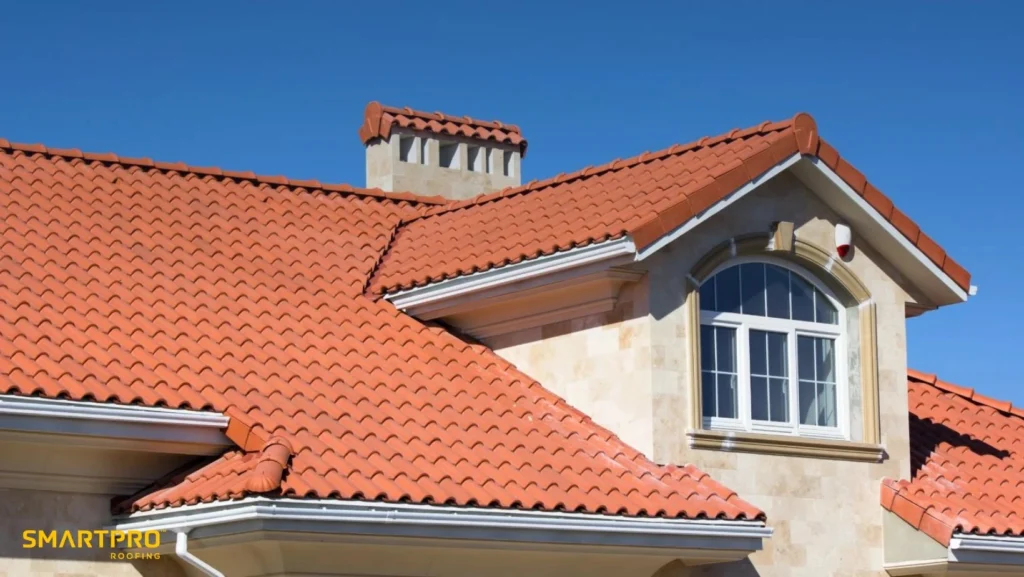
The energy performance of your roof matters significantly in Florida’s hot climates. A tile roof that reduces cooling loads improves both comfort and lifetime value. Clay tiles, with high thermal mass and low absorption, often deliver better performance in hot weather. Concrete tiles also perform well but may lag behind clay in insulation and absorption metrics.
When you compare clay vs concrete tile roof performance, clay often allows your air-conditioning system to run fewer hours, reducing energy consumption and lowering bills. Over many years that energy savings adds to ROI. Concrete tiles, while good, may require additional insulation or reflectivity enhancements to match the performance of clay in Florida’s sun.
Many homeowners who use the SmartQuote tool compare the installed cost, expected energy savings, and roof lifespan side by side. By evaluating roof material, installation cost, energy savings and expected service life, they identify which tile type offers the best return for their home.
6. Maintenance, Repairs and Life Cycle Cost
For both clay and concrete tile roofs, maintenance, repair and eventual replacement costs are part of the full picture. Clay tiles are brittle and can crack if walked on or hit by heavy debris, but because of their longevity they generally require fewer replacements or complete re-roofs. Concrete tiles may need periodic resealing, cleaning (for moss or algae), and may display visible wear sooner because of colour fade or water absorption.
Repair cost matters: replacing a few broken tiles is typically lower cost than a full roof replacement, but each material has unique risks. For example, concrete tiles with higher absorption may lead to underlying underlayment wear or leakage over time in Florida’s humidity. Clay tiles, while durable, still need good underlayment, flashing and structural support to truly reach long life.
The life cycle cost for a roof includes the cost of installation, maintenance and eventual replacement. If a clay tile roof lasts 100+ years with minimal major repairs, its cost per year of service may be lower than a concrete tile roof which may need replacement in 30-50 years. That makes ROI strong for clay, especially for long-term homeowners.
7. Aesthetics, Style and Home Value Impact
Beyond longevity and structure, the choice between clay vs concrete tile roof is influenced by aesthetics and resale value. Clay roof tiles carry a premium look, often associated with Mediterranean, Spanish and luxury homes. Their natural fired colours, texture variation and timeless appeal often increase curb appeal and home value.
Concrete tiles, while versatile in style and colour options, may not carry the same premium perception. They offer wider flexibility and allow many architectural looks, but due to shorter lifespan and potential maintenance costs, resale value may lag slightly compared to clay.
For Florida homes in upscale neighbourhoods or with architectural styles matching clay tile aesthetics, the “best choice” may tilt to clay. For more mainstream or cost-conscious markets, concrete tile may deliver strong ROI with less upfront cost.
8. Cost Comparison: Clay vs Concrete Tile Roofs
Here’s a breakdown of typical cost differences:
- Upfront cost: Clay tile roofs cost significantly more than concrete, sometimes 20-40% higher due to manufacturing, weight, structural reinforcement and installation complexity.
- Roof replacement cost: A concrete tile roof may cost less to replace now, but if you expect to replace again in 30-50 years, the long-term cost may be higher.
- Roof material and installation: Clay requires precise installation, careful handling, potential structural upgrades. Concrete is still heavy and complex but typically less premium cost.
- Return on investment: If you stay in your home 30-50 years, concrete may suffice. If you plan decades or generations, clay may pay off better.
- Maintenance and repair: Clay tends to demand less frequent major repairs; concrete may require more upkeep and may degrade sooner in Florida’s climate.
Using SmartQuote, homeowners can plug in their roof size, tile type (clay or concrete), structural factors, and compare estimated lifetime cost, energy savings and maintenance. This online tool helps clarify which tile type is likely the better investment for a particular Florida home.
9. Choosing the Right Tile Roof for Your Florida Home
When deciding between clay vs concrete tile roof for a Florida home, consider these questions:
- How long do you plan to stay in your home? If decades or you intend to pass it on, clay may make more sense.
- What can your structure support? Do you need reinforcement for tile weight?
- What is your budget for installation and structural costs upfront?
- How much value do you place on aesthetic premium, energy savings and minimal maintenance?
- How important is long-term resale value and minimal chance of replacement?
- How does your climate zone, salt air exposure, humidity and storm frequency impact tile performance?
A clear comparison via SmartQuote helps you input variables like material type, roof size, expected lifespan, maintenance and energy impacts, and see which tile roof type gives better ROI for your specific home.
10. Final Thoughts: Getting Maximum ROI from Your Tile Roof
The choice between clay tile vs concrete tile roof for a Florida home is not simply a matter of cost today. It is about the roof replacement cost over decades, structural integrity, lifetime service years, energy savings, aesthetics and resale value. Clay tiles often lead the pack in longevity and performance but come at higher initial cost and structural burden. Concrete tiles offer a very viable, durable alternative with less upfront cost but potentially shorter lifespan and higher maintenance.
To maximize ROI, ensure quality installation, proper structural support, high-grade underlayment, good ventilation, and appropriate finishing. Using tools like SmartQuote to compare lifetime cost, energy effects and maintenance helps make a truly informed decision.
Key Things to Remember
- Clay tiles often last 100+ years with minimal major repair; concrete tiles often deliver 30-50 years in many cases.
- The weight of tile roofs is significant, structural assessment is critical before choosing either tile type.
- Upfront cost for clay is higher, but cost per year of service may be lower than concrete for long-term homeowners.
- Maintenance, water absorption, colour fading and climate exposure affect concrete tiles more than clay in Florida conditions.
- Aesthetics and home value impact tilt toward clay in premium homes; concrete delivers strong value in more budget-conscious markets.
- Use a cost-comparison tool like SmartQuote to evaluate installation cost, longevity, maintenance and energy savings for your home.
Get Your SmartQuote Today
Ready to see exactly what your tile roof replacement will cost, and compare clay vs concrete tiles online without the sales pitch? Get your free SmartQuote today in just minutes at SmartQuote.
Related Reading: