
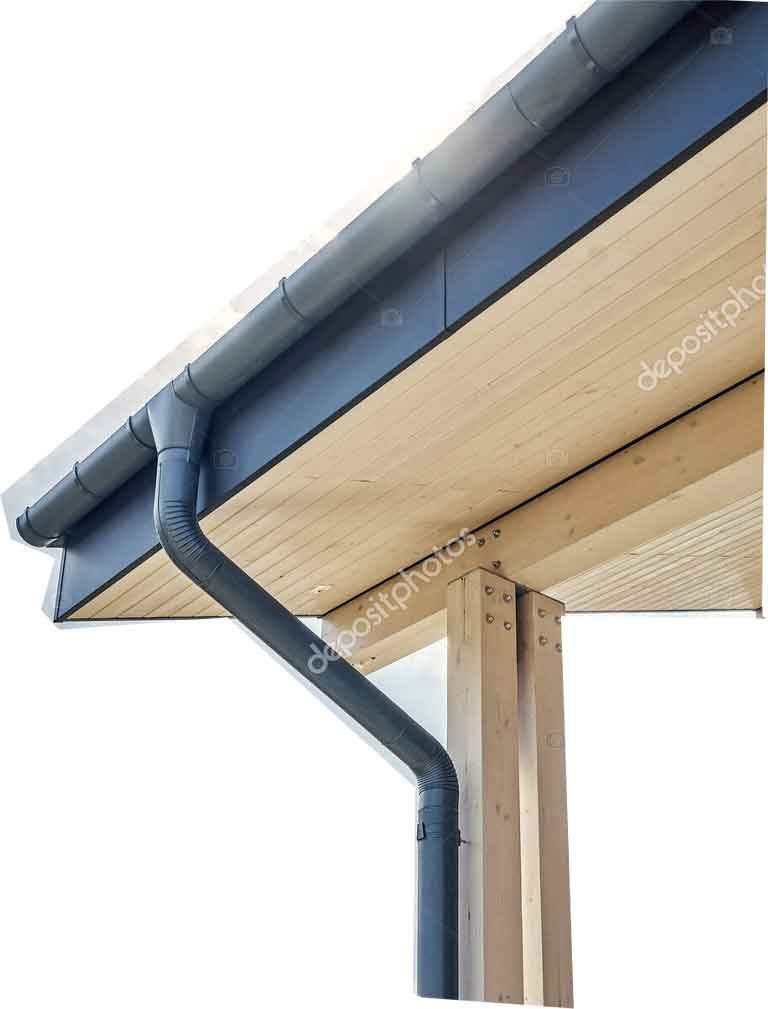
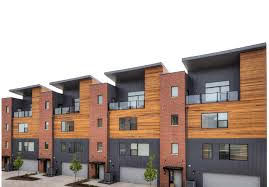



Composite roofing products are among the most eco-friendly roofing options available. Made from recycled plastics, rubber, and polymers, they last 30 to 50 plus years, require minimal maintenance, and can be fully recycled at the end of their life. Compared to traditional asphalt or concrete materials, composite roofs lower landfill waste, reduce the need for frequent replacement, and offer energy efficiency benefits that help reduce your home’s carbon footprint.
Are composite materials eco-friendly?
Yes. Composite roofing products are typically made from recycled plastics and rubber, which means less waste goes into landfills. Their long lifespan also means fewer replacement cycles, reducing the overall demand for new materials and the environmental cost of manufacturing. Because composite materials are durable, they help conserve resources over time.
What is the most eco-friendly roofing material?
Some of the most eco-friendly roofing materials include metal, clay, and composite roofing products. Among these, composite roofing often ranks high because it uses recycled content and can be recyclable at the end of its life. The specific sustainability of a roof also depends on the local climate, installation quality, and energy performance.
How eco-friendly is composite decking?
Composite decking is similar to composite roofing in that it uses recycled plastics and wood fibers to create a product that is durable and low maintenance. This reduces the need for new lumber and helps keep plastics out of landfills. While decking and roofing are different products, their composite nature offers parallel environmental benefits.
Are green roofs a feature of eco-friendly construction practices?
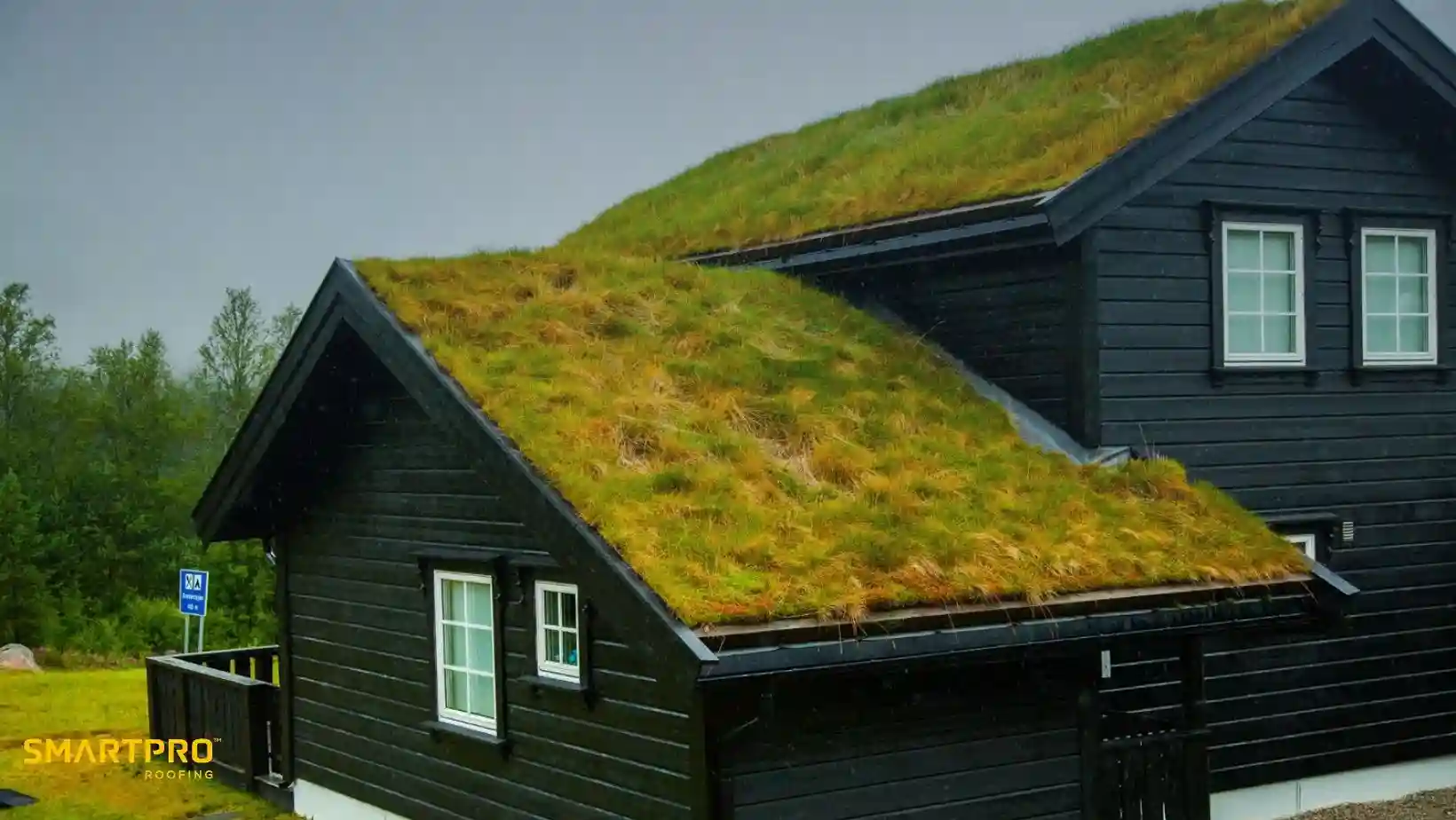
Yes. Green roofs, which involve vegetation and soil systems on top of buildings, are featured in eco-friendly construction because they improve stormwater management, provide insulation, reduce urban heat, and increase green space. They are often used in sustainable building design alongside other eco-friendly roof options.
According to the United States Environmental Protection Agency (EPA), sustainable roofing systems can reduce energy use, minimize waste to landfills, and support greener building practices. In its guidance on sustainable building, the EPA notes the environmental advantages of using recycled and long-lasting materials to improve durability and reduce disposal impacts.
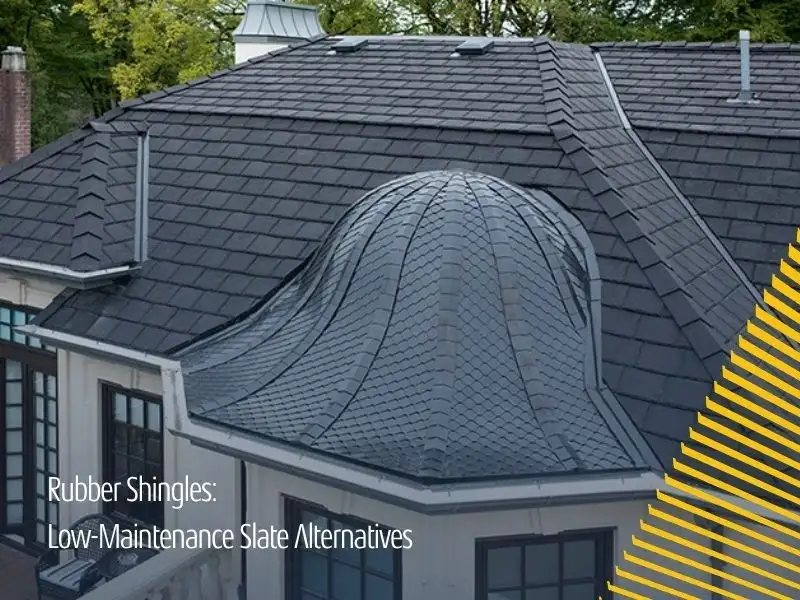
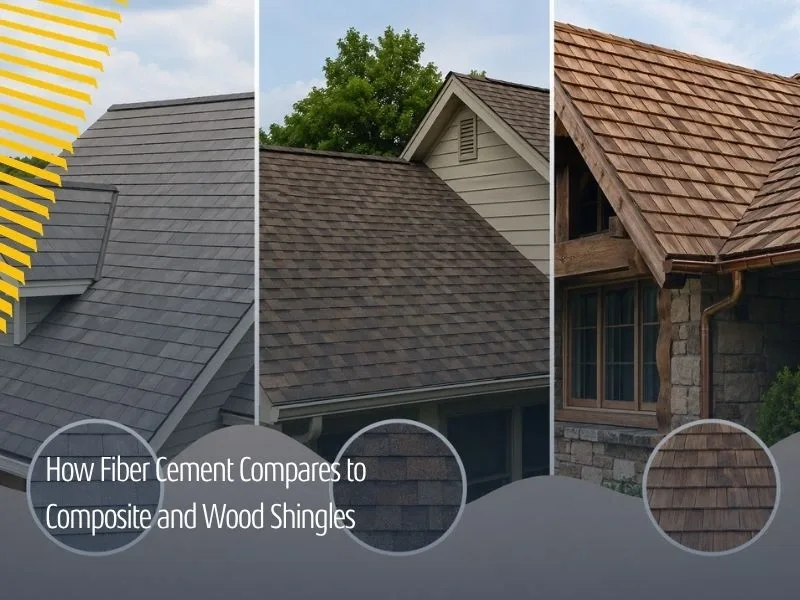
Composite roofing products have become a popular choice for homeowners who care about both durability and environmental impact. Unlike traditional roofing materials, composite products are manufactured using engineered blends of recycled plastics, polymers, and rubber. These products mimic the appearance of wood shake, slate, or tile while offering performance that often exceeds that of conventional materials.
Today’s homeowners are not only concerned with how a roof looks but also with how sustainable it is. With concerns about climate change, landfill waste, and energy efficiency rising, many people are asking if composite roofing products truly live up to their eco-friendly reputation. This article explores what composite roofing is, how it is made, its environmental impact, and why it may be a smart choice for sustainable homeowners.
What Are Composite Roofing Products?
Composite roofing products are engineered roofing materials made from a blend of recycled and virgin components such as plastics, rubber, and polymers. The manufacturing process binds these elements into a strong, lightweight material that can be shaped to resemble traditional roofing styles like wood shake or slate. The result is a roof that provides aesthetic appeal, high durability, and environmental benefits compared to some other roof types.
Composite roofing products are designed to resist common issues such as cracking, rotting, and insect damage. Many composite roofing products also incorporate UV-resistant coatings to protect against sun exposure and fading, making them well suited for a wide range of climates.
How Composite Roofing Is Made and Its Environmental Impact
One of the key reasons composite roofing products are considered eco-friendly is the way they are manufactured. Instead of relying entirely on virgin materials extracted from the earth, many composite products incorporate significant amounts of recycled material. This includes recycled plastics from consumer waste and reclaimed rubber from tires or other sources.
By using recycled inputs, composite roofing reduces the demand for new raw materials, conserving resources and lowering energy consumption required for extraction, processing, and transportation. Reducing reliance on virgin resources also means a lower carbon footprint over the life of the roofing product.
In addition to recycled content, many composite roofing products are engineered for longevity. A roof that lasts longer requires fewer replacements over decades, which means fewer materials are consumed and less roofing waste ends up in landfills.
Composite Roofing and Resource Conservation
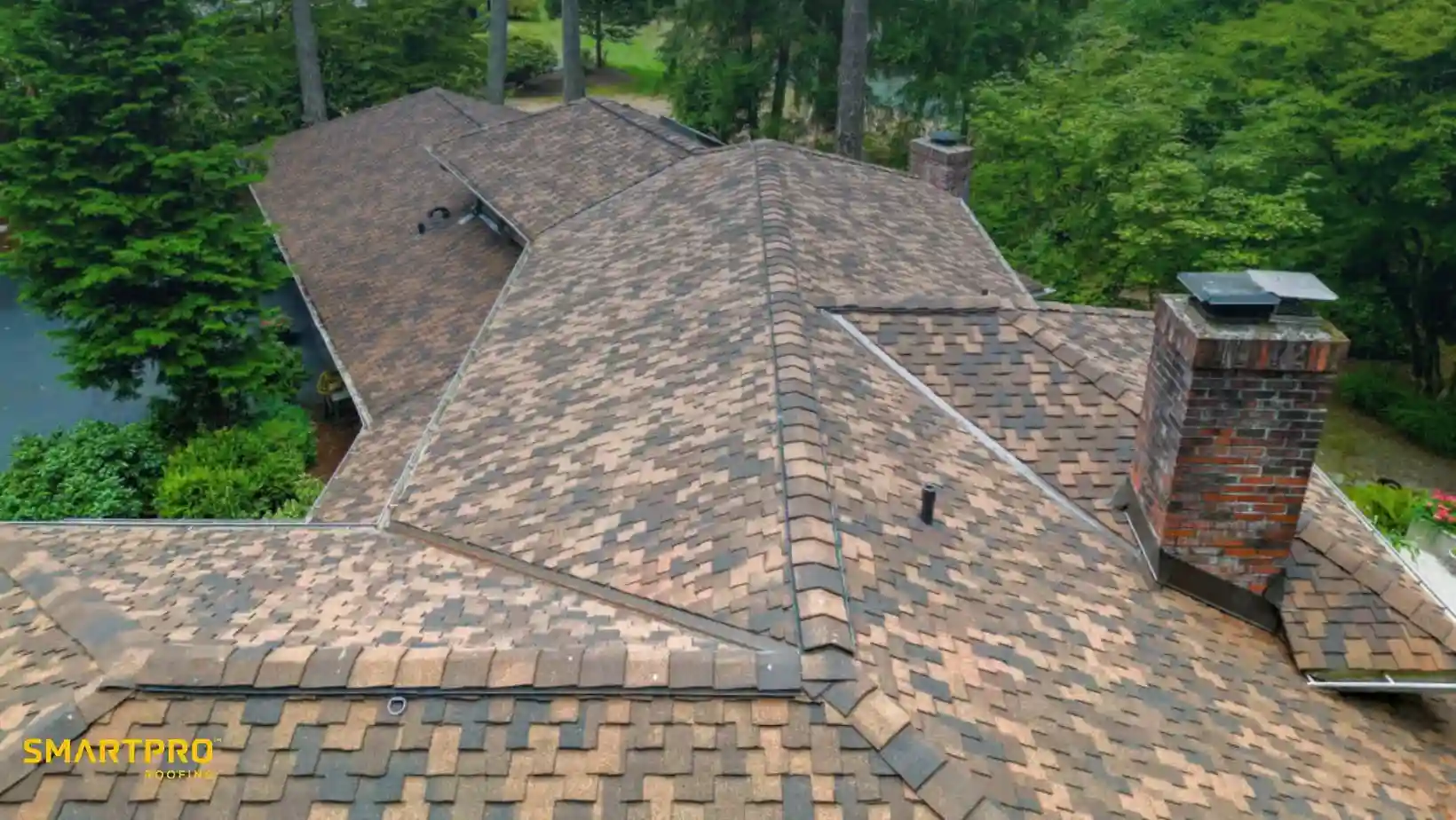
Composite roofing products promote resource conservation in several ways. First, they reduce the need for new raw materials by incorporating recycled plastics and rubber. Second, because they are highly durable and resistant to common forms of degradation, composite roofs often outlast traditional roofing materials. This means fewer replacements and less waste over the span of many years.
Traditional materials such as asphalt shingles need replacement every 15 to 25 years, on average. Composite roofing products can last 30 to 50 years or more, reducing the frequency of disposal. Some manufacturers also design composite roofing products to be recyclable at the end of their useful life, which further closes the sustainability loop.
Energy Efficiency Benefits of Composite Roofing
Energy efficiency is an important part of eco-friendly roofing. Composite roofing products often have reflective or insulating properties that help reduce heat transfer into a home. This means less reliance on air conditioning in hot weather, which can lead to lower energy usage and reduced utility costs.
Homes with well-insulated roofing systems maintain more stable indoor temperatures, which can help homeowners lower their carbon footprint. While the specific energy savings will vary based on roof color, local climate, and insulation under the roof, many homeowners experience improved comfort and reduced cooling costs with composite roofing.
Composite roofs also pair well with other energy-saving upgrades such as attic insulation, cool roofing coatings, and solar panel systems, making them a key part of a holistic home energy strategy.
Durability and Longevity Compare to Other Roofing Materials
When evaluating eco-friendliness, long roof lifespan is a major advantage. Composite roofing products are engineered to resist cracking, warping, and degradation over time. They can withstand weather conditions such as heavy rain, wind, and UV exposure while maintaining structural integrity.
Compared to traditional asphalt shingles, composite roofing often lasts significantly longer, which reduces the total environmental impact of the roofing system. In areas with extreme weather, this durability is especially valuable because it minimizes roof repair and replacement, saving resources over the lifetime of the home.
The long life of composite roofs also provides peace of mind for homeowners who want a sustainable option that stands the test of time.
Maintenance and Composite Roofing Performance
Composite roofing products generally require very little maintenance. Unlike wood shake roofing, composite materials do not rot or split, and they do not need frequent treatment with preservatives. This reduces the need for chemical treatments that can have environmental impacts.
Regular maintenance for composite roofs usually includes periodic cleaning and visual inspections to ensure there are no abnormalities or damage after severe weather events. Unlike traditional shingles that may curl or crack over time, composite roofs maintain their shape and function, which contributes to their long useful life.
This low-maintenance profile not only reduces the cost of upkeep but also minimizes resource use and environmental impact over decades.
Cost of Composite Roofing and Its Value Proposition
While composite roofing products may have a higher upfront cost compared to basic asphalt shingles, the long-term value can be significant. Their durability reduces the likelihood of recurring expenses for repair and replacement. Composite roofing’s extended lifespan also translates to fewer materials consumed over time.
When homeowners plan a roof replacement, tools like SmartQuote make it simple to see exact pricing in minutes. SmartQuote allows homeowners to compare composite roofing cost side by side with other roofing materials and choose the most eco-friendly option that fits their budget. This transparency helps homeowners make informed decisions on whether a composite roof suits their sustainability and financial goals.
Composite Roofing and Waste Reduction
One of the biggest environmental challenges with roofing is waste disposal. Traditional roof materials contribute significant waste to landfills when they are replaced. Because composite roofing products last longer and can be recyclable, they help reduce the volume of roofing waste.
Some manufacturers design composite products to be repurposed at the end of their service life, allowing materials to be reused instead of discarded. This recyclable potential further enhances composite roofing products’ eco-friendly profile and aligns with circular economy principles.
Aesthetics and Community Impact
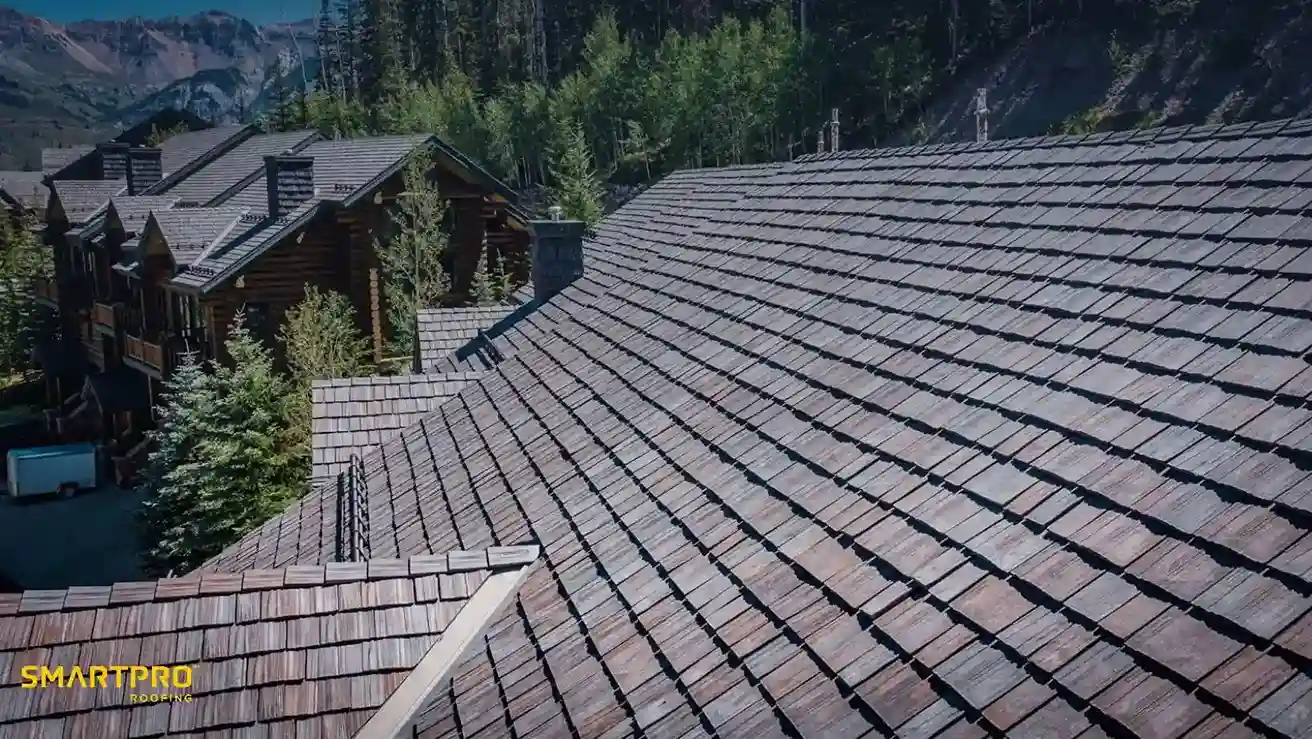
An eco-friendly roof does not mean sacrificing aesthetic appeal. Composite roofing products are manufactured in a variety of styles and colors that mimic natural materials such as wood shake, slate, or tile. This versatility allows homeowners to choose a roof that enhances their home’s curb appeal without compromising sustainability.
Neighborhoods with visually appealing composite roofs contribute to overall property value while supporting broader environmental goals. Choosing a sustainable roof can inspire neighbors and strengthen community efforts to adopt greener home improvements.
The Role of Local Climate in Eco-Friendly Roofing Choices
The environmental performance of composite roofing can depend on local climate conditions. In hot climates, reflective composite roofing helps reduce cooling demand. In cooler regions, the same roofing material provides durable protection against snow, wind, and moisture without degrading.
Homeowners should consider how composite roofing performs relative to their weather patterns, as this impacts both energy efficiency and longevity. SmartQuote helps evaluate composite roofing cost and expected performance in different climates, giving homeowners realistic expectations before they commit.
Addressing Common Questions About Composite Roofing Products
Homeowners often wonder whether composite roofing really performs as promised. Composite roofing products consistently rate high in industry reviews for durability, energy performance, and sustainability. Their recycled content and long lifespan make them highly eco-friendly compared to roofs that need frequent replacement.
Questions like “will composite roofing withstand severe weather?” or “does composite roofing save energy?” are addressed by performance testing and real-world results. Composite roofs generally resist wind, rain, and impact damage, while also reducing heat gain compared to darker, less reflective roofing materials.
Composite Roofing in Sustainable Building Practices
Composite roofing products play a role in sustainable building practices by aligning with principles of resource efficiency, waste reduction, and energy savings. They are compatible with other eco-friendly home improvements such as insulation upgrades, solar panels, and rainwater management systems.
In sustainable building design, roofing is a major component of overall performance. Because composite roofing contributes to energy efficiency and long life, it supports green home certifications and environmental resilience goals.
Choosing the Right Composite Roofing Product
Selecting the right composite roofing product requires understanding your home’s needs, climate, and aesthetic goals. Factors to consider include the product’s recycled content, warranty length, expected energy performance, and maintenance requirements.
Tools like SmartQuote make it easier for homeowners to compare options and see how composite roofing cost stacks up against performance benefits. With transparent pricing and material comparisons, homeowners can confidently choose an eco-friendly roof that meets both sustainability and style objectives.
Key Takeaways
- Composite roofing products are highly eco-friendly because of recycled content and durability.
- Their long lifespan reduces the need for frequent replacement and conserves resources.
- Composite roofs can help reduce energy costs through reflective and insulating properties.
- Waste reduction is enhanced when composite materials are recyclable at the end of life.
- Low maintenance contributes to sustainable roofing performance.
- Tools like SmartQuote help homeowners compare eco-friendly roofing options with precise pricing.
- Climate considerations influence performance and energy savings expectations.
Get Your Free SmartQuote Today
Ready to see exactly what your composite roofing products project will cost and buy it entirely online without the sales pitch? Get your free SmartQuote in just minutes!
Related Reading: