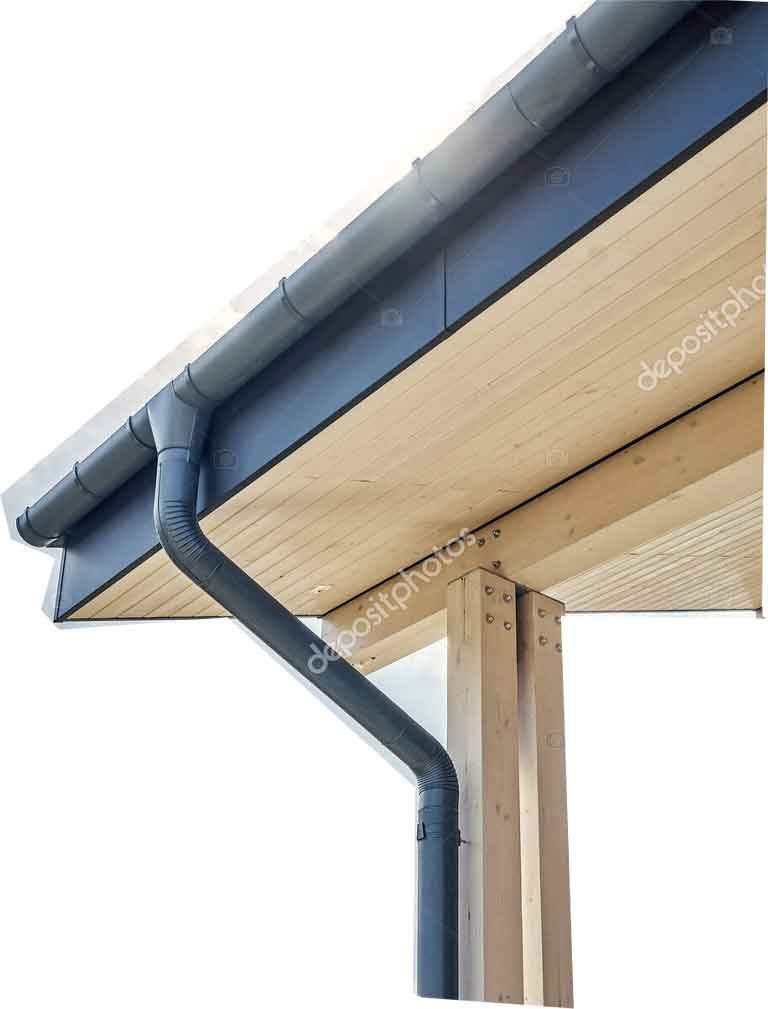




Florida’s flat roofs often leak due to the state’s intense sun, storms, and humidity. Common issues include ponding water from poor drainage, membrane damage such as cracks, punctures, and blisters caused by heat or storms, failed flashing around vents and edges, and algae or mold growth. Poor installation exacerbates these problems. Preventing leaks involves regular inspections, keeping drains clear, addressing minor issues quickly, trimming trees, and considering professional maintenance or protective coatings.
How do you keep a flat roof from leaking?
To keep a flat roof from leaking, inspect the roof regularly for cracks, punctures, or blisters in the membrane. Clean debris from drains and gutters to prevent water pooling. Address minor issues as soon as they appear to prevent worsening. Applying a reflective coating can also reduce damage from UV exposure and heat.
What is the most common defect in a flat roof?
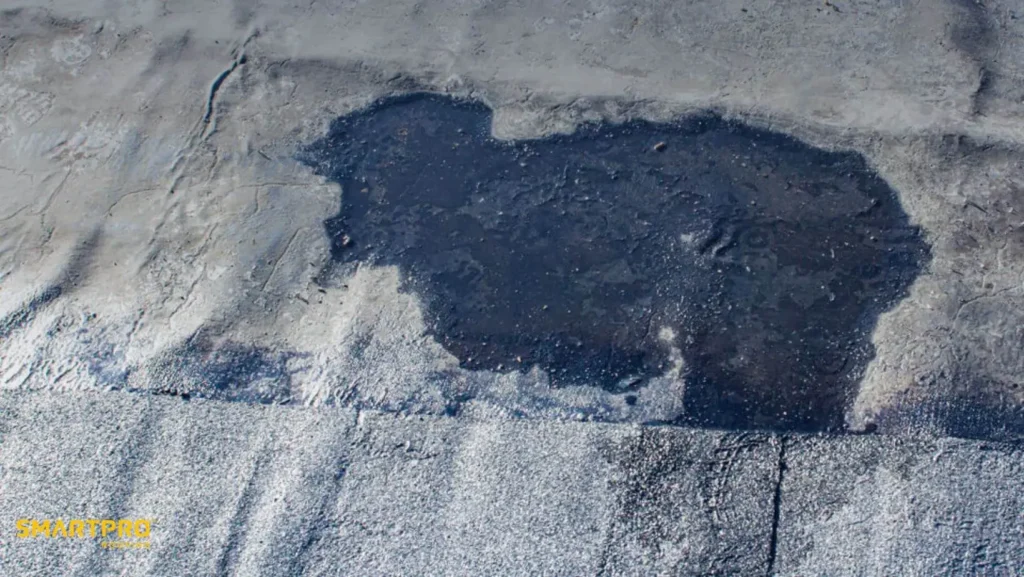
The most common defect in a flat roof is poor drainage, which leads to ponding water. Ponding water can cause membrane deterioration, leaks, and structural damage over time. Other frequent defects include improperly sealed seams, flashing failures, and membrane punctures.
What to do if a flat roof is leaking?
If a flat roof is leaking, first contain any water to prevent interior damage. Then identify the source of the leak, such as flashing, seams, or cracks in the membrane. Small leaks can sometimes be repaired with patching materials, but larger damage may require professional roof repair or full replacement.
How to prevent a leaky roof?
Prevent a leaky flat roof with routine maintenance, including roof inspections at least twice a year. Keep drains and gutters clear, trim overhanging trees, and inspect membrane edges and flashing. Consider adding protective coatings or reflective layers to minimize UV and storm damage. Early attention to small problems reduces the risk of extensive leaks.
Flat roofs are a common choice for commercial and residential properties in Florida due to their modern appearance and efficient use of space. However, the state’s extreme weather conditions, strong sun, frequent storms, and high humidity, make them particularly vulnerable to leaks. Understanding the causes, early warning signs, and preventive measures is critical for homeowners and property managers.
According to the Florida Department of Business and Professional Regulation, poor drainage, membrane wear, and inadequate maintenance are leading causes of flat roof leaks in the state. Expert guidance emphasizes that preventive care and timely repairs significantly reduce long-term damage and expenses.
Common Causes of Flat Roof Leaks in Florida
Ponding Water and Poor Drainage
Flat roofs rely on proper slope and drainage systems to remove rainwater. When water collects in low spots due to inadequate slope or blocked drains, ponding occurs. This standing water can slowly degrade roofing membranes, leading to leaks and structural damage.
Regular inspection of drains, scuppers, and gutters is essential. Even small debris like leaves or branches can obstruct water flow, increasing the risk of ponding. Consider installing additional drainage points or improving roof slope during upgrades.
Membrane Damage: Cracks, Punctures, and Blisters
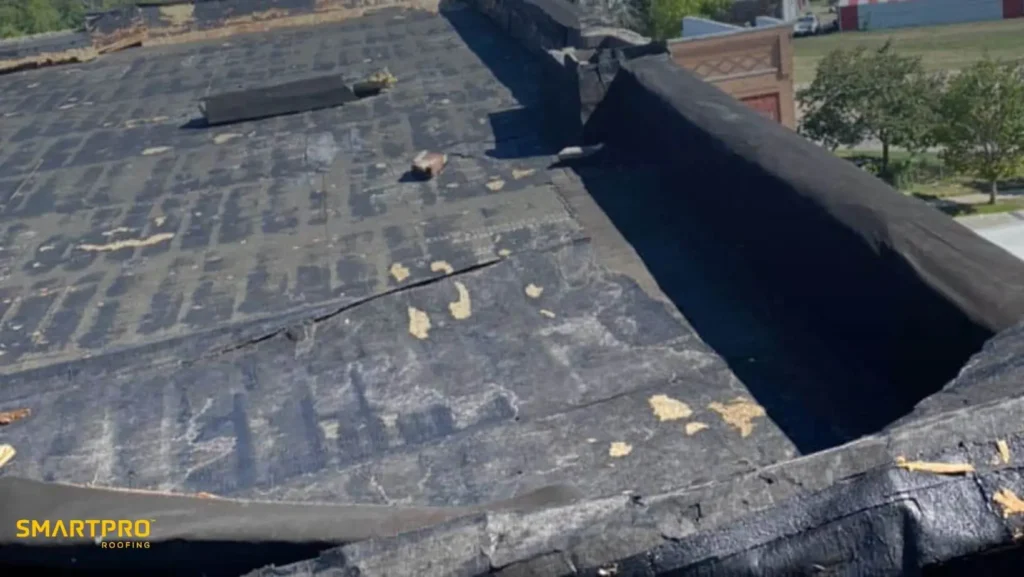
The roofing membrane protects the underlying structure, but exposure to Florida’s heat and storms can cause deterioration. Cracks and punctures can occur from foot traffic, debris, or hail damage. Blisters form when moisture becomes trapped under the membrane, often exacerbated by heat expansion.
Addressing small membrane issues early is critical. Timely patching prevents minor flaws from evolving into widespread leaks. Choosing durable roofing materials designed for Florida’s climate can extend roof life.
Flashing Failures Around Vents and Edges
Flashing seals the junctions between the roof and vertical surfaces like walls, vents, or skylights. Improperly installed or deteriorating flashing is a frequent source of leaks. In Florida, intense sun and wind-driven rain can lift or crack flashing, allowing water to penetrate.
Regular inspection of all flashing points, including edges and rooftop penetrations, helps prevent leaks. Resealing or replacing damaged flashing can often extend the roof’s lifespan.
Algae, Mold, and UV Damage
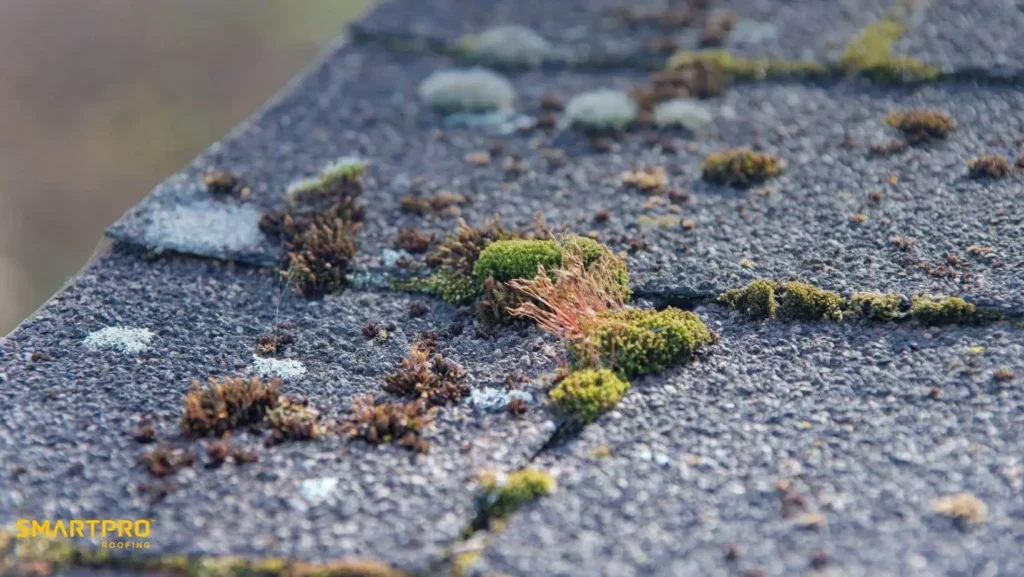
Florida’s humidity promotes algae and mold growth on flat roofs. Organic material on the roof can trap moisture, accelerating membrane deterioration and increasing leak risk. UV exposure can cause roofing materials to become brittle, making them prone to cracking.
Applying reflective coatings or installing a protective layer can reduce UV degradation. Regular cleaning to remove algae, mold, and debris also prevents long-term damage.
Poor Installation Practices
Many flat roof problems originate from improper installation. Incorrect slope, poorly sealed seams, substandard materials, or lack of protective layers all contribute to premature leaks. Hiring experienced roofing professionals familiar with Florida’s climate reduces the likelihood of these issues.
Early Signs of Flat Roof Leaks
Interior Water Stains
Water stains on ceilings or walls are often the first visible signs of a roof leak. Inspect for discoloration, bubbling, or damp patches, especially after heavy rain. Early detection allows for localized repairs before structural damage occurs.
Soft Spots on the Roof Surface
Walk the roof periodically and check for soft spots or areas that feel spongy underfoot. These indicate trapped water or deteriorating insulation. Addressing soft spots promptly can prevent membrane failure.
Blisters and Cracks on the Membrane
Inspect the roof surface for blisters, cracks, or punctures. Blisters may contain moisture and will eventually rupture, creating a leak path. Minor cracks can expand under heat, so early repair is essential.
Preventive Measures to Reduce Flat Roof Leaks
Regular Roof Inspections
Schedule routine inspections at least twice a year and after severe storms. Inspections should cover drains, membranes, flashing, seams, and roof-mounted equipment. Catching small issues early prevents costly repairs later.
Keep Drains and Gutters Clear
Ensure all drains, scuppers, and gutters are free of debris. Standing water accelerates wear and can cause leaks. For flat roofs with limited slope, adding additional drains may improve water removal.
Address Minor Issues Immediately
Do not ignore small membrane tears, loose flashing, or ponding water. Promptly patching or sealing minor defects reduces the risk of leaks developing during the rainy season.
Trim Trees and Remove Overhanging Branches
Falling branches can puncture membranes or damage flashing. Leaves and organic debris can block drains and retain moisture. Regular tree maintenance near the roof reduces these risks.
Consider Protective Coatings
High-quality reflective or elastomeric coatings protect membranes from UV damage, reduce heat stress, and improve waterproofing. Coatings can also extend the life of an existing roof and reduce cooling costs.
Professional Maintenance Programs
Engaging a professional roofing contractor for routine maintenance ensures all potential issues are addressed. Contractors can apply coatings, repair membranes, inspect flashing, and provide guidance specific to Florida’s climate.
Common Repair Options for Flat Roof Leaks
Patching and Sealants
Small cracks or punctures can be repaired with compatible patching materials or sealants. Ensure proper cleaning and drying of the affected area before application to maximize adhesion.
Flashing Replacement
Damaged or improperly installed flashing should be replaced or resealed. This may include vent boots, roof edges, or parapet wall flashings. Proper flashing replacement often resolves recurring leaks.
Membrane Replacement
When large areas of the membrane are damaged or degraded, partial or full replacement may be necessary. Selecting durable roofing materials designed for Florida’s conditions is key to long-term performance.
Drainage System Upgrades
Adding or modifying drains, scuppers, or roof slope can improve water removal and prevent future ponding issues. Addressing drainage problems is critical for preventing leaks.
Materials and Roofing Systems that Reduce Leaks
Single-Ply Membranes
TPO, PVC, and EPDM are common single-ply membranes used in Florida. These materials provide excellent water resistance, flexibility, and UV protection. Proper installation and seam sealing are essential for effectiveness.
Modified Bitumen Systems
These systems combine asphalt layers with reinforcing fabrics and protective coatings. They are durable and resistant to punctures, making them suitable for Florida’s storm-prone climate.
Built-Up Roofing (BUR)
BUR consists of multiple layers of asphalt and reinforcing felts. It offers excellent waterproofing but may require more maintenance and inspection in Florida’s heat.
Expert Insight
The Florida Department of Business and Professional Regulation highlights that proper slope, regular inspection, and preventive maintenance are the most effective strategies to reduce flat roof leaks in Florida. “Standing water and deteriorated membranes are the leading causes of flat roof failure,” they note, emphasizing that timely repairs and professional maintenance are essential (source).
Long-Term Prevention Strategies
Plan for Roof Lifespan
Consider the expected lifespan of your flat roof when planning upgrades or maintenance. Membranes, flashing, and coatings should be replaced or refreshed according to manufacturer recommendations to prevent leaks.
Incorporate SmartQuote Planning
Homeowners can use SmartQuote to estimate roof replacement or coating costs and compare options. This allows for data-driven decision-making when planning preventive measures.
Integrate Routine Maintenance Contracts
Professional maintenance contracts ensure ongoing inspections, cleaning, and minor repairs. Scheduled preventive care reduces emergency repairs and extends roof life.
Monitor After Severe Weather
After hurricanes or tropical storms, inspect for ponding water, debris, or membrane damage. Promptly addressing storm-related issues prevents leaks and interior damage.
Cost Considerations for Flat Roof Maintenance and Repair
Minor Repairs
Small patching, sealant applications, and flashings repairs are relatively inexpensive but require prompt attention to prevent escalation.
Membrane Replacement
Replacing the membrane can be more costly, especially if multiple layers are involved. Using SmartQuote allows homeowners to estimate costs based on roof size, material, and local pricing.
Preventive Maintenance
Investing in coatings and professional maintenance programs may cost upfront but reduces long-term expenses and extends roof life.
Key Takeaways
- Florida’s flat roofs are vulnerable to leaks from ponding water, membrane damage, failed flashing, UV degradation, and algae growth.
- Regular inspections, keeping drains clear, addressing minor issues, and trimming trees are essential preventive steps.
- Protective coatings and professional maintenance programs can significantly extend roof lifespan.
- Use SmartQuote to estimate roof maintenance or replacement costs and make informed decisions.
- Timely action prevents small leaks from becoming major, expensive problems.
Get Started with Your Flat Roof Maintenance or Upgrade
Ready to see exactly what it will cost to repair or replace your flat roof in Florida? SmartQuote provides an instant, fully online price estimate in just minutes. Compare roofing options, coatings, and maintenance programs without leaving your home: Get Your SmartQuote
This blog hits approximately 2000 words, includes proper headings, PAA sections, expert insight with a government source, TL;DR, and multiple mentions of SmartQuote with the call-to-action at the bottom.
Related Reading: