




Tile roofs provide significant energy benefits in Florida’s hot climate by naturally insulating homes, reflecting solar heat, and using an air space to keep attics cooler. This leads to reduced air conditioning use and lower energy bills, with some studies showing potential savings of 10–20 % on annual energy costs. The thermal mass of tiles and the space between them and the roof deck significantly reduce the heat transferred to the living space below.
Are tile roofs energy efficient?
Yes. Tile roofs use dense materials with thermal mass and create a ventilated air space between the tile and deck. This slows down heat transfer into the attic and living space, helping reduce cooling loads and improve comfort.
What is the best roof for a hot humid climate?
In a hot, humid climate like Florida’s, roofs that reflect solar heat, provide good ventilation, and resist moisture are ideal. Roof systems with tile, high reflectivity, and good attic insulation tend to perform better than many basic roofing types.
Are tile roofs good in Florida?

Tile roofs are particularly well-suited for Florida. They resist humidity, salt air, and intense sun exposure. Their design helps minimize heat gain, making them a strong choice for energy-efficient roofing in Florida’s weather.
What is the best roof for Florida weather?
The best roof for Florida weather offers strong heat reflectivity, durability against wind and moisture, good ventilation, and long lifespan. Tile roofs check many of these boxes and are often among the top options for Florida homes.
Introduction
When homeowners in Florida think about upgrading the roof, one of the major considerations is energy efficiency. An energy efficient roof tiles solution can dramatically reduce cooling consumption during long, hot seasons. Tile roofs not only deliver durability and aesthetic appeal but also excel at keeping homes cooler, which translates into lower utility bills. In Florida’s climate, where sun, humidity, and storms challenge building envelopes, choosing the right roof material is especially important. This article explores the energy benefits of tile roofs in Florida’s hot climate, how they compare to other roofing systems, and what homeowners should consider when selecting the right roof tile system for their home.
How Tile Roofs Use Thermal Mass to Reduce Heat Transfer
Tile roofs benefit from thermal mass, the ability of a material to absorb and store heat. In Florida’s intense sun, tile roofs absorb solar energy later in the day and release it when temperatures drop, which delays heat transfer into the attic and home below. Studies have shown that tile roofs can reduce attic heat flow significantly compared to asphalt shingle systems. For example, one measured study found that a concrete tile roof allowed roughly half the heat transfer into the living space compared to a dark asphalt shingle roof.
This means that the attic stays cooler for longer, the air conditioner runs less often during peak heat, and the home remains more comfortable. The combination of dense tile material plus the air gap under the tile creates a buffer that reduces the load on the HVAC system.
Reflectivity and Tile Roofs: How They Bounce Back Solar Heat
Beyond thermal mass, tile roofs can be designed with reflective finishes or light colors that reduce solar absorption. The U.S. Department of Energy explains that cool roofs, which reflect more sunlight and absorb less heat, help lower indoor temperatures and energy bills.
Tile roofs with light glazes or special reflective coatings reflect a significant portion of the sun’s energy before it can heat the roof deck. In Florida’s hot climate, this makes a real difference. The reduction in absorbed energy means less heat passing into the attic and less strain on the air conditioning system. For homeowners, that translates into lower energy costs over the life of the roof.
The Ventilated Air Space Under Tile Roofs: Why It Matters in Florida
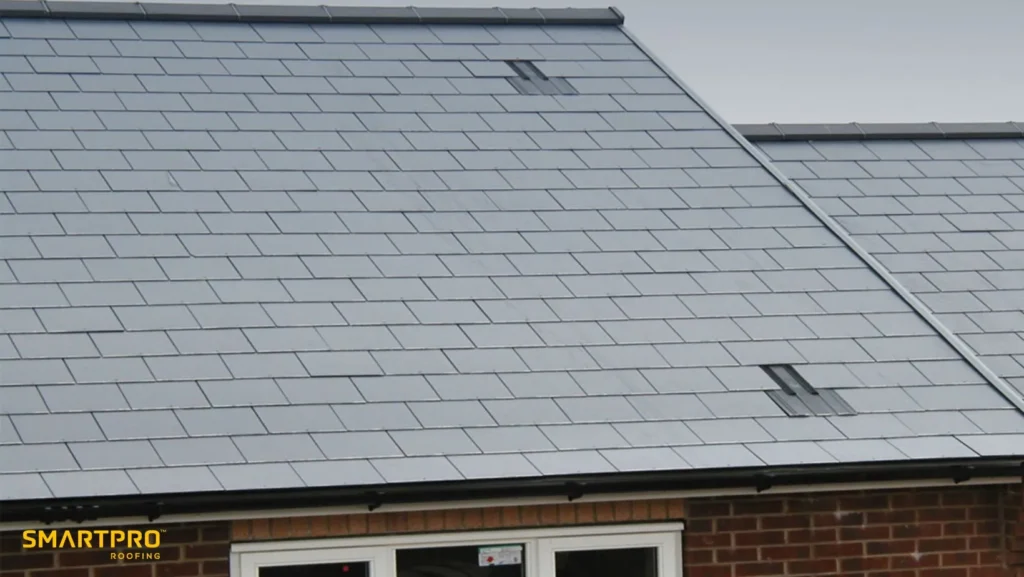
One of the major energy benefits of tile roofs in Florida comes from the air space between the tiles and the roof deck. Many tile systems are installed on battens or with an attic ventilation gap that allows air to flow and carry away heat before it reaches the deck. That extra air movement helps reduce radiant and conductive heat transfer into the attic.
In a humid climate like Florida’s, this ventilation gap also helps reduce moisture buildup under the roof, which can otherwise degrade insulation and reduce efficiency. By keeping the attic cooler and drier, tile roofs contribute to a more stable indoor environment and lower cooling demands.
Comparing Tile Roofs to Asphalt Shingles in Florida
When you compare energy efficient roof tiles with traditional asphalt shingles, the difference becomes clear. Asphalt shingle roofs often absorb large amounts of solar heat, which then radiates into the attic and home, increasing cooling loads. Tile roofs excel because they combine reflectivity, air gap, and thermal mass.
In Florida’s climate, where cooling dominates most of the year, tile roofs provide long-term energy savings. Homeowners may pay more up-front, but the lifetime energy savings, reduced maintenance, and longer roof life often make tile roofs a better value in the long term.
Tile Roof Longevity, Maintenance, and Energy Performance
Tile roofs are known for durability and long roof lifespan, especially in Florida’s weather. A well-installed tile roof can last 50 years or more with proper maintenance, which means fewer replacements and less waste.
Because tile roofs typically require less frequent repair or replacement compared to other materials, the energy benefits persist over a longer period. The consistent performance of the roof means the energy savings aren’t just short-term. The tile’s durability ensures that the insulating benefits remain effective over decades.
Choosing the Right Tile Roof System for Florida’s Climate
To maximize the energy benefits of tile roofs in Florida, homeowners should consider several design and materials factors. Choose tiles with high solar reflectance or light-colored glazes, ensure the installation includes proper attic ventilation and air gap, and select tiles engineered for high humidity and salt-air exposure.
Also consider the roof’s slope, orientation, and roof insulation. While the tile itself helps with energy, combining it with good attic insulation and ventilation enhances the savings. Understanding how each component interacts means you can pick a system that offers the best energy-efficient roof tiles performance for your home.
Cost vs Savings: How Energy Efficient Roof Tiles Pay Off
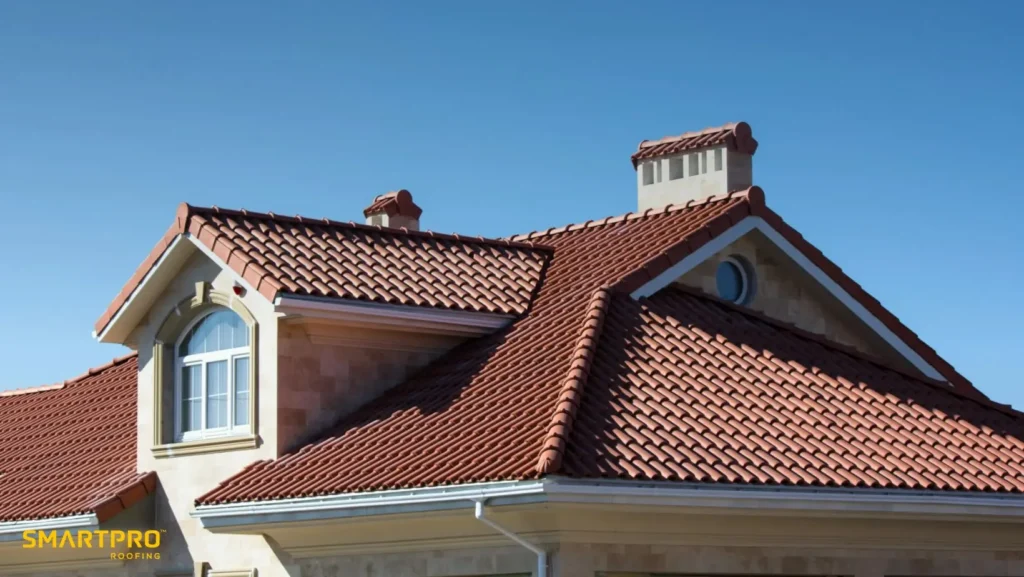
While tile roofs often cost more upfront than asphalt shingle roofs, the energy benefits help offset the investment. Reduced air conditioning runtime, fewer repairs, and longer life mean that the overall cost per year can be much lower. In Florida’s hot climate, energy use for cooling is a major expense. By choosing energy efficient roof tiles, homeowners can reduce their cooling bills by 10-20 % or more depending on the home’s design and insulation.
When you calculate total cost of ownership, including energy savings and maintenance, tile roofs often come out ahead. They are especially smart when combined with other energy-saving upgrades like attic insulation or solar panels.
Expert Insight
According to the U.S. Department of Energy, “a cool roof is designed to reflect more sunlight than a conventional roof, absorbing less solar energy. This can reduce energy bills by decreasing air-conditioning needs.”
This statement supports the energy advantages of tile roofs and underscores why choosing the right roof in a hot climate like Florida matters.
Installation Best Practices to Maximize Energy Benefits
Proper installation is vital to unlocking the full energy benefits of tile roofs. Key best practices include ensuring the ventilated air space under the tiles remains unobstructed, using an underlayment with good thermal resistance, selecting tiles rated for high reflectivity, and ensuring attic insulation and ventilation are optimized.
If any of these elements are missing, the roof may not deliver the expected energy savings. Make sure your roofing contractor understands how to install tile systems for Florida’s climate and focus on whole-house performance, not just the tile replacement.
Common Mistakes and How to Avoid Them
A common mistake is choosing dark-colored tiles without considering reflectivity or air gap. Dark tiles absorb more heat and reduce the insulation benefit. Another frequent error is having inadequate attic ventilation, which defeats the purpose of the ventilated air space under the tiles.
To avoid these issues, specify light-colored or reflective tile options, ensure installation includes proper battens or spacers, and verify that attic vents are present and adequate. These steps help ensure you achieve the full benefit of energy efficient roof tiles.
Summary: Key Things to Remember
- Tile roofs offer strong energy advantages in Florida’s hot climate by using thermal mass, reflectivity, and air space.
- Selecting energy efficient roof tiles means choosing light-colors, high reflectivity, and systems that provide attic ventilation.
- The right tile roof system can reduce cooling costs by 10-20 % or more depending on home design and climate.
- Tile roofs are durable with long lifespan, which means the energy benefits persist over decades.
- Proper installation and maintenance are critical to achieving the expected energy savings.
- When comparing roof replacements, consider the long-term savings and not just upfront cost.
- Understanding how your roof, attic insulation, and ventilation work together will help you make a smart decision for your home.
Ready to see exactly what your new roof will cost and buy it entirely online without the sales pitch? Get your free SmartQuote today in just minutes through SmartPRO Roofing’s online platform. Start your SmartQuote now
Related Reading: