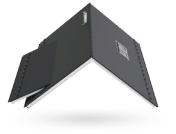



Yes, metal shingle roofs are generally worth the higher initial cost due to their exceptional longevity of 50+ years, superior durability against extreme weather like wind, fire, and hail, significant energy efficiency that often reduces cooling bills, low maintenance needs, and potential for increased home value. Although the upfront metal shingles cost is higher than traditional roofing, metal shingle roofs often provide long-term savings by outlasting asphalt shingle replacements, providing better protection, and lowering energy consumption.
What is the downside to a metal roof?
The primary downside to a metal roof is the higher upfront cost compared to traditional asphalt shingle roofs. Metal shingles cost more per square foot, and installation requires experienced professionals. Some homeowners may find that the look does not match their aesthetic preferences. Noise from rain or hail can be more noticeable without proper insulation.
How long will metal shingles last?
Metal shingles will typically last 50 years or more when properly installed and maintained. This lifespan greatly exceeds that of asphalt shingles. Because metal roofing resists weathering and corrosion, the roof will provide coverage and protection for decades with minimal roof repairs.
Is it better to have a metal roof or shingles?
It depends on the homeowner’s priorities. A metal roof generally offers longer roof life, better durability, and improved energy savings compared to traditional asphalt shingles. Asphalt shingles cost less upfront but often need replacement every 15 to 25 years. If long-term performance and lower lifetime costs matter most, metal shingles may be the better choice.
Does a metal roof affect WiFi?
A metal roof does not inherently affect WiFi inside a home. WiFi signals can be influenced by many building materials, but proper router placement, mesh systems, or boosters usually mitigate any interference regardless of roofing material. The roof material itself is not a primary factor in WiFi performance.
Choosing the right roof for your home is a major decision that impacts cost, performance, and long-term satisfaction. With metal shingles cost typically higher than traditional asphalt shingle roofs, many homeowners ask if metal shingle roofs are truly worth the investment. In this article, we will explore the benefits of metal shingle roofing, its lifespan, cost factors, performance in different climates, and how to compare it to other roofing options. We will also explain how tools like SmartQuote help you understand cost for your exact project online with transparent pricing.
According to the U.S. Department of Energy, reflective roofing materials like metal can reduce cooling costs by reflecting more sunlight than dark roofing surfaces. This energy performance benefit is part of why many homeowners choose metal shingles even with higher upfront cost.
What Determines Metal Shingles Cost?
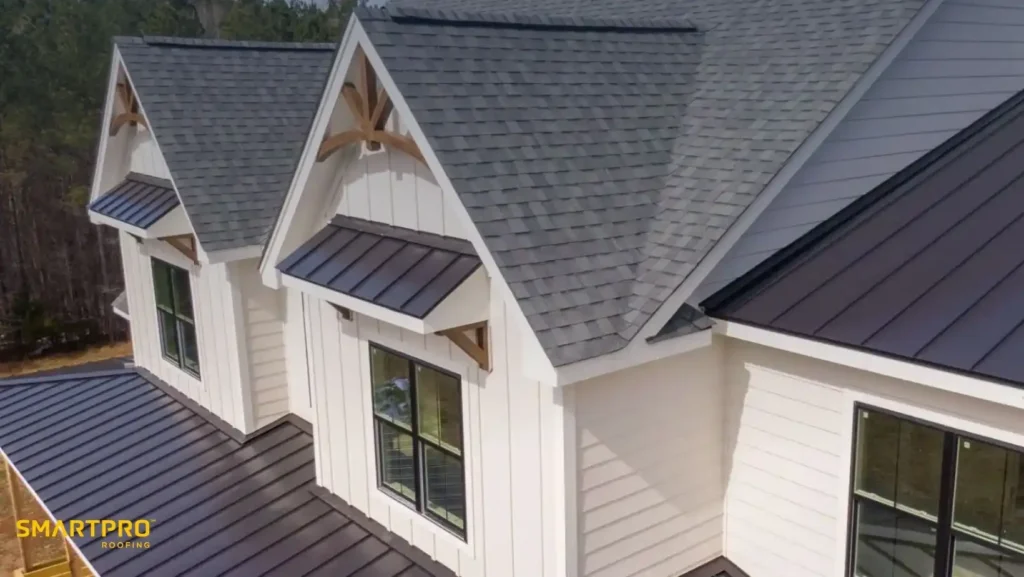
The metal shingles cost includes several components: roofing materials, labor, roof size, roof complexity, and local market conditions. Metal roofing materials come in several types including steel, aluminum, and copper. Steel is often the most affordable metal roofing option, while copper shingles are among the most expensive due to their longevity and visual appeal.
Labor costs also influence metal roof installation cost. Metal shingles require specialized installation techniques and experienced crews. This results in labor costs that are often higher than for traditional roofing. The roofing contractor’s experience and regional labor rates also affect total price.
Another factor is the size of your roof and the roof’s slope. Larger roofs and roofs with complicated designs take more materials and time to install, increasing cost. Permits and removal of an old roof also contribute to the total cost.
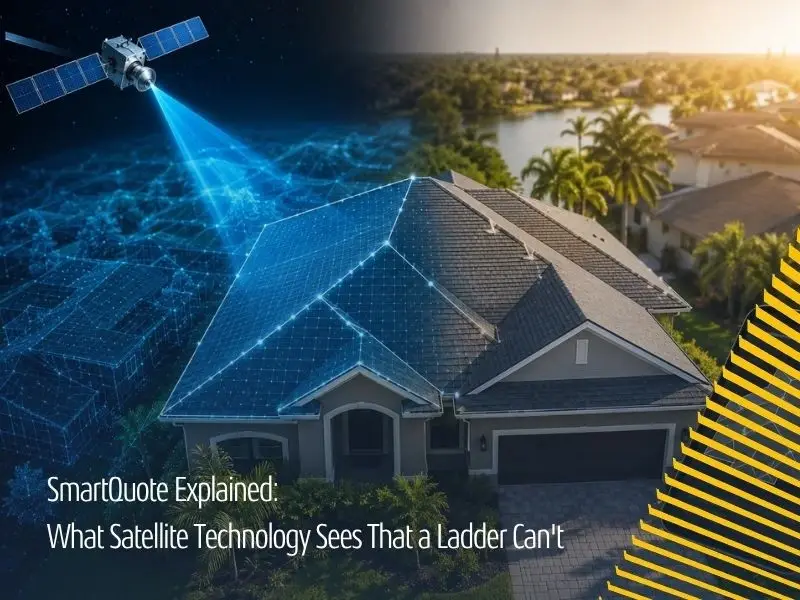
SmartQuote helps you estimate the metal shingles cost for your specific home by using your roof’s details to generate a transparent online estimate in minutes. You can compare materials and pricing without waiting for in‑person visits.
Longevity and Lifespan of Metal Shingle Roofs
One of the most compelling reasons homeowners choose metal shingles is their longevity. While asphalt shingles typically last about 15 to 25 years, metal shingles can last 50 years or more. This extended lifespan makes the higher upfront cost easier to justify over the long term.
Metal roofing resists many common issues that reduce roof lifespan, such as rot, cracking, and insect damage. Many metal shingles carry warranties of 30 to 50 years, and some premium products extend coverage further when properly maintained.
Because metal shingles last so long, the roof replacement cycle slows dramatically. In many cases, a homeowner may only install one metal roof in their lifetime, compared to two or three asphalt shingle roofs over the same period.
SmartQuote provides pricing that can help you see the long‑term value of a metal shingle roof compared to other roof types.
Durability Against Weather and Impact
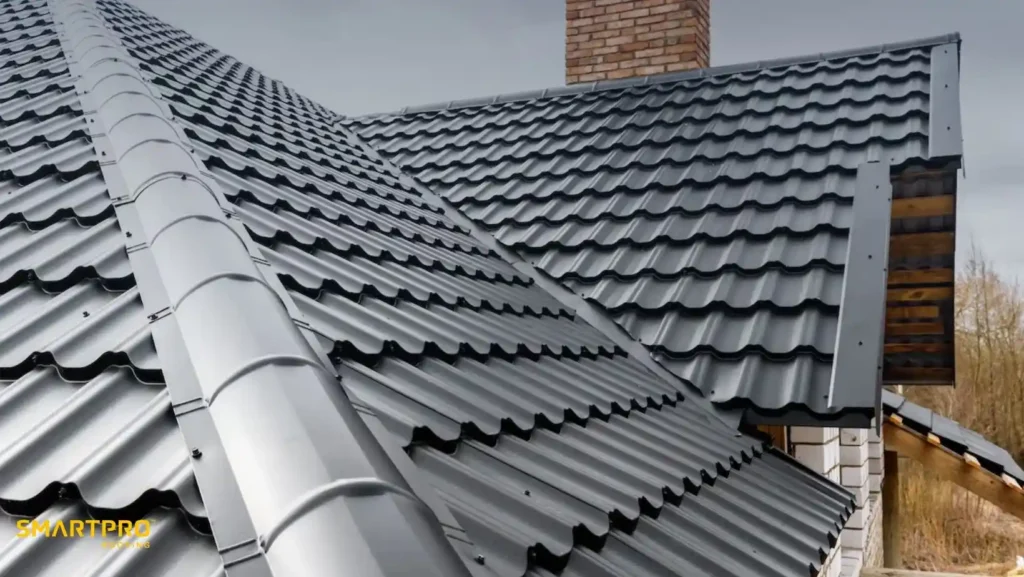
Metal shingles are designed to stand up to severe weather. They are highly resistant to wind, fire, hail, and heavy rain. For homeowners in areas prone to storms, this durability is a major benefit.
Wind resistance ratings for metal shingles are often higher than for traditional roofing materials. In regions with frequent high winds, this means fewer roof repairs and a lower likelihood of roofing material failure compared to classic shingle roofs.
Metal roofing also resists impact from large hail better than most asphalt shingle roofs, reducing denting and tearing. Fire resistance is another advantage, especially in areas where wildfire risk or lightning strikes are concerned.
The durability of metal shingles contributes to longer roof life, fewer roof repairs, and better long‑term protection for your home.
Energy Efficiency and Cooling Cost Savings
Metal shingles often reflect more solar energy than dark asphalt shingle roofs. This reflectivity can lead to lower temperatures in attic spaces and living areas, reducing the demand on cooling systems during hot months.
Homes with reflective metal roofing often see lower energy bills, especially in warmer climates. While insulation, ventilation, and home design all influence total energy performance, the metal shingles cost can be offset by reduced cooling costs over time.
SmartQuote’s online cost estimates can help you understand how different materials perform and what energy benefits might be available with your metal roof option.
Comparing Metal Shingles to Asphalt Shingles
When homeowners compare metal shingles and asphalt shingles, the differences are clear. Asphalt shingles cost less upfront, making them popular for tighter budgets. However, asphalt often needs replacement every 15 to 25 years, whereas metal shingles continue to protect homes for much longer.
In addition to lifespan, the metal shingles cost often includes performance benefits that asphalt cannot match. Metal resists weathering, algae, and fading better than many other roofing materials. While asphalt shingles offer a wide range of styles and colors, metal shingles now include designs that mimic classic shingle looks while offering superior performance.
SmartQuote allows homeowners to compare metal shingle pricing with asphalt shingle options instantly, letting you see cost differences and estimated lifespans side by side.
Maintenance Needs of Metal Shingle Roofs
Metal shingle roofs typically require less maintenance than asphalt shingle roofs. Because metal resists cracking, curling, and granule loss, the need for routine repairs is lower. Minimal maintenance usually involves periodic inspections, clearing debris, and checking flashings and fasteners.
Roof maintenance remains important even for metal roofs. Cleaning gutters, removing debris that accumulates on the roof surface, and inspecting after severe weather help the roof last as long as possible.
SmartQuote can help you plan for material choices that align with your maintenance preferences and provide estimates for metal roof installation costs.
Impact of Roof Size and Complexity on Cost
The larger your roof, the more materials and labor are required, which increases the metal shingles cost. A simple roof design with few valleys or dormers generally costs less to install than a complex roof with multiple ridges, slopes, and accent features.
Complex roofs also increase waste and installation time, as each angle and cut must be precise. Roofing contractors charge more for additional labor, and this is reflected in the cost per square foot.
SmartQuote’s online estimating tool calculates the effect of roof size and complexity on your specific project, giving you clarity on how much you should expect to pay before work begins.
Resale Value and Aesthetic Appeal
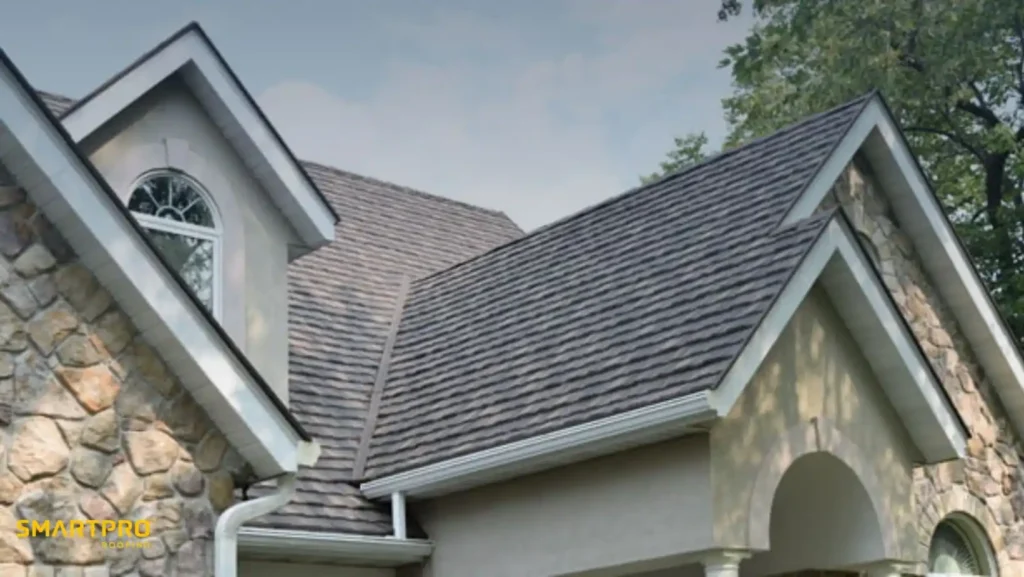
Metal shingles often enhance a home’s resale value because they provide lasting protection and a modern or premium aesthetic. Buyers often recognize the value of a roof that will last decades without replacement.
Different styles and colors of metal shingles allow homeowners to achieve nearly any desired look while retaining performance benefits. Curb appeal plays a role in real estate value, and a quality metal roof can attract buyers and help your home stand out in a competitive market.
While design preferences vary, metal shingles allow a blend of function and style that many homeowners find appealing.
Cost Versus Long‑Term Value
The metal shingles cost may be higher than other roofing materials, but long‑term benefits often outweigh this initial investment. With fewer replacements, lower maintenance, energy savings, and better weather resistance, metal shingles prove to be cost‑effective over decades.
Using SmartQuote’s transparent pricing, you can compare total lifetime costs, including expected roof repairs, energy savings, and longevity.
SmartQuote lets you explore different metal roof options online quickly, helping you decide which roof material is right for your home and budget.
Common Myths About Metal Shingle Roofing
There are several myths about metal roofs worth addressing. Some homeowners worry that metal roofs rust quickly, but modern metal shingles are coated and treated to resist corrosion. Others fear noise from rain or hail, but proper insulation and roof deck design often reduce sound transmission similar to traditional roofs.
Another myth is that metal roofs attract lightning. This is not supported by evidence. Metal roofing is conductive, but it does not make a home more likely to be struck by lightning. Proper grounding and building codes address electrical safety regardless of roof material.
By understanding these common misconceptions, you can make a more balanced comparison between roof types.
How SmartQuote Helps You Plan Your Roof Project
Planning a metal shingle roof can be easier with SmartQuote. This online tool lets you enter details about your roof size, material choices, and design preferences to get a precise metal shingles cost estimate in minutes. It removes guesswork and helps you plan financially before any contractor visits.
SmartQuote’s transparent pricing also helps you compare different roof materials and understand how choices affect total cost. With this tool, you can confidently budget for your roofing project.
Key Things to Remember
- Metal shingles cost more upfront than asphalt shingles
- Metal roofs typically last 50 years or more
- Metal shingles offer excellent durability and weather resistance
- Energy efficiency can reduce cooling costs over time
- Maintenance needs are lower compared to some other roof materials
- Roof size and complexity affect total cost significantly
- Metal shingle roofing can improve resale value and aesthetic appeal
Get Your Free SmartQuote Today
Ready to see exactly what your metal shingles cost will be and buy your new roof entirely online without the sales pitch? Get your free SmartQuote today!
Explore materials, compare costs, and plan your roof replacement with confidence.
Related Reading: