



Clay tile roofs can weigh between 600-1,500 pounds per 100 square feet (psf), significantly more than lighter options like asphalt shingles. Florida homeowners must ensure their home’s structure can support this weight, which may require reinforcement, and be aware of the tiles’ brittleness and susceptibility to impact from storm debris, although individual tile replacement is a relatively simple repair.
How much does a clay tile roof weigh?
A standard clay tile roof typically weighs between 600 and 1,500 pounds per 100 square feet, depending on tile thickness and profile. Lighter interlocking clay tiles weigh closer to 600 psf, while traditional barrel or mission-style tiles can exceed 1,000 psf.
How to tell how much weight a roof can hold?
The weight a roof can hold depends on its structural design. Most residential roofs in Florida are designed to support around 20 pounds per square foot of live load, but heavier materials like clay tiles require additional structural framing. A structural engineer can evaluate your roof’s load-bearing capacity before installation.
How heavy is a tiled roof?
A tiled roof, including clay or concrete tiles, typically weighs between 600 and 1,200 pounds per 100 square feet. Concrete tiles are generally heavier than clay but offer similar visual appeal and durability.
How much is a clay tile roof in Florida?
In Florida, clay tile roofing costs typically range from $20,000 to $50,000 for an average-sized home, depending on tile type, roof complexity, and installation. The higher weight increases both labor and reinforcement costs compared to lighter roofing materials.
Understanding Clay Tile Roof Weight
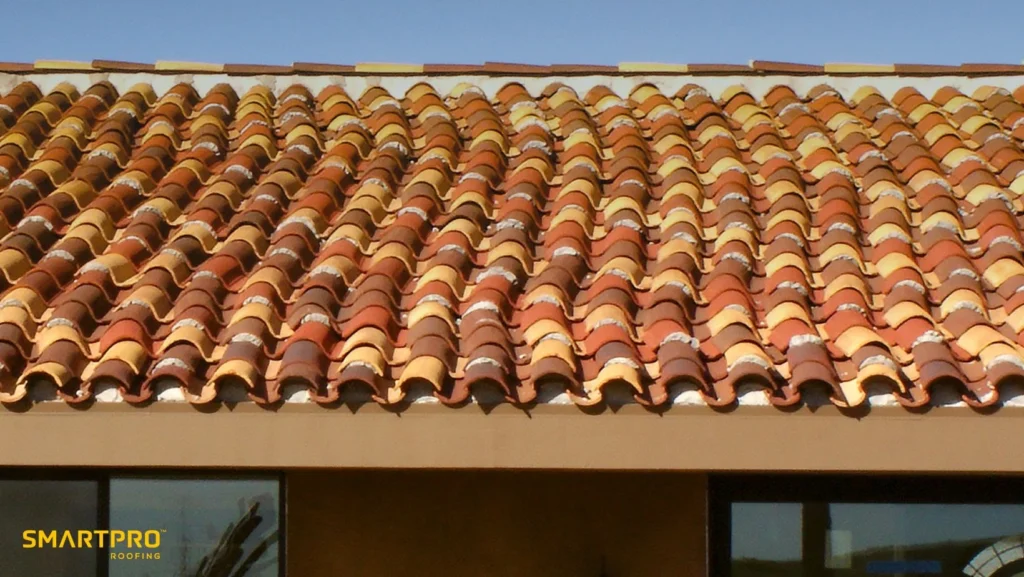
Clay tile roof weight plays a crucial role in determining whether a home can safely support a tile roofing system. These roofs are among the heaviest in residential construction, admired for their beauty and longevity but demanding careful structural planning.
Clay tiles are made from natural earthen materials fired in kilns, resulting in a dense, durable structure. While this gives them exceptional resistance to fire, rot, and insects, it also means they exert substantial static load on the home’s framing system. The average clay tile roof weighs about six to ten times more than a lightweight asphalt shingle roof, which usually weighs around 200 to 300 pounds per 100 square feet.
According to a study by the Florida Building Commission, roofs in coastal and hurricane-prone regions must meet higher uplift resistance standards. For clay tile systems, that often involves reinforced trusses or additional underlayment layers to support the roof’s overall load. (Florida Building Commission – Roofing Guidelines)
Why Clay Tile Roofs Are So Heavy
Clay tiles gain their weight primarily from their density and manufacturing process. When clay is baked at high temperatures, it hardens into a ceramic-like material. Each tile may weigh between 6 to 12 pounds, and the total adds up quickly when covering an entire roof surface.
The profile of the tile also affects total weight. Traditional barrel tiles, common in Mediterranean and Spanish-style architecture, use overlapping curved sections that require more material. Flat or interlocking tiles use less clay per square foot and can reduce total weight.
For homes built before the 1980s in Florida, it’s particularly important to verify that rafters and trusses meet modern structural standards before installing a heavy clay tile roof.
The Structural Requirements of Heavy Roofs
A home must have a robust structural frame to handle a clay tile roof’s load. This includes reinforced rafters, load-bearing walls, and proper fastening systems. In Florida, homes constructed with wood trusses or lightweight metal framing may need reinforcement before installation.
Structural engineers often perform a load analysis to determine whether your roof can handle clay tiles. This process calculates dead loads (the weight of the roofing materials) and live loads (temporary loads such as wind or rain).
If the roof structure is insufficient, reinforcements such as additional trusses or purlins are recommended. Skipping this evaluation can lead to sagging, cracking, or even structural failure during storms.
Comparing Clay Tile Roof Weight to Other Materials
To understand the implications of clay tile roof weight, it helps to compare it to other roofing materials commonly used in Florida:
- Asphalt shingles: 200-300 pounds per 100 square feet
- Metal roofing: 100-250 pounds per 100 square feet
- Concrete tiles: 800-1,100 pounds per 100 square feet
- Slate tiles: 700-1,500 pounds per 100 square feet
Among these, clay and slate are the heaviest options, often requiring structural modifications before installation. While heavier materials provide longevity, they also raise installation costs due to the additional engineering required.
The Benefits of Clay Tile Roofing

Despite the heavy weight, clay tile roofs remain popular in Florida because of their beauty and resilience. They can last 50 to 100 years when properly maintained and are naturally resistant to fire, pests, and UV degradation.
The thermal mass of clay tiles also contributes to energy efficiency by reducing heat transfer into the home. This helps maintain cooler indoor temperatures in Florida’s hot climate, lowering air conditioning demand.
Additionally, individual clay tiles can be replaced if damaged, making long-term maintenance manageable even with the material’s weight.
The Drawbacks of Heavy Clay Tile Roofs
The primary drawback of a clay tile roof is its weight. Heavier materials require more robust support, leading to higher construction or retrofitting costs. For existing homes, the expense of reinforcing the roof structure can be significant.
Another concern is brittleness. While durable against fire and sun exposure, clay tiles can crack under impact from branches or debris, especially during tropical storms. Fortunately, replacement of individual tiles is straightforward for experienced roofers.
Finally, because clay tile systems are labor-intensive and require skilled installation, labor costs are higher than those of lightweight roofing materials.
According to the National Roofing Contractors Association (NRCA), roof structure evaluation is essential before installing heavy tile systems:
“A clay tile roof’s weight can exceed the load capacity of standard residential framing. Reinforcement or redesign may be necessary to ensure safety and performance.”
Florida’s Climate and Its Impact on Clay Tile Roofs
Florida’s tropical climate exposes roofs to intense UV rays, salt air, and strong winds. Clay tiles handle heat well but can be susceptible to cracking from thermal expansion and contraction.
Proper underlayment and fastening systems are vital in hurricane zones. Many Florida homes with clay tiles use special foam adhesives or mechanical fasteners that secure each tile against uplift forces. The combination of heavy material and strategic fastening provides excellent wind resistance when properly installed.
Calculating Clay Tile Roof Weight for Your Home
When planning for a clay tile roof, homeowners should calculate total roof weight and compare it to their home’s structural capacity.
Example:
- If your roof is 2,000 square feet and you choose tiles weighing 900 pounds per 100 square feet, your total roof load will be about 18,000 pounds of material alone, not including decking or underlayment.
This calculation highlights why structural evaluation is critical before installation. Online estimating tools like SmartQuote can provide ballpark estimates for roofing costs but structural capacity should always be confirmed by an engineer.
How Clay Tile Roof Weight Affects Installation Costs
Installation costs for clay tiles are higher than those for lighter materials. Heavier weight increases transportation, labor, and reinforcement expenses. Roofers must handle tiles carefully to prevent cracking during installation, and additional scaffolding or lifting equipment may be required.
Typical installation costs for clay tile roofing in Florida range from $12 to $25 per square foot, depending on complexity and tile type. Roofs with steep slopes or architectural details will cost more due to increased labor intensity.
Maintenance Considerations for Heavy Roofs

Although clay tiles last decades, regular maintenance ensures longevity. Inspections after major storms help identify cracked or displaced tiles early. Keeping debris out of valleys and gutters prevents water buildup that could add extra load.
Because clay tiles are heavy, walking on them should be avoided unless necessary, as it can cause breakage. Roof professionals use specialized equipment to navigate these surfaces safely.
Cleaning should be performed with gentle water pressure to remove algae or moss without damaging tiles.
Energy Efficiency and Environmental Value
Clay tile roofing provides natural insulation and reduces solar heat gain. The curved shapes of barrel tiles allow air circulation beneath the roof, helping release trapped heat and improving ventilation.
From an environmental standpoint, clay tiles are made from natural, recyclable materials and have one of the longest life cycles among roofing products. Their long lifespan reduces waste over time, supporting sustainable building practices.
What Florida Homeowners Should Consider
Before installing a clay tile roof, Florida homeowners should evaluate:
- Structural support: Confirm with an engineer that your roof framing can handle the additional weight.
- Budget: Consider both the tile and potential reinforcement costs.
- Climate suitability: Clay performs well in hot, dry conditions but requires impact-resistant design near coastal or storm-prone zones.
- Maintenance access: Ensure you have a safe way to inspect or repair tiles without causing damage.
Using tools like SmartQuote helps homeowners estimate total project costs and compare clay tiles to lighter alternatives such as metal or asphalt systems. Visit SmartQuote to review material options and pricing.
Common Questions About Clay Tile Roof Weight in Florida
Do I need roof reinforcement for clay tiles?
In most cases, yes. Unless your home was designed for tile roofing, structural reinforcements may be necessary to handle the additional weight safely.
Are lighter clay tiles available?
Yes. Manufacturers now produce lightweight interlocking clay tiles that reduce roof load while maintaining the classic look of traditional barrel tiles.
Can heavy clay tiles handle hurricanes?
Properly installed clay tiles with foam adhesives or hurricane-rated fasteners perform well in high-wind environments, but regular inspections are essential after storms.
Key Takeaways
- Clay tile roofs weigh between 600 and 1,500 pounds per 100 square feet
- Florida homes may require structural reinforcement before installation
- Clay tiles provide beauty, longevity, and excellent heat resistance
- Brittle tiles may crack under impact, but replacements are simple
- Regular inspections and maintenance preserve performance and appearance
- SmartQuote helps homeowners compare tile roof costs and design options instantly
Get Started with Your Roof Today
Ready to understand what your new roof will cost and how it fits your home’s structure? Visit SmartQuote to see real-time pricing on clay tile roofs and other premium materials—all without scheduling an in-home consultation.
Related Reading: