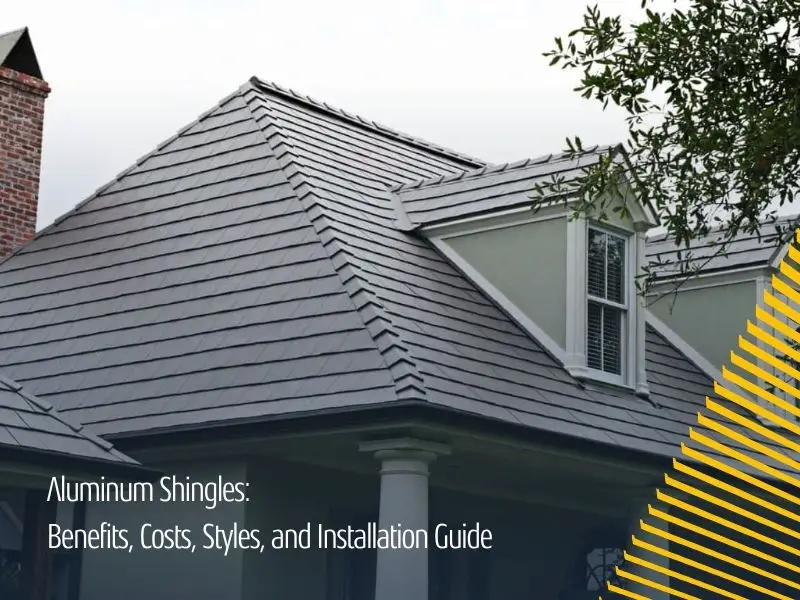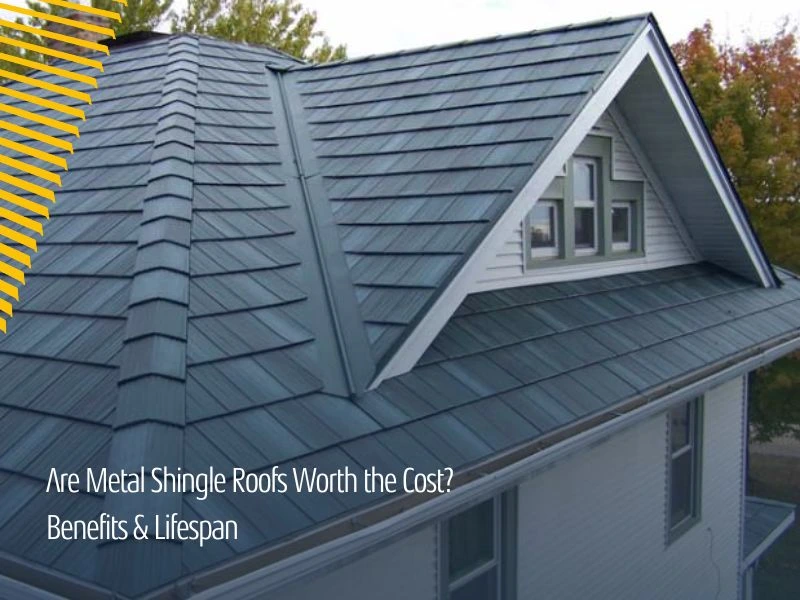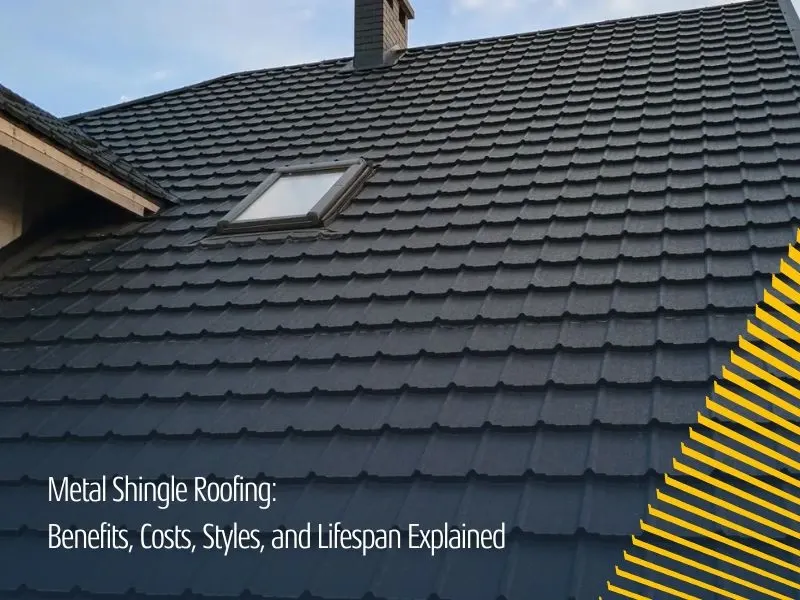
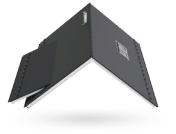



Aluminum shingles are a durable, lightweight metal roofing system designed to mimic traditional shingles while offering superior weather resistance, longevity of 50 plus years, and strong energy efficiency. Made from recyclable aluminum, they resist rust, fire, hail impacts, and high winds, making them ideal for harsh climates such as coastal or snowy regions. Aluminum shingles reflect solar heat to reduce cooling costs and are available in a wide range of colors and profiles to match different architectural styles.
What are the benefits of aluminum roofing?
Aluminum roofing offers excellent durability, corrosion resistance, energy efficiency, and low maintenance. It performs well in extreme weather, resists rust even in coastal environments, and lasts significantly longer than many traditional roofing materials.
What is the meaning of aluminum roofing?
Aluminum roofing refers to roofing systems made primarily from aluminum, including panels or shingles. These systems use aluminum as the main structural material because it is lightweight, strong, and naturally resistant to corrosion.
Are aluminum shingles good?
Yes, aluminum shingles are considered a high quality roofing option. They combine the appearance of traditional shingles with the strength and longevity of metal, offering strong protection, long lifespan, and improved energy performance.
What are the benefits of metal shingles?
Metal shingles provide durability, fire resistance, impact resistance, and long service life. They are lighter than many roofing materials, help improve energy efficiency, and often increase a home’s resale value.
Aluminum shingles are gaining attention as homeowners look for roofing solutions that combine durability, performance, and visual appeal. Designed to replicate the look of traditional shingles, aluminum shingles deliver the advantages of metal roofing without sacrificing aesthetics. They are especially popular in regions with harsh weather, where long term protection is a priority.
Unlike asphalt products, aluminum shingles do not rot, crack, or rust. Their lightweight nature reduces stress on the home’s structure, while their reflective properties improve energy efficiency. As more homeowners explore premium roofing options, aluminum shingles continue to stand out as a practical and forward looking choice.
Expert Insight on Aluminum Shingles
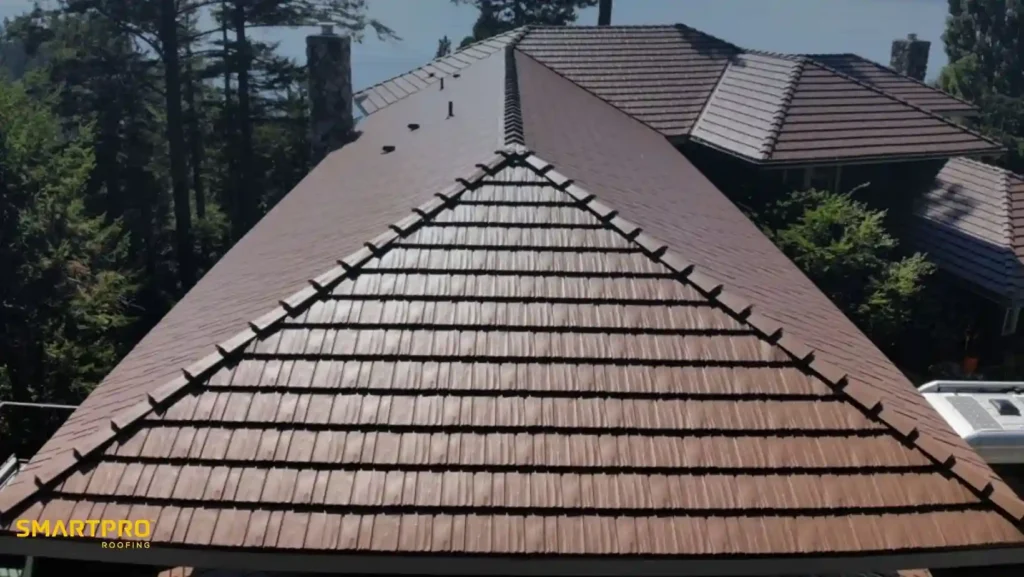
According to the U.S. Department of Energy, metal roofing systems such as aluminum shingles can significantly reduce cooling demand by reflecting solar radiation, helping lower energy use in residential buildings.
Source: https://www.energy.gov/energysaver/cool-roofs
The Federal Emergency Management Agency also recognizes metal shingles for their strong wind and impact resistance, making them suitable for hurricane and storm prone regions.
Source: https://www.fema.gov/emergency-managers/risk-management/building-science
What Are Aluminum Shingles
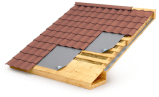
Aluminum shingles are individual metal roofing units manufactured from aluminum sheets. They are stamped or formed into shapes that resemble wood shake, slate, or traditional asphalt shingles. Once installed, they create a continuous protective roofing system.
Each shingle interlocks with adjacent pieces, forming a secure surface that resists wind uplift and water penetration. Aluminum shingles are typically coated with high performance finishes that enhance color durability and protect against UV exposure.
Benefits of Aluminum Shingles
One of the most notable benefits of aluminum shingles is corrosion resistance. Aluminum does not rust, making it ideal for coastal environments where salt air can degrade other roofing materials. This resistance significantly extends roof life.
Aluminum shingles are also fire resistant and impact resistant. They can withstand hail and flying debris better than many conventional roofing options. Their reflective surface helps reduce heat absorption, contributing to lower cooling costs during hot seasons.
Durability and Lifespan of Aluminum Shingles
Aluminum shingles are known for exceptional longevity. Many systems are designed to last 50 years or more with minimal maintenance. This extended lifespan reduces the frequency of roof replacement, saving homeowners money over time.
Because aluminum does not crack or warp under temperature changes, it maintains structural integrity through freeze and thaw cycles. This makes aluminum shingles a strong option for both cold climates and regions with intense heat.
Energy Efficiency and Performance
Energy efficiency is a key advantage of aluminum shingles. Their reflective coatings reduce the amount of solar heat absorbed by the roof, keeping interior spaces cooler. This can translate into reduced air conditioning use and lower energy bills.
In colder climates, aluminum shingles can also support effective insulation systems. When paired with proper underlayment and attic insulation, they help maintain consistent indoor temperatures year round.
Styles and Design Options
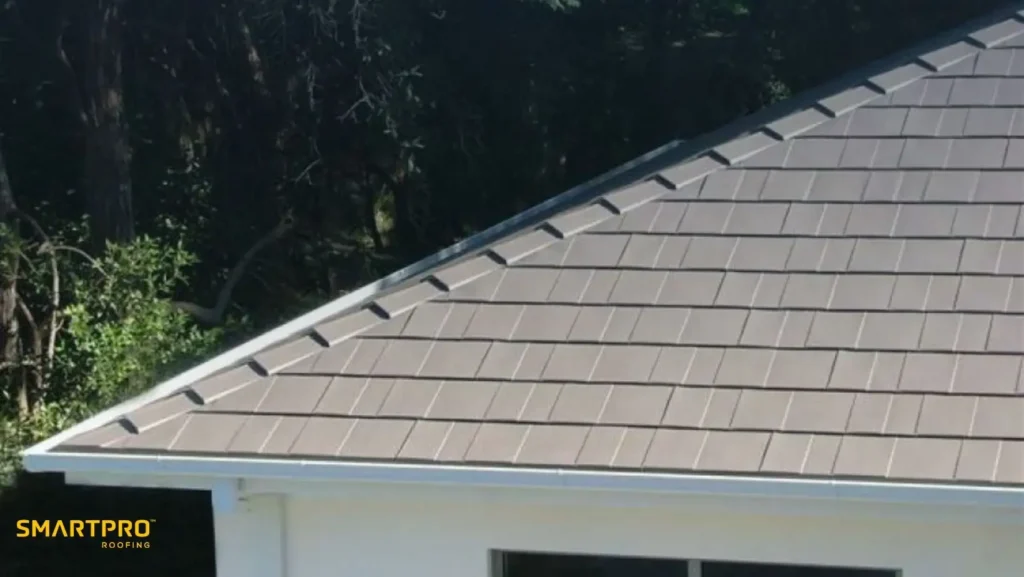
Aluminum shingles are available in a wide range of styles to complement different architectural designs. Homeowners can choose profiles that resemble slate, cedar shake, or classic shingle patterns. This versatility allows aluminum shingles to fit both modern and traditional homes.
Color options are extensive, with finishes engineered to resist fading. Textured surfaces and matte coatings add depth and character, ensuring that aluminum shingles enhance curb appeal as well as performance.
Aluminum Shingles vs Asphalt Shingles
Compared to asphalt shingles, aluminum shingles offer superior longevity and weather resistance. Asphalt roofs often need replacement every 20 to 25 years, while aluminum systems can last more than twice as long.
Aluminum shingles also weigh less than asphalt, reducing structural load. While the upfront cost of aluminum shingles is higher, their long lifespan and lower maintenance needs often result in better long term value.
Cost of Aluminum Shingles
The cost of aluminum shingles depends on factors such as roof size, shingle style, finish quality, and installation complexity. On average, aluminum shingles are considered a premium roofing material with a higher initial investment.
However, when evaluating lifetime cost, aluminum shingles can be more economical due to reduced maintenance, energy savings, and extended service life. SmartQuote allows homeowners to view exact pricing for aluminum shingles online and compare them with other roofing options in minutes.
Installation Process for Aluminum Shingles
Proper installation is essential to ensure the performance of aluminum shingles. The process typically begins with removing the old roofing material and inspecting the roof deck. A high quality underlayment is installed to provide moisture protection.
Shingles are then installed in overlapping rows, secured with fasteners designed for metal roofing. Flashing and trim components complete the system, ensuring watertight transitions around edges and penetrations.
Maintenance and Care
Aluminum shingles require minimal maintenance compared to many other roofing materials. Periodic inspections and cleaning to remove debris are usually sufficient to keep the roof in good condition.
Because aluminum resists corrosion and does not support mold growth, long term upkeep is straightforward. Occasional checks after severe storms help ensure fasteners and flashing remain secure.
Performance in Harsh Climates
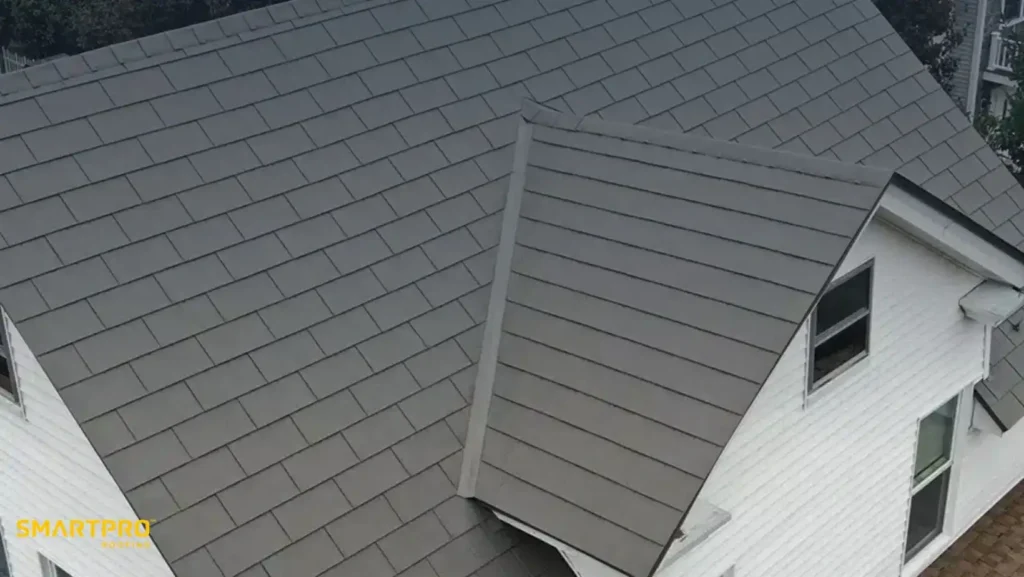
Aluminum shingles perform exceptionally well in harsh climates. In coastal areas, their resistance to salt corrosion makes them a preferred option. In snowy regions, their smooth surface helps shed snow and ice more easily.
High wind ratings make aluminum shingles suitable for hurricane prone areas. Their interlocking design helps prevent uplift, providing peace of mind during severe weather events.
Environmental Benefits of Aluminum Shingles
Aluminum shingles are an environmentally responsible roofing choice. Aluminum is recyclable, and many shingles are manufactured using recycled content. At the end of their service life, aluminum shingles can be recycled rather than sent to landfills.
Their energy efficient performance also reduces overall energy consumption, contributing to lower greenhouse gas emissions over time.
Is Aluminum Shingle Roofing Right for Your Home
Choosing aluminum shingles depends on your priorities, climate, and long term goals. Homeowners seeking durability, energy efficiency, and low maintenance often find aluminum shingles to be an excellent fit.
Architectural style, budget, and local building requirements also play a role. Using SmartQuote makes it easy to explore aluminum shingle options and see how they align with your home and budget before committing.
Planning Your Aluminum Shingle Roof Project
Planning ahead ensures a smooth roofing project. Consider timing, material selection, and contractor expertise. Aluminum shingles require precise installation, so working with experienced professionals is essential.
SmartQuote provides a transparent, online way to plan your aluminum shingle roof replacement. Homeowners can review materials, pricing, and project details without in person sales meetings.
Key Takeaways
Aluminum shingles combine the appearance of traditional shingles with the strength of metal roofing
They offer excellent durability, corrosion resistance, and long lifespan
Reflective surfaces improve energy efficiency and reduce cooling costs
A wide range of styles and colors allows strong design flexibility
Although upfront costs are higher, long term value is often greater
Proper installation ensures performance in harsh climates
Get Started with Your Roof Today
Ready to see exactly what your roof replacement will cost and buy it entirely online without the sales pitch? Get your free SmartQuote today!