



For Florida flat roof maintenance, focus on consistent inspections at least twice a year and after major storms, keep drains and gutters clear to prevent ponding water, trim nearby trees to reduce debris buildup, address flashing and seam issues quickly, and consider reflective or protective roof coatings to fight intense sun and humidity. Proper ventilation and insulation are also essential to extend roof life and prevent mold and moisture problems, according to roofing best practices highlighted by Recon Roofing and Quality Roofing Solutions.
Are flat roofs good in Florida?
Yes, flat roofs are common in Florida, especially on modern homes and commercial buildings. They work well in warm climates when properly designed and maintained, but they require regular care to handle heavy rain, humidity, and strong sun.
What maintenance does a flat roof need?
Flat roof maintenance includes regular inspections, clearing drains and gutters, checking seams and flashing, repairing small cracks early, managing debris, and applying protective coatings when needed.
What is the 25 rule in Florida for roofing?
Florida’s 25 percent rule generally requires that if more than 25 percent of a roof section is repaired or replaced within a 12 month period, the entire roof section must be brought up to current building code standards.
How to insulate a flat roof in Florida?
Flat roofs in Florida are typically insulated with rigid foam insulation installed above or below the roof deck. Proper insulation helps control heat gain, manage moisture, and improve overall energy efficiency.
Flat roof maintenance is especially important in Florida, where intense sunlight, high humidity, heavy rain, and seasonal storms put constant stress on roofing systems. While flat roofs offer a clean, modern look and efficient use of space, they are less forgiving than sloped roofs when maintenance is neglected.
This guide explains how Florida homeowners and property managers can protect their flat roofs through proactive care. You will learn what to inspect, how often to maintain your roof, and which preventive steps can significantly extend its lifespan. With the right flat roof maintenance plan and tools like SmartQuote, planning repairs or replacements becomes clearer and more predictable.
Expert Insight on Flat Roof Performance in Hot and Humid Climates
According to the U.S. Department of Energy, roofs in hot and humid regions benefit significantly from reflective surfaces and proper insulation, which help reduce heat gain and moisture related damage. Their guidance on cool and low slope roofing systems emphasizes regular inspections and surface protection as key factors in extending roof life.
Why Flat Roof Maintenance Matters in Florida
Flat roof maintenance is not optional in Florida. The climate accelerates wear and tear through constant UV exposure, frequent rainstorms, and long periods of high humidity. Without regular attention, small issues like clogged drains or minor membrane cracks can quickly turn into costly leaks and structural damage.
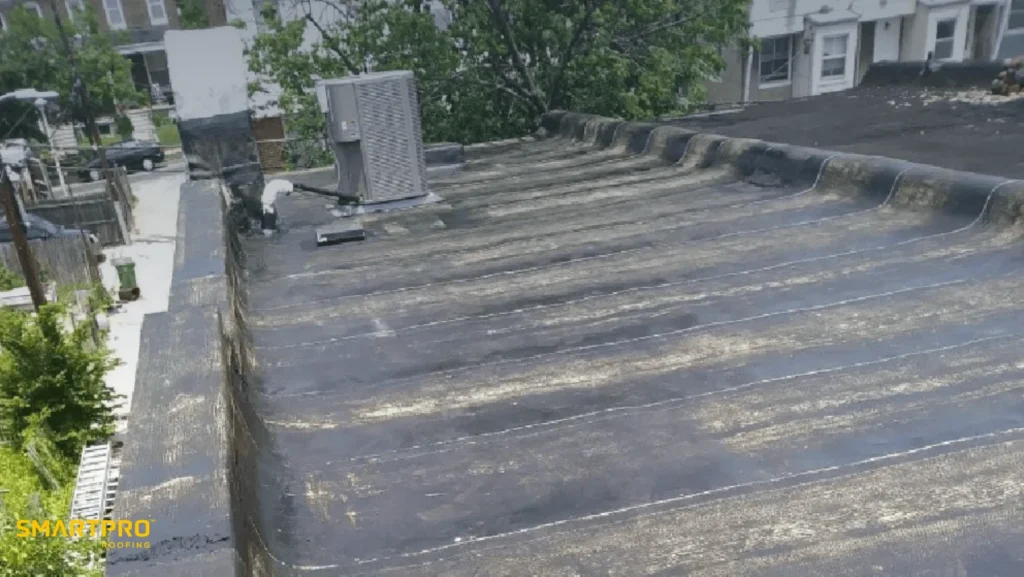
Florida flat roofs are especially vulnerable to ponding water. Because flat roofs do not shed water as easily as pitched roofs, standing water can weaken the roofing membrane, stress seams, and lead to interior leaks. Routine maintenance helps catch these issues early before they compromise the entire roof system.
Another reason flat roof maintenance is critical is compliance. Florida building codes are strict, and failing to maintain your roof can lead to complications during insurance claims or inspections after storms.
How Often Should You Inspect a Flat Roof in Florida?
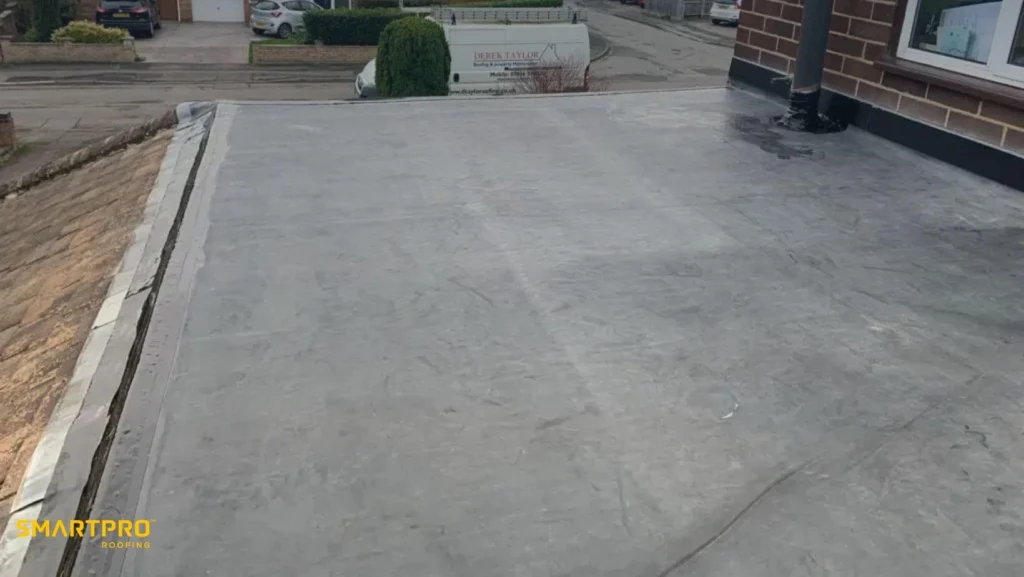
Flat roof maintenance should begin with a consistent inspection schedule. In Florida, experts recommend inspecting a flat roof at least twice a year, typically in the spring and fall. These inspections help identify damage caused by summer storms or winter temperature shifts.
In addition to scheduled inspections, it is essential to check your flat roof after major weather events. Hurricanes, tropical storms, and heavy downpours can loosen flashing, puncture membranes with debris, or clog drainage systems. A quick post storm inspection can prevent hidden damage from becoming a major repair.
Using SmartQuote allows homeowners to document roof conditions and plan inspections or repairs with a clear understanding of potential costs, helping turn maintenance into a predictable process rather than a surprise expense.
Keeping Drains and Gutters Clear
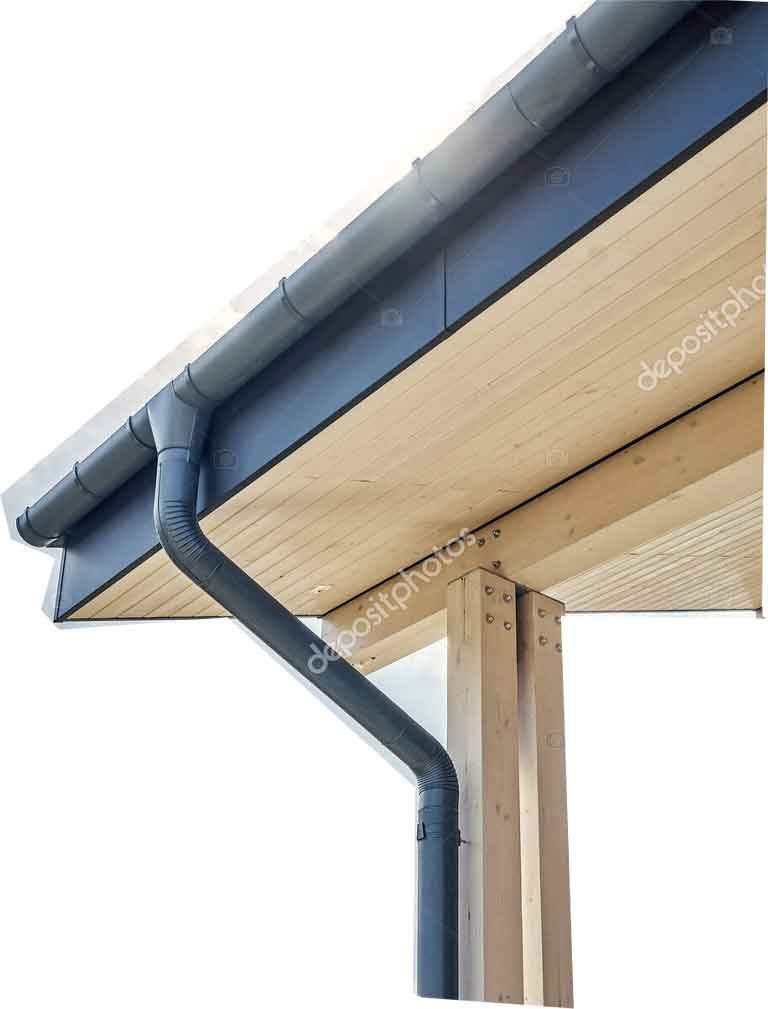
One of the most important aspects of flat roof maintenance is drainage. Florida’s frequent rainstorms can overwhelm flat roofs if drains and gutters are blocked. Leaves, palm fronds, dirt, and debris can quickly accumulate and prevent proper water flow.
Standing water that remains on a flat roof for more than 48 hours can accelerate membrane deterioration. Over time, this increases the risk of leaks and structural damage. Regularly clearing drains and scuppers is one of the simplest and most effective maintenance tasks.
Homeowners should visually check drains monthly during the rainy season. If you are unsure about the condition of your drainage system, SmartQuote can help you plan a professional inspection and get transparent pricing online.
Managing Debris and Nearby Trees
Florida’s lush landscaping is beautiful, but it creates challenges for flat roof maintenance. Overhanging branches drop leaves and organic debris that can clog drains and hold moisture against the roof surface.
Trimming trees away from the roof reduces debris buildup and minimizes the risk of branches damaging the roofing membrane during storms. Organic matter left on a flat roof can trap moisture, encouraging mold and accelerating material breakdown.
Regular roof cleaning as part of flat roof maintenance helps maintain surface integrity and makes inspections more effective. A clean roof allows small cracks, blisters, or seam issues to be spotted early.
Inspecting Seams, Flashing, and Penetrations
Seams and flashing are among the most vulnerable areas on a flat roof. Florida’s heat causes roofing materials to expand, while cooler nights and rain cause contraction. Over time, this movement stresses seams and flashing around vents, HVAC units, and skylights.
Flat roof maintenance should always include checking these areas for gaps, lifting, or cracking. Even small separations can allow water intrusion during heavy rainstorms.
Promptly addressing seam and flashing issues is far less expensive than dealing with interior water damage. With SmartQuote, homeowners can explore repair options and costs online before issues escalate into emergency repairs.
Protecting Flat Roofs from Florida’s Intense Sun
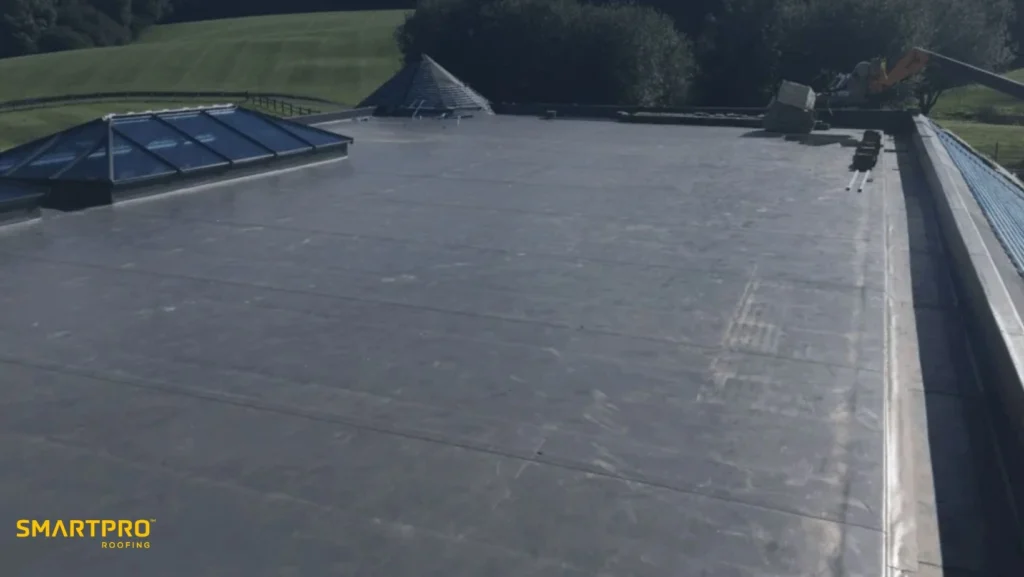
Sun exposure is one of the biggest threats to flat roofs in Florida. Constant UV radiation can dry out membranes, cause cracking, and reduce flexibility over time.
Protective roof coatings are a valuable part of flat roof maintenance. Reflective coatings help reduce surface temperatures, minimize UV damage, and improve overall roof performance. These coatings can also enhance energy efficiency by lowering indoor cooling demands.
Applying a coating at the right time can extend the life of a flat roof by several years. SmartQuote makes it easy to compare coating options and see exact pricing online, helping homeowners decide if this preventive step fits their budget.
Preventing Mold and Moisture Issues
Humidity is a constant concern in Florida. Flat roof maintenance must address not only exterior protection but also moisture control within the building.
Poor ventilation can trap moisture beneath the roof deck, leading to mold growth and insulation damage. Ensuring proper airflow and addressing any signs of condensation are essential for long term roof health.
Interior signs like musty odors, ceiling stains, or increased indoor humidity can indicate flat roof issues. Early intervention prevents more serious structural problems and protects indoor air quality.
Insulation and Ventilation for Flat Roofs
Proper insulation plays a major role in flat roof maintenance. In Florida, insulation helps reduce heat transfer into the building and supports energy efficiency year round.
Rigid foam insulation is commonly used for flat roofs because it resists moisture and maintains performance in humid conditions. Insulation must be properly installed to avoid gaps that can lead to condensation and reduced effectiveness.
Ventilation works alongside insulation to manage heat and moisture. Together, these systems protect the roofing membrane and extend the roof’s service life. SmartQuote allows homeowners to explore insulation and ventilation upgrades as part of a complete roof plan.
Addressing Small Repairs Before They Grow
One of the biggest mistakes property owners make is delaying minor flat roof repairs. Small punctures, blisters, or cracks may seem insignificant, but Florida’s weather can quickly turn them into major leaks.
Flat roof maintenance should prioritize quick repairs. Addressing issues early reduces repair costs and helps maintain compliance with building codes and insurance requirements.
Planning repairs in advance using SmartQuote helps homeowners avoid rushed decisions and understand pricing clearly without pressure.
Planning Long Term Flat Roof Maintenance
Flat roof maintenance is not a one time task. It is an ongoing process that protects your investment and reduces the likelihood of premature replacement.
Creating a maintenance schedule that includes inspections, cleaning, minor repairs, and periodic coatings helps extend roof life and improve performance. Keeping records of inspections and repairs is also valuable for insurance and resale purposes.
With tools like SmartQuote, homeowners can plan future maintenance, compare options, and budget confidently, all through a fully online experience.
Key Takeaways
- Flat roof maintenance is essential in Florida due to sun, rain, and humidity
- Inspect flat roofs at least twice a year and after major storms
- Keep drains and gutters clear to prevent ponding water
- Trim trees and remove debris regularly
- Check seams and flashing for early signs of damage
- Use reflective coatings to protect against UV exposure
- Ensure proper insulation and ventilation to control moisture
- Address small repairs quickly to avoid costly damage
Get Started with Your Roof Today
Ready to see exactly what your flat roof maintenance, repair, or replacement will cost and buy it entirely online without the sales pitch? Get your free SmartQuote today in just minutes through SmartPRO Roofing’s online platform.
With SmartQuote, you can explore flat roof options, compare pricing, and plan maintenance with clarity and confidence.
Related Reading: