



Tile roofs are a highly effective and popular choice for Florida’s climate because they are designed to manage high humidity and heavy rainfall well. Their material properties, combined with a critical waterproof underlayment system, allow them to shed water efficiently and resist moisture intrusion.
How to waterproof a tiled roof?
Waterproofing a tiled roof involves ensuring the underlayment beneath the tiles is intact, sealed and properly installed. Contractors typically replace or reinforce the underlayment, seal penetrations, repair flashing and apply tile-safe roof coatings where appropriate. The tiles themselves are not watertight; the underlayment is the main waterproofing layer.
What is the best waterproof roof tile?

Concrete and clay tiles both perform well in humid and rainy climates. Clay tiles offer excellent natural water resistance and longevity, while concrete tiles provide strong impact resistance and consistent moisture performance. In both cases, effectiveness depends more on proper installation and underlayment quality than tile selection alone.
What is the best sealant for a tile roof?
Silicone or polyurethane-based sealants are typically preferred for tile roofs because they remain flexible, resist UV exposure and maintain adhesion in hot, humid conditions. These sealants are often used around flashing, vents and ridges rather than being applied across the entire roof surface.
Which waterproofing is best for a roof?
For tile roofing systems, the best form of waterproofing is a high-quality, properly installed underlayment. Synthetic underlayments and peel-and-stick membranes offer excellent moisture protection and durability in Florida’s climate.
Expert Insight
According to the Florida Division of Emergency Management, high-performance underlayments significantly increase a roof’s ability to resist water intrusion during wind-driven rain events, making them a critical component for homes in storm-prone regions.
Florida’s climate brings relentless humidity, frequent heavy rainfall and hurricane-season wind that can challenge any roof. Homeowners often choose tile roofing because of its durability, energy efficiency and ability to handle extreme moisture conditions. Yet tile roof waterproofing is commonly misunderstood. Tiles are not designed to be fully waterproof by themselves; rather, their job is to shed water efficiently while the underlying system provides the actual moisture barrier. Understanding how a tile roof manages water, humidity and storm exposure is essential when maintaining or replacing your roof.
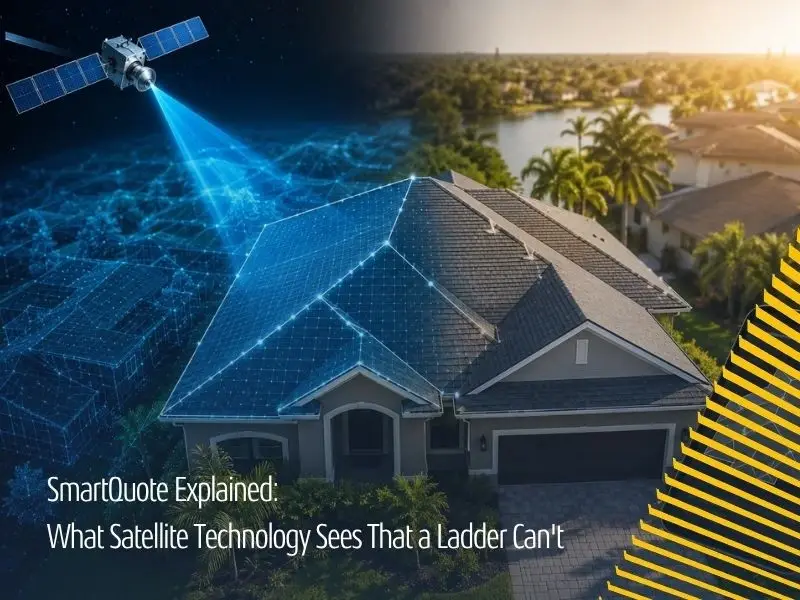
With SmartQuote, homeowners can also explore pricing for tile roof underlayment replacement, repairs or full installation in minutes through an online, transparent platform. Get a free SmartQuote anytime at.
How Tile Roof Waterproofing Works in Humid and Rainy Climates
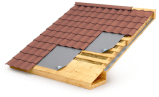
Tile roofs in Florida rely on a two-part approach. The tiles shed water, while the underlayment blocks moisture from penetrating the structure. This system is especially effective in climates where daily thunderstorms, tropical moisture and high humidity are normal. Clay and concrete tiles naturally resist water absorption, but they are not watertight. Gaps between tiles allow wind-driven rain to pass through, which is why the waterproofing membrane beneath is essential.
Because tiles are elevated slightly above the roof deck, air can circulate beneath them, helping the system dry quickly after rain. This ventilation prevents moisture buildup and reduces mold risk even during rainy seasons. When paired with high-quality flashing around valleys, chimneys and roof edges, this arrangement creates a long-lasting moisture defense.
Why Underlayment Is the True Waterproofing Layer

The underlayment plays the most important role in tile roof waterproofing. In Florida, synthetic underlayments and peel-and-stick membranes have replaced traditional felt because they offer far greater resistance to humidity, heat and roof deck expansion. These materials form a reliable barrier that prevents rainwater from entering the home even when tiles crack, shift or lift slightly during strong winds.
Peel-and-stick membranes bond directly to the deck, sealing around nails and fasteners to prevent leaks. Synthetic underlayments provide stronger tear resistance and better performance in long-term high-heat environments. Since tiles can last decades, the underlayment must also be durable enough to match this lifespan.
Many homeowners who receive a SmartQuote discover that replacing underlayment, rather than the entire roof system, is often the most cost-effective solution to waterproofing concerns.
How Tile Roofs Resist Humidity
Florida’s humidity presents challenges that tile roofs handle well. Clay and concrete tiles are dense materials that do not break down from moisture exposure. Their natural porosity allows minimal water absorption, which dries quickly in Florida’s warm climate.
Humidity alone does not damage tiles, but it can deteriorate the roof deck or underlayment if moisture gets trapped beneath the tiles. This is why proper ventilation and breathable underlayments are essential. A well-designed tile roof allows moisture to escape instead of condensing under the tiles.
Another advantage is that tile surfaces do not support mold or mildew growth easily. While algae may appear in humid climates, it does not compromise structural performance. Regular cleaning and routine inspection help maintain appearance and performance.
How Tile Roofs Handle Heavy Rain and Storm Conditions
Florida’s wet season brings sudden downpours and wind-driven rain. Tile roofs excel at managing heavy water flow because their overlapping installation creates natural channels for water to travel down the slope. Tiles are also heavier than most roofing materials, reducing the likelihood of uplift during strong winds.
However, water can still move beneath the tiles during storms. Proper flashing, fascia seals, valley metal and the waterproof underlayment ensure the roof remains watertight. A tile roof with strong anchoring and hurricane-rated installation practices will perform significantly better in severe weather compared to lighter materials like asphalt shingles.
Homeowners using SmartQuote can quickly compare repair or re-underlayment costs for storm-related roof issues without needing an on-site sales appointment.
The Role of Flashing in Tile Roof Waterproofing
Flashing is a key part of waterproofing a tile roof, especially in Florida. Because rainstorms often deliver water horizontally or diagonally, flashing ensures vulnerable points remain sealed. Areas such as valleys, skylights, chimneys, walls and roof penetrations depend heavily on properly installed metal flashing.
If flashing is compromised, leaks are likely to develop even when tiles appear intact. High-quality flashing materials, such as corrosion-resistant metals, provide long-term durability in Florida’s salty coastal air. Contractors often apply sealants around flashing to reinforce waterproofing, but sealant alone should never replace properly installed metal channels.
Common Causes of Tile Roof Leaks in Florida
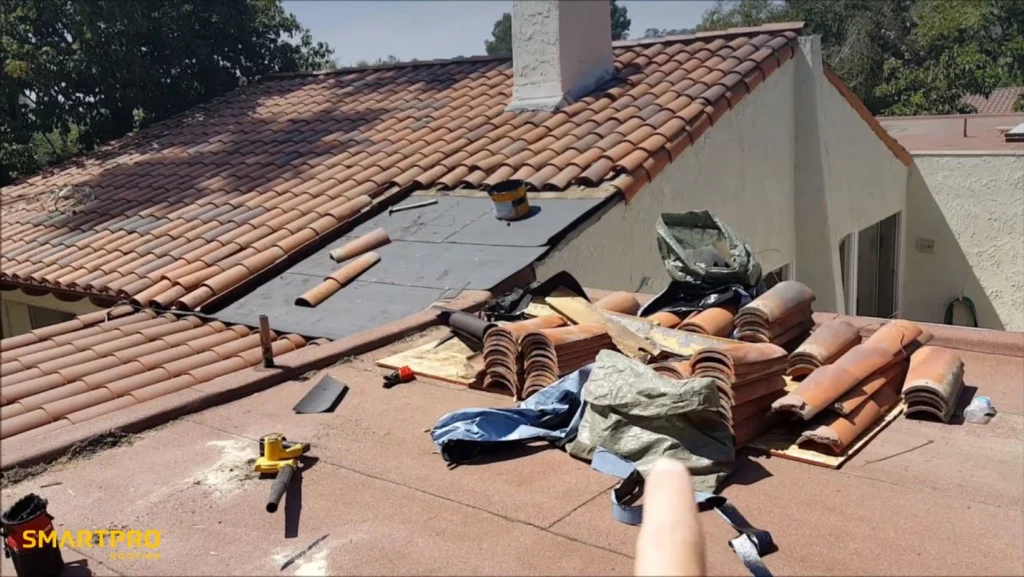
Even though tile roofs are durable, several factors can lead to leaks. Understanding these issues helps homeowners maintain their roof effectively.
- Cracked or displaced tiles
Tiles can crack from impact or shift from wind pressure. Even if water does not penetrate the tile itself, displaced sections allow more moisture to reach the underlayment. - Aging underlayment
Underlayments deteriorate faster than tiles. When they lose elasticity or adhesion, leaks form even if the tiles above look perfect. - Faulty flashing
Improper installation or corrosion can cause flashing to fail, which is a leading cause of roof leaks in Florida. - Clogged water channels
Debris buildup slows water flow and can lead to moisture trapped beneath tiles.
SmartQuote allows homeowners to get quick pricing for underlayment replacement, tile repair or full roof evaluation.
Tile Roof Coatings and Whether You Need Them
Unlike metal or flat roofs, tile roofs rarely require full-surface waterproof coatings. However, tile-safe sealants or breathable coatings may be applied for specific concerns like color preservation, minor porosity reduction or surface protection.
Florida’s humidity makes breathable coatings more important. Non-breathable coatings can trap moisture and accelerate underlayment deterioration. A professional should evaluate whether a coating will benefit your specific roof system.
Sealants, on the other hand, are often applied at roof penetrations and flashing points to strengthen waterproofing performance.
How Long Tile Roof Waterproofing Lasts in Florida
Tile roofs can last 30 to 50 years or more, but the waterproofing layer beneath often needs replacement every 15 to 25 years depending on material quality and climate exposure. Synthetic underlayments extend this lifespan significantly compared to older felt products.
The lifespan is influenced by:
- Roof slope
- Tile type
- Installation quality
- Ventilation
- Exposure to storms
- Underlayment thickness
A SmartQuote can help homeowners compare the cost of re-underlayment versus full replacement, making budgeting much easier.
Maintenance Tips to Improve Waterproofing Performance
Routine maintenance helps tile roofs perform well in Florida’s humid and rainy weather. Homeowners should schedule inspections after major storms and at least once annually.
Recommended practices include:
- Removing leaves and debris to prevent water channel blockage
- Inspecting tiles for cracks or shifting
- Cleaning algae or mildew to maintain appearance
- Checking flashing and sealants for deterioration
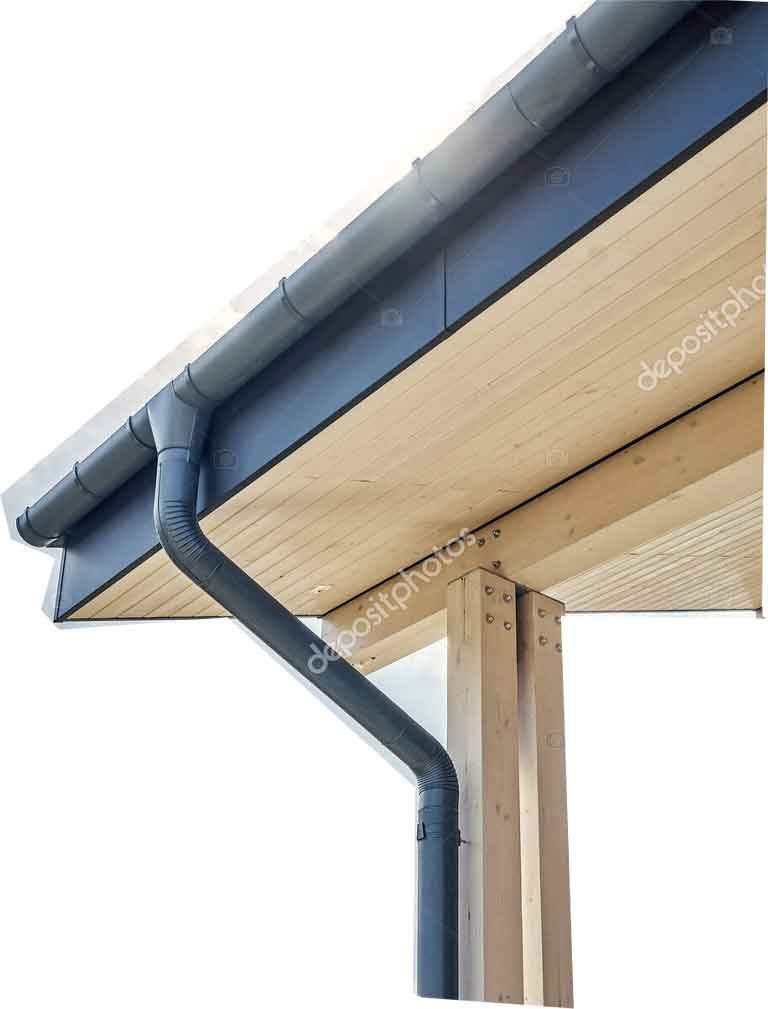
- Verifying that gutters drain water effectively
These steps maintain the waterproofing system and extend overall roof life.
When Tile Roof Replacement Is Better Than Repair
Sometimes roof repairs are not enough to guarantee waterproof protection. Full or partial replacement is recommended when:
- Underlayment is heavily deteriorated
- Flashing is corroded or incorrectly installed
- Tiles are widespreadly cracked or unstable
- Water intrusion has affected the roof deck
A full re-underlayment project keeps existing tiles but replaces the waterproofing system beneath them. This approach is more affordable and often sufficient to restore long-term waterproofing.
Conclusion: Why Tile Roof Waterproofing Matters in Florida
Tile roofs are exceptionally well-suited for Florida because they shed water efficiently, resist humidity, withstand storms and provide decades of durability. However, their performance relies heavily on the underlayment and flashing beneath the tiles. Proper waterproofing, installation and maintenance ensure long-term protection for your home.
Understanding how tile roof waterproofing works empowers homeowners to make better decisions about upkeep, repairs and replacement planning. With tools like SmartQuote, you can explore transparent pricing and project options online at any time.
Get Started With Your Roof Today
Ready to see exactly what your tile roof project will cost and buy it online without the sales pitch? Get your free SmartQuote today in just minutes.
Related Reading: