


Metal roof colors such as white, light gray, and sandstone reflect heat best, making them the most energy-efficient options for hot climates. Metal roof colors range from classic neutrals like gray and beige to vibrant blues and reds, with metallic finishes also available. Popular choices include charcoal gray, white, sandstone, and bronze. Color selection can be based on energy efficiency (lighter colors reflect more heat), architectural style, and regional availability.
What color metal roofs are there?
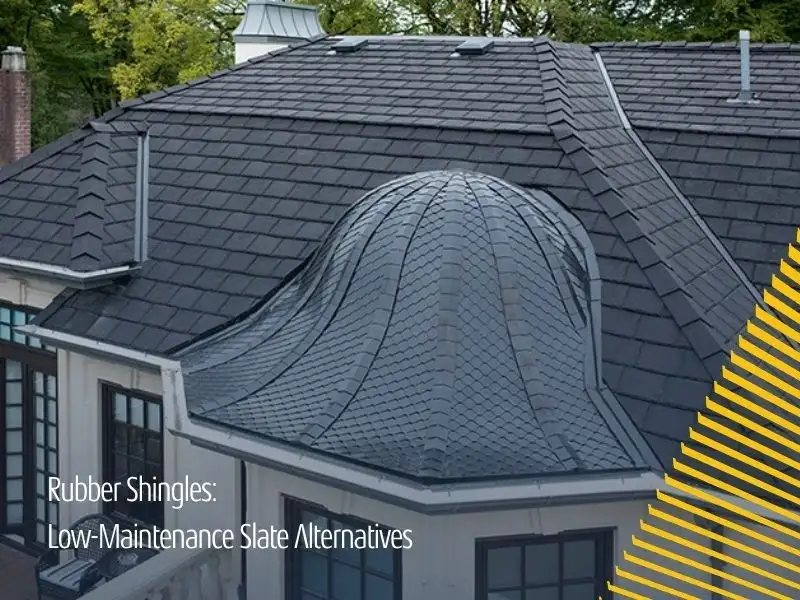
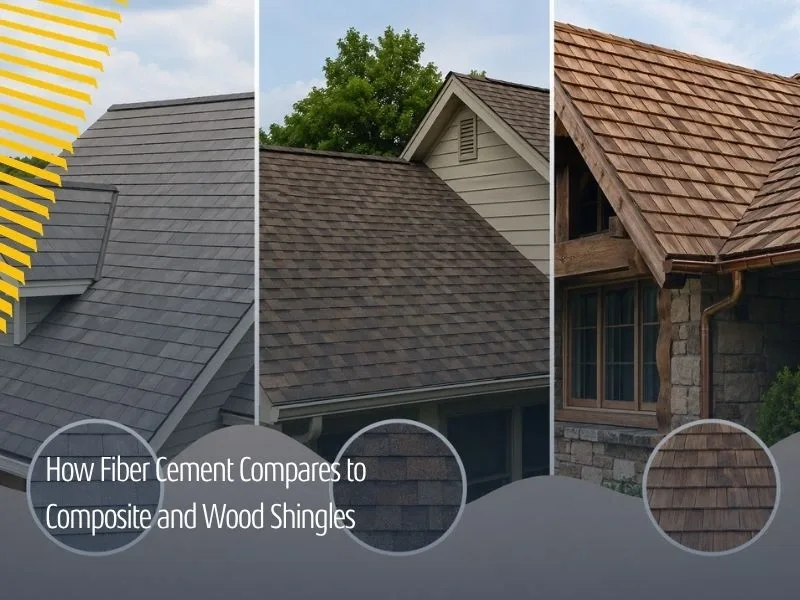
Metal roofs are available in a wide range of colors including neutrals such as charcoal, slate gray, beige and tan; lighter colors like white, cream and light gray; and bold tones like red, blue, green and bronze. Finishes can include metallic or “stone-coated” textures that mimic tile or cedar shake while retaining metal durability.
What is the most common roof color?
In many residential settings the most common roof color tends to be shades of gray or charcoal, because those colors suit a wide range of architectural styles and weather patterns. Among metal roofing the mid-tone grays are popular because they balance style and practicality.
What is the color of tin metal?
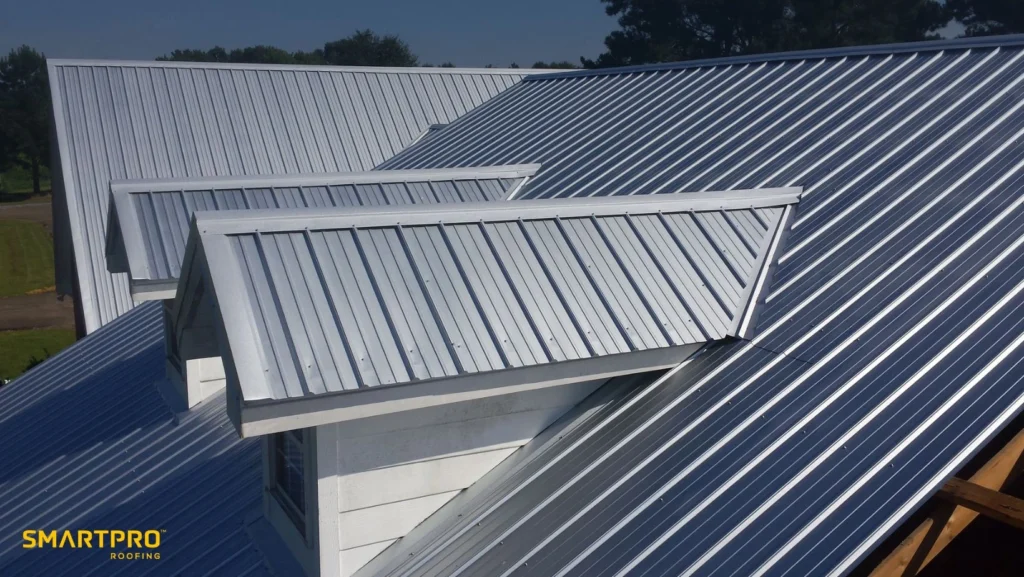
Tin metal naturally appears in a metallic silver-gray hue, often described as galvanised steel. Over time, if uncoated or untreated, exposure can develop a weathered gray patina. Modern metal roof panels that mimic that tin look may be finished in metallic gray or silver.
What are the colors of timeless metal roofs?
Timeless metal roof colors include classic white (especially in hot climates for reflectivity), charcoal or slate for versatility, bronze or copper for premium aesthetics, and sandstone or clay-tone for homes with southwestern or Mediterranean style. These colors endure style trends and remain popular across decades.
According to the U.S. Department of Energy: “A high solar reflectance, or albedo, is the most important characteristic to understand in terms of how well a cool roof reflects heat from the sun.” EPA
This means metal roof color choice plays a critical role in controlling heat gain and energy use.
Introduction
When you install a metal roof, color choice is not just a matter of curb appeal it has a measurable impact on how much heat your home absorbs or reflects. In Florida’s intense sunlight, choosing the right metal roof color can make a real difference in indoor comfort and energy use. Lighter colors like white and light gray reflect more solar energy, keeping attic spaces cooler and reducing air conditioning demand. Meanwhile, darker shades can still perform well with high-reflectivity coatings.
In this article, we’ll explain how different metal roof colors reflect heat, which options work best for Florida’s climate, and how coatings and pigments influence performance. You’ll also learn how to use SmartQuote to compare materials, finishes, and costs online, so you can choose the right balance of energy savings and aesthetics for your home.
How Color Affects Heat Reflection in Metal Roofs
Color affects how much solar energy your roof absorbs or reflects. Lighter colors tend to reflect more of the sun’s rays, while darker tones absorb more heat. But for metal roofs especially, the roof material beneath the paint and its coatings also affect performance.
Research shows that light-colored metal roofs with high reflectivity coatings can significantly reduce heat flow into the attic and home. In hot climates like Florida choosing a color with higher solar reflectance can lower cooling demands.
That said, darker hues are not automatically poor choices. With modern coatings and metallic pigments even darker metal roof colors can achieve “cool roof” performance. So your color choice should weigh style alongside performance.
Popular Metal Roof Colors and Their Heat Reflective Qualities
Popular metal roof colors include white, light gray, charcoal, bronze, copper and red. Among those:
- White and very light grays score highest in reflectivity, they bounce much of the sun’s heat away.
- Mid-tone grays and stone-colors offer a balance of style and performance.
- Bronze, copper and darker metals may absorb more heat, but when combined with reflective coatings or ventilation their performance can approach lighter colors.
If “reduce energy costs” is a goal, prioritize lighter colors or premium coatings. If style is your primary driver, use a color with proven reflectivity values to offset the extra heat absorption. SmartQuote allows you to compare cost for different color-coated metal panels instantly.
Why Light Colors Reflect More Heat and Why That Matters
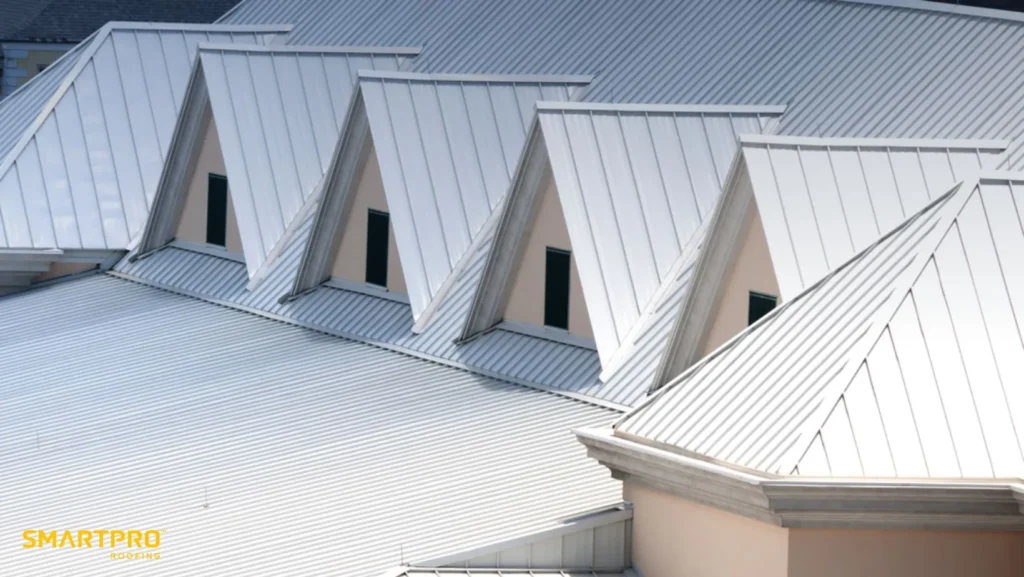
Light colors reflect more visible and near-infrared light. That matters because in warm climates the roof can act like a large solar collector if it absorbs heat. A metal roof in a darker color may make the roof surface much hotter, raising attic temperatures and potentially increasing cooling loads.
The DOE notes that cool roofs can reduce roof surface temperatures by more than 50°F compared to conventional roofs.
By choosing a metal roof color with high reflectance, you reduce heat transfer into the building, help the roof system last longer and improve indoor comfort.
The Role of Coatings and Pigments in Metal Roof Color Performance
Color alone doesn’t tell the full story. The paint system, pigments and coatings used on a metal roof significantly influence its performance. Light colors tend to reflect more visible light, but coatings can be formulated to reflect near infrared (NIR) rays too. Some metal roof panels with darker pigment but “cool roof” coatings perform nearly as well as lighter colors in reflecting heat.
When evaluating colors, look for solar reflectance index (SRI) or solar reflectance values provided by the manufacturer. Even if you choose bronze or slate tones, a metal roof with high-performance pigment and coating can still deliver substantial reflectivity. SmartQuote can help you compare color-coated options and their specs online.
Architectural Style, Color Trends and Regional Considerations
Choosing a metal roof color should also account for your home’s architecture and Florida’s regional climate. A coastal home may benefit more from lighter tones that reduce solar heat, whereas an inland home in shade may tolerate mid-tones.
Architecturally, certain colors align better with styles, bronze or copper for historic homes, slate or charcoal for modern designs, white or cream for minimalist aesthetics.
Availability also matters, some colors or finishes may take longer to deliver or cost more. SmartQuote allows you to assess cost differences by color and finish immediately.
Maintenance and Aging: Does Color Fade or Change Performance?
Over time, metal roof colors may fade slightly due to UV exposure and weathering. High-quality factory finish systems resist fading and maintain solar reflectance longer. A metal roof with well-applied coatings will age more gracefully than cheaper alternatives.
Fading can reduce energy performance, if a roof becomes less reflective its heat absorption may increase. Regular cleaning and inspection help maintain performance. A good color choice should include durable coatings and warranties.
When planning your roof replacement through tools like SmartQuote, consider color longevity and finish quality, not just initial appearance.
Cost Implications of Metal Roof Color Choices
Selecting a premium paint color or specialty finish can add to the cost of a metal roof. Upgrading to “cool color” pigments, textured finishes, or premium metallic coatings may be more expensive. However, if those colors improve reflectivity and reduce cooling load, the lifetime value increases.
With SmartQuote you can compare pricing for different color/finish options side by side. That transparency lets you decide if the extra cost for a high-reflectivity or premium finish is worth the long-term benefits for your home.
Also consider resale value, a roof color that enhances curb appeal may add to your home’s value and attractiveness.
How to Choose the Right Metal Roof Color for Your Home
To select the best metal roof color consider these steps:
- Check your home’s architectural style and existing palette. Choose a color that complements it.
- Evaluate climate and sun exposure. In bright, hot locations, lighter or reflective colors may give best performance.
- Ask for solar reflectance values of your color choice. Look for data or specs.
- Consider long-term finish durability and warranties.
- Use SmartQuote to compare cost, color upgrades, performance specs and complete your roofing project online.
By using a tool like SmartQuote you can see how your color choice affects cost and performance before committing.
Case Example: Florida Homes and Reflective Metal Roof Colors
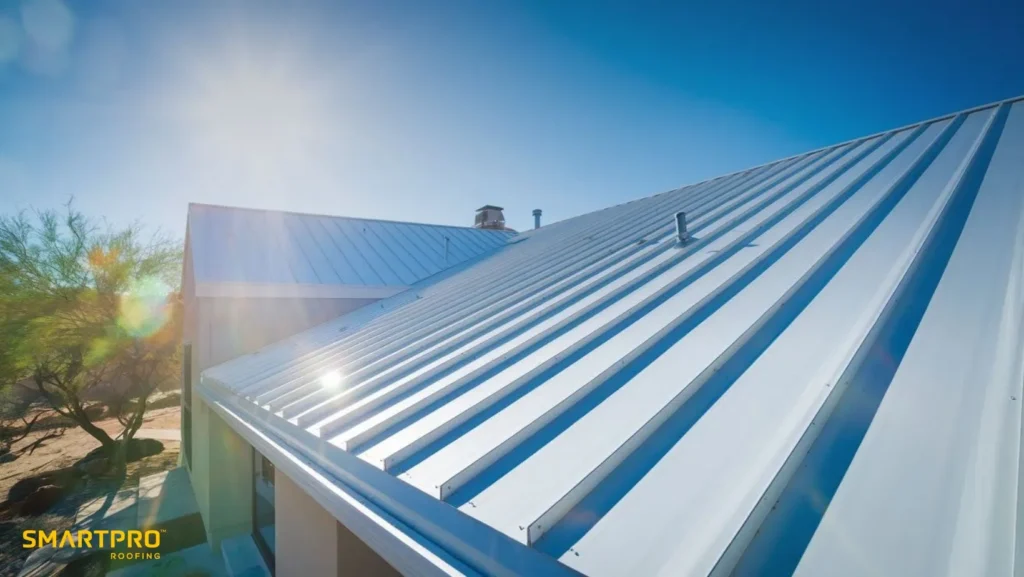
In Florida’s hot climate, studies show that metal roofs with high reflectance significantly reduce attic temperatures and air-conditioner loads.
For example, white or light-colored metal roofs with good coatings showed 18-26% reduction in cooling energy in Florida test homes. That means the color and finish of the metal roof directly correlated to lower energy use and better comfort.
For Florida homeowners, choosing a color that supports heat reflectivity makes tangible sense. A mid-tone color with “cool roof” pigments may balance style and performance.
Common Myths About Metal Roof Color and Heat
Myth 1: Dark colors always perform worse. In reality, dark metal roof panels with high quality coatings that reflect NIR light can perform almost as well as light colors.
Myth 2: Only white roofs save energy. While white delivers highest reflectance, other colors with “cool pigments” still offer major savings.
Myth 3: Color is the only factor. The deck, insulation, ventilation and installation quality matter as much as color.
Evaluating all factors ensures you choose a color that works both visually and functionally.
Summary: Key Things to Remember
- Metal roof color affects heat absorption and reflectivity; lighter colors usually reflect more heat.
- Coatings and pigments matter as much as color; “cool roof” finishes can make mid-tones high performance.
- For Florida’s climate choose colors and finishes that support heat reflectivity and durability.
- Use tools like SmartQuote to compare cost, color options, and performance specs side by side online.
- Style, durability, finish quality and long-term value matter, don’t pick color just because it looks good today.
- Color warranties and finish performance impact how your metal roof will age over time.
Get Started with Your Roof Today
Ready to see exactly what your new metal roof will cost, and buy it entirely online without the sales pitch? Get your free SmartQuote today in just minutes at SmartQuote.
Compare color options, coatings, heat-reflective performance and cost all in one place.
Related Reading: