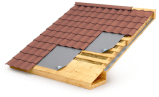
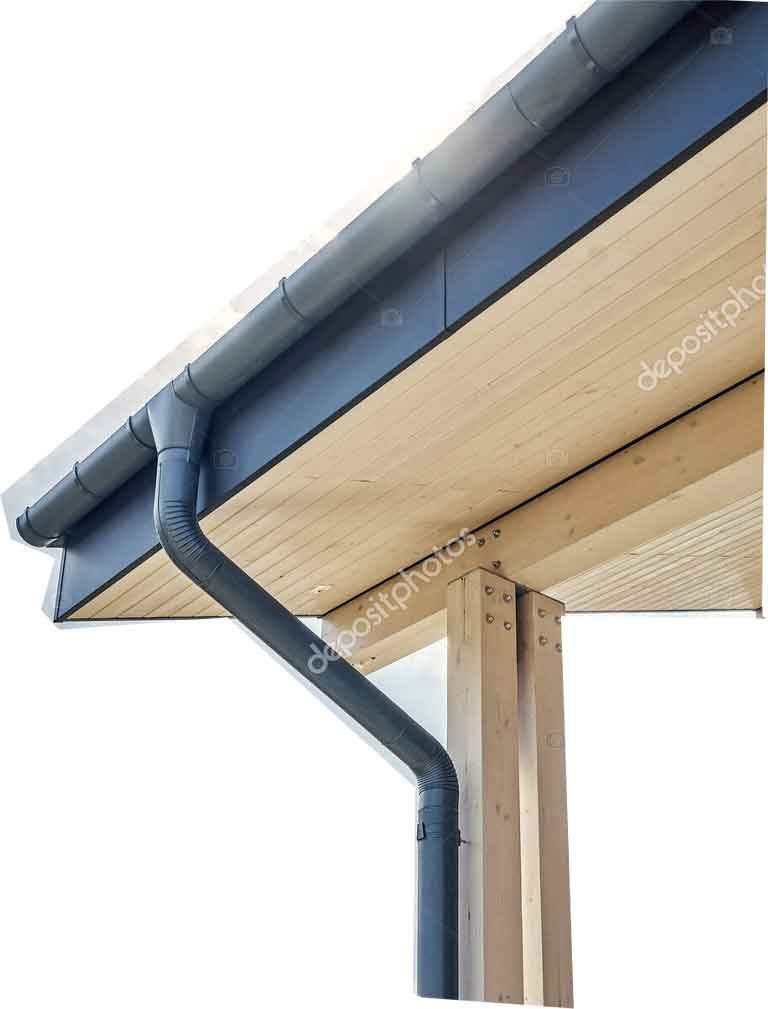
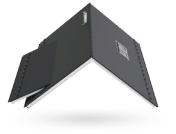



Metal roofs are significantly more durable and longer-lasting than asphalt shingles, with typical lifespans of 40–70 years compared to 15–25 years for shingles. However, metal roofs come with a much higher upfront cost, while shingle roofs are more budget-friendly initially. Other key differences include energy efficiency (metal reflects heat), weather resistance (metal is stronger against wind and hail), and maintenance (metal generally requires less).
When homeowners in Florida evaluate a new roof, the comparison between a metal roof and a shingle roof often centres on cost, durability and longevity. The phrase metal vs shingle roof sums up the core decision many face: is it worth paying more now to avoid repeated replacement later? Florida’s climate-with intense sun, frequent storms, high humidity and salt-laden air-places extra demands on any roofing system. In this article, we’ll compare the lifespans of metal roofs and asphalt shingle roofs, reveal how each performs in Florida conditions and show what a homeowner needs to know when choosing between them.
What Unravels in a Florida Roof System
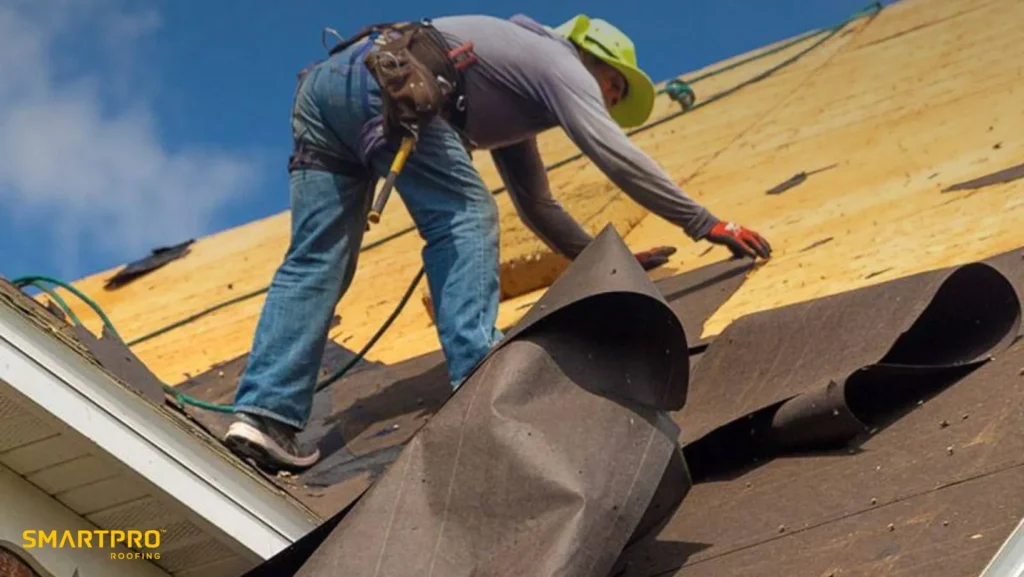
Understanding roof lifespan starts with recognizing what forces act on the roof in Florida. Sun exposure and UV affect roofing materials, high humidity and salt in coastal zones promote corrosion, and hurricanes bring high winds and driving rain. In this environment, a shingle roof may be replaced in 15 to 25 years. On the other hand, a well-installed metal roof can endure for 40 to 70 years or more. Roof installation quality, roof design, roofing materials and maintenance all impact actual performance.
Lifespan of Shingle Roofs
Asphalt shingle roofs are among the most common residential roof types because they are relatively affordable and quick to install. However, their lifespan is limited. Many architectural asphalt shingle systems are rated for 20-30 years, but in Florida’s harsh climate this may shrink to 15 or so years due to the sun blistering granules, humidity causing mold and storms loosening fasteners. Repair frequency tends to rise as the roof ages, and after one shingle roof ends its life a homeowner may face full replacement again. The cost savings upfront can be tempting, but the repeated cycle of replacement can add up.
Lifespan of Metal Roofs
A metal roof is built for longevity. Depending on the type of metal (steel, aluminum, copper), gauge, coatings, and quality of installation, roofs are often rated for 40 to 70 years-or even more in ideal conditions. Metal resists many of the failure modes that affect shingles: granule loss, curling, warping, or fire. It stands up better to high winds and hail. Because the roof is better protected, metal roofs require fewer replacements and fewer repair cycles over a home’s lifetime, making them a strong long-term investment.
Upfront Cost Comparison: Budget Implications
When comparing metal vs shingle roof, cost is a major factor for homeowners. Shingle roofs are less expensive initially-material, labour and tear-off costs tend to be lower. However the trade-off is shorter lifespan and likely replacement sooner. Metal roofs cost substantially more for materials and labour, but because they last so much longer the long-term cost per year may be lower. When using a tool like SmartQuote it becomes easier to compare not only the initial cost of a metal roof replacement, but the lifetime cost savings and replacement cycle you avoid.
Energy Efficiency and Weather Resistance
A metal roof often outperforms a shingle roof in terms of energy efficiency and storm resilience. Metal reflects heat, reducing cooling loads in warm climates like Florida. The U.S. Department of Energy highlights the benefits of reflective roofs for reducing indoor temperature and energy bills. Metal roofs also hold up better under wind, hail and rain events. While shingles may absorb heat, degrade granules and wind lift over time, metal panels resist many of these modes of failure. That means in Florida’s storm prone zones, the durability advantage of metal is particularly meaningful.
Maintenance and Repair Needs Over Time
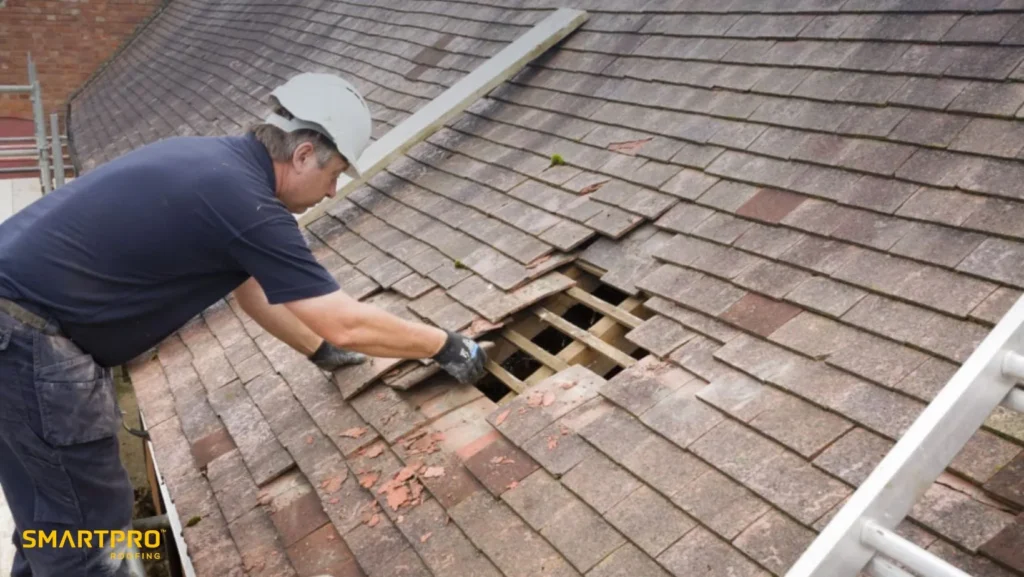
Another dimension of metal vs shingle roof is maintenance and repair. Shingle roofs typically require more regular repairs as fasteners loosen, granules erode and weather damage accumulates. Replacement may involve full tear-off after 15-25 years. Metal roofs generally require fewer interventions: occasional inspections, ensuring fasteners remain tight, coatings remain intact, and flashing is secure. Over the long term, fewer repairs means fewer disruptions and potentially lower maintenance expense. SmartQuote’s online estimate can help homeowners compare projected maintenance costs alongside initial investment.
Suitability for Florida Homes
Florida homes face unique challenges. High humidity, UV exposure and salt air (especially near coasts) can degrade materials faster. In this setting, the longer lifespan of a metal roof becomes more attractive. The same roof installed in a moderate climate may last longer, but in Florida the durability difference between metal and shingles can be even more pronounced. When choosing between metal vs shingle roof, the homeowner must weigh local conditions, roof size, design, exposure and budget. Using SmartQuote allows quick evaluation of options tailored to your roof’s specifics, giving transparency to cost and lifetime expectation.
Return on Investment and Resale Value
Because metal roofs last longer and demand less from maintenance, the return on investment often favors metal when you plan to stay in the home many years. Additionally, a home with a metal roof may have higher resale value because future buyers will appreciate the reduced need for roof replacement. While the cost of roof replacement for metal is higher initially, dividing that cost over 40-70 years often results in a lower annual cost than multiple shingle replacements. With SmartQuote you can compare total cost of ownership scenarios side by side.
Common Misconceptions and What to Ask Contractors
In the debate of metal vs shingle roof, misconceptions abound. One myth is that metal is noisy or difficult to repair. While the initial cost is higher, proper installation mitigates many of the drawbacks. When speaking with a roofing contractor, homeowners should ask: What warranty is included? What is the expected lifespan of the materials? How does maintenance differ? SmartQuote can help simplify these comparisons before signing any contract. Ensuring the contractor is experienced with metal roofing is especially important in Florida where wind and salt air demand high quality installation.
Choosing the Right Roofing Material for Your Home
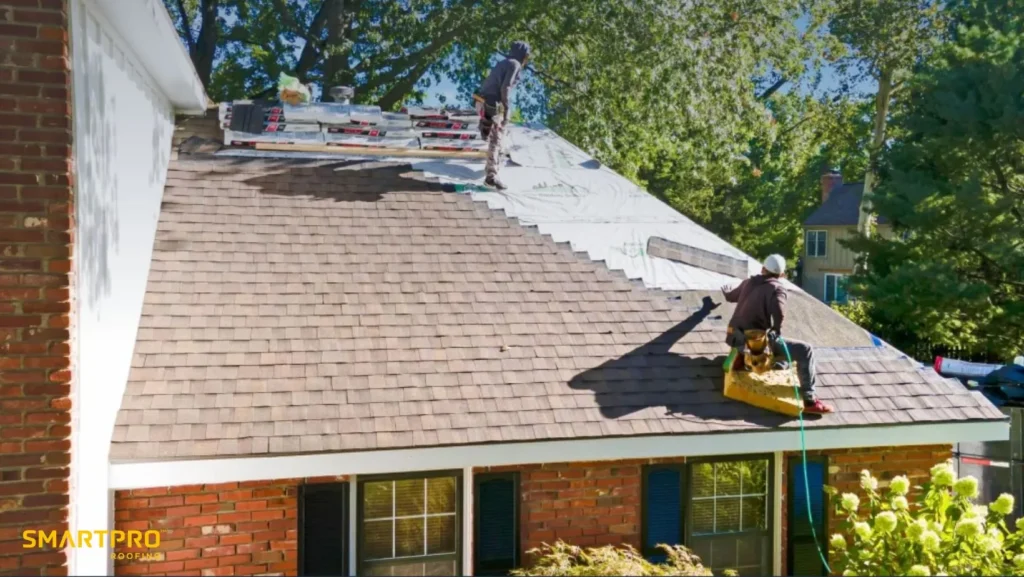
Ultimately, the decision between a metal roof and a shingle roof should align with your budget, how long you plan to stay in the home, local climate challenges and your tolerance for maintenance and replacement cycles. If you expect to stay 30+ years, tolerate higher upfront cost and want durability and lower lifetime cost, a metal roof may be the best choice. If budget is limited and you expect to move or remodel soon, a shingle roof may suffice. Using tools like SmartQuote helps you compare both immediate cost and long-term investment value.
Summary
- Metal roofs tend to last 40–70 years in favorable conditions; asphalt shingles often last 15–25 years in Florida climates.
- Upfront cost for a metal roof is higher, but lifetime cost often is lower due to durability and fewer replacements.
- Energy efficiency, wind and hail resistance and maintenance are all stronger for metal roofs compared to shingles.
- Shingle roofs are budget-friendly initially but may require replacement more frequently in Florida conditions.
- Using an online tool like SmartQuote gives homeowners visibility into cost differences, lifespan and long-term value between metal and shingle roofs.
- Ask contractors about material warranties, installation quality and anticipated lifespan when comparing metals and shingles.
- Your home’s location, design, exposure and how long you plan to stay should guide the choice between metal vs shingle roof.
Ready to See Your Roof Cost?
Ready to see exactly what your new roof will cost-and buy it entirely online without the sales pitch? Get your free SmartQuote today in just minutes at SmartQuote. Compare metal vs shingle roof options, evaluate lifespan benefits, and make an informed decision.
Frequently Asked Question
Which is better metal roof or shingle roof?
For most Florida-style conditions, a metal roof tends to be the better option when you’re planning long term. It offers greater durability, longevity and resistance to storms and heat. A shingle roof may be better if your budget is tight and you’re planning a shorter-term stay.
What are the disadvantages of a metal roof?
Metal roofing has a higher initial cost than shingles and installation tends to be more complex, requiring specialist contractors. Also, certain metal types may be more susceptible to denting or surface damage (e.g., from heavy hail) in extreme cases.
Do insurance companies prefer metal roofs?
Yes, in many cases, insurance companies favour metal roofs because they are more resistant to fire, wind, hail and storm damage, which often reduces claim risk. That said, individual policy factors such as location, roof age and installation quality still matter.
What are the two biggest concerns to a metal roof?
The two biggest concerns when choosing a metal roof are first the upfront cost (materials + labour) and second the quality of installation. Poor installation or low-quality metal panels can compromise durability and lifespan, reducing many of the advantages.
Related Reading: