


A flat roof typically lasts 10 to 30 years, but this varies greatly by material. High-quality systems like EPDM or PVC can reach 30-50 years, while built-up roofs (BUR) often last 15-20 years, and modern TPO roofs generally last 15-25 years. Factors affecting flat roof lifespan include installation quality, maintenance practices such as proper drainage and cleaning, Florida’s intense sun, wind, and humidity, and the type of roofing material. Green roofs offer the longest potential lifespan of 30-50 years. Using SmartQuote allows homeowners to get instant, transparent pricing for flat roof replacement options.
Common Questions About Flat Roofs
How often should a flat roof be replaced?
Flat roofs should generally be replaced every 10 to 30 years depending on the material, installation, and maintenance. Built-up roofs tend to need replacement sooner, while EPDM, PVC, or green roofs last significantly longer. Regular inspections help identify the optimal replacement time.
How do I know if my flat roof needs replacing?
Signs a flat roof needs replacement include persistent leaks, pooled water, bubbling or cracking of roofing material, blistering, or significant wear around seams and flashing. Regular roof inspections can help detect these issues before they cause structural damage.
What are the disadvantages of flat roofs?
Flat roofs are more prone to water pooling and drainage issues. They can require more frequent maintenance, and certain materials may degrade faster under strong Florida sun and storm conditions. Despite these challenges, proper installation and maintenance can significantly extend their lifespan.
How much will it cost to replace a flat roof?
Flat roof replacement costs vary by material, roof size, and labor. On average, homeowners can expect to pay anywhere from $5 to $15 per square foot for materials and installation, with premium systems like PVC or green roofs costing more. Using SmartQuote allows instant online estimates tailored to your home’s flat roof size and type.
According to the Florida Solar Energy Center, proper installation and maintenance are critical for extending the life of flat roofs in Florida’s climate. The center notes that reflective or white roofing membranes can reduce heat load and slow material degradation, contributing to longer lifespan.
Factors Affecting Flat Roof Lifespan
Installation Quality
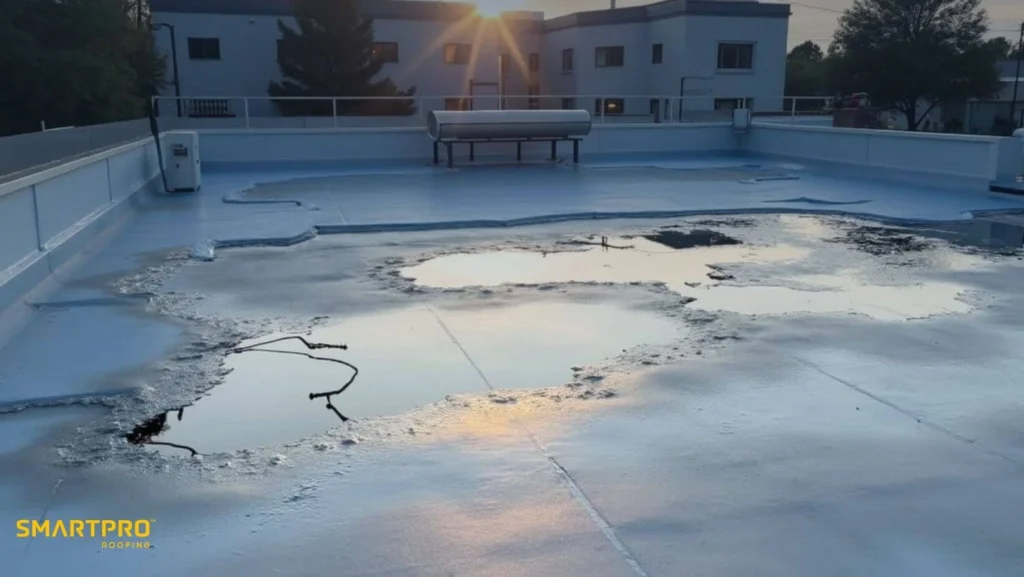
The quality of flat roof installation is one of the most critical factors. Poorly installed seams, inadequate flashing, and improper membrane adhesion can significantly shorten lifespan. A professional roofing contractor ensures that materials are applied according to manufacturer guidelines and that the roof has proper slope and drainage.
Climate Conditions
Florida’s extreme sun, humidity, storms, and occasional high winds challenge flat roofs. Intense UV exposure can cause cracking and shrinkage in older materials, while heavy rain can lead to ponding and leaks. Coastal locations introduce salt air that can accelerate corrosion, especially for roofs with metal components.
Material Choice
Different flat roof materials have widely varying lifespans. EPDM and PVC roofs are known for long-term durability, while TPO and built-up roofs tend to degrade faster under intense sun and ponding water. Green roofs with vegetated surfaces provide insulation and protection from UV exposure, extending lifespan even further.
Maintenance Practices
Routine roof maintenance significantly improves lifespan. Cleaning debris, ensuring proper drainage, inspecting seams and flashing, and addressing minor leaks promptly prevent small problems from becoming major repairs. Regular inspections allow early identification of damage caused by storms or UV exposure.
Common Flat Roof Materials and Their Lifespan
Built-Up Roofs (BUR)
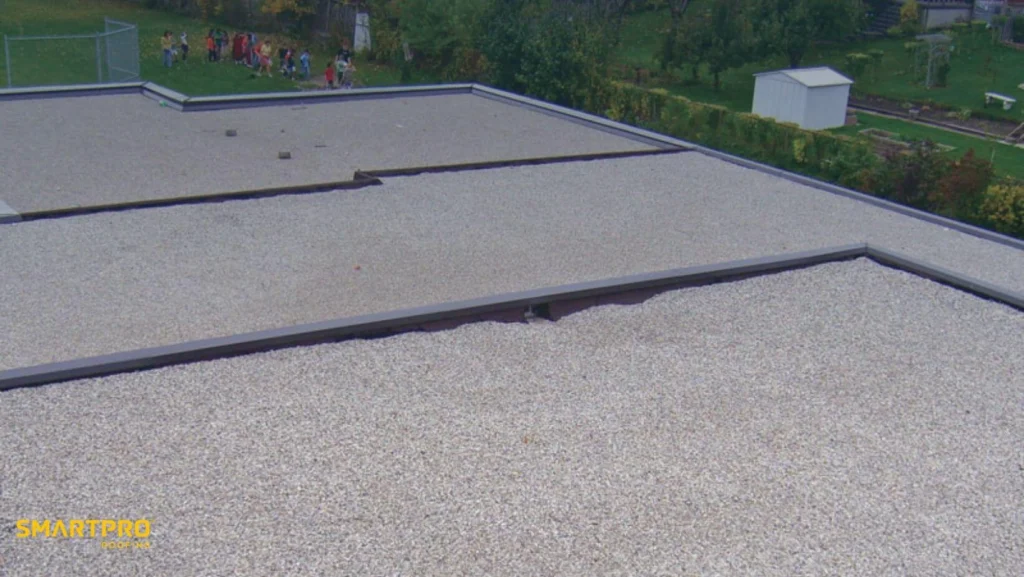
Built-up roofs are made of multiple layers of asphalt and reinforcing fabrics. They typically last 15-20 years. BURs are heavy and require proper slope for drainage. Without regular maintenance, they are prone to leaks and deterioration in Florida’s climate.
Modified Bitumen
Modified bitumen roofs are similar to BUR but include polymers that improve flexibility and UV resistance. Their lifespan ranges from 15-25 years. They handle moderate ponding better than BUR but still require routine inspection to prevent seam failures.
TPO Roofs
Thermoplastic polyolefin (TPO) roofs are a single-ply membrane commonly used for commercial and residential flat roofs. TPO roofs generally last 15-25 years. They offer reflective properties to reduce heat load, but seam and flashing integrity is crucial in Florida’s storm-prone areas.
EPDM Roofs
EPDM (ethylene propylene diene monomer) rubber roofs are highly durable and flexible. They resist UV rays, ozone, and ponding water. EPDM roofs can last 30-50 years with proper installation and maintenance. Regular cleaning and inspection of seams and roof penetrations extend performance.
PVC Roofs
PVC (polyvinyl chloride) roofing is a single-ply membrane known for excellent durability and chemical resistance. PVC roofs last 30-50 years and offer strong reflective properties, making them suitable for Florida’s sunny climate. They are resistant to mold, algae, and ponding water when installed correctly.
Green Roofs
Green or living roofs add a layer of vegetation atop a waterproof membrane. Extensive green roofs can last 30-50 years. They offer insulation, reduce heat islands, improve stormwater management, and protect roofing materials from UV exposure. Green roofs require maintenance such as irrigation, vegetation care, and drainage inspection.
How Florida Weather Impacts Flat Roof Lifespan
Sun Exposure
UV radiation accelerates aging in most flat roof materials, causing cracking, brittleness, and membrane shrinkage. Reflective coatings and light-colored membranes can mitigate damage and extend lifespan.
Storms and Wind
Florida experiences frequent thunderstorms and occasional hurricanes. High winds can lift seams or damage roofing membranes, while heavy rain tests drainage systems. Properly installed flashings and reinforced seams are critical to prevent premature failure.
Humidity and Moisture
Constant humidity encourages mold and algae growth on flat roofs. Water infiltration due to ponding can lead to structural damage. Choosing water-resistant membranes and conducting regular inspections are essential for longevity.
Maintenance Tips to Extend Flat Roof Lifespan
Regular Inspections
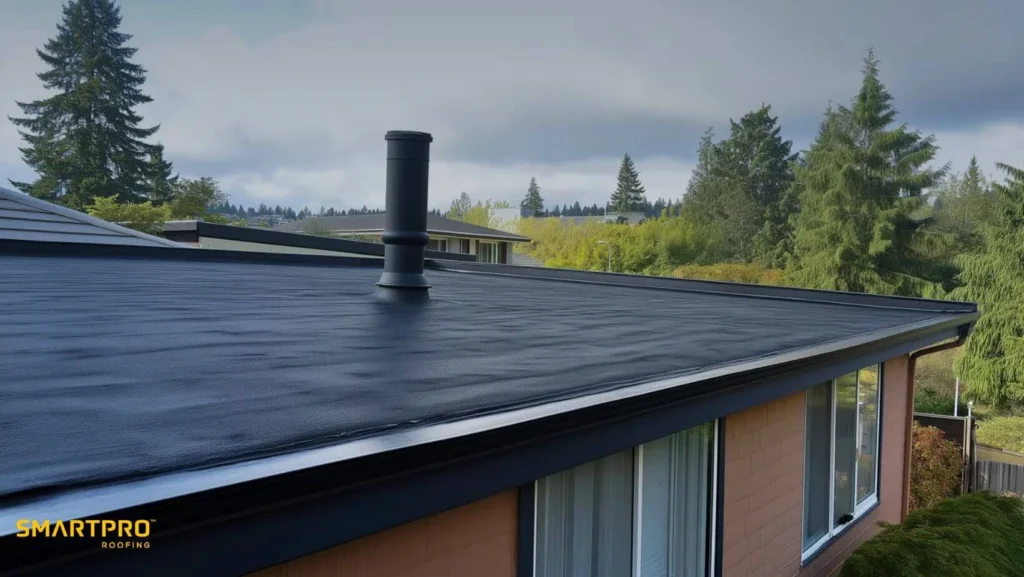
Conduct at least two roof inspections per year and after major storms. Check for cracks, blisters, pooled water, and seam issues.
Drainage and Cleaning
Keep drains, scuppers, and gutters clear of debris to prevent water accumulation. Ponding water accelerates material degradation and encourages leaks.
Repair Small Issues Promptly
Address minor damage immediately. Small leaks, loose flashing, or membrane punctures should be repaired to prevent costly roof repair or replacement.
Coatings and Sealants
Applying reflective or elastomeric coatings can protect against UV damage and reduce interior heat gain, further extending flat roof lifespan.
Vegetated Roof Care
For green roofs, ensure irrigation is appropriate and remove invasive plants. Proper vegetation management prevents root damage to membranes.
Signs Your Flat Roof Needs Replacing
- Chronic leaks or water damage inside the building
- Significant ponding or improper drainage
- Cracks, blistering, or shrinking of membrane
- Deterioration of seams, flashing, or edges
- Age exceeding recommended lifespan of the material
Homeowners should consider replacement rather than repeated repairs if these signs persist.
Cost Considerations for Flat Roof Replacement
Material Costs
EPDM, PVC, and green roofs are higher upfront but offer longer lifespan. TPO and BUR roofs cost less initially but may require earlier replacement.
Labor Costs
Professional installation ensures proper adhesion, seam integrity, and slope. Labor accounts for a significant portion of total flat roof cost.
Maintenance Savings
Investing in durable materials and coatings reduces long-term roof repair costs. Reflective and green roofs can also lower energy costs in Florida.
Using SmartQuote
SmartQuote enables homeowners to get an exact, fully online price for flat roof replacement. You can compare material types, roof size, and installation costs instantly, helping you plan a flat roof replacement with confidence. Check your flat roof replacement cost here: Get a SmartQuote.
Planning for the Long Term
- Choose durable materials suited for Florida’s climate
- Schedule regular roof inspections and maintenance
- Keep drainage and cleaning consistent
- Consider coatings or green roofs for maximum lifespan
- Use SmartQuote for accurate, transparent pricing and to compare replacement options quickly
Roof Replacement Planning Checklist
- Assess your roof’s condition and urgency
- Consider the best season for roof replacement
- Use SmartQuote to get an exact online price
- Schedule your project for optimal weather and convenience
Key Takeaways
- Flat roof lifespan ranges from 10-50 years depending on material and maintenance
- EPDM, PVC, and green roofs offer the longest lifespan
- Florida weather impacts durability, so proper installation and routine care are essential
- Regular inspections, cleaning, and repairs extend roof life
- SmartQuote simplifies replacement planning and pricing comparisons
Ready to see exactly what your flat roof replacement will cost and buy it entirely online without the sales pitch? Get your free SmartQuote today in just minutes through SmartPRO Roofing’s online platform: Get Your SmartQuote.
Related Reading: